Which Wilderness Areas the Idaho Rule Applies To
Planning an Idaho hunting adventure can feel like navigating a maze, especially when you start digging into the rules surrounding wilderness areas. Many nonresident hunters dream of chasing elk in Idaho's vast backcountry, only to hit a wall when they discover that certain regulations might require them to hire a licensed outfitter. This guide is here to untangle those specific wilderness areas where this rule applies, helping you understand exactly what you need to know before you commit to a hunt.
Understanding Idaho's Wilderness Guide Rule for Nonresidents
Idaho is renowned for its immense stretches of wild country, places where the hustle and bustle of modern life melt away and true solitude can still be found. These designated wilderness areas are special, and because of their unique status and the desire to manage impact and provide quality experiences, specific rules apply, particularly for nonresident hunters. It's a frustrating reality for many who prefer to go it alone, but understanding the "why" can help frame the "how" of planning your trip.
The 'Why' Behind the Rule: Protecting Wilderness Values
At its heart, the rule requiring nonresidents to use a licensed outfitter in certain wilderness areas for particular species is about stewardship and management. These vast tracts of undeveloped land are fragile ecosystems that take immense effort to maintain. Think about the impact of dozens, or hundreds, of unguided nonresident parties venturing into the backcountry each year. It’s not just about managing hunter numbers; it’s about search and rescue capabilities, proper waste disposal, fire prevention, and ensuring that those who guide others are properly trained and accountable. Outfitters are licensed and regulated by the state, providing a layer of oversight that helps protect both the resource and the safety of hunters. This regulation helps preserve the very wilderness values that draw hunters there in the first place, ensuring these areas remain wild and untrammeled for future generations.
Who Exactly Does This Rule Affect?
This rule specifically impacts nonresident hunters. If you don't call Idaho your home, and you're planning to hunt certain big game species within a designated wilderness area, you're going to need a licensed outfitter. The Idaho Outfitters and Guides Licensing Board (IOGLB) oversees all licensed outfitters, ensuring they meet strict standards for safety, experience, and ethical conduct. It's a system designed to ensure that those who lead hunts in these challenging environments are prepared for what the wilderness can throw at them. The primary species that trigger this requirement are elk, moose, bighorn sheep, and mountain goat. This means if your dream hunt involves packing into the heart of a wilderness area to chase one of these magnificent animals, you'll be coordinating with an outfitter. For a more detailed look at which animals fall under this umbrella, check out Which Species Trigger Idaho's Wilderness Guide Rule.
The Difference for Idaho Residents
Now, if you're an Idaho resident, you might be breathing a sigh of relief, because this particular guide rule does not apply to you. Idaho residents generally have the privilege of hunting unguided in these wilderness areas for any legal species, assuming they possess the correct tags and licenses, and adhere to all other hunting regulations. This is often a point of contention for nonresidents, but it's a common approach among western states to prioritize residents in their resource management. For residents, the wilderness is essentially their backyard, and the state trusts them to navigate and respect it without an official guide. This doesn't mean it's easy, or that they don't face the same challenges of terrain, weather, and animal behavior, but the legal requirement for a guide is lifted.
Identifying the Specific Wilderness Areas Covered
Idaho is blessed with some of the largest, most pristine wilderness areas in the Lower 48. These aren't just big chunks of public land; they are federally designated wilderness, meaning they have specific protections against motorized travel, logging, and other forms of development. It's in these remote, roadless expanses that the nonresident guide rule truly comes into play for specific species. Knowing which areas fall under this designation is paramount for any hunter planning a trip.
The Big Four: Frank Church, Selway-Bitterroot, Sawtooth, and Gospel Hump
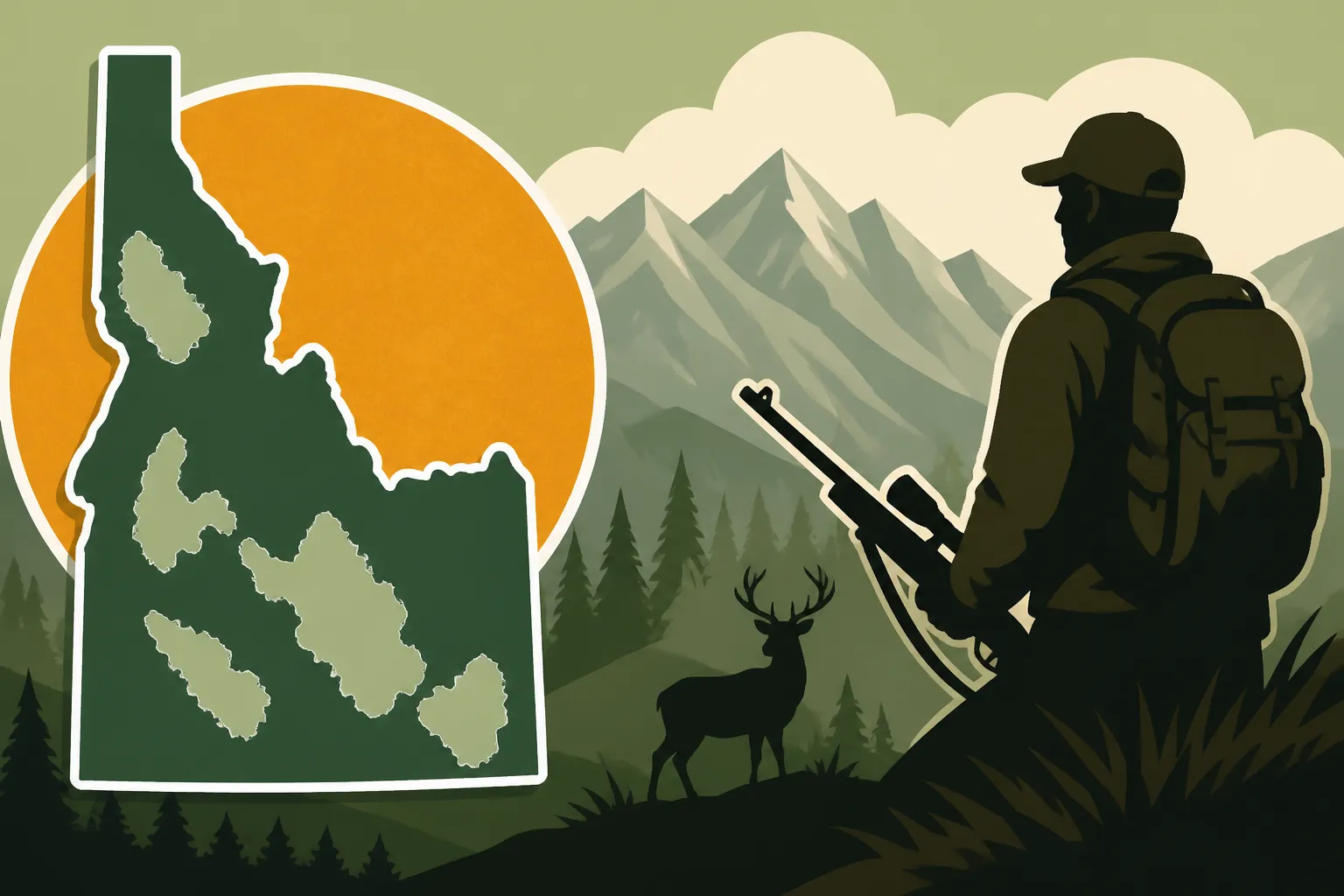
When we talk about designated wilderness in Idaho where the nonresident guide rule for certain species applies, four names immediately jump to mind:
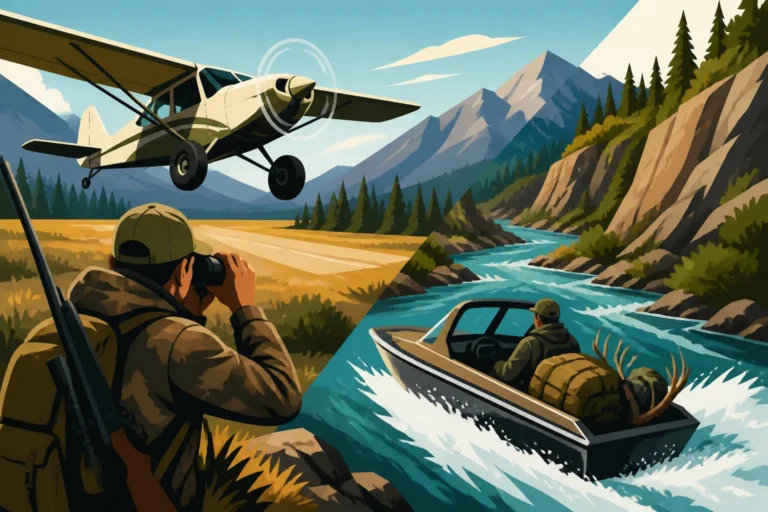
- Frank Church-River of No Return Wilderness: This is the big one, the largest contiguous wilderness area in the Lower 48. It's an absolutely massive expanse of rugged mountains, deep canyons, and powerful rivers. Imagine flying into a remote airstrip, or jet boating deep into its heart on the Salmon River, the "River of No Return." Elk hunting here is legendary, but for nonresidents seeking to pursue them, a licensed outfitter is a must. You can learn more about its unique rules and access points by reading The Frank Church Wilderness and Idaho's Rules.
- Selway-Bitterroot Wilderness: Straddling the Idaho-Montana border, the Selway-Bitterroot is another immense and incredibly wild area. It's characterized by steep, timbered slopes and high, rugged peaks. Access can be challenging, often requiring long hikes or pack strings. Elk and moose frequent these remote drainages. Nonresident hunters pursuing these species within the Selway-Bitterroot will need an outfitter. Discover more about getting into this vast area in Selway-Bitterroot Wilderness Access in Idaho.
- Sawtooth Wilderness: Famous for its jagged, iconic peaks and pristine alpine lakes, the Sawtooth Wilderness is stunningly beautiful. While not as large as the Frank Church or Selway-Bitterroot, it's still a significant area offering incredible backcountry experiences. Mountain goat and bighorn sheep inhabit these high elevations, and if you're a nonresident lucky enough to draw a tag for one of these coveted species here, an outfitter will be required. For further planning, check out Sawtooth Wilderness Hunting Access.
- Gospel-Hump Wilderness: Located southeast of the Frank Church, the Gospel-Hump offers a different flavor of Idaho wilderness, with vast plateaus, deep canyons, and a mix of timber and open ridges. It's rugged and provides excellent opportunities for various game. As with the others, nonresidents pursuing regulated species like elk will need a guide. Dive deeper into its unique characteristics with Gospel-Hump Wilderness Hunting Access.
These four wilderness areas represent the core of where this guide rule is actively enforced for the primary species of concern for nonresidents.
Hells Canyon Wilderness: A Unique Case
The Hells Canyon Wilderness is another critical area to consider, though it presents a slightly different scenario. This spectacular canyon, North America's deepest river gorge, is shared by Idaho, Oregon, and Washington. The Idaho portion of the Hells Canyon Wilderness is a harsh, steep, and demanding landscape. While it falls under the general wilderness designation, the specifics of hunting access and requirements can sometimes be more complex due to its multi-state nature and the unique challenges of the terrain, often involving jet boat access along the Snake River. However, for nonresidents hunting the key species like elk and bighorn sheep within the designated wilderness boundaries on the Idaho side, the guide rule still applies. It's a hunt of a lifetime for many, but planning for it means understanding these regulations. You can explore more about accessing this incredible area by looking at Hells Canyon Access From the Idaho Side.
How to Confirm Wilderness Boundaries on Your Own
Understanding which line on a map marks the wilderness boundary is absolutely critical. Straying unknowingly into a wilderness area without a guide for a regulated species could lead to significant penalties. Here's how to confirm boundaries:
- Official Maps: Always consult current U.S. Forest Service maps or Bureau of Land Management (BLM) maps. These agencies are responsible for managing these lands and their maps will clearly delineate wilderness boundaries.
- Idaho Fish and Game Resources: The Idaho Department of Fish and Game (IDFG) provides excellent resources, including their Idaho Hunt Planner, which allows you to view unit boundaries, land ownership, and often, wilderness areas. Using the interactive map feature can be invaluable. This is a crucial tool for any hunter planning an Idaho trip; check out The Idaho Hunt Planner Is the Tool to Start With.
- GPS and Mapping Apps: Modern GPS devices and mapping apps like GoHunt or onX Hunt are incredibly helpful. They provide detailed topographic maps with various overlays, including land ownership and wilderness boundaries, right on your phone or handheld device. Always download offline maps before heading into remote areas where cell service is non-existent.
- Direct Contact: When in doubt, call the Idaho Department of Fish and Game or the local Forest Service office responsible for the area you intend to hunt. A direct conversation can clarify any ambiguities and ensure you're compliant.
It's your responsibility as a hunter to know where you are and what the rules are for that specific location. Double-checking and cross-referencing multiple sources is always the safest bet.
Exemptions and Nuances: When You Don't Need a Guide
While the nonresident wilderness guide rule can feel restrictive, it's important to remember that it's not a blanket ban on unguided hunting across all wilderness areas or for all species. There are significant exemptions and specific situations where a nonresident hunter can still venture into these wild places without a licensed outfitter. Understanding these nuances can open up different hunting opportunities.
Deer and Bear: The Key Exemptions
One of the most important exemptions to the nonresident wilderness guide rule involves deer and bear. That's right – if you're a nonresident hunter whose primary target is mule deer, whitetail deer, or black bear, you are generally not required to hire an outfitter to hunt them in Idaho's designated wilderness areas. This is a huge piece of information for many hunters who want that true backcountry experience without the added cost of a guide.
Imagine a nonresident dreaming of a solo backpack hunt for a big mule deer buck in the Sawtooths, or a spot-and-stalk black bear hunt deep within the Selway-Bitterroot. These types of hunts are entirely feasible and legal without an outfitter, provided you stick to the rules for deer and bear. This exemption recognizes that while these are also big game species, their management and hunting dynamics within wilderness areas differ from those of elk, moose, sheep, and goat. For more information, you might want to read Why Deer and Bear Are Exempt in Wilderness. This distinction offers a fantastic opportunity for nonresidents to still experience Idaho's wilderness on their own terms, focusing on these specific game animals.
Other Species and Activities
Beyond deer and bear, the guide rule also doesn't apply to hunting small game, upland birds, or predators like coyotes and wolves within wilderness areas, regardless of your residency. If you're looking for a challenging chukar hunt in the Hells Canyon Wilderness breaks or hoping to call in a coyote, you won't need an outfitter.
It's also crucial to remember that the rule applies only to hunting the specified big game species. If you're heading into a wilderness area for fishing, backpacking, photography, or any other recreational activity that isn't hunting one of the regulated species, you are free to do so as a nonresident without a guide. This means you could, for example, hike into the Frank Church Wilderness to scout for a future deer hunt or simply enjoy the scenery, and not need a guide. The restriction is very specific to the act of hunting specific animals.
Hunting Just Outside Wilderness Boundaries
Here's another important distinction that can significantly impact your hunt planning: the guide rule only applies to hunting within the designated wilderness boundaries. This means that if you hunt on public land that is immediately adjacent to, but not technically inside, a wilderness area, the nonresident guide requirement does not apply.
This opens up interesting strategies. Many animals, especially elk, will move in and out of wilderness areas. You could legally hunt the perimeter or the areas just outside the wilderness boundary without an outfitter, even if you're targeting elk. This requires meticulous scouting and a very clear understanding of boundary lines, which can be seen on mapping apps like GoHunt or using the IDFG Hunt Planner. For example, some hunters might set up a camp just outside the boundary of the Gospel-Hump Wilderness and hunt the fringes, hoping animals move out of the more heavily pressured areas inside. This still allows for a challenging, backcountry-style hunt without the guided requirement. Always be absolutely certain of your location, though, because crossing that invisible line while pursuing a regulated species could put you in a tough spot. For more on this strategy, refer to Hunting Just Outside a Wilderness Boundary.
Planning Your Hunt: Resources and Next Steps
Once you understand which wilderness areas apply to Idaho's nonresident guide rule and when it applies, it's time to shift gears into practical planning. Whether you decide to go with an outfitter for a regulated species or pursue an unguided deer or bear hunt, thorough preparation is your best friend.
Researching Outfitters and Understanding Costs
If you've determined that your dream hunt requires a licensed outfitter, the next step is extensive research. This isn't a decision to be taken lightly, as it involves a significant financial investment and trust in another party.
- Verify Licensing: Always, always verify that an outfitter is currently licensed by the Idaho Outfitters and Guides Licensing Board (IOGLB). This board maintains a database where you can check credentials. This simple step can save you a lot of heartache. You can learn more about this process by reading How to Verify an Idaho Outfitter License.
- References and Reviews: Ask for recent references from past clients, and actually call them. Don't just rely on testimonials on a website. Look for reviews on reputable hunting forums and dedicated booking platforms. Websites like BookYourHunt can sometimes provide a starting point for finding outfitters and seeing initial client feedback, though direct communication and reference checks are always paramount.
- Understand What's Included: Clarify exactly what the guided hunt cost covers. Does it include food, lodging, transportation from a specific pickup point, field dressing, and pack-out services? What about taxes or unexpected fees? The more questions you ask upfront, the fewer surprises you'll have later.
- Draw Calendar vs. Booking: Many nonresident big game hunts in Idaho are for controlled hunt tags, meaning you have to draw them. This creates a chicken-and-egg scenario: do you book an outfitter before you draw, or wait? Many outfitters will take a deposit contingent on you drawing a tag, with clear refund policies if you're unsuccessful. Make sure these terms are explicitly in writing.
| Wilderness Area | Primary Species Triggering Guide Rule (Nonresident) | Exempt Species (Nonresident) | Key Characteristics |
|---|---|---|---|
| Frank Church-River of No Return | Elk, Moose, Bighorn Sheep, Mountain Goat | Deer, Black Bear | Largest contiguous wilderness, deep canyons, rivers |
| Selway-Bitterroot | Elk, Moose, Bighorn Sheep, Mountain Goat | Deer, Black Bear | Rugged, timbered mountains, high peaks |
| Sawtooth Wilderness | Elk, Moose, Bighorn Sheep, Mountain Goat | Deer, Black Bear | Iconic jagged peaks, alpine lakes |
| Gospel-Hump Wilderness | Elk, Moose, Bighorn Sheep, Mountain Goat | Deer, Black Bear | Vast plateaus, deep canyons, mixed terrain |
| Hells Canyon Wilderness | Elk, Moose, Bighorn Sheep, Mountain Goat | Deer, Black Bear | Deepest gorge, harsh terrain, Snake River access |
Utilizing Digital Tools for Planning
Whether you're going guided or unguided, modern digital tools are indispensable for planning an Idaho wilderness hunt.
- Mapping Applications: As mentioned earlier, apps like onX Hunt and GoHunt offer detailed satellite imagery, topographic maps, and crucial layers for public land, wilderness boundaries, and even historical fire data. These are invaluable for e-scouting, identifying potential hunting areas, escape routes, and water sources.
- Idaho Fish and Game Website: The IDFG website is a treasure trove of information. Beyond the Hunt Planner, you'll find current regulations, harvest statistics, draw odds, and often, news about specific unit conditions or closures. Spending time on this site before your trip is non-negotiable.
- Weather and Topography: Familiarize yourself with the typical weather patterns for your hunting season and elevation. Use topographic maps to understand the terrain – are you facing steep climbs, river crossings, or dense timber? This will dictate your physical conditioning and gear choices. For instance, Reading Wind in Steep Timbered Country can make or break a stalk, and knowing the terrain helps anticipate challenges.
Practical Steps for Nonresident Hunters
Even after all the research, the success of your hunt often comes down to fundamental preparation.
- Physical Conditioning: Idaho's wilderness is rugged. Elk hunting, especially, demands peak physical fitness. Start an aggressive training regimen months in advance, focusing on cardio, strength, and endurance, particularly with a weighted pack if you plan to go deep.
- Gear Preparation: Pack appropriately for severe weather changes, from warm sunny days to sudden snowstorms. Quality rain gear, layered clothing, a reliable navigation system, water filtration, and emergency supplies are essential. Your gear list should be meticulously thought out.
- First Aid and Safety: Wilderness means self-reliance. Carry a comprehensive first aid kit and know how to use it. Consider a satellite communication device (like a Garmin inReach or Zoleo) for emergency contact, as cell service will be non-existent in these areas. Share your hunt plan with someone responsible back home.
- Respect the Wilderness: Even with a guide, or if you're hunting an exempt species, remember that you are a visitor in a special place. Practice Leave No Trace principles, pack out everything you pack in, and minimize your impact on the environment. Understanding rules like Idaho's Motorized Hunting Rule Keeps You on the Road is also crucial for maintaining the wilderness character.
By diligently planning and respecting the regulations and the environment, your Idaho wilderness hunt can be an unforgettable, rewarding experience, whether you're working with an outfitter or tackling it on your own.
Disclaimer
This article is for general informational purposes only and does not constitute professional advice. Laws, prices and regulations vary by location and change over time. Consult a qualified professional for guidance on your specific situation.