Backcountry Airstrips and Jet Boats Change Idaho Access
Idaho's wild places call to so many of us, but getting deep into those remote hunting grounds can feel like an impossible puzzle. You stare at a map, seeing vast stretches of green and white, knowing that the biggest bulls and the most elusive bucks might be tucked away miles from any discernible road or trail, and you wonder how on earth you're supposed to get there. The sheer scale of Idaho's backcountry, particularly its designated wilderness and remote river canyons, presents a logistical nightmare for many hunters. This guide is going to peel back the layers on how specialized access, like flying into backcountry airstrips or utilizing jet boats on major rivers, can absolutely transform your Idaho hunting experience, opening up incredible opportunities that are simply out of reach for most.
The Challenge of Backcountry Access in Idaho
Anyone who has spent time looking at a topo map of Idaho understands the immense scale of its wilderness. It's not just big; it's rugged, often steep, and unforgiving. While that untamed nature is precisely what draws many of us, it also creates significant barriers to accessing prime hunting habitat. We're talking about areas where roads simply cease to exist, and trails become faint suggestions rather than clear paths. The frustration of seeing a promising basin or a dark timber ridge, only to realize it's a multi-day trek in just to get there, is a common one for Idaho hunters.
Miles from the Nearest Road: The Harsh Reality
Idaho boasts some of the largest contiguous wilderness areas in the Lower 48, like the Frank Church-River of No Return Wilderness, the Selway-Bitterroot, and the Gospel-Hump. These aren't just names on a map; they are vast expanses of roadless country, stretching for hundreds of miles. For a hunter, this means that while the game might be plentiful and less pressured, reaching them is a monumental undertaking. You might be staring at a map that shows a promising elk herd in a remote drainage, but then you zoom in and realize the nearest trailhead is still 15 or 20 miles away. That's just to start your hike.
Beyond the designated wilderness, much of Idaho's national forest and BLM land also consists of incredibly rugged terrain with minimal road infrastructure. Forest Service roads often dead-end deep in canyons or on ridgetops, leaving the truly remote country accessible only by foot or horseback. This reality forces hunters to confront not just the distance, but the elevation changes, river crossings, and dense timber that characterize the Idaho backcountry. It's a genuine test of endurance and preparation.
The allure of these areas is undeniable. Imagine finding a basin where elk bugle freely, untouched by daily human pressure, or spotting a giant mule deer buck that's never seen a human in velvet. This is the promise of Idaho's truly wild places. However, without a strategic plan for access, that promise often remains just a dream, limited by how far you can reasonably walk or ride a horse in a day or two.
Traditional Access Limitations: Horses, Feet, and Time
For generations, the only way into these deep wilderness areas was on foot, often with pack animals like horses or mules. And let's be honest, those methods are still the backbone of many incredible Idaho hunts. There’s a profound satisfaction that comes from hiking in, carrying everything on your back, or riding a trusty horse deep into the mountains. It connects you to the history of hunting in a powerful way.
However, traditional foot and horse travel come with inherent limitations. Time is a huge factor. A truly remote hunt might demand days just for travel, eating into your precious hunting time. Imagine spending three days packing in, only to have two full days to hunt before you have to start the three-day pack out. That's a week-long commitment for only two hunting days, and that's if everything goes perfectly. The physical toll is also immense; not everyone has the stamina or the physical capability for multiple days of extreme hiking with a heavy pack, or the horsemanship skills to navigate rough terrain with a string of pack animals.
Furthermore, packing in with horses requires significant logistical planning, from feed and water to veterinary care on the trail, and often specialized equipment. For many hunters, especially those traveling from out of state, owning and transporting a string of horses just isn't feasible. These limitations often mean that vast swaths of prime, less-pressured habitat remain largely untouched by general public land hunters, simply because getting there is too difficult or too time-consuming by conventional means.
The Lure of Untouched Terrain and Unpressured Animals
So, why do hunters bother with these logistical nightmares? The answer is simple: the promise of a truly wild, unpressured hunt. Animals that rarely encounter humans behave differently. They might be less wary, less nocturnal, and more predictable in their daily routines. In areas accessible only by specialized means, the chances of encountering other hunters significantly decrease, offering a solitude that's increasingly rare in many popular hunting units.
Imagine the thrill of hearing a bull elk bugle right from your tent door, knowing you're the only human within miles. Or spotting a trophy mule deer buck in a basin that shows no signs of boot tracks or spent cartridges. This is the ultimate dream for many Western hunters. These untouched terrains often hold older, larger animals simply because they haven't faced the same hunting pressure as those closer to roads and trails. They've had more time to grow, to learn, and to survive.
For many, the challenge of the access itself becomes part of the hunt's appeal. It’s not just about taking an animal; it’s about the full experience of immersing yourself in true wilderness, pushing your limits, and earning every step of the journey. Utilizing specialized access like airstrips or jet boats isn't about making the hunt easy; it's about making previously impossible hunts accessible, allowing you to reach those untouched havens where the wild truly reigns.
How Backcountry Airstrips Revolutionize Access
For those looking to bypass days of arduous travel, backcountry airstrips offer an incredible solution. Idaho is unique in its number of designated wilderness airstrips, remnants of early Forest Service operations, mining, and fire suppression efforts. These remote strips are lifelines to some of the state's most rugged and spectacular country, literally dropping hunters into the heart of the wilderness.
The Unique Landscape of Idaho's Remote Airstrips
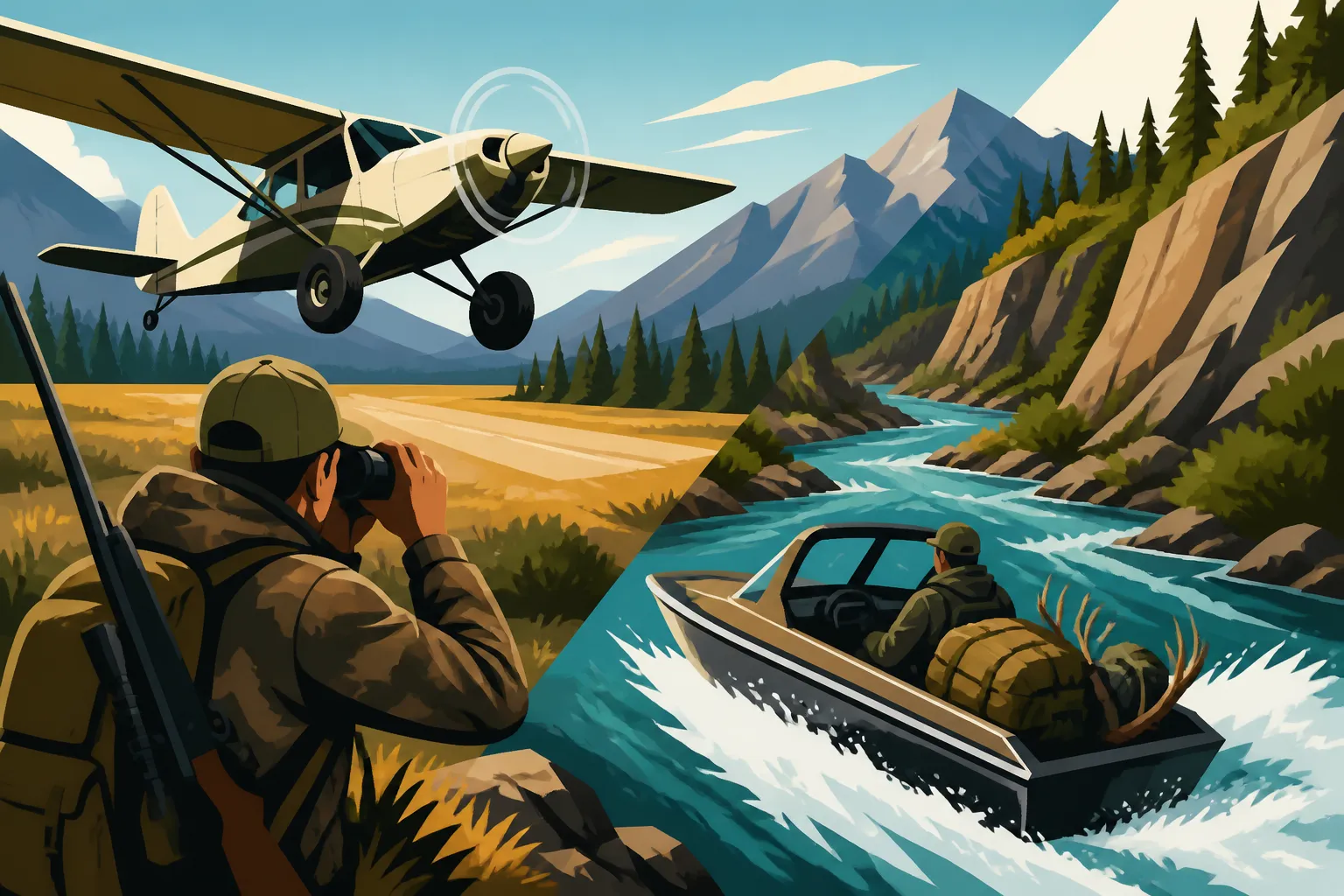
Forget paved runways and control towers. Idaho's backcountry airstrips are a breed apart. Often just a few hundred feet long, they are typically unpaved – think grass, gravel, or packed dirt – nestled into canyon bottoms, clinging to ridgetops, or tucked away in high mountain meadows. Strips like those in the Frank Church Wilderness, such as Big Creek or Chamberlain Basin, are legendary among bush pilots and hunters alike. They are designed for specialized STOL (Short Takeoff and Landing) aircraft, expertly flown by pilots intimately familiar with the challenging mountain conditions.
The approach and landing at these strips are an experience in themselves, often involving steep descents into canyons or tight turns around prominent peaks. Once on the ground, you step out of the plane directly into raw wilderness. There are no services, no cell reception, often not even a formal campground. It's just you and the vast Idaho landscape. This direct, deep penetration into remote areas is what makes these airstrips such a game-changer. They transform a week-long pack-in into a thrilling, hour-long flight, radically altering the time-to-target equation for hunters.
These strips are maintained by a combination of public and private efforts, and while they offer unparalleled access, they also demand respect for their unique environment. Weather can close them down in an instant, and the skills of the bush pilots are paramount to safe operations. They are not merely landing fields; they are gateways to an authentic wilderness experience, making areas that were once reserved for the most intrepid (or well-funded) horse packers available to a wider range of hunters.
Connecting with Air Charter Services and Bush Pilots
If you're considering flying into the Idaho backcountry, your first step is connecting with reputable air charter services and experienced bush pilots. This isn't like booking a commercial flight; it's a highly specialized service. These pilots are true experts, often with thousands of hours flying in mountainous terrain and in the specific conditions of Idaho's wilderness. They know these airstrips like the back of their hand, understanding the winds, the weather patterns, and the load capabilities of their aircraft.
You'll want to research companies that specialize in backcountry aviation within Idaho. Look for those with a strong safety record, proper licensing, and glowing testimonials from other hunters. Platforms like BookYourHunt or even specialized forums can sometimes help you find reputable services, but word-of-mouth among seasoned hunters is often the best recommendation. When you contact them, be prepared to discuss your hunting party size, the amount of gear you plan to bring, your target airstrip (if you have one in mind), and your desired dates. They'll need this information to determine aircraft suitability, flight schedules, and, crucially, weight limits.
Remember, flying into wilderness areas often comes with specific regulations. For example, Designated Wilderness Changes the Rules for Idaho Nonresidents when it comes to hiring an outfitter for certain species, so you'll want to ensure you understand how these rules apply to your chosen hunting area and species. Your chosen air charter service should be able to provide guidance on these regulations and connect you with local outfitters if required.
Logistics of Flying Gear and Hunters Into the Backcountry
Packing for a fly-in hunt is an art form. Every ounce counts, and aircraft capacity, both in terms of weight and volume, is finite. Your bush pilot will provide strict weight limits per person and for all your gear. This means shedding unnecessary items, opting for ultralight versions of everything, and becoming a master of efficient packing. Often, soft-sided duffels are preferred over rigid frames, as they can be squeezed into tight spaces within the plane.
Consider breaking down larger items, like tents or rifle cases, into smaller, manageable components. You'll need to think about how you'll manage your meat and trophy once harvested – many air charters can fly out game, but this will be an additional cost and often requires multiple flights or a larger plane. Planning for these contingencies before you fly in is absolutely critical. Imagine a successful hunt, only to realize you can’t get your elk meat out because you didn’t account for the weight or cost of additional flights.
Coordination for drop-offs and pick-ups is also key. You'll set specific dates and times with your pilot, but understand that weather can, and often does, cause delays. Having a buffer day or two in your schedule, both at the beginning and end of your trip, can save a lot of stress. Always have a satellite communication device (like a Garmin inReach or a Zoleo) to stay in touch with your pilot and loved ones. This not only allows for schedule adjustments but, more importantly, provides a critical safety net in case of emergencies. It's a delicate dance of precision planning and flexibility, all to maximize your time in the hunting grounds.
Jet Boat Access Along Idaho's Iconic Rivers
While backcountry airstrips tackle the high country, jet boats provide unparalleled access deep into Idaho's rugged river canyons. The Salmon River, often called "The River of No Return," and parts of the Snake River in Hells Canyon are prime examples where traditional roads simply don't exist for miles. Here, the powerful, shallow-draft jet boat becomes the ultimate tool for penetrating otherwise impenetrable country, dropping hunters off right on the river's edge.
Navigating the Salmon and Snake Rivers by Jet Boat
Idaho's Salmon and Snake Rivers are truly legendary, cutting through some of the most dramatic and remote landscapes in the state. These aren't calm, lazy rivers; they are dynamic, powerful waterways with rapids, shallow bars, and constantly shifting channels. This is where the specialized design of a jet boat truly shines. Unlike traditional prop-driven boats, jet boats use an impeller to suck in water and expel it at high velocity, allowing them to operate in incredibly shallow water and navigate rapids that would be impassable for other vessels.
Piloting a jet boat on these rivers requires immense skill, experience, and knowledge of the ever-changing river conditions. Professional jet boat operators know every rock, every eddy, and every nuance of the current. They can drop hunters off on a remote gravel bar, at the mouth of a side canyon, or near a critical game trail, miles from the nearest road or even a hiking trail. This means you can bypass miles of arduous hiking along the riverbanks or down steep canyon walls, instantly placing you in pristine hunting territory.
The experience of a jet boat ride itself is thrilling – powering upstream through whitewater, surrounded by towering canyon walls, watching for wildlife on the banks. It's an adventure before the hunt even truly begins. Understanding the capabilities and limitations of these boats, and entrusting your journey to an experienced pilot, is fundamental to a successful river-based hunt.
Outfitter-Provided Jet Boat Drop-Offs and Pick-Ups
For most hunters, especially nonresidents, chartering your own jet boat and navigating these complex rivers isn't a realistic option. This is where Idaho's experienced outfitters come into play. Many outfitters operate along the Salmon and Snake rivers, offering jet boat services specifically tailored for hunters. They provide not just the transportation, but often a wealth of knowledge about the local game movements, suitable campsites, and productive hunting areas.
An outfitter-provided jet boat drop-off works similarly to an airstrip drop camp. The outfitter will transport your hunting party and all your gear upstream to a pre-determined location. This could be a basic gravel bar where you set up a spike camp, or a more established camp area with some amenities. They'll drop you off, likely provide a communication device or a check-in schedule, and then return on a pre-arranged date to pick you up. This service allows you to access prime areas that might otherwise require days of grueling river travel by raft or canoe, or an impossible hike down into the canyon.
These outfitters understand the dynamics of river hunting, including the challenges of game retrieval. Often, they can assist with packing out harvested animals from the river's edge, which is a significant logistical advantage in such rugged terrain. When researching, it's a good idea to check out platforms like GoHunt and BookYourHunt for lists of reputable outfitters offering these kinds of services, and always verify their licenses with The Idaho Outfitters and Guides Licensing Board Explained.
Planning a River-Based Hunt: Permits and Practicalities
Planning a jet boat accessed hunt involves specific considerations beyond a traditional backcountry trip. First and foremost, you'll need to understand any river-specific permits or regulations. While the outfitter will handle the boat operation permits, it's good to be aware of regulations regarding camping along the river, fire restrictions, and any wilderness area stipulations that might apply to your specific drop-off location. Many of these rivers flow through designated wilderness or wild and scenic river corridors, which come with their own set of rules regarding group size, length of stay, and impact.
Safety is paramount on a river hunt. Even though a professional is piloting the boat, understanding river hazards, having appropriate gear (like dry bags for all your essentials), and knowing basic river safety protocols are important. Be prepared for potentially rapidly changing weather, especially in the deep canyons where temperatures can fluctuate dramatically, and wind can whip up quickly. Your outfitter should brief you thoroughly on these aspects.
Practical considerations also include water access. While you're on a river, treating drinking water is always necessary. Game retrieval can be physically demanding as you might be hunting hundreds or thousands of feet above the river, requiring you to pack a harvested animal down to the pick-up point. Discuss these logistics with your outfitter in detail, particularly about Field Dressing and Carcass Transport Rules Explained and how they handle game once it's at the river's edge. A well-planned river hunt offers incredible rewards, but it demands a different kind of preparation than a high-country backpack trip.
Benefits and Drawbacks of Specialized Access
Utilizing backcountry airstrips and jet boats for hunting in Idaho is certainly alluring, but like any significant undertaking, it comes with a distinct set of advantages and disadvantages. It’s crucial to weigh these carefully when deciding if this type of access is right for your hunting goals and budget.
Pros: Deeper Access, Less Pressure, Unique Experiences
The most immediate and compelling benefit of specialized access is, without a doubt, the ability to reach truly deep into Idaho's wilderness. You bypass miles of arduous travel, covering ground in minutes or hours that would take days by foot or horse. This means you’re essentially dropped into the heart of unpressured territory, increasing your odds of encountering mature animals that haven't been pushed around by human activity. Imagine being set up a day’s hike from a known elk bedding area, rather than having to start your hike from a road and still be two days out.
Less hunting pressure translates directly to more natural animal behavior. Elk might bugle more freely during the rut, mule deer bucks might not be as quick to disappear over a ridge, and bears might follow more predictable patterns. You're entering their world, where human scent and presence are less common. This can lead to incredible, intimate hunting encounters that are increasingly rare in more accessible areas. For many, the chance to hunt truly wild, less-pressured animals makes the investment entirely worthwhile.
Beyond the hunting itself, these methods offer an absolutely unique and unforgettable wilderness experience. Flying into a remote strip with mountains looming all around, or powering up a wild river through a deep canyon, are adventures in their own right. These experiences offer a profound connection to the landscape and create memories that extend far beyond the harvest. It’s about the journey, the challenge, and the unparalleled solitude that comes with being dropped into true wildness.
Cons: Cost, Weather Dependency, and Logistical Complexity
Now, let's talk about the realities. The most significant drawback is almost always the cost. Air charters and jet boat services are specialized, expensive operations. You're paying for highly trained pilots, specialized equipment, fuel, and the inherent risks of operating in remote, challenging environments. This cost is above and beyond your licenses, tags (remember, A Nonresident Idaho Elk Hunt Starts at $836.75), gear, and travel to Idaho. You'll need to budget carefully, understanding that these access methods represent a substantial investment in your hunt.
Weather dependency is another major factor. Unlike driving to a trailhead, air travel and river travel are highly susceptible to weather conditions. Fog, heavy rain, snow, high winds, or low cloud ceilings can ground planes or make river travel unsafe, leading to significant delays or even cancellations. You need to build flexibility into your schedule and be prepared for the possibility that your pick-up or drop-off might be postponed, meaning extra nights in the backcountry. This requires carrying sufficient supplies and having a resilient mindset.
Finally, while these methods make access easier, they don't eliminate logistical complexity; they just shift it. You're still managing precise weight limits, coordinating multiple moving parts (pilot, outfitter, hunting party), and dealing with the challenges of backcountry camping and game retrieval. There's less "roughing it" getting in, but the "roughing it" once you're on the ground is just as real, if not more so, because you're even deeper in. Careful, meticulous planning is essential to ensure everything runs smoothly.
Understanding the Wilderness Guide Rule for Nonresidents
This is a critical point that must be understood if you're a nonresident planning a hunt into designated wilderness in Idaho using any method, including specialized access. Idaho has a specific regulation known as the "Wilderness Guide Rule." This rule states that nonresidents, when hunting elk, bighorn sheep, or mountain goat within designated wilderness areas (like the Frank Church-River of No Return or Selway-Bitterroot Wilderness), must hire a licensed Idaho outfitter and guide.
This rule is often misunderstood. It doesn't mean you can't hunt these areas; it means you must have an outfitter and guide as part of your hunting party. This applies even if you're flying into a wilderness airstrip or being dropped off by a jet boat. The guide must be physically present with you in the wilderness. There are exceptions: Deer and Bear Escape Idaho's Wilderness Guide Rule, meaning nonresidents can hunt these species in wilderness without a guide. But for elk, which is often the primary target for fly-in or boat-in hunts, a guide is mandatory.
This significantly impacts the cost and logistical planning of your hunt. You can’t just hire a bush pilot for a drop-off for elk and call it good; you also need to arrange for a licensed outfitter to provide a guide for your hunt. This is why vetting outfitters and understanding their services (including those for Drop Camps in Idaho's Backcountry or fully guided trips) is so important, as detailed in Vetting an Idaho Outfitter Before You Send a Deposit. Make sure any outfitter you consider is fully aware of your plans for specialized access and is prepared to meet all Idaho Fish and Game regulations.
Combining Traditional Methods with Modern Access
The beauty of specialized access isn't just in its ability to get you somewhere quickly; it's also in how it can be seamlessly integrated with more traditional hunting methods to create a truly comprehensive backcountry experience. It's not always an either/or situation; sometimes, the most effective strategy is a blend of old and new.
Integrating Pack Stock with Airstrip or Jet Boat Drops
Imagine being flown into a remote airstrip deep in the wilderness. You've bypassed days of travel, but now you want to hunt several different basins, spread out over a wide area, much further than you'd want to backpack with all your camp. This is where combining specialized access with pack stock shines. An outfitter can meet you at the airstrip or river drop-off point with horses and mules, allowing you to establish a comfortable base camp and then make daily forays with lighter packs or even move camp more easily to another remote location.
This hybrid approach extends your effective hunting range significantly. You can use the horses to access distant ridges, retrieve game from difficult terrain, or simply make daily travel more efficient, all while enjoying the benefit of being dropped deep into unpressured country. Some outfitters specialize in these "combo" trips, flying clients in, setting up a horse-supported camp, and then conducting the hunt from there. It's often referred to as a "semi-guided" or "drop camp with support" type of experience.
The logistics here become even more intricate, but the rewards are profound. You get the quick, deep penetration of air or river access, coupled with the mobility and carrying capacity of a pack string. This is particularly appealing for extended hunts where resupply might be an issue, or for hunters who want the horse-packing experience without the immense effort of getting the stock to the most remote starting points themselves.
The Role of E-Scouting and Satellite Communication
Even with direct access to remote areas, the principles of thorough preparation remain paramount. In fact, they become even more critical. E-scouting, the practice of using digital mapping tools like Gaia GPS or onX Hunt, is absolutely invaluable. Before you even set foot (or tire, or pontoon) in Idaho, you can extensively research your chosen unit, identifying potential game corridors, water sources, bedding areas, and glassing points. This is especially true when using specialized access, as you'll want to hit the ground running, maximizing every minute of your time in the field. E-Scouting an Idaho Unit Before the Season provides an excellent foundation for this type of preparation.
Satellite communication devices are non-negotiable for anyone venturing into areas without cell service, which describes almost all backcountry airstrips and river canyons. Devices like satellite phones or two-way satellite messengers (Garmin inReach, Zoleo, Spot X) allow you to stay in touch with your air charter or jet boat operator for pick-up coordination, adjust plans if weather changes, and, most importantly, provide a lifeline in case of an emergency. This peace of mind is invaluable for both you and your loved ones back home.
These modern tools, far from detracting from the wilderness experience, actually enhance safety and efficiency, allowing hunters to delve deeper into remote country with greater confidence. They bridge the gap between complete isolation and crucial connectivity, ensuring that while you’re off the grid, you’re not out of reach when it truly matters.
Physical Demands and Preparation for Remote Hunts
Don't be fooled by the "easier" access. While flying or boating in saves you the initial grind, the actual hunting in these remote Idaho locales remains incredibly demanding. You'll still be climbing steep slopes, traversing dense timber, and packing heavy loads of meat out of rough terrain. The animals you're pursuing in these unpressured areas might be less wary, but they certainly aren't sitting around waiting for you. They live in tough country, and you'll need to be physically ready to pursue them there.
Physical conditioning is paramount. Start a rigorous training regimen months before your hunt. Focus on cardiovascular fitness, strength training (especially core and legs), and ruck training with a weighted pack to simulate hunting conditions. If you're going to be in an area with significant elevation, try to incorporate elevation training into your routine if possible. Being physically prepared not only increases your chances of success but also significantly enhances your enjoyment of the hunt and reduces your risk of injury.
Beyond physical fitness, mental toughness is also key. These hunts can be challenging, both physically and emotionally. The solitude can be intense, the weather can be harsh, and success is never guaranteed. Having the mental fortitude to push through discomfort, stay positive, and make sound decisions under pressure is just as important as being able to climb a mountain. Prepare your mind as well as your body for the rigors and rewards of hunting deep in Idaho's remote backcountry.
Ethical Considerations and Conservation in Remote Idaho
When you venture into Idaho's remote backcountry via specialized access, you're entering some of the most pristine and wild landscapes left. With this privilege comes an even greater responsibility to uphold ethical hunting practices and commit to conservation. Your actions in these areas have a magnified impact due to their fragile nature and the inherent value of maintaining truly wild places.
Minimizing Impact in Fragile Backcountry Ecosystems
The "Leave No Trace" principles are not just suggestions in these areas; they are critical guidelines. Pack out everything you pack in, and then some. This includes all trash, food scraps, spent cartridges, and even human waste in some sensitive areas (consider using WAG bags). Avoid building unnecessary fires, and if you do, ensure they are completely out and that you've used existing fire rings where possible.
When setting up camp, choose durable surfaces like rock or bare dirt away from water sources. Minimize your footprint by staying on established trails where they exist, or spreading out in areas without trails to avoid creating new, deep paths. Respect wildlife by giving them ample space and never feeding them, intentionally or unintentionally. These remote ecosystems are often more fragile and slower to recover from human disturbance, so your mindfulness is incredibly important.
The goal is to leave the area exactly as you found it, or ideally, in better condition. This ensures that these incredible places remain wild and beautiful for future generations of hunters and outdoor enthusiasts. Your commitment to minimal impact directly contributes to the long-term health and sustainability of Idaho's wilderness hunting opportunities.
Respecting Local Communities and Outfitter Operations
While you might be dropped into the wilderness, your journey often starts and ends in small, remote Idaho communities that serve as hubs for outfitters, air charters, and supplies. These communities, and the people who run the local businesses, are vital to your hunt. Treat them with respect, understanding that they are often dealing with a constant flow of hunters and managing complex logistics. A friendly attitude and clear communication go a long way.
If you're using an outfitter, whether for a fully guided hunt or just a drop-off service, remember that they are professionals running a business. Adhere to their schedules, follow their instructions, and respect their experience. They are often operating on tight margins and complex permitting, so your cooperation makes a huge difference. Don't haggle over prices once agreed upon, and always leave a gratuity for guides and staff who have provided excellent service. Remember, Every Idaho Guide Works Under a Licensed Outfitter, and they are professionals dedicated to your experience.
Supporting these local businesses and respecting their operations ensures that the infrastructure for specialized access remains viable. They are the backbone of remote hunting opportunities in Idaho, and a positive relationship benefits everyone involved, fostering a community that values both hunting and conservation.
Wildlife Management and the Importance of Fair Chase
Hunting in remote areas accessed by specialized means doesn't exempt you from the fundamental principles of fair chase. In fact, it often highlights their importance. Fair chase means taking an animal in a manner that gives the animal a reasonable opportunity to escape. While flying or jet boating might get you into remote areas quickly, the hunt itself must still involve skillful stalking, ethical shot placement, and respect for the animal.
Adhere strictly to all Idaho Fish and Game regulations regarding seasons, bag limits, weapon restrictions, and tagging requirements. This includes understanding rules around How Soon You Must Tag a Downed Animal and reporting requirements. Just because you're deep in the backcountry doesn't mean the rules are relaxed; if anything, the remote nature might make enforcement more challenging, but your personal ethical compass should be even stronger.
Be prepared for game retrieval, even from the most difficult spots. Part of ethical hunting is ensuring that if you take an animal, you make every effort to recover it. This ties back into physical preparation and proper gear. These remote areas are managed for wildlife, and your responsible participation as a hunter contributes directly to the data and funding that support these management efforts. By hunting ethically and responsibly, you help preserve the integrity of hunting in Idaho and ensure the health of its magnificent wildlife populations.
Planning Your Remote Idaho Hunt: Resources and Tips
Embarking on a remote Idaho hunt using specialized access is a significant undertaking, but with proper planning, it can be the adventure of a lifetime. The key is to be meticulous in your preparation, leveraging available resources and learning from those who've gone before.
Utilizing the Idaho Hunt Planner and Other Tools
The Idaho Fish and Game's online Hunt Planner is your absolute best friend when starting to plan any hunt in the state, and it's especially critical for remote trips. This interactive tool allows you to explore Idaho Runs 99 Game Management Units, research specific zones, and analyze draw odds and harvest statistics. You can overlay maps with public land boundaries, roads, trails, and even wilderness areas, helping you pinpoint potential drop-off locations and hunting grounds. It's an indispensable resource for understanding the terrain and regulatory landscape.
Beyond the official state resources, commercial mapping applications like onX Hunt, Gaia GPS, and Basemaps offer incredible detail and functionality, allowing you to download offline maps, mark waypoints, and navigate without cell service. These are essential for navigating once you’re on the ground. Additionally, subscription services like GoHunt provide even deeper data analysis, drawing odds, and unit breakdowns that can be incredibly helpful when selecting a unit and planning your strategy, especially for controlled hunts. They often compile data in an easy-to-digest format that saves hours of individual research.
Combine these digital tools with old-fashioned paper maps and compass skills. Technology can fail, and having a backup navigation method is crucial in remote country. Familiarize yourself with your chosen unit and its boundaries, understanding Reading an Idaho Controlled Hunt Area Boundary so you don't inadvertently cross into restricted areas or private land.
Finding Reputable Outfitters and Air Charter Services
Choosing the right outfitter or air charter service is one of the most important decisions you'll make for a remote hunt. Start your research early, ideally a year or more in advance, as popular services book up quickly. Look for companies with a long track record, excellent safety records, and positive reviews. Don't be afraid to ask for references from past clients and actually call them. Ask about their communication, how they handled unexpected situations, and the overall quality of their service.
When vetting an outfitter, inquire about their specific experience in the unit you're interested in, their success rates (and how they define "success"), their equipment, and their safety protocols. If the Wilderness Guide Rule applies to your hunt, ensure they are fully licensed and compliant with all Idaho Fish and Game regulations. The Idaho Outfitters and Guides Licensing Board Explained is a public body where you can verify an outfitter's license and check for any past complaints.
For air charter services, specifically ask about the type of aircraft they use, their experience flying into backcountry strips, and their contingency plans for weather delays or mechanical issues. Platforms like BookYourHunt can be a good starting point for finding and comparing outfitters, but always follow up with direct communication and thorough vetting before committing. Transparency and clear communication from both sides are key to a successful partnership.
Budgeting for Specialized Access and the Overall Hunt
A remote Idaho hunt with specialized access is an investment, so a detailed budget is non-negotiable. Break down all potential costs:
| Category | Description | Estimated Cost Shape |
|---|---|---|
| Hunting License & Tags | Idaho resident or nonresident hunting license, plus species-specific tags (e.g., deer, elk). Nonresident tags are considerably more. | Varies significantly; check Idaho Fish and Game for current prices. |
| Air Charter/Jet Boat | Cost for drop-off and pick-up of hunters and gear. Varies by distance, aircraft/boat size, and number of flights. Often charged per plane/boat load or per person. | Expect a substantial fee, often in the thousands of dollars. |
| Outfitter/Guide (if required) | Mandatory for nonresidents hunting elk, sheep, goat in wilderness. Price varies by length of hunt, level of service (drop camp vs. fully guided). | Can range from a few thousand for a drop camp to tens of thousands for a fully guided hunt. See What a Guided Idaho Elk Hunt Costs for context. |
| Travel to Idaho | Flights, fuel, vehicle rental to get to the air charter or jet boat staging area. | Varies widely based on origin. |
| Food & Supplies | All food, water filters, cooking gear, fuel for stoves, first aid, emergency supplies for the duration of the hunt, plus buffer days. | Several hundred dollars, depending on duration and group size. |
| Gear & Equipment | Backpacking gear (tent, sleeping bag, pad), hunting gear (rifle/bow, optics, clothing), satellite communicator, specialized tools. | Potentially thousands for initial setup; less for replacement/upgrades. |
| Game Processing & Shipping | If successful, costs for butchering, freezing, and shipping meat and/or trophy back home. | Varies by animal size, processor fees, and shipping distance; can be hundreds to over a thousand dollars. |
| Contingency Fund | Absolutely vital for unexpected delays (weather, mechanical issues), extra nights, emergency travel, or additional flights for game retrieval. | Recommend 10-20% of total trip cost. |
Don't forget to factor in potential costs for a second flight to retrieve game if you're flying in, or for specialized game packing assistance from a jet boat outfitter. Understanding all these moving parts and allocating a contingency fund is crucial. A remote hunt is an investment in an experience, and careful financial planning ensures that investment pays off in an unforgettable adventure, rather than a financial headache. Remember to coordinate your booking dates around Booking an Idaho Hunt Around the Draw Calendar if you're applying for controlled tags.
Disclaimer
This article is for general informational purposes only and does not constitute professional advice. Laws, prices and regulations vary by location and change over time. Consult a qualified professional for guidance on your specific situation.