What Outfitter Prices Leave Out
So, you're dreaming of an Idaho hunting adventure, aren't you? The thought of chasing elk through the timbered mountains or glassing for mule deer across the sagebrush breaks fills your head. You start looking at outfitters, and it all sounds so exciting – "fully guided," "all-inclusive," "the hunt of a lifetime!" But then you see that price tag, often a hefty one, and you might think that covers absolutely everything from start to finish. Unfortunately, many first-time hunters, and even some seasoned ones, find out the hard way that an outfitter's quoted price often leaves out a significant chunk of the total cost, leading to some real budget surprises. This guide is here to pull back the curtain on those often-overlooked expenses, helping you budget realistically for your incredible Idaho hunting experience.
Understanding the Base Price: What's Typically Included?
When you’re first researching an outfitter, the advertised price usually covers the core services that define a guided hunt. It’s what you’re paying for when you hire someone else to lead the way and manage the logistics in the field. This foundation is incredibly valuable, especially for out-of-state hunters or those tackling challenging Idaho terrain for the first time.
The Core Services of a Guided Hunt
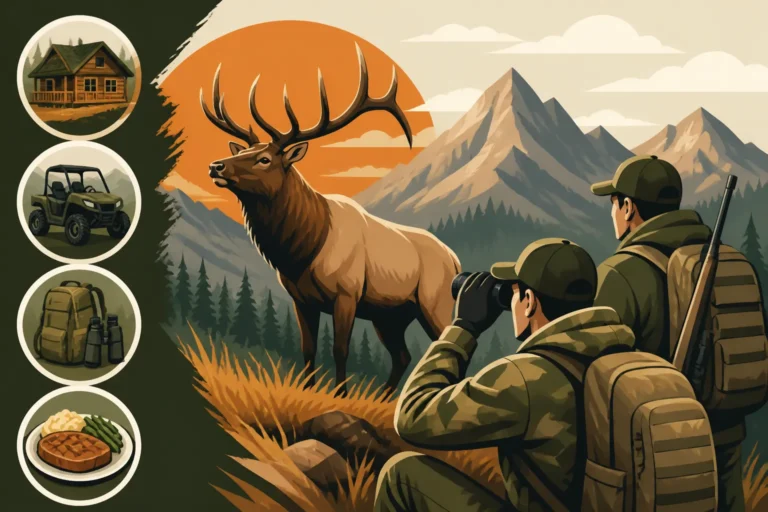
Generally speaking, a guided Idaho hunt will cover the essential elements of the actual hunting experience. This means you’ll have a professional guide by your side, someone with intimate knowledge of the area, the animal behavior, and how to effectively hunt specific species in Idaho's diverse landscapes. This expertise is what you're truly investing in – their ability to put you in a position to be successful.
Beyond the guide themselves, the price usually includes your accommodations during the hunt. This could range from comfortable lodge settings in more accessible areas to rustic wall tents in the deep backcountry, often reached by horse or even plane. Meals are also typically part of the package once you arrive at camp. We’re talking hearty, hunter-friendly fare designed to fuel you through long days in the field, whether it's Dutch oven dinners or packed lunches for your day hunts. And crucially, if you’re fortunate enough to harvest an animal, the outfitter and their crew will almost always handle the difficult, back-breaking work of packing that animal out from the kill site back to camp, and then on to the trailhead. This alone can be worth the price of admission when you’re looking at a big bull elk quartered up miles from the nearest road.
Limitations of "All-Inclusive" Claims
The term "all-inclusive" sounds incredibly reassuring, doesn't it? It conjures images of worry-free travel where every single detail is taken care of financially. However, in the context of a hunting outfitter, "all-inclusive" almost never means what you might assume it does for a resort vacation. Instead, it typically refers to the hunting portion of your trip. It means your guide, your camp, your meals during the hunt dates, and the initial game retrieval are covered. It’s a package for the experience itself.
Where hunters often run into frustration is when they realize this definition doesn't extend to the myriad of costs incurred before and after the actual hunt dates. These are the expenses that can sneak up on your budget, sometimes adding thousands of dollars to what you initially anticipated. It’s a vital distinction, and one that new hunters especially need to grasp firmly to avoid that gut-wrenching feeling of unexpected bills piling up. Always approach "all-inclusive" with a healthy dose of skepticism and a list of specific questions ready to go.
The Hidden Costs Before You Even Leave Home
Before you even load up your truck or step onto a plane, there's a whole category of expenses that outfitters simply don't, and can't, include in their quoted price. These are highly personal costs related to securing your legal right to hunt and getting yourself to the starting line.
Licensing and Tag Fees
This is arguably the biggest and most commonly overlooked expense when booking a guided hunt, especially for nonresidents traveling to Idaho. Outfitters never include the cost of your hunting license or the actual game tags in their prices. These are permits you, as the hunter, must purchase directly from the state of Idaho. The reasoning is simple: licenses and tags are personal to you, and their availability and cost can change.
For example, a nonresident will need to purchase an Idaho hunting license, which is a significant upfront cost before you even consider specific game tags. On top of that, if you're chasing deer, you'll need a What a Nonresident Idaho Deer Tag Costs. If elk are your quarry, prepare for What a Nonresident Idaho Elk Tag Costs. And don't forget any specific validations or archery permits that might be required. These fees can quickly add hundreds, or even over a thousand, dollars to your total budget before your boots even hit Idaho soil. Always check the Idaho Fish and Game website for the most current fee schedules, as these can fluctuate year to year.
Travel Expenses to the Outfitter's Rendezvous Point
Once you've secured your license and tags, you still have to get yourself and your gear to Idaho. This often involves significant travel expenses that are entirely separate from the outfitter's fees. Whether you're driving thousands of miles across the country or flying in from another state, those costs accumulate quickly.
Consider the fuel costs, wear and tear on your vehicle, or the price of plane tickets. Many hunters choose to fly into major hubs like Boise or Lewiston, but often the outfitter's base camp or meeting point is still several hours' drive into more rural areas. This means you might need to rent a car, pay for additional hotel stays before or after your hunt dates, and factor in meals during your travel days. These logistical expenses, while seemingly obvious, are frequently underestimated. A solid pre-hunt budget should meticulously detail every leg of your journey, ensuring you don't arrive already feeling financially stretched.
Gear, Equipment, and Personal Supplies
Even if your outfitter provides a tent and food, you’re still responsible for everything you wear and carry to endure Idaho’s rugged hunting conditions. This category can quickly escalate into a substantial investment, especially if you’re new to Western hunting or need to upgrade existing items.
Personal Hunting Gear and Clothing
Idaho hunting, particularly for big game, demands specialized gear and clothing that can withstand everything from scorching Indian summer days to bitter cold, snow, and relentless rain, often all within the same week. While your outfitter will likely send you a suggested packing list, they aren't supplying the items on it. You’ll need a robust layering system that includes moisture-wicking base layers, insulating mid-layers, and a waterproof, windproof outer shell.
Footwear is paramount; high-quality, broken-in hunting boots that offer ankle support and waterproofing are non-negotiable for navigating steep, uneven terrain. Don't forget durable gaiters, warm gloves, a reliable headlamp with extra batteries, and a comfortable hunting pack capable of carrying your daily essentials and potentially a load of meat. Your optics are another crucial component. While many outfitters will have good glass, having your own reliable binoculars or a spotting scope like those needed for Optics Power for Idaho's Long Canyon Sightlines can greatly enhance your ability to find game and contribute to the hunt. Investing in quality gear isn't just about comfort; it's about safety and success in the backcountry. Binocular Size That Survives an All-Day Session can also make a huge difference in long days of glassing.
Weapon, Ammunition, and Shooting Accessories
Unless you’ve made very specific arrangements (which is rare), you are expected to bring your own hunting weapon and all its associated accessories. This includes your chosen rifle, bow, or muzzleloader, along with ample ammunition or arrows. For rifle hunters, this means not just the rifle itself, but also a quality scope, sling, and a secure case for travel. Ensuring your rifle is zeroed at an appropriate distance, perhaps for long shots across canyons or through timber, is entirely your responsibility. Many hunters will need to practice extensively at the range to be proficient with their chosen setup.
Bowhunters face an even more specialized list: the bow itself, a quiver, arrows, broadheads (fixed blade or mechanical, depending on your preference and the game), a release aid, and any necessary tuning equipment. Proper Bow Tuning Worth Doing Before a Mountain Hunt is critical for accuracy and ethical shots. Furthermore, specialized accessories like shooting sticks or a bipod can be invaluable for stable shots in rugged terrain, especially when you need to make a careful shot with your chosen Choosing a Rifle for Idaho's Timber and Breaks. These items represent a substantial personal investment, and they are never factored into an outfitter's base price.
Post-Harvest Processing and Logistics
Congratulations, you've harvested an animal! The hard work of the hunt might be over, but a whole new set of responsibilities and costs immediately begins. This is where many hunters are caught off guard, as the outfitter's service typically ends at the trailhead.
Meat Processing and Taxidermy
Once your animal is packed out to the trailhead, the responsibility for processing its meat falls squarely on your shoulders. While your outfitter might be able to recommend local butchers, the cost of having your deer or elk professionally cut, wrapped, and frozen is separate. An elk, for instance, can yield a considerable amount of meat, and processing fees can run into hundreds of dollars, depending on the animal's size and the services requested. It’s a significant expense, but one that ensures you get the most out of your hard-won harvest.
Similarly, if you're hoping to preserve your trophy—a cape for a shoulder mount or the antlers themselves—those costs are also yours to bear. Your outfitter might assist with the initial caping in the field, following specific guidelines like Field Dressing and Carcass Transport Rules Explained to ensure the cape is salvageable, but the cost of a taxidermist to prepare and mount your trophy is entirely separate. This often means finding a reputable taxidermist either locally in Idaho or back in your home state, and then figuring out the logistics of getting the cape and antlers to them.
Shipping Costs for Meat and Trophies
For hunters traveling from out of state, getting your hard-earned meat and trophies home is a logistical challenge and a considerable expense. Shipping frozen meat requires specialized coolers, dry ice, and often expedited shipping services, which can be surprisingly costly. Imagine trying to ship 150-300 pounds of frozen elk meat across several states—the freight charges alone can add up quickly. It's a critical part of your overall budget that's often neglected.
Similarly, shipping antlers and capes for taxidermy can also be expensive, especially for large elk antlers that require oversized shipping containers. You might need to coordinate with a local expediter or taxidermist who specializes in shipping game across state lines. Some hunters opt to fly with their antlers (after proper skull cap preparation), which might incur oversized baggage fees with airlines. Always research airline policies regarding game transport well in advance. Understanding these potential Meat Processing and Shipping Costs After a Hunt is crucial to avoid a final, unwelcome surprise before you head home. Don't forget to look into Shipping Capes and Antlers Home from Idaho, which has its own considerations.
Gratuities and Other Unexpected Expenses
Beyond the tangible costs of licenses, gear, and processing, there are less obvious but equally important financial considerations that are almost universally excluded from an outfitter's quoted price. These are customary expectations and unforeseen circumstances that can significantly impact your overall budget.
Tipping Your Guide and Camp Staff
This is one of the most common "hidden" costs that surprises hunters, particularly those new to guided trips. Tipping your guide and the camp staff is customary and expected in the hunting industry, much like tipping in the service industry. These dedicated individuals work tirelessly, often in challenging conditions, to ensure your hunt is successful, safe, and enjoyable. Their long hours, knowledge, and hard work are invaluable.
While there's no hard and fast rule, a typical gratuity for a lead guide often ranges from 10% to 20% of the hunt's base cost, depending on your satisfaction and the level of service provided. This can amount to hundreds, if not thousands, of dollars. Additionally, it's polite to offer a separate gratuity to the camp cook, wranglers, or other support staff who contribute to your overall experience. Always factor in these significant tips when calculating your total hunt expense. It's a direct way to acknowledge their effort and a crucial part of the hunting culture. Understanding How Much to Tip a Hunting Guide can help you prepare financially.
Contingency Fund for the Unexpected
Life, and especially backcountry hunting, has a way of throwing curveballs. Even the best-planned trips can encounter unforeseen circumstances that lead to unexpected expenses. This is why having a contingency fund—an extra cushion of cash set aside specifically for emergencies or unforeseen costs—is incredibly important.
What kind of unexpected expenses are we talking about? It could be anything from a broken piece of essential gear that needs to be replaced quickly, an extra night in a hotel due to weather delays, or even a sudden need for medical attention. Imagine a severe snowstorm closing roads, forcing you to extend your stay in a remote town. Or perhaps you forget a crucial item and need to buy it last minute from a small, expensive local shop. These situations, while hopefully rare, can quickly deplete a carefully planned budget if you haven't accounted for them. A good rule of thumb is to set aside an additional 10-15% of your total estimated costs for such contingencies.
Navigating the Outfitter Selection Process with Costs in Mind
Successfully budgeting for an Idaho hunting trip means doing your homework and communicating openly with potential outfitters. Don't be afraid to ask direct questions; a reputable outfitter will appreciate your thoroughness.
Asking the Right Questions About "All-Inclusive"
The term "all-inclusive" can be a marketing buzzword, so it's essential to dig deeper to understand precisely what it entails. When you're speaking with an outfitter, don't hesitate to ask specific, detailed questions about what is and isn't covered. Start by saying, "I understand the hunt itself is all-inclusive, but can you walk me through the typical expenses not covered by your base price?"
Here's a list of vital questions to clarify:
- "Are Idaho hunting licenses and tags included, or are those separate purchases I need to make?"
- "What are the typical travel arrangements to your rendezvous point, and are any of those costs (e.g., flights, rental car, pre/post-hunt hotels) included?"
- "Do you provide any personal hunting gear, or is that entirely my responsibility?"
- "What are the typical costs for meat processing and taxidermy after a successful harvest, and what are the logistics for getting my meat and trophy home if I'm from out of state?"
- "What is the customary gratuity for guides and camp staff, and should I budget for that separately?"
A transparent outfitter will be happy to answer these questions directly, helping you build a realistic financial picture. Platforms like BookYourHunt can be a good starting point for comparing what different outfitters claim to include, but the real clarity comes from direct conversation. It's crucial to Questions Worth Asking Before You Book to avoid any unpleasant financial surprises.
Researching and Budgeting Beyond the Sticker Price
Once you have a clearer understanding of what an outfitter’s price doesn't cover, you can start building a truly comprehensive budget. Don't just rely on the outfitter for these figures. Do your own research into average costs for licenses, travel, meat processing in specific Idaho towns, and shipping services. Utilize online forums and hunting communities where others have shared their experiences and actual expenditures. Resources like GoHunt, while primarily focused on drawing odds and unit research, can sometimes offer insights into the overall cost of hunting specific areas, especially from hunters sharing their DIY experiences which can inform your outfitting budget.
Creating a detailed spreadsheet, breaking down every potential expense—from the smallest item like hand warmers to the largest like your flight and trophy shipping—will give you a much clearer picture of the total investment. This proactive approach will help you determine if the hunt is truly within your means and prevent you from having to cut corners on essential gear or services once you're committed. Remember, a cheap hunt that leaves you unprepared or unable to get your meat home isn't really a bargain in the long run. Take the time to Vetting an Idaho Outfitter Before You Send a Deposit thoroughly, and part of that vetting should always include a deep dive into the true total cost.
| Category | Typically Included in Outfitter Price (Guided Hunt) | Typically Excluded from Outfitter Price |
|---|---|---|
| Hunting Services | Guide's expertise, field transportation, game retrieval from kill site to camp, camp accommodations, meals during hunt | N/A |
| Licenses & Tags | N/A | Idaho Hunting License, Deer/Elk Tags, specific validations/permits |
| Travel | N/A | Flights, fuel, rental car, pre/post-hunt hotel stays, meals during travel |
| Personal Gear | N/A | Clothing (layers, raingear), boots, pack, optics, headlamp, sleeping bag, personal toiletries |
| Weapon & Ammo | N/A | Rifle/Bow, ammunition/arrows, broadheads, cases, cleaning supplies, bipods/shooting sticks |
| Post-Harvest | Initial field dressing, packing animal to trailhead | Meat processing (butcher), taxidermy, shipping meat/trophies, coolers, dry ice |
| Gratuities | N/A | Tips for guide(s), camp cook, wranglers, other staff |
| Contingency | N/A | Unexpected repairs, emergency travel, forgotten items, medical needs |
Disclaimer
This article is for general informational purposes only and does not constitute professional advice. Laws, prices and regulations vary by location and change over time. Consult a qualified professional for guidance on your specific situation.