Gospel-Hump Wilderness Hunting Access
Hunting in Idaho's Gospel-Hump Wilderness is a dream for many, but the reality of accessing such a remote, untamed expanse can feel overwhelming, even impossible, for those who haven't experienced true backcountry. This guide cuts through the confusion, offering a realistic look at how you can get into this rugged landscape, prepare for its challenges, and increase your odds of a successful, memorable hunt.
Understanding the Gospel-Hump Wilderness Landscape and Rules
The Gospel-Hump Wilderness is not just another piece of public land; it's a designated wilderness area, and that comes with a very specific set of rules and a terrain that demands respect. Before you even think about packing your boots, you need to grasp what you're up against and what the designation means for your hunting plans.
Geographical Overview and Terrain Challenges
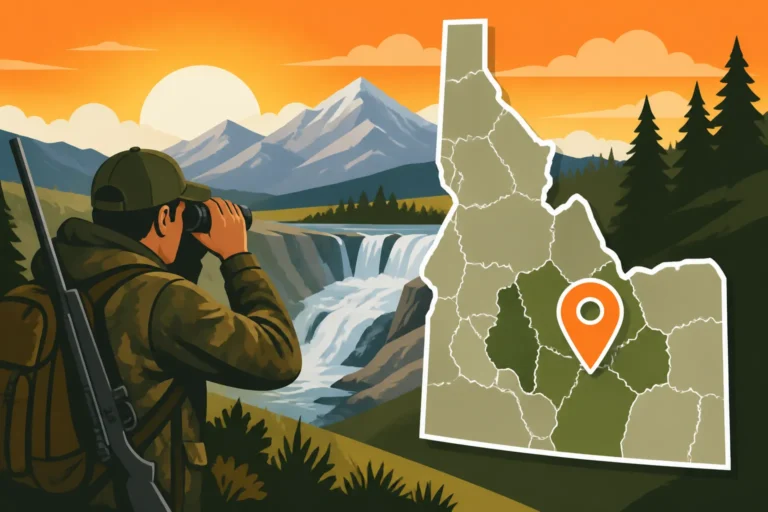
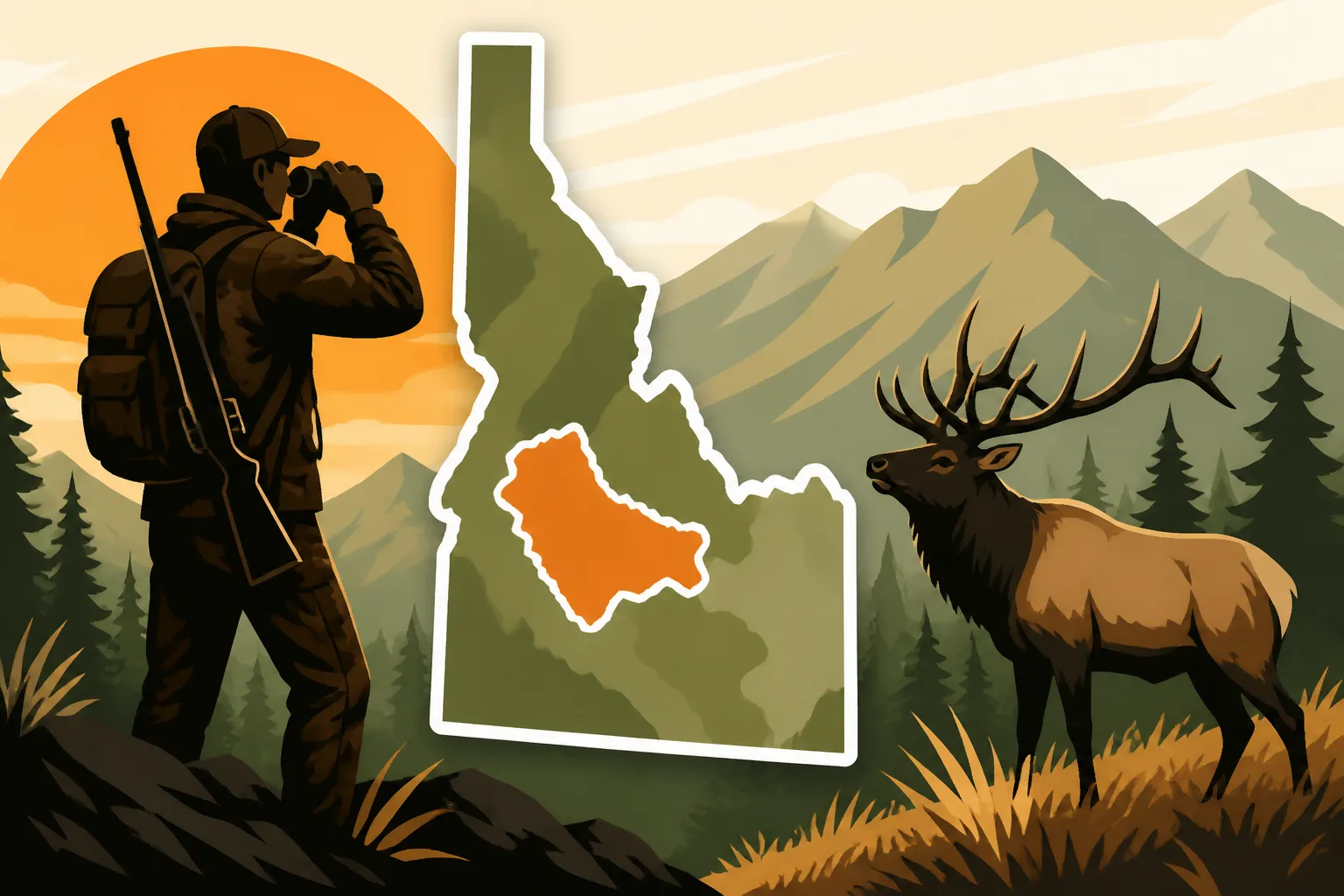
Imagine a vast expanse of steep, timbered ridges, deep canyons carved by wild rivers, and high alpine basins – that’s the Gospel-Hump. Bordered by the Salmon River to the south and the Clearwater River country to the north, this wilderness is defined by its rugged, unforgiving topography. Elevations vary dramatically, from river breaks at a few thousand feet to peaks soaring over 8,000 feet. The sheer scale means that even getting to a good hunting spot often involves significant vertical gain and loss, sometimes several times a day. You'll encounter dense stands of timber, rocky scree slopes, and brushy drainages that can feel impenetrable. Rivers and creeks crisscross the landscape, presenting potential barriers, especially during early season thaws or heavy rains. This isn't a place for casual day hikes; it demands serious physical conditioning and a robust understanding of mountain travel.
Wilderness Designation and Its Impact on Hunting
The "wilderness" designation isn't just a pretty name; it carries strict regulations designed to preserve its primitive character. For hunters, the most significant rule is the prohibition of motorized vehicles and mechanical transport. This means no ATVs, no e-bikes, and no mountain bikes – once you leave the established trailheads, it's foot traffic or traditional pack stock only. Even using a wheeled game cart to retrieve an animal is generally prohibited within wilderness boundaries, so you need to be prepared to pack everything out on your back or with horses/mules. This commitment to non-mechanized travel is a huge part of the challenge and appeal of the Gospel-Hump, ensuring a truly wild experience.
Another critical point, especially for nonresidents, involves guided hunts. If you're a nonresident planning to hunt certain big game species like elk, bighorn sheep, or mountain goat within the Gospel-Hump Wilderness, Idaho state law requires you to hire a licensed outfitter or guide. This rule doesn't apply to deer or bear, and residents are generally exempt. Understanding Which Species Trigger Idaho's Wilderness Guide Rule is paramount for nonresidents to avoid legal issues. This requirement is in place to ensure ethical hunting practices and to manage the impact on these pristine areas. For some, this rule can be a significant cost consideration, while for others, it's a valuable way to access the wilderness with experienced professionals.
Key Access Considerations for Hunters
Accessing the Gospel-Hump is less about finding a paved road and more about strategic planning. First and foremost, self-reliance is key. There's no cell service, minimal signage once you're deep inside, and help is often days away. Your initial planning should involve a deep dive into maps, satellite imagery, and potentially talking to local Idaho Fish and Game personnel or seasoned hunters. Knowing the unit boundaries and regulations is critical. You can get a good start by using resources like The Idaho Hunt Planner Is the Tool to Start With, which offers an invaluable map center to scout potential entry points and terrain.
Furthermore, physical conditioning isn't just a suggestion; it's a requirement. The terrain will test your endurance, strength, and mental fortitude. Long days of hiking with a heavy pack, often off-trail through thick brush or over downed timber, are the norm. Your gear needs to be top-notch – lightweight, durable, and reliable – because a gear failure deep in the wilderness can quickly turn a hunt into a survival situation. Remember, you'll also need to consider how to transport all your gear in and then, hopefully, your animal out. This is where options like pack stock (horses or mules) become incredibly appealing for many hunters, allowing them to carry more supplies and larger game. Learning about Pack Stock Rules Inside Designated Wilderness is essential if you plan to go this route.
Primary Access Points to the Gospel-Hump Wilderness
Getting into the Gospel-Hump isn't like driving up to a trailhead in a national park. It requires commitment, often involving long drives on rough forest roads followed by even longer treks. But the challenge is part of the reward.
Trailheads for Foot and Horseback Entry
Most hunters entering the Gospel-Hump Wilderness do so via designated trailheads that penetrate its vast boundaries. These trailheads are often found along the edges of the surrounding national forests, such as the Nez Perce-Clearwater National Forest. Some common entry points might be found south of the town of Grangeville, along the Magruder Corridor (a lengthy, often challenging dirt road), or along the Salmon River breaks. The drive to these trailheads can be substantial, sometimes taking several hours on rough, unpaved roads after leaving the highway. You might encounter washouts, downed trees, or active logging operations, so always check road conditions with the Forest Service before heading out.
Once you hit the trail, don't expect a smooth, groomed path. Wilderness trails can be rugged, steep, and sometimes overgrown, especially in areas with less traffic. You might find yourself crossing countless drainages, navigating switchbacks that climb thousands of feet, or picking your way through rocky sections. This is where modern navigational tools really shine. Apps like onX Hunt are indispensable for showing detailed topographic maps, private land boundaries (if you're on the edge), and even marking campsites or water sources. GoHunt also offers robust mapping features that can help with pre-hunt scouting and identifying potential game corridors. Downloading offline maps to your device is absolutely crucial, as cell service will be non-existent. These trails are suitable for both backpack hunters and those using horses or mules. If you're using pack stock, ensure your animals are in good shape and accustomed to steep, rocky terrain, and that you're well-versed in wilderness horsemanship.
River Access: Jet Boats and Rafting
The Salmon River forms a significant portion of the southern boundary of the Gospel-Hump Wilderness. For some hunters, especially those targeting river breaks or lower elevations, jet boat access can be a viable (though often expensive) option. Outfitters with special use permits operate jet boats on certain stretches of the Salmon River, capable of dropping hunters off at designated points along the riverbanks. From these drop-off points, hunters then pack up into the wilderness area. This method can save days of arduous hiking, but it still requires the ability to climb steep, often brushy, canyon walls from the river level. Understanding Jet Boat Access Up the Salmon River will give you a better idea of what this entails.
Similarly, float trips down the Salmon or Selway rivers can also provide access. Hunters float downstream, often with an outfitter, and then hike into the wilderness from the river's edge. This combines a scenic river experience with a hunting adventure, but like jet boat access, it often comes with a significant price tag and the need for substantial planning. It's important to remember that while the river itself might allow motorized or float craft, once you step onto wilderness land, all mechanical transport rules apply. You're still packing out your animal on your back or with traditional stock.
Backcountry Airstrips: A Niche Option
For the truly adventurous and well-resourced, a handful of designated backcountry airstrips exist within or adjacent to the Gospel-Hump Wilderness. These are rudimentary dirt or gravel strips, often short, narrow, and perched on a ridge or tucked into a canyon bottom. Accessing the wilderness via a bush plane is an incredible experience, but it's not for the faint of heart. It requires hiring a specialized bush pilot service, which typically means a significant financial investment. The planes are small, and cargo space is limited, so you'll need to be incredibly efficient with your gear packing.
Flying into a backcountry strip essentially puts you deep into the wilderness quickly, allowing you to bypass days of hiking. However, it also means you are really in the wilderness. You are completely reliant on your pilot for pick-up, and weather can delay or cancel flights for days. Plus, you still have the formidable task of hunting, harvesting, and then breaking down and packing your animal back to the airstrip for transport out. Learning about Flying Into an Idaho Backcountry Strip to Hunt offers more insight into this unique and challenging mode of access. This option is often used by those pursuing extended hunts or targeting specific, hard-to-reach areas.
| Access Method | Typical Cost | Physical Effort | Primary Advantage | Disadvantage | Game Type Often Pursued |
|---|---|---|---|---|---|
| Trailhead (Foot) | Low | Very High | Most common, self-reliant | Max physical demand, slow | Elk, Mule Deer, Bear |
| Trailhead (Pack Stock) | Medium-High | High | More gear/game capacity | Requires animal care/skill | Elk, Mule Deer, Bear |
| River (Jet Boat) | High | Medium-High | Quick access to lower country | Expensive, limited drop points | Elk, Bear (river breaks) |
| River (Float Trip) | High | Medium-High | Scenic, unique experience | Expensive, slower than jet boat | Elk, Bear (river breaks) |
| Backcountry Airstrip | Very High | Medium | Fastest deep penetration | Most expensive, weather dependent | Elk, Mule Deer, Bear |
Planning Your Hunt in the Gospel-Hump Wilderness
A successful hunt in the Gospel-Hump hinges on meticulous planning, not just physical prowess. You can be the strongest hiker, but without a solid plan, the wilderness will quickly chew you up and spit you out.
Navigational Tools and Mapping
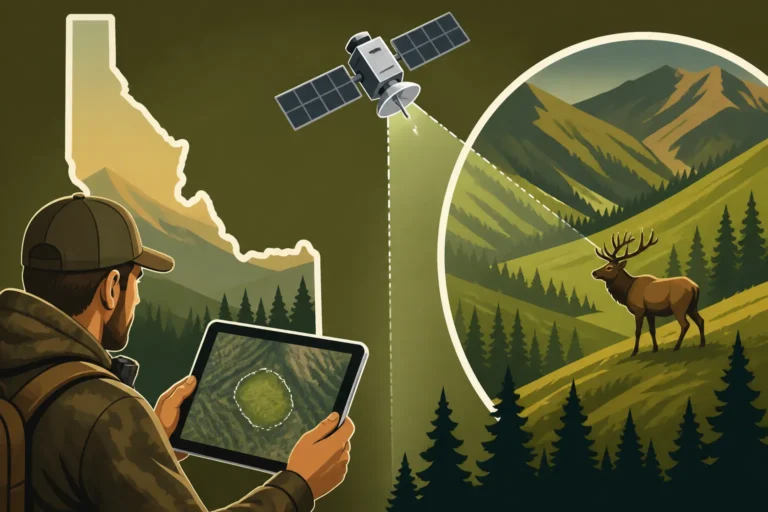
Reliable navigation is non-negotiable in the Gospel-Hump. GPS devices, paired with detailed topographic maps (both paper and digital), are your lifeblood. Apps like onX Hunt and GoHunt have revolutionized backcountry navigation by putting incredible detail right on your phone or tablet. You can see terrain contours, water sources, potential game trails, and critical land ownership layers, which is crucial if you're hunting near the wilderness boundary where it might butt up against other public or even private ground. Always download your maps for offline use before you lose service, and carry backup batteries or a portable charger. I also highly recommend carrying physical paper maps and a compass, and knowing how to use them, as electronic devices can fail due to cold, moisture, or impact.
Before you leave home, spend hours poring over these maps. Identify potential travel corridors, escape routes, water sources, and likely bedding or feeding areas for your target species. Pay attention to elevation changes and judge the actual distance you'll be covering, rather than just the straight-line mileage. Understanding Reading a Land Ownership Layer Correctly is crucial for ensuring you stay on public land, especially if you're approaching the wilderness from an area with mixed ownership.
Physical Preparation and Gear Requirements
Let's be blunt: the Gospel-Hump will kick your butt if you're not ready. Preparing for a hunt here means months of dedicated physical training. Focus on hiking with a heavy pack, doing hill repeats, and building core strength and endurance. You need to be able to hike all day with a 40-50 pound pack, climb steep slopes, and still have enough left in the tank to safely stalk an animal or pack out meat. Seriously consider if you are truly ready for this level of exertion. If you're looking for more guidance, the article on Physical Conditioning for Idaho Backcountry offers great advice on getting yourself into shape for these demanding hunts.
Your gear list should prioritize durability, weight, and multi-functionality. A robust internal or external frame pack is essential, not just for carrying your camp, but for packing out heavy meat. Quality waterproof-breathable layers are crucial for Idaho's unpredictable mountain weather, which can go from sunny to snowy in a matter of hours. A reliable shelter that can withstand high winds and heavy precipitation, a warm sleeping system, and a dependable water filtration system are all non-negotiables. Don't forget a comprehensive first-aid kit, a headlamp with extra batteries, fire-starting supplies, and communication devices like a satellite messenger (Garmin InReach, Zoleo) for emergencies. Given the presence of bears, including grizzlies in some adjacent areas, carrying bear spray and knowing how to use it is a smart precaution. More details on Bear Safety Practices in an Outfitter Camp can provide important context for wildlife encounters.
Essential Regulations and Permitting
Beyond the general Idaho hunting regulations, specific rules apply within the Gospel-Hump Wilderness. As mentioned, nonresidents hunting certain species will need to engage a licensed outfitter. But even for residents or those hunting exempt species, understanding the specific unit regulations for your chosen hunting unit is key. This includes season dates, weapon restrictions, bag limits, and any antler point restrictions for deer or elk. Always check the current year's Idaho Fish and Game regulations brochure before you go, as rules can change annually. The Using the Idaho Hunt Planner Map Center is an excellent resource for finding unit-specific information, harvest statistics, and drawing odds.
While no special permit is typically required just to enter the wilderness for general recreation, specific hunting tags are always necessary. Ensure you have the correct tags for the species, unit, and season you plan to hunt. If you're using pack stock, be aware of any regulations regarding weed-free feed. Leave No Trace principles are also paramount: pack out everything you pack in, minimize your impact on the land, and properly dispose of human waste. Respecting the wilderness ethos is part of the privilege of hunting in such a special place.
Navigating the Challenges of Wilderness Hunting
The Gospel-Hump offers incredible rewards, but those rewards are earned through perseverance in the face of significant challenges. This isn't just about finding an animal; it's about successfully executing every step of the hunt, from approach to extraction.
Dealing with Rugged Terrain and Weather
Hunting in the Gospel-Hump means embracing the wild, and that includes dealing with terrain and weather that can be formidable. You'll encounter slopes so steep they feel vertical, dense stands of timber where visibility is limited to mere yards, and creek crossings that can be treacherous, especially in high water. Always assume the weather can change drastically and without warning. A warm, sunny morning can quickly give way to freezing rain or snow, even in early fall. Being prepared for all four seasons in a single day is not an exaggeration. Layered clothing is your best friend, allowing you to adapt to fluctuating temperatures and exertion levels.
Navigating through this complex terrain requires constant attention. Rely on your map and GPS, frequently checking your position to ensure you stay on course. It's incredibly easy to get turned around in thick timber or fog. Always have an emergency plan, including what you'll do if you or a partner gets injured, lost, or caught in severe weather. The sheer remoteness means that self-rescue or waiting for external help can be a multi-day ordeal. Setting up a comfortable, weather-proof camp that can serve as a base of operations is crucial for maintaining morale and safety.
Wildlife Encounters and Safety
The Gospel-Hump Wilderness is home to a diverse array of wildlife, and while many encounters are thrilling, some require caution. Both black bears and grizzly bears inhabit parts of Idaho's backcountry, and while grizzlies are more prevalent in the Yellowstone ecosystem, it's wise to be bear-aware throughout the state's remote areas. Proper food storage (hanging food, using bear canisters, or electric fences) is essential to avoid attracting bears to your camp. Carrying bear spray and knowing how to use it can be a lifesaver in a close encounter. Mountain lions are also present, though rarely seen. Keeping a clean camp and being aware of your surroundings are good practices.
Beyond predators, be mindful of other potential wildlife interactions. You might stumble upon a bull elk bedded in thick timber, or a mule deer buck disappear over a ridge before you even get a shot off. Respecting wildlife space and understanding their behavior will enhance your experience and keep you safer. Always make noise when moving through dense cover to avoid surprising an animal, especially bears. Having a solid understanding of Wilderness First Aid on a Guided Hunt (even if you're not on a guided hunt) can give you important skills for handling unexpected injuries or animal encounters.
Packing Out Game from Remote Areas
This is arguably the biggest challenge of wilderness hunting. Harvesting an animal deep in the Gospel-Hump is only half the battle; the other half is getting that meat and trophy out. For a large animal like an elk, this means multiple heavy loads packed out over rugged, steep terrain. It's physically grueling work that can take days, even with a strong partner. Many hunters opt to debone their animal in the field to reduce weight and make the meat easier to pack. Quality game bags are essential to protect the meat from dirt and flies.
Having a clear strategy for packing out before you even pull the trigger is crucial. Will you quarter the animal and make multiple trips? Do you have enough partners to share the load? If you're using pack stock, do you have a plan for getting the meat to your horses or mules? Don't underestimate the sheer physical and mental effort involved. Many a hunter has made a successful kill only to be humbled by the packing job. Reading about Packing an Elk Out of Steep Country Alone can give you an appreciation for the magnitude of the task, even if you plan to hunt with a partner. This is where fitness, reliable gear, and a strong will truly come into play.
Disclaimer
This article is for general informational purposes only and does not constitute professional advice. Laws, prices and regulations vary by location and change over time. Consult a qualified professional for guidance on your specific situation.