Deer and Bear Escape Idaho’s Wilderness Guide Rule
Non-resident deer and bear hunting in Idaho wilderness areas requires no licensed outfitter or guide for DIY backcountry trips.

Non-resident deer and bear hunting in Idaho wilderness areas requires no licensed outfitter or guide for DIY backcountry trips.
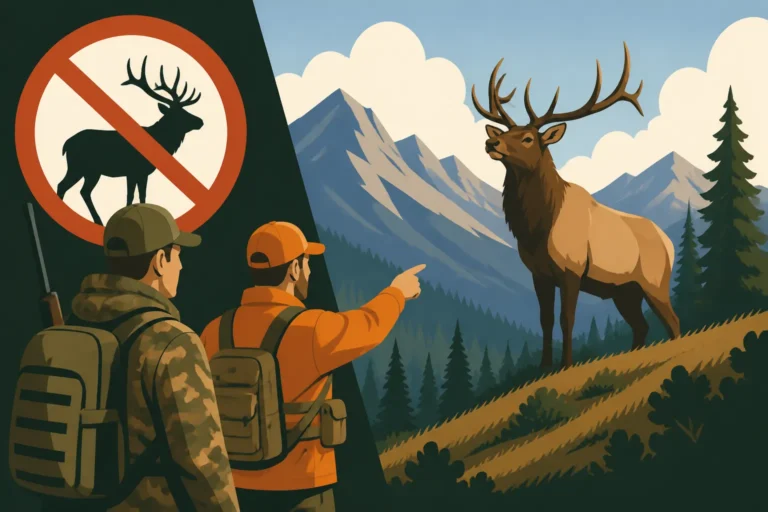
Idaho’s nonresident wilderness guide rule requires out-of-state hunters to hire licensed guides for specific backcountry elk hunts.
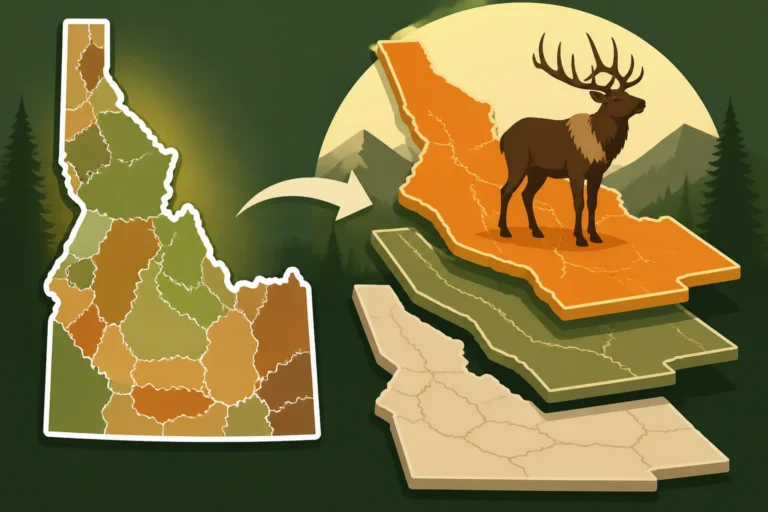
Idaho elk zones overlay game management units to determine A and B tags, weapon choices, and general season structures for hunters.
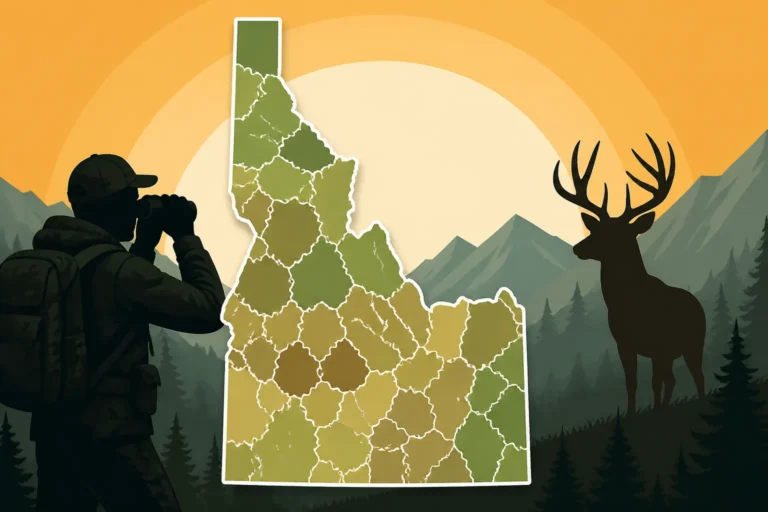
Idaho contains 99 Game Management Units that dictate specific hunting regulations, seasons, and weapon restrictions for deer and elk.
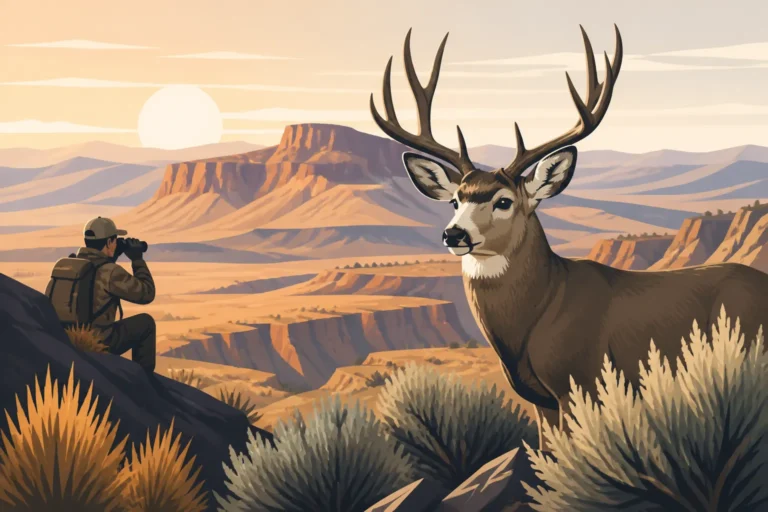
Idaho mule deer habitats, including high desert sagebrush and steep canyon breaks, mapped through seasonal migration corridors.

Large elk populations, vast public land and ecosystems from dense timber to high desert make Idaho a top elk state, though licenses and zones add complexity.

Nonresident Idaho elk hunting costs start at $836.75, detailing mandatory license fees, tag prices, and controlled hunt applications.
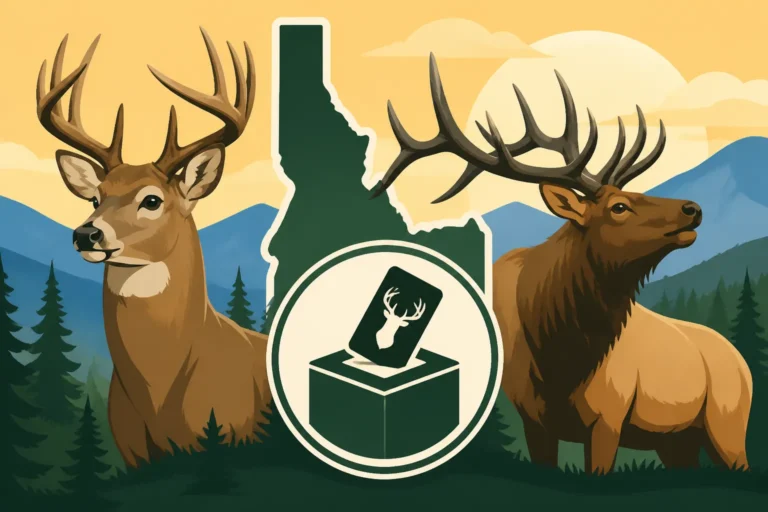
Idaho nonresident deer and elk tags shift from first-come sales to a controlled draw starting in 2026, ending December digital rushes.
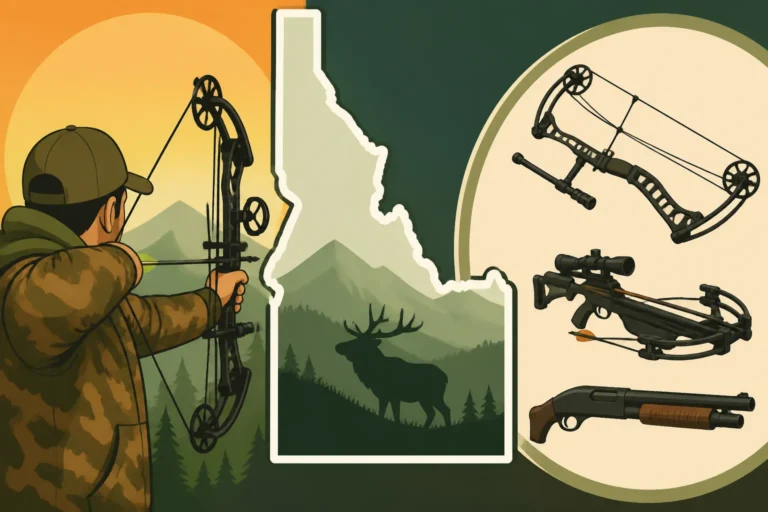
Idaho hunting regulations define short-range weapons used by the Idaho Department of Fish and Game to manage specific game units.
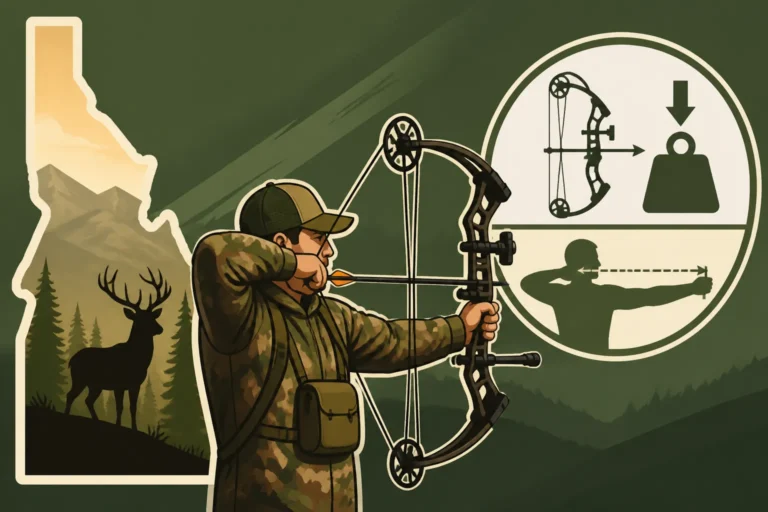
Idaho big game bowhunters must meet a minimum draw weight of forty pounds measured at a twenty-eight-inch draw for deer and elk.
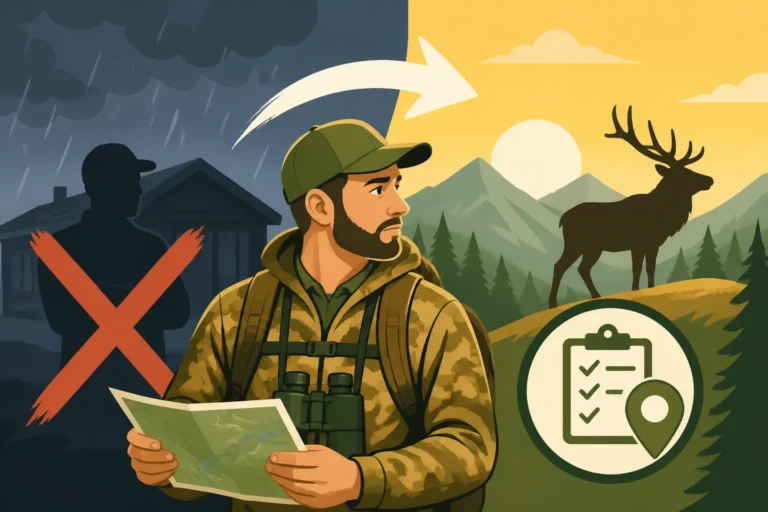
Idaho hunt cancellations require immediate action, refunds, rescheduling, and steps to protect future bookings.
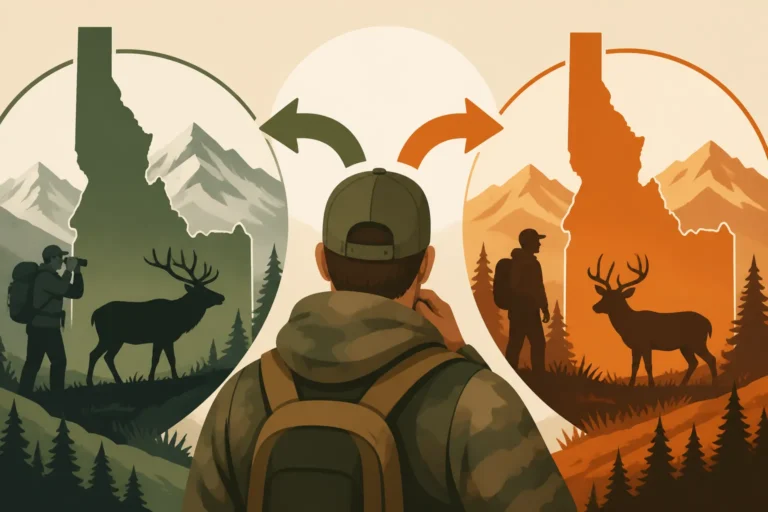
Comparing two Idaho hunting outfitters involves verifying licenses with the state board, checking reviews, and matching hunt offerings.
The Idaho outfitter annual license renewal deadline ensures legal operation and protects hunting businesses from hefty fines.
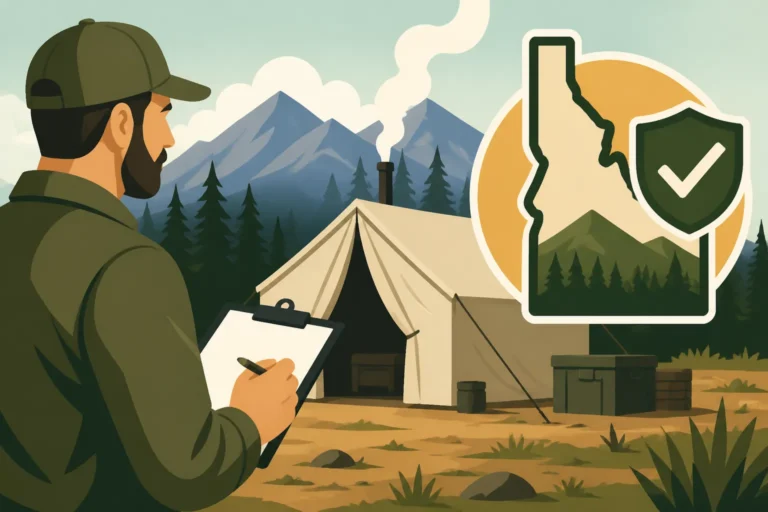
Idaho outfitter camp inspection requirements ensure client safety, proper food storage, environmental stewardship, and professional standards for hunters.
Idaho outfitter employee licensing rules explain how guides operate under master permits and state legal frameworks.
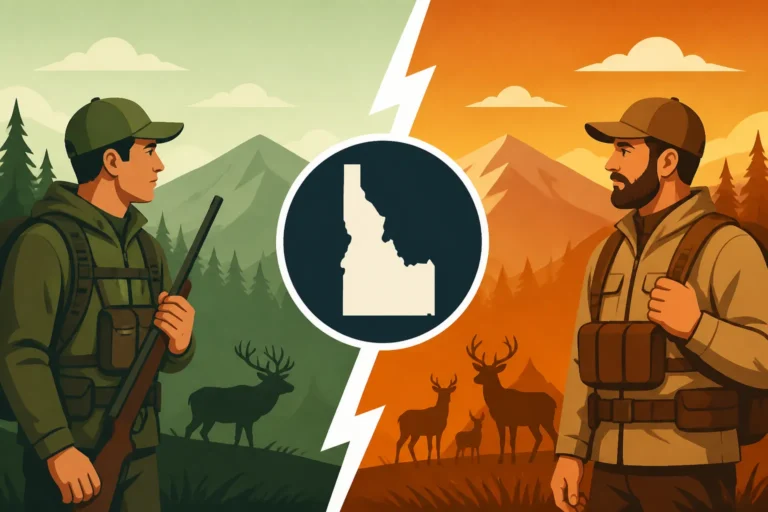
Idaho guide and outfitter licenses define distinct legal roles for managing commercial hunts and public land access.
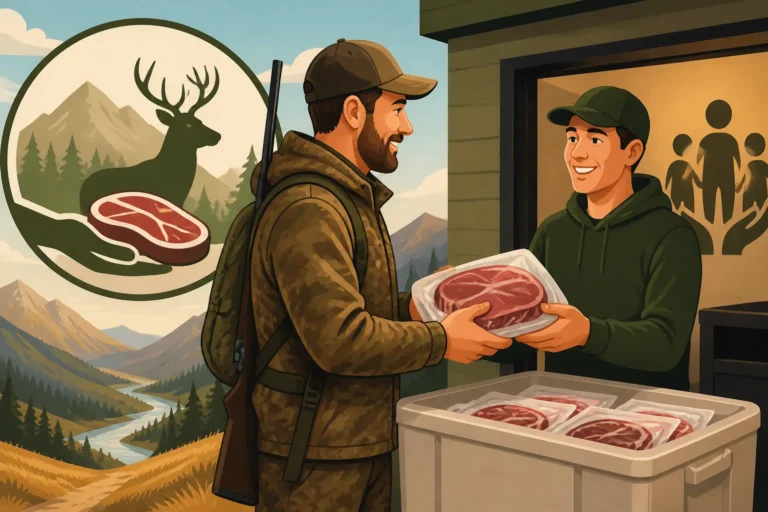
Idaho hunting regulations and food bank options help hunters legally donate excess game meat to local charities.
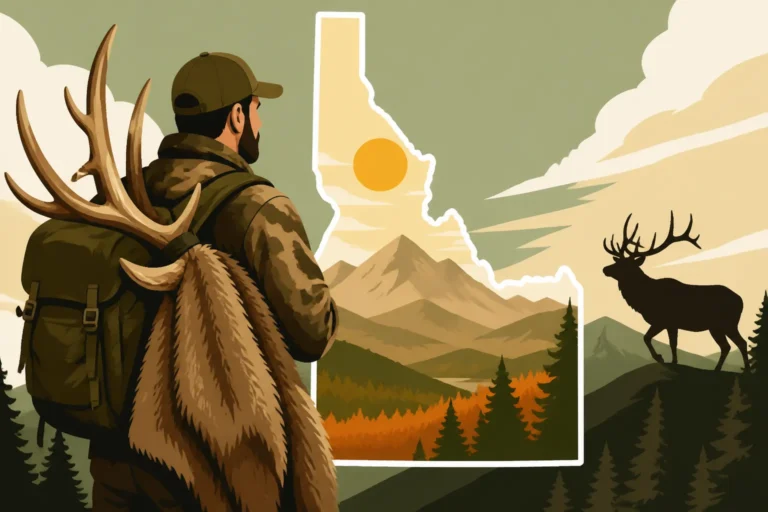
Proper field care, salting steps, and skull cleaning methods ensure safe transport for hunting capes and antlers from Idaho.
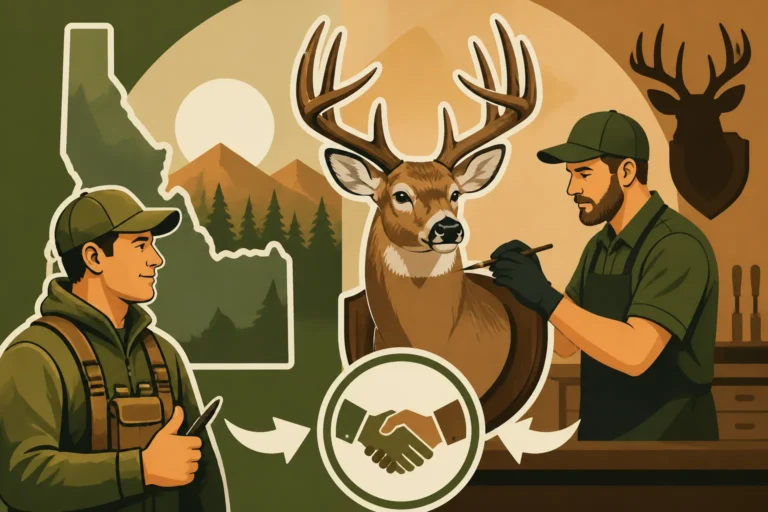
Idaho outfitters help hunters find reputable taxidermists and manage field care, transport logistics, and trophy preservation.
Liability waivers for Idaho guided hunts protect outfitters from lawsuits while acknowledging the inherent risks of hunting.