Physical Conditioning for Idaho Backcountry
Idaho's backcountry isn't just another hunting ground; it's a magnificent, brutal arena that will test every fiber of your being. Many hunters dream of chasing elk or mule deer through those rugged mountains, only to find themselves gasping for air on the first steep climb, realizing too late that the physical demands are far greater than they anticipated. This guide is here to walk you through exactly why a serious focus on physical conditioning is absolutely critical for an Idaho backcountry hunt and how to build a realistic training plan to meet that challenge head-on.
Why Idaho's Backcountry Demands Peak Physicality
Let's be real: those stunning photos of vast Idaho wilderness often don't convey the sheer effort it takes to navigate them. It’s not just about walking a few miles; it’s about conquering relentless elevation gains, navigating unstable terrain, and doing it all while carrying substantial weight, day after grueling day. Ignoring the physical preparation means risking not only your hunt's success but also your safety and enjoyment.
The Relentless Nature of Idaho's Terrain and Elevation
Imagine staring up at a ridge, hundreds, sometimes thousands of feet above you, knowing that's where the elk are bedding. Now imagine doing that for four, five, or even ten days straight. Idaho's backcountry isn't gently rolling hills. It's steep, often loose-rocked, timbered mountainsides that demand constant effort. Every step can be a challenge, whether it's clambering over downed timber, traversing scree slopes, or picking your way through thick brush. The cumulative effect of these repeated climbs and descents wears you down in a way that flatland hiking simply doesn't. You need the lung capacity to keep pushing when your body is screaming for a break, and the leg strength to maintain stability on uneven ground. Reading Terrain Before You Pick a Camp means understanding these physical challenges before you even arrive.
Carrying Heavy Loads Over Long Distances
This is where the rubber truly meets the road. Even if you manage to reach your dream bull, the work has only just begun. You'll be packing out hundreds of pounds of meat, bone, and hide, often over several trips, through the very same unforgiving terrain you just conquered. A typical elk quarter alone can weigh 70-100 pounds, and you might be carrying two of those, plus your rifle, water, and gear. This isn't just about strength; it's about core stability, muscular endurance, and mental fortitude. A lack of conditioning here can lead to crippling fatigue, increased risk of injury, and a miserable pack out that could take days longer than it should. You might find yourself searching for outfitters on platforms like BookYourHunt who specialize in pack-out services if you're not prepared, which can add significant cost and complexity to your hunt. Packing an Elk Out of Steep Country Alone is a monumental task that requires serious preparation.
The Impact of Altitude on Performance
For many hunters coming from lower elevations, the Idaho mountains present an additional, invisible challenge: altitude. While not as extreme as some ranges further south, many prime hunting areas in Idaho sit well above 5,000 feet, with some reaching 9,000 feet or higher. Less oxygen means your body has to work harder for every breath, and activities that feel easy at sea level become incredibly taxing. You'll notice it in your breathing, your recovery time, and your overall energy levels. Headaches, dizziness, and nausea are common symptoms of altitude sickness that can severely impact your hunt. Understanding how to manage and prepare for this reduced oxygen environment is crucial. Preparing for Elevation on an Idaho Hunt is a topic often overlooked until it's too late.
Components of a Backcountry Hunter's Fitness Plan
A successful backcountry hunter's fitness plan isn't about looking good at the gym; it's about building functional strength, unwavering endurance, and a mental toughness that can push you through adversity. It's a holistic approach that mirrors the multifaceted demands of the hunt itself.
Cardiovascular Endurance: Breathing Easy When It Matters Most
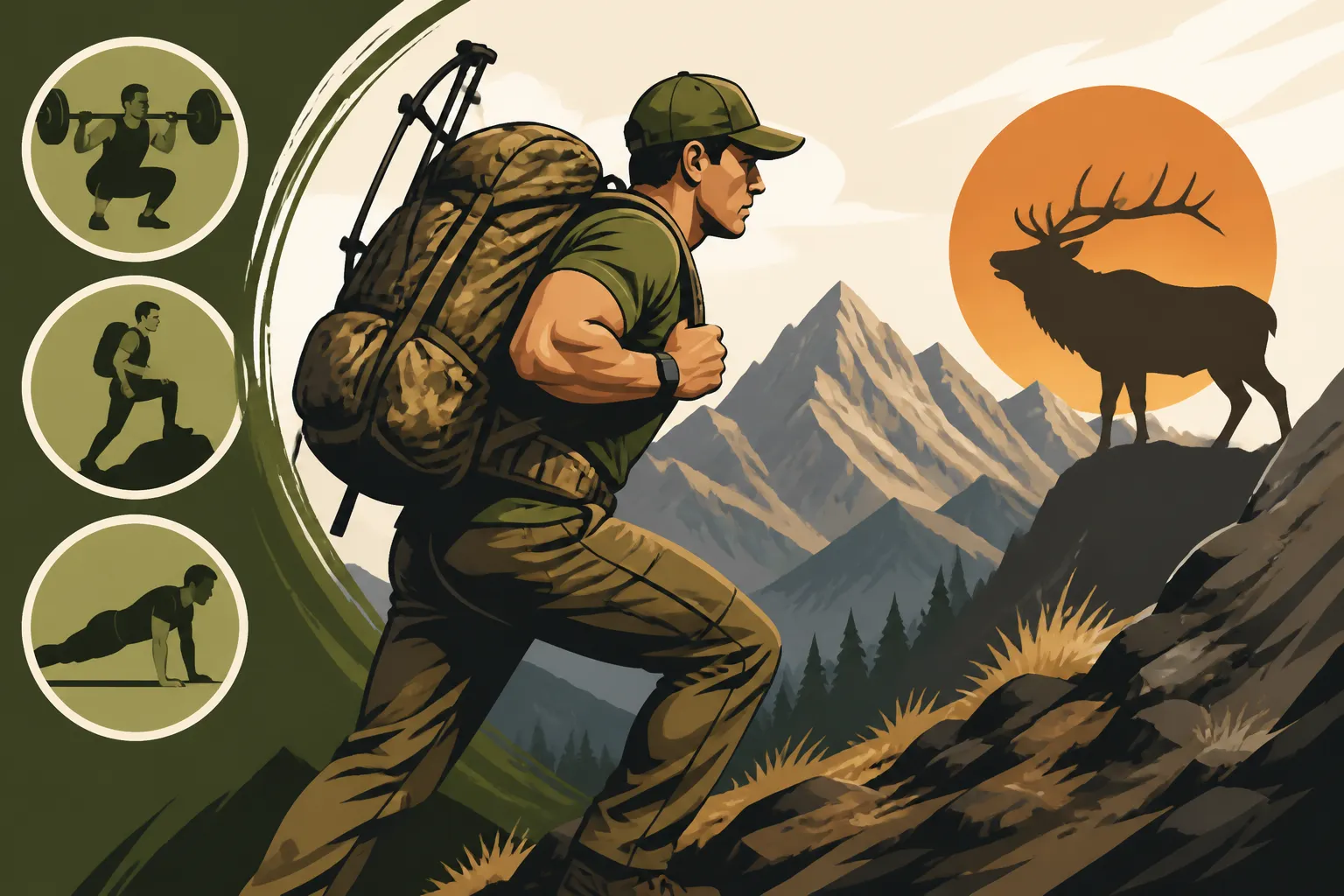
This is your engine for those long days on the mountain. You need to train your heart and lungs to deliver oxygen efficiently, even under duress. Think about sustained efforts rather than short bursts. Hiking with a pack, stair climbing, running, or cycling are all excellent choices. The key is to simulate the continuous effort required to navigate steep climbs and cover many miles. Don't just go for a leisurely stroll; push yourself to maintain a high heart rate for extended periods. This endurance will not only help you reach your hunting grounds but also give you the stamina to stalk game all day and still have enough left in the tank for the pack out.
Strength Training: Functional Power for the Mountain
Forget the bicep curls and mirror muscles. Backcountry hunting demands practical, functional strength. Your legs, core, and back are your primary movers. Incorporate exercises like squats, lunges, deadlifts, step-ups, and farmer's carries. Focus on compound movements that work multiple muscle groups simultaneously, mimicking the real-world movements of lifting a heavy pack or scrambling up a rock face. Strong glutes, quads, hamstrings, and a solid core will prevent injury, improve balance, and provide the power needed for those steep ascents and heavy pack outs. A strong back is also critical for carrying substantial weight without breaking down.
Muscular Endurance: Going the Distance Day After Day
This is where cardiovascular endurance meets strength. It's not enough to be strong for one big lift; you need to be able to repeat those efforts hour after hour, day after day. Long, sustained hikes with a progressively heavier pack are the best way to build this. Start with a lighter pack (20-30 lbs) and gradually increase the weight (up to 50-70 lbs) as your hunt approaches. Find the steepest hills or stairs you can and pound them out. This will simulate the sustained effort of a long climb or a multi-day pack out, ensuring your muscles don't fail you when you're deep in the wilderness.
Flexibility and Mobility: Preventing Injury and Moving Freely
Don't underestimate the importance of being limber. Hunting involves awkward positions, climbing over obstacles, and navigating uneven terrain. Good flexibility and mobility in your hips, knees, and ankles can prevent sprains, strains, and overall stiffness. Incorporate dynamic stretches before your workouts and static stretches afterward. Yoga or Pilates can be incredibly beneficial for improving overall body awareness, balance, and range of motion. A mobile body is a resilient body, less prone to injury when you're far from any help.
Here's a quick overview of how these components work together:
| Fitness Component | Primary Benefit for Backcountry Hunting | Example Exercises |
|---|---|---|
| Cardiovascular Endurance | Sustained effort on climbs, long stalks, quick recovery | Uphill hiking with pack, running, stair climbing, cycling, rucking |
| Strength Training | Power for lifting heavy loads, stable footing on uneven ground | Squats, deadlifts, lunges, step-ups, farmer's carries, pull-ups |
| Muscular Endurance | Ability to perform repeated efforts day after day | Long-distance hikes with heavy pack, circuit training with moderate weights |
| Flexibility & Mobility | Injury prevention, efficient movement, reduced stiffness | Yoga, dynamic stretching, foam rolling, hip/ankle mobility drills |
| Mental Toughness | Pushing through fatigue, discomfort, and adversity | Simulating hunt conditions, embracing challenging workouts, setting small goals |
Building Your Training Regimen
Getting ready for an Idaho backcountry hunt isn't something you can cram in two weeks before opening day. It's a long-term commitment that requires consistency, progressive overload, and a realistic understanding of your own starting point.
The Importance of a Gradual, Progressive Plan
Start early, ideally 4-6 months out from your hunt. Begin with your current fitness level and slowly increase the intensity, duration, and weight over time. This concept, known as progressive overload, is crucial for building strength and endurance safely and effectively. Trying to do too much too soon is a recipe for injury and burnout. If you're currently sedentary, start with daily walks and light bodyweight exercises. If you're already active, integrate harder hikes with a pack. Listen to your body, schedule rest days, and don't be afraid to adjust your plan as needed. Resources like GoHunt often have articles and tools that can help you plan your fitness around specific hunt types.
Integrating Pack Training and Uphill Workouts
This cannot be stressed enough: hike with a heavy pack. This is the most specific training you can do for a backcountry hunt. Start with a comfortable backpack and 15-20 pounds of weight (sandbags, water bottles, even bricks wrapped in towels). Find the steepest trails or hills in your area and hike them. Gradually increase the weight in your pack and the distance/duration of your hikes. Aim to be comfortable hiking for several hours with 40-50 pounds on your back. If you don't have hills, use a stair climber or even walk stadium stairs. The goal is to condition your body to the sustained effort of carrying weight uphill. Think of it as rehearsing for the real deal.
Nutrition and Hydration: Fueling Your Mountain Machine
Your body is a machine, and it needs proper fuel to perform. Leading up to your hunt, focus on a balanced diet rich in lean protein, complex carbohydrates, and healthy fats. Minimize processed foods and excessive sugars. During your training, pay close attention to hydration. Drink plenty of water throughout the day, not just during workouts. On the hunt, this becomes even more critical. Dehydration can exacerbate altitude sickness, reduce energy levels, and impair decision-making. Plan your hunt nutrition to be calorie-dense, easy to digest, and sustainable for multiple days in the field.
Mental Toughness and Realistic Expectations
Beyond the physical, backcountry hunting is a profound mental challenge. There will be moments of extreme fatigue, discomfort, and doubt. Training your mind to push through these moments is just as important as training your body. Embrace challenging workouts, visualize yourself succeeding on the mountain, and practice problem-solving under duress. Understand that not every day will be glorious, and setbacks are part of the journey. Acknowledge that you might not tag out, but the experience itself is a victory. Having a realistic expectation of the effort required and accepting the grind will go a long way in ensuring a positive experience, even when things get tough. Reading Fresh Elk Sign in Dark Timber will seem a lot harder when your body and mind are completely drained.
Addressing Common Challenges and Mistakes
Even with the best intentions, hunters often run into snags during their preparation or on the hunt itself. Anticipating these and having a plan can make all the difference.
Acclimatization Strategies for Altitude
If you're coming from sea level, arriving a few days early to a higher elevation town near your hunting unit can be incredibly beneficial. This allows your body some time to begin acclimatizing to the lower oxygen levels. During this time, take it easy. Stay hydrated, avoid alcohol, and don't attempt strenuous activities. On the hunt, manage your pace, especially on the first day or two. Go slower than you think you need to, take frequent breaks, and stay hydrated. Symptoms of altitude sickness can range from mild headaches to severe, life-threatening conditions. Be aware of the signs and be prepared to descend if necessary. You might consider looking into units at slightly lower elevations, which you can often scout using detailed mapping features found on sites like GoHunt.
Injury Prevention and Recovery
The last thing you want is a preventable injury sidelining you before or during your hunt. Proper form during strength training, adequate warm-ups and cool-downs, and incorporating flexibility work are paramount. Invest in good quality hiking boots and break them in thoroughly before your hunt to prevent blisters and ankle issues. During the hunt, pay attention to your body. Don't ignore persistent pain. Carry a well-stocked first-aid kit, and know how to use it for common backcountry ailments like blisters, sprains, and cuts. Adequate sleep is also a critical, often overlooked, component of recovery and injury prevention, both during training and on the hunt.
Gear Considerations That Support Your Conditioning
Your gear can either help or hinder your physical performance. Every ounce counts in the backcountry. Invest in lightweight, durable gear for your backpack, tent, sleeping system, and cooking setup. Ensure your clothing layers are appropriate for rapidly changing mountain weather, allowing you to regulate your body temperature without carrying excessive weight. A well-fitting backpack that properly distributes weight to your hips, rather than your shoulders, is non-negotiable for comfort and injury prevention. Even small choices, like fixed blade against mechanical broadheads on elk, can add or subtract from your overall pack weight if you're an archery hunter. Don't overlook the importance of trekking poles; they can save your knees on descents and provide stability on tricky terrain, effectively reducing the strain on your body.
Disclaimer
This article is for general informational purposes only and does not constitute professional advice. Laws, prices and regulations vary by location and change over time. Consult a qualified professional for guidance on your specific situation.