Selway-Bitterroot Wilderness Access in Idaho
The Selway-Bitterroot Wilderness in Idaho is a name that conjures images of rugged beauty, untamed landscapes, and perhaps, a touch of intimidation for many hunters. This vast, roadless expanse can feel like an impenetrable fortress, making the dream of a true backcountry hunt seem out of reach. But with the right knowledge and preparation, navigating and hunting this incredible wildland becomes a tangible goal, and this guide is here to unravel the complexities of accessing this iconic Idaho wilderness.
Understanding the Selway-Bitterroot Wilderness
The Selway-Bitterroot Wilderness is a behemoth, straddling the border of Idaho and Montana, covering over 1.3 million acres. For many, its sheer scale is the first barrier to overcome—it’s not just a big chunk of public land; it’s an ecosystem largely untouched by modern infrastructure, defined by towering peaks, deep canyons, and dense forests. Understanding its fundamental nature is the first step toward planning a successful hunt.
What Makes the Selway-Bitterroot Unique?
This wilderness area isn't just large; it's profoundly remote and rugged. You'll find elevation changes that humble even seasoned mountain athletes, rivers that carve deep gorges, and timber so thick you might think the sun never touches the forest floor. This extreme topography means that simply "walking in" isn't always a straightforward affair. Wildlife, particularly elk and mule deer, thrive in these conditions, often residing in areas that require significant effort to reach. The remoteness also means fewer human encounters, offering a truly wild hunting experience, but it also amplifies the need for self-reliance and meticulous planning. It's a place where you're truly accountable for your own safety and success, far from the conveniences of the front country.
The Wilderness Act and What It Means for Hunters
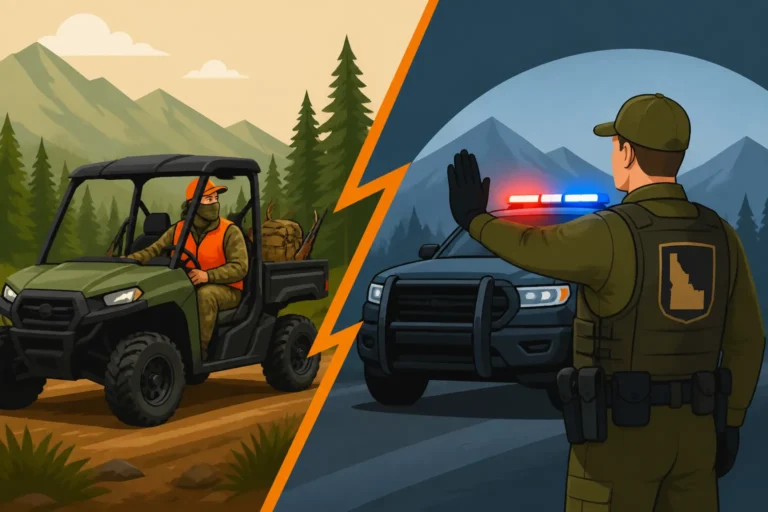
The Selway-Bitterroot, like all designated wilderness areas, is governed by the Wilderness Act. This legislation is a cornerstone of American conservation, and it dictates what you can and cannot do within these boundaries. The most significant rule for hunters is the prohibition of motorized and mechanized equipment. This means no ATVs, dirt bikes, or even mountain bikes. Forget about driving your truck down an old logging road to retrieve game; those simply don't exist here. Even a game cart might raise an eyebrow, as the spirit of "mechanized" often extends to anything with wheels or an engine. This restriction forces a return to traditional hunting methods: walking, horseback, or flying in. It's a commitment to primitive travel, which shapes every aspect of a hunt, from gear choices to physical conditioning.
Idaho's Slice of a Bi-State Gem
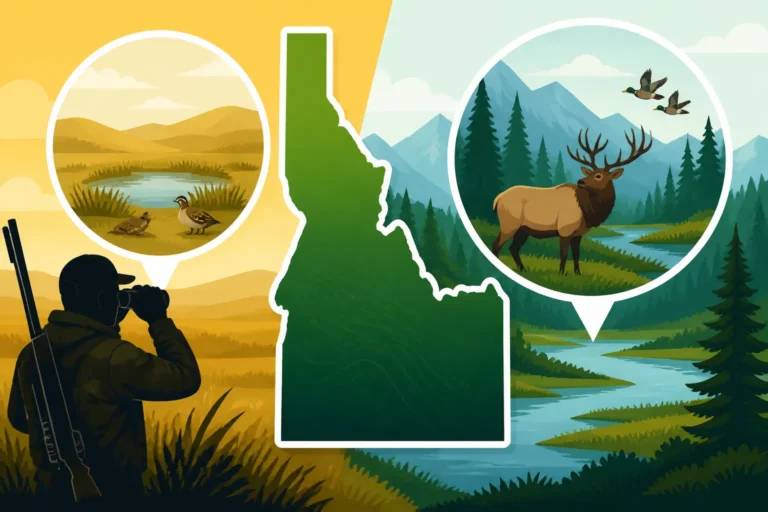
While the Selway-Bitterroot spans both Idaho and Montana, Idaho holds the larger portion of this immense wilderness. The hunting regulations, tag allocations, and even some of the specific access points will differ significantly depending on which side of the state line you intend to hunt. Most of Idaho's Selway-Bitterroot falls within the Nez Perce-Clearwater National Forests and the Bitterroot National Forest, while a smaller part extends into the Salmon-Challis National Forest. This geographical division means that understanding Idaho Runs 99 Game Management Units and how they overlay with the wilderness boundary is crucial. You're not just hunting "the Selway-Bitterroot"; you're hunting specific Idaho units within the Selway-Bitterroot, each with its own nuances, drawing odds, and season dates.
Key Access Points and Trailheads for Hunters
The phrase "accessing the wilderness" might sound simple, but for the Selway-Bitterroot, it's a multi-faceted challenge. There are no superhighways leading directly into the heart of this remote expanse. Instead, you're looking at a network of Forest Service roads, some well-maintained, others notoriously rough, that lead to a limited number of trailheads. Each access point comes with its own set of considerations, from the type of vehicle you'll need to the time of year you can even reach it.
Road Access and Parking Considerations
For most hunters, the journey into the Selway-Bitterroot begins on a Forest Service road. Roads like the Magruder Corridor (FR 468) offer one of the few ways to traverse a significant portion of the wilderness boundary, providing access to numerous trailheads along the way. However, these aren't your typical paved roads. Many are single-lane, graveled, and can be extremely rough, often requiring high-clearance 4×4 vehicles. Expect washouts, fallen trees, and a slow, methodical drive. Parking at trailheads can also be limited, especially during peak seasons, and security can be a concern for vehicles left for days or weeks. Always check road conditions with the local Forest Service district office before heading out, as seasonal closures due to snow or mud are common and can derail a hunt before it even begins.
Major Trailhead Gateways
Once you've navigated the roads, you'll reach a trailhead. These are the literal gateways into the wilderness. On the Idaho side, significant access points often follow river drainages such as the Selway River, Lochsa River, and the Middle Fork of the Salmon River. The Selway River Trail, for example, is a classic entry point that follows the river deep into the wilderness, offering stunning scenery and access to prime elk country. Other trailheads can be found along the Magruder Corridor, allowing hunters to branch off into various drainages. Keep in mind that "trail" doesn't always mean a well-groomed path. Many wilderness trails are minimally maintained, prone to overgrowth, and can be difficult to follow, especially after a storm. Familiarize yourself with your chosen trailhead, its elevation profile, and the typical condition of the trail itself.
Navigating Seasonal and Road Closures
Seasonal closures are a significant factor when planning a Selway-Bitterroot hunt. High-elevation roads often remain impassable due to snow well into June or even July, and early snowfalls can close them again by late October or November. These closures directly impact when you can physically access certain trailheads. Beyond snow, many areas within Idaho's national forests, including those bordering the Selway-Bitterroot, have Seasonal Road Closures Across Idaho implemented to protect wintering wildlife ranges or to prevent road damage during wet periods. It’s not uncommon for a prime hunting spot to be reachable only by foot or pack stock during certain periods because the access road is closed. Always consult the Idaho Department of Fish and Game regulations and the relevant Forest Service district for the most up-to-date information on road and area closures to avoid an unwelcome surprise.
Strategies for Penetrating the Wilderness Deeply
Getting to a trailhead is just the beginning. The real challenge of the Selway-Bitterroot lies in moving beyond the fringe and getting into the deep backcountry where some of the best hunting opportunities often exist. This requires strategic planning and a commitment to one of a few primary modes of transportation.
Backpacking and Packing In
For many DIY hunters, backpacking is the most common and often the most accessible way to hunt the Selway-Bitterroot. This involves carrying everything you need on your back, from shelter and food to hunting gear and, hopefully, meat for the pack out. This method demands a high level of physical fitness and a deep understanding of ultralight backpacking principles. Miles in the Selway-Bitterroot are often "mountain miles"—meaning they feel far longer and more strenuous than flatland miles due to elevation gain and loss, rough terrain, and heavy packs. A typical backpacking hunt into the heart of the wilderness might involve hiking 5-10 miles or more, gaining thousands of feet in elevation. Proper gear, like a sturdy pack, reliable tent, and efficient water filtration, are non-negotiable. Furthermore, planning for food and water sources, particularly in dryer years, is critical. You're completely self-sufficient, and that can be a daunting, yet incredibly rewarding, experience.
Horse and Pack Stock Outfitters
For those who either can't, or don't want to, carry all their gear on their backs, utilizing horse and pack stock outfits is a time-honored tradition in the Selway-Bitterroot. Outfitters with well-trained horses and mules can haul significant amounts of gear, food, and even camp infrastructure deep into the wilderness, allowing hunters to conserve energy for the actual hunt. These services can range from a full-service guided hunt to a simple "drop camp" where the outfitter packs you and your gear in, sets up a basic camp, and then returns to pick you up at a predetermined time. Pack Stock Rules Inside Designated Wilderness are strictly enforced, ensuring proper animal welfare and minimal impact on the environment. Hiring a reputable outfitter not only eases the physical burden but also provides valuable local knowledge and experience in navigating challenging terrain. However, this convenience comes at a cost, so budgeting and booking well in advance are essential.
Flying into Backcountry Airstrips
Perhaps the most unique and efficient way to penetrate the Selway-Bitterroot's vastness is by flying into one of its numerous backcountry airstrips. These small, often grass or gravel strips are scattered throughout the wilderness, providing direct access to incredibly remote areas that would take days to reach by foot or horseback. Imagine stepping out of a small bush plane and being immediately immersed in prime elk country, miles from any road. This method dramatically reduces travel time and physical exertion on the front end of the hunt. Common airstrips within or bordering the Idaho portion of the Selway-Bitterroot include places like Shearer, Moose Creek, and Big Creek. There are specific regulations regarding Flying Into a Backcountry Airstrip to Hunt, including weight limits, flight schedules, and often, coordinating with outfitters who operate from these strips. While flying in can be expensive, the time saved and the unparalleled access it provides can make it an attractive option for serious backcountry hunters seeking an authentic wilderness experience. The airstrips are a part of Backcountry Airstrips and Jet Boats Change Idaho Access, offering unique entry points.
Navigating the Wilderness Once You're In
Stepping off the trail or out of a bush plane and into the vastness of the Selway-Bitterroot can be disorienting. This isn't a place for casual navigation; it demands skill, precision, and the right tools. Losing your way in this rugged terrain isn't just an inconvenience; it can be dangerous. Therefore, developing a robust navigation strategy and understanding the landscape is paramount.
Essential Mapping and Navigation Tools
Gone are the days when a paper map and compass were your only hope. While these traditional tools remain absolutely essential as a backup, modern technology has revolutionized wilderness navigation. GPS units and smartphone apps like onX Hunt are invaluable. onX Hunt, in particular, overlays private and public land boundaries, roads, trails, and topo maps directly onto your phone, often with offline capabilities, which is critical in areas with no cell service. You can mark waypoints for camp, water sources, and game sign, track your movements, and stay precisely oriented. Similarly, GoHunt offers advanced mapping features and tools that can help with pre-hunt scouting and identifying potential game habitat. However, never rely solely on electronics. Batteries die, devices get wet, and signals can be lost. Always carry a physical map of your area, a compass, and know how to use them. Being able to read the terrain features on a topo map and relate them to what you see around you is a fundamental skill for wilderness hunting.
Reading the Terrain for Travel and Game
The Selway-Bitterroot is a masterclass in varied terrain. You'll encounter steep, timbered slopes, open avalanche chutes, dense draws, and rocky ridges. Learning to "read" this terrain is vital for both efficient travel and locating game. When planning your route, look for benches, saddles, and old game trails that can ease your progress. Avoid simply busting through thick timber or attempting to traverse impossibly steep hillsides unless absolutely necessary. For game, understanding how Bugling Elk in Idaho's Timbered Zones use different elevation bands, aspect, and cover throughout the day is key. Elk often prefer north-facing slopes for bedding in timber during warmer weather and move to more open south-facing slopes to feed during cooler periods. Mule deer, while present, are often found in more open, higher country or brushy slopes. Recognizing these patterns and adapting your travel and hunting strategy accordingly will significantly increase your odds of success.
Communication and Emergency Preparedness
In such remote country, reliable communication and a plan for emergencies are not optional—they are absolutely vital. Cell service is virtually nonexistent in the vast majority of the Selway-Bitterroot. This means relying on satellite communication devices such as satellite phones, two-way satellite messengers like Garmin inReach, or personal locator beacons (PLBs). These devices allow you to send emergency messages, communicate with loved ones, or call for help if things go sideways. Beyond communication, a comprehensive first-aid kit is essential, tailored to the types of injuries and illnesses common in the backcountry. Consider taking a wilderness first-aid course before your trip. Always share your detailed itinerary with a trusted person outside the wilderness, including your planned entry and exit points, and expected return date. This information can be critical in initiating a search and rescue operation if you don't check in as planned. The more remote you are, the more self-reliant you need to be.
Hunting Opportunities and Rules in the Selway-Bitterroot
The Selway-Bitterroot Wilderness is renowned for its hunting opportunities, particularly for big game. However, the unique nature of this wilderness, combined with Idaho's specific regulations, means that hunters need to be well-versed in the rules before embarking on a trip. What might be legal outside the wilderness boundary could be prohibited within it, and some species come with distinct requirements.
Species Available and Hunt Strategies
The Selway-Bitterroot is prime habitat for several big game species, with elk often being the main draw. The challenging terrain helps to produce older, larger bulls that are difficult to access. Hunters pursuing Elk Are Why Most Hunters Come to Idaho will find opportunities for archery, muzzleloader, and rifle hunts depending on the specific unit and season. Effective strategies often involve deep penetration into areas far from roads, often several days' walk, where elk experience less pressure. This might involve still-hunting through dense timber, setting up calling sequences in key drainages, or glassing vast basins from high vantage points. Mule deer are also present, often inhabiting the more open, high-elevation slopes and ridge systems. Black bear and mountain lion hunts are also popular, with bear often pursued in the spring and fall, and lion hunts typically relying on hounds (which are permitted for these species). Each species requires a different approach, but the common thread is the need for physical stamina, resilience, and a willingness to embrace the challenging environment.
Nonresident Guide Requirements
This is one of the most critical rules for non-resident hunters eyeing the Selway-Bitterroot: Idaho Forces Nonresidents to Hire a Guide for Wilderness Elk. Idaho law dictates that nonresidents must be accompanied by a licensed Idaho outfitter or guide when hunting elk, bighorn sheep, mountain goat, or mountain lion within "designated wilderness areas." The Selway-Bitterroot falls squarely into this category. This rule is a major factor in planning a nonresident hunt, as it significantly impacts costs and logistics. While deer and bear are generally exempt from this rule, if you're coming from out of state and dream of a Selway-Bitterroot bull elk, a licensed outfitter is a legal requirement. This doesn't mean you can't hunt the wilderness, but it means you can't do a DIY elk hunt as a nonresident within its boundaries. Understanding Which Species Trigger Idaho's Wilderness Guide Rule is paramount before applying for any tags.
Understanding Unit Boundaries and Regulations
The Selway-Bitterroot Wilderness does not exist in a vacuum; it spans multiple Idaho Game Management Units (GMUs). For example, parts of the wilderness might fall into Units 10, 12, 16, or 17, among others. Each of these units will have its own specific regulations, season dates, and tag quotas. Hunters must meticulously study the current Idaho hunting regulations and maps to understand exactly which unit they will be hunting in, how Idaho Elk Zones and the A Tag or B Tag Choice might apply, and any special restrictions. Some units within the wilderness might have general seasons, while others are entirely controlled hunts requiring a draw. The "any-weapon" season dates, archery-only dates, and muzzleloader-only dates will vary by unit. It's not enough to simply know you're in the Selway-Bitterroot; you need to know which unit, and specifically which part of that unit, you are in. Using resources like The Idaho Hunt Planner Is the Tool to Start With can help clarify these intricate boundaries and regulations, including information on specific controlled hunts.
Planning Your Selway-Bitterroot Hunt
A successful hunt in the Selway-Bitterroot Wilderness isn't something that happens on a whim. It's the culmination of months, if not years, of meticulous planning, physical conditioning, and careful gear selection. This environment will test you, and being prepared is the best way to ensure both a safe and rewarding experience.
Physical and Mental Preparation
Hunting in the Selway-Bitterroot is an extreme physical challenge. You'll be climbing steep, often brushy slopes, navigating dense timber, and carrying heavy loads at elevation. If you plan to backpack, your fitness level needs to be top-tier. Start a rigorous training regimen months in advance, focusing on strength, endurance, and pack-hauling ability. Hiking with a weighted pack, stair climbing, and general cardiovascular fitness are key. Beyond the physical, the mental game is equally important. Wilderness hunting demands resilience, patience, and the ability to push through discomfort and fatigue. There will be bad weather, tough climbs, and days without seeing game. A positive attitude and strong mental fortitude are crucial to success and safety. Realistic expectations are also vital; this is not a guaranteed harvest, but an adventure.
Essential Gear for a Wilderness Hunt
Your gear is your lifeline in the Selway-Bitterroot. Every item must be carefully chosen for its functionality, durability, and weight. Think in terms of systems: shelter, sleep, cooking, navigation, water filtration, and clothing. A lightweight, durable tent or tarp, a warm sleeping bag rated for expected temperatures, a reliable water filter, and a compact cooking system are non-negotiable. Layered clothing is crucial for adapting to the rapidly changing mountain weather—think merino wool or synthetics that wick moisture and insulate when wet. A high-quality backpack that fits well and can comfortably carry a heavy load is perhaps your most important piece of gear. Don't forget bear spray, a robust first-aid kit, and all your navigation tools. Consider the specific challenges of this environment: sharp rocks that can shred boots, wet weather that can soak gear, and the sheer effort of covering ground. Every ounce counts when you're carrying it for miles, but reliability should never be sacrificed for weight.
Drawing Tags and Researching Success
Idaho's tag system, particularly for nonresident elk and deer, involves a lottery draw. Unlike some western states, Idaho Has No Preference Points, and What That Changes, meaning every applicant generally has the same chance each year, regardless of how many times they've applied in the past. This makes drawing a coveted tag in a prime Selway-Bitterroot unit a matter of luck, though applying for less popular units can increase your odds. Use resources like GoHunt's draw odds data and the Idaho Fish and Game website's harvest statistics to research specific units within the wilderness. Look at success rates for general tags versus controlled tags, and consider the species and weapon type you plan to use. The Idaho Controlled Hunt Calendar, April Through August outlines application periods and draw dates. For example, some units within the wilderness might have general archery seasons but require a controlled draw for rifle seasons. Planning around these drawing odds and application timelines is a fundamental part of securing your opportunity to hunt this incredible wilderness.
Access Methods and Considerations for the Selway-Bitterroot Wilderness
Choosing how you'll access and move within the Selway-Bitterroot is a decision that shapes your entire hunting experience. Each method presents its own set of advantages, disadvantages, and logistical hurdles. It's not just about getting there, but about how that chosen method influences your ability to hunt effectively, stay safe, and bring an animal out.
| Access Method | Pros | Cons | Typical Hunter Profile |
|---|---|---|---|
| Backpacking | Most affordable, ultimate flexibility, deep immersion in wilderness, self-reliant. | Most physically demanding, limited gear capacity, difficult meat packing, longer travel times. | Highly fit, experienced backpackers; budget-conscious; seeking ultimate challenge. |
| Pack Stock (DIY) | Increased gear capacity, saves human energy for hunting, can cover more ground. | Requires stock ownership/rental, significant horsemanship skills, daily animal care, slower than flying. | Experienced horsemen; those seeking a traditional Western hunt; willing to commit to animal logistics. |
| Pack Stock (Outfitter) | No horsemanship needed, high gear capacity, expert guidance, can drop off/pick up. | Significant cost, less flexible schedule, reliance on outfitter availability. | Those seeking a classic Western experience without owning stock; higher budget; prioritize convenience. |
| Backcountry Airstrip | Rapid deep wilderness access, saves immense travel time, high gear capacity via air cargo. | Most expensive, weather dependent, limited availability, reliance on charter pilot. | Time-limited hunters; higher budget; seeking access to extremely remote areas. |
Accessing Via Foot and Backpack
The purist's approach, accessing the Selway-Bitterroot on foot, is a deeply personal and physically demanding endeavor. This method requires a profound commitment to minimalism and self-reliance. When planning a backpacking trip, you need to map out not just your hunting grounds but also your water sources, potential camp locations, and bailout points. A common mistake is to overpack, leading to exhaustion and a diminished hunting experience. Focus on multi-use gear and lightweight alternatives. For instance, instead of a bulky stove, consider a lightweight titanium wood-burning stove or simply cold-soak meals.
Beyond gear, consider your physical route. The Selway-Bitterroot's trails can be rugged, steep, and poorly marked in places. Carrying a reliable GPS device loaded with your route, along with a compass and physical map, is non-negotiable. Plan for a slower pace than you might anticipate on an easier trail, especially if you're carrying a week's worth of supplies. If you're lucky enough to harvest, remember that packing out an elk quarter will transform your already strenuous hike into an even greater test of will and strength. This is where pre-season training with a heavy pack truly pays off.
Using Horses and Pack Strings
For many, the Selway-Bitterroot and horses go hand-in-hand. Whether you own your own stock or hire an outfitter, horses offer a distinct advantage: the ability to carry heavy loads deep into the wilderness, often covering more ground than a backpacker. This means you can bring in a more comfortable camp, more food, and significantly ease the pack-out burden. If you're a nonresident and plan to hunt elk, sheep, goat, or mountain lion in the wilderness, remember Idaho Forces Nonresidents to Hire a Guide for Wilderness Elk, and this often means utilizing an outfitter with horses.
If you bring your own stock, ensure your horses are wilderness-trained and in excellent physical condition. The terrain is demanding, with steep climbs, narrow trails, and sometimes tricky river crossings. You'll need to know Pack Stock Rules Inside Designated Wilderness, including feed requirements (often certified weed-free hay), hobbling, and proper waste management. If hiring an outfitter for a drop camp or fully guided hunt, vet them thoroughly. Ask for references, inquire about their experience in the specific area you'll be hunting, and clarify what's included in the price. A good outfitter can be the difference between a frustrating trip and a dream hunt.
Flying into Wilderness Airstrips
The ultimate time-saver for deep wilderness access, flying into one of the Selway-Bitterroot's backcountry airstrips, is a thrilling experience. Imagine landing on a remote strip, stepping out, and immediately being in untouched elk country. These flights bypass days of arduous travel, maximizing your hunting time. However, this method comes with its own unique set of considerations.
Firstly, cost: charter flights are expensive, and the price is often based on weight, so even with flying, you'll still need to be mindful of your gear. Secondly, weather: these flights are entirely weather-dependent, and mountain weather can change rapidly, leading to delays or even cancellations. Always build in buffer days on either side of your trip. Thirdly, logistics: you'll need to coordinate meticulously with the pilot for drop-off and pick-up times, and stick to them. Some airstrips may require specific permits or permissions. Backcountry Airstrips and Jet Boats Change Idaho Access are often used by outfitters, but independent pilots can also be chartered. If you harvest an animal, you'll need to arrange for the pilot to fly out the meat, which will add to the cost and potentially require multiple flights. This is an option for hunters who prioritize maximizing their time in the field and have the budget to support it.
Wilderness Hunting Challenges and Preparations
The Selway-Bitterroot Wilderness is not for the faint of heart. It presents a unique set of challenges that can quickly turn a dream hunt into a survival situation if not properly anticipated and prepared for. From encounters with wildlife to unpredictable weather, understanding these hurdles is key to mitigating risks and ensuring a successful, safe, and enjoyable experience.
Extreme Weather and Environmental Hazards
Mountain weather is notoriously fickle, and the Selway-Bitterroot is no exception. A warm, sunny morning can quickly give way to a torrential downpour, a white-out snowstorm, or even hail in a matter of hours, even during hunting season. Hypothermia is a real threat if you're not properly equipped with layered clothing that insulates when wet. Plan for all four seasons, regardless of the calendar. Beyond weather, environmental hazards are ever-present. Steep, unstable terrain, dense brush that can hide dangers, swift-moving rivers, and falling trees are all part of the Selway-Bitterroot experience. Navigation becomes even more critical in adverse weather, as visibility can drop to mere yards. Always have an emergency shelter and fire-starting materials, even for day hunts, as an unexpected injury or navigational error could force an unplanned night out.
Wildlife Encounters and Safety
While hunting, you're obviously hoping for a wildlife encounter, but the Selway-Bitterroot is also home to apex predators like black bears, mountain lions, and occasionally even grizzly bears in certain areas (though less common than in some other parts of Idaho or Montana). Knowing how to react to these encounters is paramount. Always carry bear spray, know how to access it quickly, and understand how to use it. Proper food storage in bear country is critical, whether using bear canisters, hanging food, or using an electric fence. When harvesting an animal, be mindful of lingering predators, especially if you're alone or breaking down the animal after dark. Make noise while hiking, especially in dense timber, to avoid surprising animals. The wilderness is their home, and respecting their space and understanding their behavior is key to a safe encounter.
Staying Within Regulations: Motorized Rules and More
The Wilderness Act's prohibition on motorized and mechanized travel is perhaps the most significant regulation defining a Selway-Bitterroot hunt. Motorized Vehicles Inside Wilderness Boundaries are strictly forbidden. This means no e-bikes, no drones for scouting, and certainly no ATVs or motorcycles. The spirit of wilderness implies human-powered travel. Beyond motorized rules, hunters must be intimately familiar with general Idaho hunting regulations. This includes legal shooting hours, blaze orange requirements (which can vary depending on the season and weapon), tagging requirements, and carcass transport rules. For instance, Mandatory Reporting After an Idaho Harvest is required for certain species, and evidence of sex must often remain on the carcass. Ignorance of the law is never an excuse, and violating wilderness regulations can lead to hefty fines, loss of hunting privileges, and damage to the reputation of hunters as a whole. Always double-check the current year's Idaho Fish and Game regulations specific to the units you plan to hunt.
Disclaimer
This article is for general informational purposes only and does not constitute professional advice. Laws, prices and regulations vary by location and change over time. Consult a qualified professional for guidance on your specific situation.