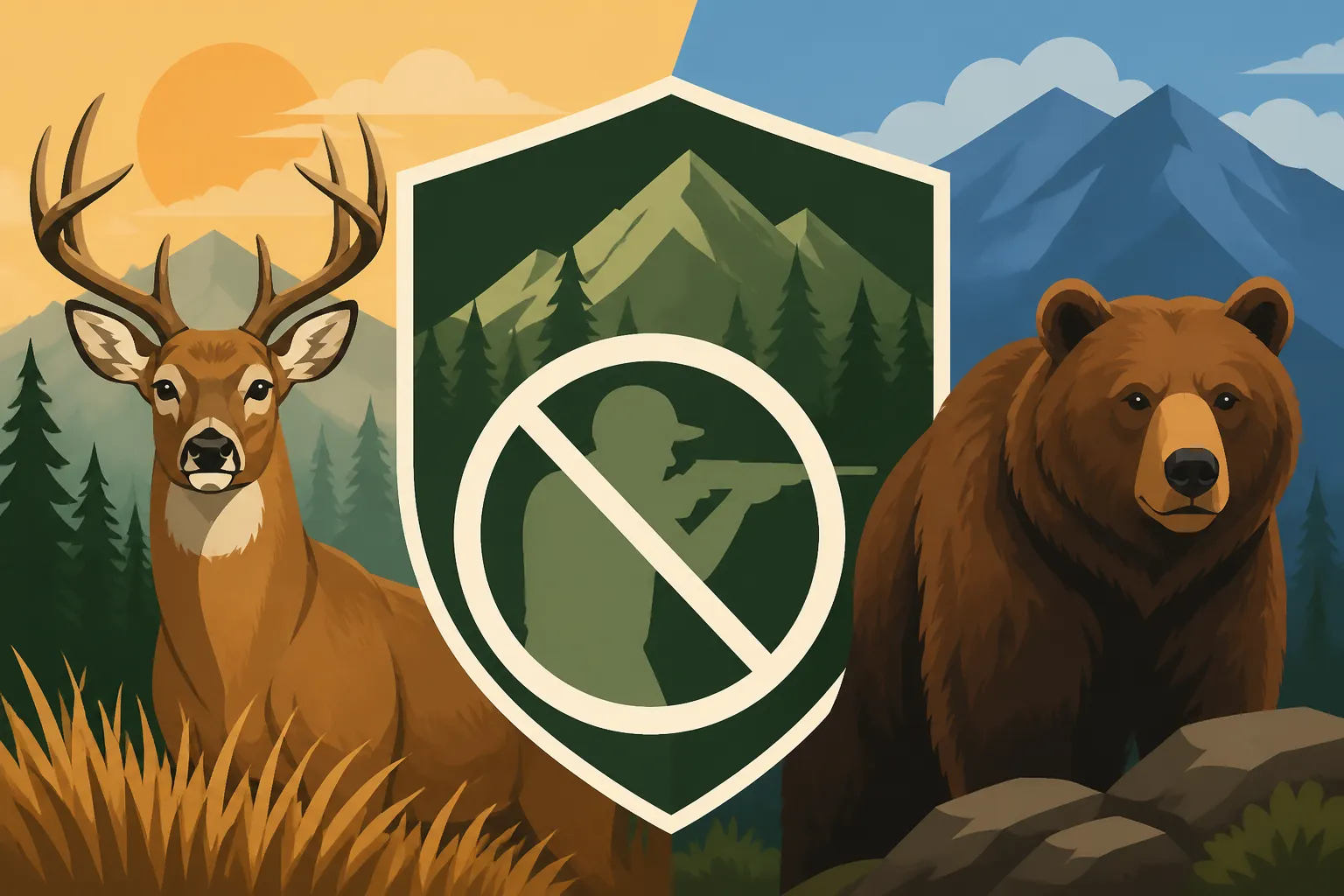
Why Deer and Bear Are Exempt in Wilderness
It's easy to get lost in the nuances of hunting regulations, especially when it comes to Idaho's wilderness areas and the guide requirements for non-residents. Many hunters planning a trip west find themselves scratching their heads, wondering why some big game species require a professional outfitter in designated wilderness, while others, like deer and bear, seem to be an exception. This guide will unravel the specific reasons behind these exemptions, helping you plan your next Idaho adventure with clarity and confidence.
Understanding Idaho's Wilderness Guide Rule for Nonresidents
Idaho's vast, untamed wilderness areas are a massive draw for hunters, offering some of the most challenging and rewarding experiences in North America. However, for non-resident hunters, navigating the specific regulations around these remote landscapes can be a real head-scratcher. One of the most significant rules to grasp is the requirement for non-residents to hire a licensed outfitter or guide when hunting certain big game species within designated wilderness. This isn't just a suggestion; it's a legal mandate designed to ensure responsible hunting, manage resource impact, and promote safety in some of the state's most rugged terrain.
The Core of the Requirement
At its heart, Idaho's wilderness guide rule is about ensuring that non-resident hunters pursuing specific, highly sought-after, or particularly challenging species in designated wilderness areas do so with professional oversight. This rule directly applies to species like elk, moose, bighorn sheep, mountain goat, and mountain lion. If you're coming from out of state and dream of chasing a bugling bull deep in the Frank Church River of No Return Wilderness, for instance, you'll need to coordinate your trip through an Idaho-licensed outfitter. The intent is not to exclude non-residents, but rather to ensure a level of experience and local knowledge is present, especially when dealing with potentially dangerous game or extremely remote logistics. Understanding Does Idaho's Wilderness Rule Cover Elk? is critical for many.
The rule exists because these hunts often involve complex logistics, extensive packing, tracking in difficult terrain, and an understanding of animal behavior in truly wild settings. Outfitters provide not just guidance in the field but also handle everything from camp setup and food to packing out game, which can be monumental tasks in a roadless wilderness. This professional involvement helps minimize negative impacts on the wilderness ecosystem and enhances the safety of the hunting party. For example, a hunt for a bighorn sheep above timberline can be incredibly physically demanding and dangerous, making professional guidance invaluable. You can learn more about how this applies to other species by checking out Does Idaho's Wilderness Rule Cover Bighorn Sheep?.
Why Certain Species Are Included
The species that fall under Idaho's mandatory guide rule for non-residents in wilderness areas—elk, moose, bighorn sheep, mountain goat, and mountain lion—were not chosen arbitrarily. These animals are often associated with hunts that are inherently more challenging, logistically complex, or require specialized knowledge to pursue ethically and safely within a wilderness context. For example, hunting mountain goats or bighorn sheep typically occurs in extremely rugged, high-alpine environments where even getting to the animals is an expedition in itself. The terrain is unforgiving, weather can change in an instant, and navigation is paramount.
Similarly, an elk hunt in the vastness of a wilderness area often involves navigating massive tracts of timber, steep canyons, and significant distances from any trailhead. The sheer size of the animal, combined with the difficulty of packing out hundreds of pounds of meat over miles of rough terrain, makes professional assistance incredibly practical and often necessary. For predators like mountain lions, the pursuit often involves specialized skills, dogs, and the ability to track and safely manage a treed animal, which falls squarely into the realm of professional guiding. These species represent the pinnacle of challenging backcountry hunting, and the guide rule helps to ensure that non-resident hunters undertaking such pursuits are adequately prepared and supported.
The Specific Exemption for Deer and Bear
While the guide rule applies broadly to many of Idaho's most iconic big game species in wilderness, it's a huge relief for many non-resident hunters to learn that deer and black bear are specifically exempt. This means that if your goal is to pursue a mule deer buck or a black bear within one of Idaho's designated wilderness areas, you, as a non-resident, are generally free to do so without hiring an outfitter. This exemption opens up incredible opportunities for self-guided backcountry adventures for these particular species, allowing for a more DIY approach to wilderness hunting.
Deer Hunting in Idaho Wilderness
The exemption for deer—which includes both mule deer and whitetail—is a significant detail for non-resident hunters. You can pack into the Frank Church or the Selway-Bitterroot Wilderness and chase deer without the mandatory guide requirement. This is often because deer hunting, while still challenging, generally involves a different scale of logistics and physical demand compared to, say, an elk or moose hunt. Deer are typically smaller animals, making their retrieval less arduous, and they can often be found in a wider variety of habitats, including areas that might be less remote within a wilderness boundary. Why Deer Escapes the Idaho Wilderness Guide Rule is a common question, and it boils down to a few practicalities.
Historically, deer management and hunting methods have also been different. Many deer hunts, even in wilderness, involve spot-and-stalk techniques that are more accessible for experienced self-guided hunters. While a guide can certainly enhance your chances and provide invaluable local knowledge, the state recognizes that the inherent complexities and potential dangers are generally lower for deer compared to larger or more dangerous quarry. This distinction allows for broader public access for deer hunting in these pristine areas, fostering self-reliance and true backcountry exploration for those willing to put in the effort.
Black Bear Hunting in Idaho Wilderness
Similarly, black bear hunting for non-residents in Idaho's wilderness areas does not carry the mandatory guide requirement. This exemption is another fantastic opportunity for DIY hunters looking for a backcountry bear experience. Black bears are a thriving species in Idaho, and while they are formidable animals, their hunting dynamics in wilderness settings are often managed differently. Many black bear hunts involve spot-and-stalk tactics in spring or fall, or baiting (though baiting rules have their own complexities and restrictions, especially in wilderness-adjacent areas).
The logistical challenges of packing out a black bear, while substantial, are often considered less intense than those for a full-grown bull elk or moose. Furthermore, black bear populations are often managed to allow for higher harvest rates in many areas, and the state's regulations reflect a desire to provide ample opportunity for hunters to participate in this management. Why Bear Escapes Idaho's Wilderness Guide Rule relates to this combination of species management goals, typical hunting methods, and the relative scale of the logistical challenge. It means you can plan your own adventure, exploring vast landscapes for these impressive animals on your own terms.
Practical Implications for Nonresident Hunters
Understanding these exemptions is one thing, but translating that knowledge into a successful, safe, and legal hunt is another. For non-resident hunters eyeing Idaho's wilderness for deer or bear, these rules open a door to incredible self-guided experiences. However, "self-guided" doesn't mean "unprepared." The vastness and wild nature of Idaho's wilderness demand thorough planning and respect.
Planning a DIY Deer or Bear Hunt in Wilderness
If you're a non-resident planning to hunt deer or black bear in an Idaho wilderness area without a guide, your preparation needs to be top-notch. First and foremost, you'll need reliable navigation. Digital mapping tools like onX Hunt are absolutely indispensable. They allow you to pinpoint your location, track your movements, mark waypoints, and most importantly, clearly define wilderness boundaries and other important land ownership layers. Knowing exactly Which Wilderness Areas the Idaho Rule Applies To is critical, as inadvertently crossing into a guided-only zone for another species could lead to serious issues.
Beyond navigation, physical conditioning is paramount. Wilderness hunting means packing everything in and out on your back, potentially over many miles and thousands of feet of elevation gain. You'll need to research your chosen unit thoroughly, using resources like the Idaho Fish and Game website and tools like GoHunt to understand harvest statistics, public land percentages, and terrain features. Practice your shooting, familiarize yourself with game retrieval techniques, and ensure your gear is reliable and lightweight. Every piece of equipment, from your tent to your water filter, needs to be vetted for a backcountry trip where self-sufficiency is the name of the game.
When a Guide Still Makes Sense for Deer and Bear
Despite the exemption, there are still many compelling reasons why a non-resident might choose to hire a guide for a wilderness deer or bear hunt. If you're new to backcountry hunting, or new to hunting in Idaho's rugged terrain, a guide provides an invaluable safety net and an accelerated learning curve. They possess intimate knowledge of the area, including animal patterns, water sources, and safe travel routes, which can be the difference between a successful hunt and a frustrating, or even dangerous, ordeal.
Guides also handle much of the logistical burden, allowing you to focus purely on the hunt. They often provide horses or mules for packing gear and game, which dramatically reduces the physical strain and allows you to access even more remote areas. For hunters specifically seeking a trophy-class animal, a guide's expertise in locating and patterning mature bucks or bears can significantly increase your odds. Essentially, while not required, a guide can transform a challenging DIY trip into a more comfortable, productive, and potentially safer experience, especially for those with limited time or experience in these unique environments.
Navigating Wilderness Boundaries and Regulations
Hunting in Idaho's wilderness is an incredible privilege, but it comes with a responsibility to understand and adhere to all regulations. The boundaries of these special areas, and the specific rules that govern them, can sometimes be confusing, especially when they overlap with general hunting units or other land designations. A little homework before your boots hit the dirt can save a lot of headaches later on.
Identifying Designated Wilderness Areas
Pinpointing the exact boundaries of Idaho's designated wilderness areas is crucial for any non-resident hunter, whether you're guided or self-guided. These areas are federally protected lands where motorized travel and mechanized equipment are prohibited. Tools like onX Hunt are incredibly valuable here, as they typically feature layers that clearly delineate wilderness boundaries, allowing you to visualize where the guide requirement rules come into play for certain species. It’s not uncommon for general hunting units to encompass both wilderness and non-wilderness terrain, which adds another layer of complexity.
Before you go, take the time to study maps, both digital and physical, and understand the specific names and extents of the wilderness areas you plan to enter. The U.S. Forest Service and Bureau of Land Management often have visitor maps available that highlight these zones. Remember that even if you're hunting deer or bear, you must still abide by all other wilderness regulations, such as those concerning Motorized Vehicles Inside Wilderness Boundaries or Camping on Forest Ground During Hunting Season. These rules are designed to preserve the wild character of these places, and compliance is essential for all users.
The Importance of Thorough Research
Beyond knowing where wilderness boundaries lie, a deep dive into the Idaho Fish and Game regulations is non-negotiable. Regulations are dynamic, and seasons, unit boundaries, and specific weapon restrictions can change year to year. Even for species exempt from the guide rule, you need to be acutely aware of season dates, bag limits, weapon restrictions, and any specific unit rules that might apply. For example, some units might have spike-only bull elk rules even in general seasons, which could be relevant if you're also deer hunting in the same area. The Idaho Hunt Planner Is the Tool to Start With for this kind of information, providing a wealth of data on units, seasons, and harvest statistics.
Always double-check the current year's hunting proclamation from Idaho Fish and Game. Don't rely on information from previous years or hearsay. Companies like GoHunt provide excellent resources for breaking down complex regulations and helping hunters understand draw odds and unit characteristics, which can be invaluable when making decisions about where to apply or where to focus your efforts. This diligent research ensures you not only stay legal but also maximize your chances of a successful and ethical hunt in Idaho's stunning wilderness.
| Species | Nonresident Wilderness Guide Required | Primary Reason for Rule (if applicable) |
|---|---|---|
| Elk | Yes | Logistical complexity, large animal retrieval, challenging terrain |
| Moose | Yes | Rarity, trophy quality, challenging terrain |
| Bighorn Sheep | Yes | Extreme terrain, high-value species, difficult access |
| Mountain Goat | Yes | Extreme terrain, high-value species, limited tags |
| Mountain Lion | Yes | Specialized hunting methods (hounds), dangerous game, remote pursuit |
| Mule Deer | No | Smaller animal, less complex logistics, varied habitat, broader opportunity |
| Whitetail Deer | No | Smaller animal, less complex logistics, varied habitat, broader opportunity |
| Black Bear | No | Population management, varied hunting methods, less complex retrieval |
Disclaimer
This article is for general informational purposes only and does not constitute professional advice. Laws, prices and regulations vary by location and change over time. Consult a qualified professional for guidance on your specific situation.