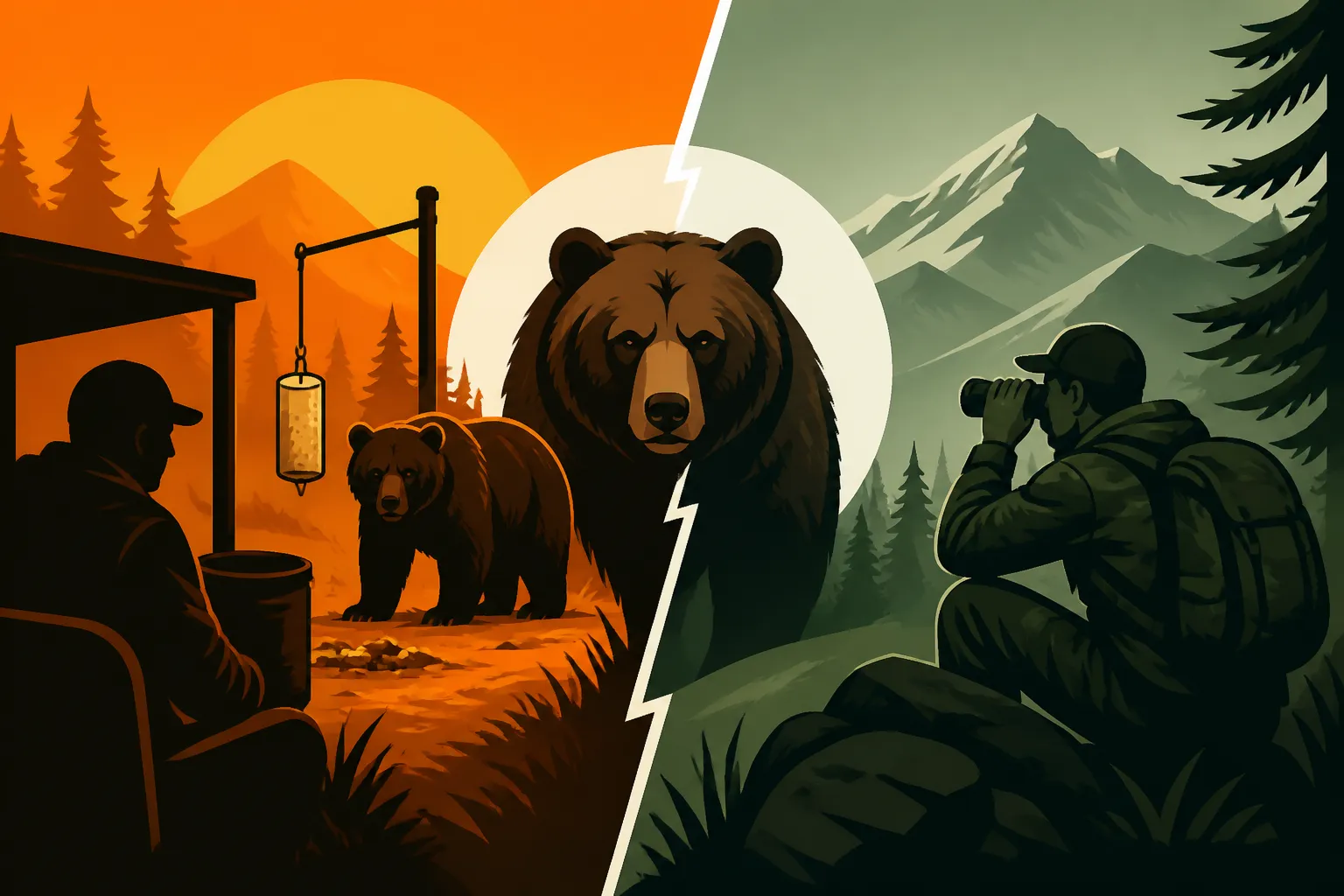
Baited Against Spot and Stalk Bear Hunting
Let's talk bears, friends! If you're anything like me, you've probably spent hours staring at maps, dreaming of chasing black bears through Idaho's rugged mountains. But then the big question hits: how are you actually going to hunt them? The debate between baiting and spot and stalk is a classic, and honestly, both methods have their fierce advocates and unique challenges. This guide is here to break down both approaches, help you navigate the regulations, and empower you to pick the strategy that best suits your hunting style and the Idaho landscape.
Understanding Bear Hunting Regulations in Idaho
Before we even get into the nitty-gritty of techniques, it's absolutely vital to understand Idaho's specific rules for bear hunting. The Idaho Department of Fish and Game (IDFG) has laid out clear guidelines, and knowing them inside and out will save you a lot of headache and potential legal trouble. Trust me, ignorance is not bliss when it comes to hunting regulations.
General Season Dates and Permit Requirements
Idaho offers both spring and fall black bear seasons, providing hunters with different opportunities depending on their preferences and the bears' behavior. Spring seasons, which typically run from April into June, often find bears emerging from dens, looking for green-ups on south-facing slopes. Fall seasons, usually starting in late August or September and extending into October or November, coincide with bears gorging themselves on berries and nuts, packing on fat for winter.
To legally hunt black bear in Idaho, you'll first need a valid Idaho hunting license. Beyond that, you'll need a specific bear tag. Sometimes, Idaho offers opportunities for hunters to pursue more than one bear per year, so always check the current regulations for Two-Bear Limits in Some Idaho Units. These tags specify the weapon type (archery, rifle, muzzleloader) and the game management unit (GMU) or zone you're allowed to hunt in. It's crucial to purchase the correct tag for your chosen season and area, as mistakes can invalidate your hunt. For non-residents, these tags can add up, so planning your budget ahead is key.
Legalities of Baiting in Idaho
This is where things can get a little tricky, and it's super important to pay close attention. Baiting for black bears is legal in many areas of Idaho, but it's not a blanket rule across the entire state. Certain units or areas might be closed to baiting, often due to proximity to residential areas, high human traffic, or specific management goals. You absolutely must consult the current Idaho Big Game Regulations for the specific unit you plan to hunt to confirm if baiting is permitted.
Even where baiting is allowed, there are strict rules you need to follow. For instance, you usually need to register your bait site with the IDFG within a certain timeframe before you start hunting it. This registration typically requires providing the exact location of your bait. There are also regulations on the type of bait you can use, often prohibiting carcass parts of big game animals or anything that could be considered toxic or harmful to wildlife. You can find detailed information on The Black Bear Baiting Rules Idaho Applies in the official regulations. Always ensure your bait is contained and not creating a public nuisance.
Prohibitions and Ethical Considerations
Beyond baiting specifics, Idaho has other general prohibitions that apply to all bear hunting methods. For example, using electronic calls to attract bears is generally illegal. This is a common rule across many states for big game, designed to keep hunting fair chase. Similarly, there are often rules about how close you can set a bait site to a public road, trail, or dwelling. These rules aim to ensure safety and maintain a positive public perception of hunting.
Ethical considerations also play a huge role. When baiting, it's essential to ensure your bait doesn't attract non-target species that could be harmed or habituated. Responsible hunters clean up their bait sites completely after the season, leaving no trash or debris behind. For both baiting and spot and stalk, ensuring you have a clean, ethical shot and making every effort to recover any wounded animal is paramount. We, as hunters, are stewards of the land and wildlife, and upholding the highest ethical standards is our responsibility, not just for the animals but for the future of our hunting heritage.
The Art of Baited Bear Hunting in Idaho
For many, baiting offers a unique opportunity to observe bear behavior up close and increase success odds, particularly in dense timber where spotting bears can be a challenge. But don't let anyone tell you it's "easy hunting." It requires a significant investment of time, effort, and strategic thinking.
Setting Up a Successful Bait Station
The key to successful baiting starts long before the season opens. Location is everything. You'll want to find a remote, secluded spot away from main trails and roads, ideally with good cover for both the bear and your stand. Look for areas with fresh bear sign – scat, tracks, claw marks on trees – indicating regular bear activity. Identifying traditional travel corridors or natural funnels can also be highly productive. Many hunters swear by setting up near water sources, especially during dry periods.
Once you've scouted a promising location, the real work begins. You'll need to establish your bait station. This typically involves securing a barrel or similar container to a tree, ensuring it's bear-proof enough to prevent them from walking off with all your bait, but still allowing them access. Common bait choices include stale pastries, dog food, dry corn, and even sweet treats like molasses or syrup. The goal is to create a high-calorie, highly attractive food source. Some hunters even incorporate potent scent lures, hanging them nearby or spreading them through the woods to draw bears in from a distance. Remember, you'll also need to register your bait site with IDFG, which you can read more about in Registering a Bear Bait Site in Idaho. This ensures you're compliant with all local regulations.
Maintaining and Monitoring Your Site
Setting up the bait is only the first step; maintaining it is an ongoing commitment. You'll need to visit your bait site regularly – often every few days – to replenish the bait. This consistent food source is what keeps bears coming back. During these visits, you'll be looking for signs of activity: fresh tracks, consumed bait, and any changes in the surrounding area. Pay attention to the size of the tracks and the patterns of consumption, as this can give you clues about the number and size of bears visiting.
Trail cameras are an invaluable tool for baiting. They allow you to monitor your site 24/7 without being present, minimizing disturbance to the bears and providing critical intelligence. You can identify specific bears, determine their travel patterns, and figure out their preferred feeding times. This information is gold when it comes to planning your actual hunt. Placing cameras strategically, perhaps one on the bait and another on a potential approach trail, can give you a comprehensive picture. Through platforms like GoHunt, you can sometimes research unit data or collaborate with other hunters to get a better sense of bear activity trends in certain areas. Understanding bear behavior, like their tendency to visit baits more frequently during twilight hours or overnight, will guide your hunting strategy.
The Waiting Game: Ambush Tactics and Considerations
With a well-established and monitored bait site, the next phase is the ambush. This requires immense patience and meticulous planning. Your stand placement is critical. Whether you're using a tree stand, ground blind, or a natural blind, it needs to be downwind of the bait, allowing your scent to carry away from the bear's approach path. Bears have an incredible sense of smell, and even a slight shift in wind can blow your cover. Elevated stands are often preferred as they provide a better shooting angle and help keep your scent above the bear's nose.
You'll also need to consider the distance to the bait. Most bait hunters aim for a shot range between 15-30 yards, depending on their weapon. This allows for ethical, high-probability shots. Practice shooting from your stand at various angles and distances to ensure you're comfortable and proficient. When you're finally in your stand, silence and stillness are paramount. Bears are incredibly sensitive to movement and sound. Wait for the bear to present a clear, ethical shot opportunity, aiming for the vitals to ensure a quick and humane harvest. The waiting game can be long, cold, and bug-filled, but the reward of a successful, ethical harvest is truly unmatched.
Mastering Spot and Stalk Bear Hunting in Idaho
While baiting has its merits, many hunters prefer the pure challenge and wilderness immersion of spot and stalk hunting. This method relies heavily on scouting, optics, stealth, and a deep understanding of bear behavior and habitat. It's often more physically demanding but incredibly rewarding.
Identifying Prime Bear Habitat and Food Sources
Spot and stalk success hinges on knowing where bears are likely to be. In early spring, when bears first emerge from their dens, they gravitate towards south-facing slopes. These slopes melt off faster, exposing tender, green vegetation—their first food after a long winter's fast. As the season progresses into summer and fall, bears shift their diets and locations to capitalize on other food sources. Huckleberry patches, common throughout Idaho's timbered mountains, become bear magnets. Look for areas with abundant berry bushes, often on clear-cuts, old burns, or higher elevations. Stands of aspen or oak (though less prevalent in parts of Idaho) can also attract bears foraging for nuts.
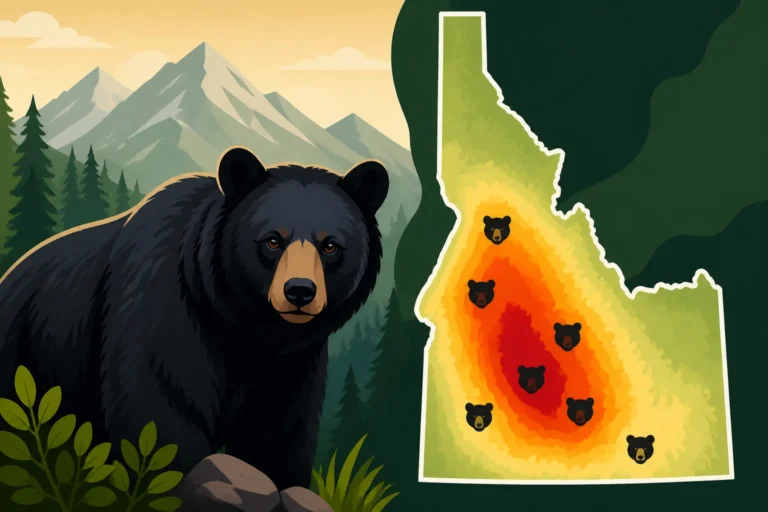
Recent burns are another hot spot. While initially devastating, burned areas often experience a flush of new growth, particularly various grasses and forbs that bears love. The open nature of burns can also make spotting bears easier. Using resources like GoHunt, you can identify specific units with good public land access and potentially high bear density. Pay attention to elevation bands and aspect, as these factors dictate vegetation growth and, consequently, bear activity. Bears are creatures of comfort and efficiency; they'll be where the food is easiest to find. Where Black Bear Density Runs Highest can often correlate directly with prime feeding grounds.
The Optics Game: Locating Bears from a Distance
This is arguably the most critical skill for spot and stalk hunting. Bears, even large ones, can blend seamlessly into the landscape. You'll need quality optics and the patience of a saint. A good pair of binoculars (10×42 or 10×50 are popular choices) and a high-powered spotting scope (20-60x or 15-45x) are essential. Find a vantage point that offers a wide, unobstructed view of potential bear habitat—think saddles, ridges, or high points overlooking basins and slopes.
The key is systematic glassing. Don't just glance; slowly and meticulously scan every inch of a hillside. Bears often appear as dark blobs or shapes that don't quite fit the natural contours of rocks or shadows. Look for movement, even a twitch of an ear or a swish of a tail. Bears can bed down in surprisingly open areas, so pay close attention to shaded spots or the edges of timber. Many hunters make the mistake of glassing too quickly, overlooking bears that are stationary or partially obscured. Taking breaks and letting your eyes rest, then resuming your scan, can also be incredibly effective. Consider using a tripod for your binoculars or spotting scope; it dramatically reduces fatigue and allows for steadier, more thorough glassing.
The Stalk: Closing the Distance Ethically
Once you've spotted a bear, the real chess match begins. The stalk is a test of stealth, wind reading, and terrain navigation. First and foremost, check the wind. A bear's nose is its primary defense, and if your scent carries to them, the game is over. Plan your approach to keep the wind in your favor, even if it means taking a longer, more circuitous route. This is where Reading Wind in Steep Timbered Country becomes invaluable.
Next, analyze the terrain. Use natural features like ridges, draws, timber patches, and rock formations to conceal your movement. Move slowly, deliberately, and quietly. Every step needs to be planned. Avoid snapping twigs or dislodging rocks. If the bear is feeding, take advantage of moments when its head is down or it's obscured by vegetation to advance. Continuously reassess the bear's behavior. Is it relaxed? Alert? Moving quickly? This will dictate your pace and caution. Your goal is to get within an ethical shooting range, which for rifle hunters might be 100-300 yards, and for archers, often 40 yards or less. Always have an escape route or a plan for what to do if the bear suddenly becomes aware of you. The goal is a clean, ethical shot that results in a swift harvest, minimizing any suffering.
Comparing Baiting and Spot and Stalk: Pros and Cons
Both baiting and spot and stalk are legitimate, effective methods for hunting black bears in Idaho. However, they each come with their own set of advantages and disadvantages that can significantly impact your hunting experience and success.
Time Commitment and Effort
Baiting:
The time commitment for baiting is spread out. There's a significant upfront investment in scouting potential sites, hauling in bait materials, and setting up the station. After that, it becomes a routine of regular visits to replenish bait and check trail cameras. This can mean multiple trips to your hunting area over several weeks before you even sit in a stand. On the actual hunt day, it's often a waiting game, sitting patiently for hours. The physical exertion is less intense on any given day of hunting, but the cumulative effort of site maintenance can be substantial.
Spot and Stalk:
Spot and stalk hunting demands a different kind of time and effort. It's often more physically demanding, requiring extensive hiking, climbing to vantage points, and potentially long, arduous stalks. The time commitment is typically concentrated during the actual hunting days, focusing on intense glassing sessions and active pursuit. While pre-season scouting is still important for understanding habitat, the daily physical toll during the hunt itself is generally higher. This method might appeal more to those who enjoy continuous movement and exploration.
Success Rates and Trophy Potential
Baiting:
Many hunters find that baiting offers a higher opportunity for a shot, particularly in heavily timbered areas where bears are hard to locate visually. With consistent baiting, bears become patterned, increasing your chances of an encounter. It can also provide more controlled shot opportunities, as bears are often focused on the bait, allowing you to assess size and confirm sex (if required) more easily. For these reasons, baiting can lead to higher overall success rates, especially for hunters new to bear hunting. When it comes to trophy potential, baiting can draw in larger, more dominant bears, giving you a better chance to evaluate the bear's size before the shot.
Spot and Stalk:
Success rates for spot and stalk can vary widely depending on the hunter's skill, physical condition, and the hunting area. It often requires more patience and resilience, with many days potentially yielding no sightings or failed stalks. However, for those who relish the challenge, harvesting a bear through spot and stalk feels incredibly earned. While you might see fewer bears, the quality of the hunting experience is often cited as a major draw. Trophy potential is still very real, as you might find a large, unpressured bear in remote areas that wouldn't typically discover a bait site. The adrenaline of closing the distance on a wild animal on its terms is incomparable. The Spring Against Fall Bear Hunting Compared article will show how success rates can also depend on the time of year, regardless of method.
Cost Implications and Equipment Needs
Baiting:
The cost of baiting can add up. You'll need to purchase or acquire large quantities of bait materials (pastries, dog food, molasses, etc.), which can be surprisingly expensive, especially if you're running multiple sites or baiting for an extended period. Fuel costs for repeated trips to the bait site also factor in. Essential equipment includes barrels or containers, chains, locks, and increasingly, trail cameras. While the initial investment in cameras might be high, they are invaluable for success.
Spot and Stalk:
Spot and stalk hunting tends to have higher upfront equipment costs for quality optics. A good spotting scope, tripod, and binoculars are vital. You'll also need sturdy, comfortable hiking boots, appropriate layering clothing for varied mountain weather, and a reliable backpack to carry your gear, food, and water. While there are no recurring bait costs, the cost of fuel for scouting and accessing remote areas can still be significant.
Here's a quick comparison of the two methods:
| Feature | Baited Bear Hunting | Spot and Stalk Bear Hunting |
|---|---|---|
| Effort | Consistent, spread-out effort for setup and maintenance; less physical during hunt. | Intense, focused physical effort during hunt; extensive hiking. |
| Time | Weeks of pre-hunt work; long waiting periods during hunt. | Days of active hunting, glassing, and stalking. |
| Success Odds | Generally higher opportunity for shot, especially in timber. | Varies greatly with skill and conditions; can be lower but more rewarding. |
| Cost | Ongoing bait costs, fuel, trail cameras, stand setup. | High initial cost for quality optics, durable gear, hiking boots. |
| Observation | Close-up observation of bear behavior at bait. | Long-distance observation, active tracking, and pursuit. |
| Ethical Debate | More publicly scrutinized due to perception of "fair chase." | Generally perceived as more "fair chase." |
Choosing the Right Method for Your Idaho Bear Hunt
Deciding between baiting and spot and stalk isn't a one-size-fits-all answer. It really comes down to your personal preferences, physical capabilities, and the specific opportunities available in your chosen hunting area.
Self-Assessment: What Kind of Hunter Are You?
Think honestly about what you enjoy most about hunting. Are you someone who thrives on meticulous planning, routine maintenance, and the thrill of an ambush? If so, baiting might be a perfect fit. The satisfaction of drawing a bear to your meticulously prepared site, watching it, and waiting for the perfect shot can be incredibly rewarding. It often appeals to hunters who enjoy a more stationary approach once the initial work is done, or those with physical limitations that make extensive hiking difficult.
On the other hand, if you crave continuous movement, covering vast amounts of ground, deciphering fresh sign, and the ultimate challenge of outsmarting an animal on its home turf, then spot and stalk is likely your calling. This method is for the physically fit, the patient glasser, and the quiet stalker who loves the deep wilderness experience. It demands intense focus and resilience, but the feeling of self-reliance and achievement is immense. Perhaps you've never tried a "still hunt," where you slowly move through timber, stopping frequently to scan and listen. This is a great hybrid for those who like to move but aren't quite ready for mile-long stalks.
Understanding Unit-Specific Regulations and Access
Remember our earlier discussion about regulations? This is where it really comes into play. Before you commit to either method, you absolutely must verify the legality of baiting in your chosen Game Management Unit (GMU). Some units in Idaho are entirely closed to baiting, making spot and stalk your only option. Conversely, some areas might have excellent terrain for baiting but very challenging terrain for spot and stalk.
Beyond legality, consider access. If you're planning to spot and stalk, you'll need units with good public land access, often national forests or BLM lands, that allow for extensive hiking and glassing. You'll want to review motor vehicle use maps to see where Idaho's Motorized Hunting Rule Runs August Into December applies, as this can impact how you access certain areas. If baiting, you'll need reliable, consistent access to your bait sites, which might mean areas with decent roads or ATV trails, or at least a manageable hike to haul in supplies. Using tools like the Idaho Hunt Planner or an app like GoHunt can help you e-scout units, identify public land percentages, and analyze terrain before you ever set foot on the ground. This pre-season research is invaluable for understanding the specific opportunities and limitations of any given unit. You can effectively use E-Scouting an Idaho Unit Before the Season to narrow down your options.
The "Combination" Approach: Using Both Tactics
Who says you have to pick just one? Many savvy bear hunters employ a combination approach, especially if they have the time and resources. For example, you might set up a few bait sites in areas where baiting is legal, knowing that they will attract local bears and give you a static target. While those baits are "cooking," you might spend other days actively spot and stalking nearby ridges or clear-cuts that offer good glassing opportunities. This strategy maximizes your chances of encountering a bear and allows you to adapt to changing conditions.
You could also use bait sites primarily for scouting—running trail cameras to understand bear activity and size, then choosing to spot and stalk a different area where you've identified a promising bear through your cameras. Or, if a bait isn't being hit regularly, you might decide to abandon it and shift entirely to spot and stalk. The flexibility to switch gears based on bear behavior, weather, and your own energy levels can be a huge advantage. GoHunt resources can be incredibly helpful in finding good bear habitat, regardless of your chosen method, by providing information on historical harvest data, public land access, and terrain features that might influence bear movement.
Ethical Hunting and Bear Management in Idaho
No matter which method you choose, being a responsible and ethical hunter is paramount. Our actions in the field directly reflect on the hunting community as a whole, and it's our duty to uphold the highest standards.
Responsible Harvest and Meat Care
This is non-negotiable. Whether you're baiting or spot and stalking, ensuring a clean, humane kill is your first priority. This means practicing with your chosen weapon regularly, knowing its effective range, and waiting for the perfect shot angle. A broadside shot that takes out the vitals is generally ideal for both rifle and archery hunters. After the shot, track the animal diligently. Even if you think it's a perfect hit, always assume the bear could run some distance. If you lose the trail, back out, give the bear time, and return with fresh eyes or more help.
Once harvested, proper field dressing and meat care are crucial. Idaho requires hunters to salvage edible portions of big game animals, and bear meat is delicious when handled correctly. Get the hide off and the carcass cooled down as quickly as possible to prevent spoilage, especially in warmer spring temperatures. Carry game bags to protect the meat from dirt and insects. Understanding basic Bear Safety Practices in an Outfitter Camp can also be vital during recovery and processing, especially in areas with potential grizzly presence, though black bears are the target here.
Hunter Impact and Public Perception
Bear hunting, particularly baiting, sometimes faces scrutiny from the non-hunting public. It's important to be mindful of this perception and act as ambassadors for hunting. When baiting, keep your sites clean and inconspicuous. Don't leave trash or unnecessary debris. Avoid setting baits in areas visible to the general public or near popular hiking trails. After the season, dismantle your bait site completely, leaving no trace.
For both methods, respectful interaction with other outdoor users—hikers, campers, mountain bikers—is key. A friendly wave or a polite conversation can go a long way in fostering understanding. Our actions influence how the broader public views hunting. By demonstrating ethical conduct, respect for wildlife, and responsible land use, we contribute positively to the future of hunting in Idaho and beyond. Wildlife management, including bear populations, relies on the active participation and funding from hunters, and maintaining a healthy The Black Bear Population Estimate Explained is a shared goal that transcends hunting methods.
Disclaimer
Please remember that hunting regulations can change. While I strive to provide accurate information, it is your responsibility to consult the most current Idaho Fish and Game regulations for the exact season you plan to hunt. Always verify unit boundaries, season dates, legal weapon types, and specific baiting rules before heading afield.