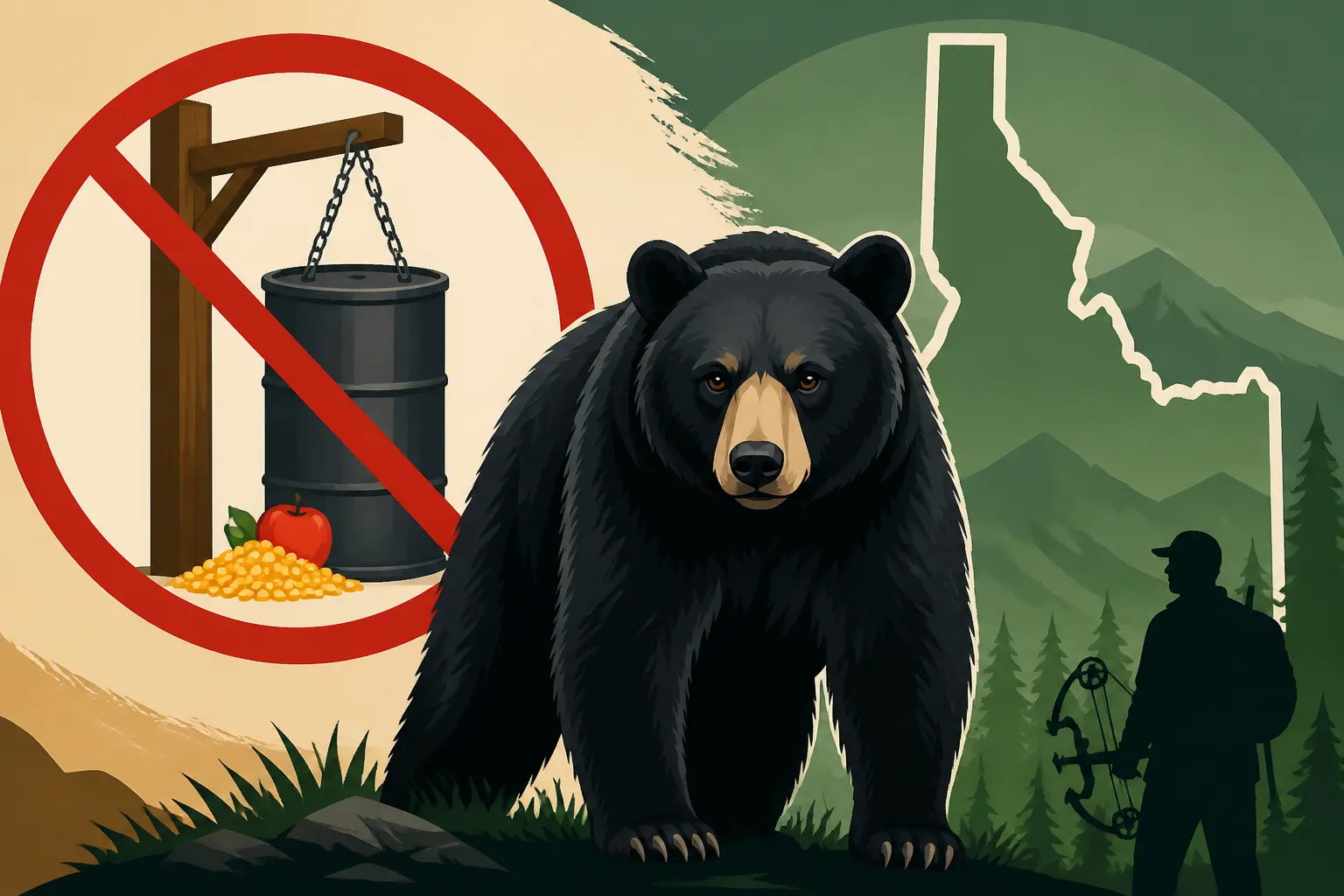
The Black Bear Baiting Rules Idaho Applies
Hunting black bear in Idaho is an incredible experience, offering a unique blend of challenge and reward, but let's be honest, the rules around baiting can feel like navigating a legal minefield. It's not as simple as just dumping a pile of donuts in the woods and setting up a stand; there are layers of regulations designed to ensure fair chase, manage populations, and maintain public safety. This guide is here to untangle those complexities, helping you understand the specific black bear baiting rules Idaho applies so you can hunt legally and responsibly.
The Foundations of Idaho's Bear Baiting Regulations
When you decide to pursue black bears over bait in Idaho, you're stepping into a regulated system that's been carefully crafted by the Idaho Department of Fish and Game (IDFG). It’s not just about what you use as bait, but where you place it, when you place it, and even how you manage the site. Many hunters, especially those new to baiting or to Idaho, underestimate the level of detail required, leading to potential violations. The state takes these rules seriously, and ignorance is rarely an acceptable excuse.
These regulations serve several critical purposes. Firstly, they're about game management, ensuring that baiting doesn't lead to overharvest or unethical practices that could negatively impact bear populations. Secondly, they consider public safety and recreation, especially on public lands where other hikers, campers, or hunters might be present. Lastly, and perhaps most importantly in some areas, these rules are crucial for mitigating conflicts with other species, particularly grizzly bears, which occupy portions of Idaho and are federally protected. Ignoring these foundational principles can not only land you in hot water but also jeopardize future baiting opportunities for everyone.
Why Idaho Regulates Bear Baiting So Closely
The sheer density of Idaho's black bear population makes baiting an effective, albeit highly regulated, method for hunting. Many hunters find that baiting offers a higher success rate compared to spot and stalk, especially in dense timber where bears can be incredibly elusive. However, this effectiveness is precisely why it's so tightly controlled. If left unregulated, it could quickly lead to overharvest in accessible areas or create nuisance bear issues near human habitation.
Beyond population management, the IDFG is keen on maintaining a fair chase standard. While baiting might seem like it goes against "fair chase" to some, when properly regulated, it still demands considerable skill, patience, and knowledge of bear behavior. The regulations ensure that the hunt remains challenging and ethical. For instance, prohibiting certain electronic devices or limiting the size and type of bait materials are all part of this overarching philosophy. It's a delicate balance: providing opportunities for hunters while upholding the integrity of the wildlife resource and the hunting tradition. It’s also worth noting that some areas have specific rules concerning Idaho's Motorized Hunting Rule Keeps You on the Road, which can impact how you access and service your bait sites.
Registering Your Bear Bait Site: A Non-Negotiable Step
This is perhaps the single most critical, and often misunderstood, aspect of baiting black bears in Idaho. You cannot simply set up a bait site without first registering it with the IDFG. This isn't a suggestion; it's a legal requirement designed to track baiting activity, prevent overcrowding, and allow for proper enforcement. Failing to register your site is a direct violation, and it's one of the easiest ways for a hunter to find themselves facing fines or loss of hunting privileges.
The registration process involves obtaining a unique ID for your site and marking it appropriately in the field. This unique ID is usually a physical tag or marker provided by the IDFG, which must be clearly visible at the bait site. Think of it as a permit for your specific location. This system helps ensure that only one hunter or party is actively baiting a particular spot, minimizing conflicts between hunters and allowing IDFG personnel to monitor compliance effectively. Don't skip this step; it's the foundation of legal bear baiting in Idaho.
The Application and Identification Process
Registering a bear bait site in Idaho is relatively straightforward, but timing is key. You'll need to fill out an application, which can often be done online through the IDFG licensing system or in person at a regional office. The specific dates for registration are outlined in the annual regulations, and they typically open well before the spring bear seasons begin, sometimes as early as February, and close later in the season. For details on general bear seasons, you might want to check out Idaho Spring Bear Runs From April Into Summer and Fall Black Bear Controlled Hunt Timing in Idaho.
When you register, you'll provide the specific GPS coordinates of your bait site. This is crucial for IDFG to log and approve your location. Once approved, you'll receive a unique bait site number and often a physical tag to display at your site. This tag, or a clearly visible sign indicating your bait site number and contact information, must be posted at the site. It’s imperative that this information is durable and legible, remaining in place throughout the active baiting period. The tag essentially claims that specific spot as your registered bait site, ensuring no other hunter registers or sets up a bait within the legal proximity.
Proximity Rules and Overlapping Bait Sites
One of the primary reasons for bait site registration is to enforce proximity rules. In Idaho, a bear bait site cannot be established within a certain distance of another registered bait site. Historically, this distance has been 0.5 miles, but always consult the most current IDFG regulations booklet as these specifics can change. This rule prevents hunters from crowding each other and ensures that bears aren't excessively concentrated in a small area, which could lead to abnormal behavior or increased disease transmission.
It also means that good planning and scouting are essential. Before you even think about putting out bait, use maps (digital tools like GoHunt are excellent for this) to identify potential locations that are far enough from known roads, trails, and most importantly, other existing bait sites. If you attempt to register a site that is too close to an already registered location, your application will likely be denied. This is why registering early in the season is often advantageous, especially in popular units, as it secures your chosen spot. Regularly checking for updates via resources like the IDFG website or hunter forums, and leveraging mapping platforms can give you an edge in finding these isolated spots.
Permitted Bait Materials and Placement Restrictions
So you've registered your site, congratulations! Now comes the fun part: deciding what to use as bait. However, Idaho has very specific rules about what you can and cannot use, as well as how it must be placed and contained. This isn't just about what bears like; it's about preventing the spread of disease, avoiding attractants for non-target species, and ensuring the bait remains manageable and safe. Many hunters make the mistake of thinking any food item will do, but that's a quick way to violate regulations.
The general principle is to use non-toxic, non-perishable food products that are not parts of big game animals. This means no deer, elk, or moose carcasses or parts thereof. The reasoning behind this is two-fold: preventing the spread of potential diseases (like Chronic Wasting Disease, though CWD is not currently widespread in Idaho, these rules are proactive) and avoiding the attraction of other predators or scavengers that could interfere with your bear hunt or pose a risk to humans. It’s also important to consider the type of color phase bears you might attract, as seen in Color Phase Bears in Idaho.
Approved Bait Substances and Prohibited Materials
Idaho regulations typically allow a wide variety of human-consumable food items for bear bait. This commonly includes sweets like pastries, donuts, candy, molasses, or other sugary treats. Grains, dry dog food, and cooking grease are also frequently used and permitted. The key is that these items are not primarily meat-based (especially big game meat) and do not contain hazardous materials. Some hunters spend months collecting stale bread and expired sweets from bakeries and grocery stores, recognizing the value of these bulk items.
However, there are strict prohibitions. As mentioned, no parts of big game animals (deer, elk, moose, etc.) can be used as bait. This rule is absolute. Furthermore, certain non-food items, or items that might be considered unsanitary or environmentally damaging, are also prohibited. For instance, chemical attractants, certain oils that persist in the environment, or anything that could foul water sources are generally forbidden. The goal is to keep the baiting practice as clean and localized as possible, minimizing its impact on the broader ecosystem and other wildlife.
Bait Container and Dispersal Requirements
It's not enough to just use the right bait; you also have to deploy it correctly. Idaho regulations often specify how bait must be contained and how it can be dispersed. Typically, bait must be placed in a container that allows the bear to access it but prevents it from being scattered widely across the landscape. Common containers include barrels, heavy-duty buckets, or specially constructed cribs that can withstand a bear's attention. These containers help keep the bait concentrated, making it easier to monitor and manage, and less likely to attract smaller, non-target animals or create an unsightly mess.
The bait cannot be scattered over an unreasonably large area. The intent is to create a single, defined bait site, not a broad feeding zone. While pouring some liquid attractant on trees or logs nearby is often permissible, spreading large quantities of solid bait over hundreds of square feet would likely be a violation. Always aim for a controlled, identifiable bait station. Also, be mindful of the surrounding area. Bait sites should be a reasonable distance from established roads and designated trails, usually a minimum of 200 yards, to ensure public safety and minimize interaction with general recreationists. Checking public land percentages through tools like GoHunt or IDFG's interactive maps can help identify suitable remote locations.
Hunting Over Bait: Rules of Engagement
Once your bait site is established and active, the final set of rules comes into play when you actually sit down to hunt. These rules govern your behavior at the site, the timing of your hunt, and the methods you can employ. They are designed to uphold the principles of fair chase and ensure that the hunting experience, even over bait, remains challenging and ethical. Just because a bear is visiting your bait doesn't mean it's an automatic harvest; you still need to follow these guidelines.
One critical aspect is the distance you must maintain from the bait while hunting. Typically, you need to be positioned a certain distance away from the bait to provide a fair shot and prevent premature encounters. Additionally, the use of electronic calls is generally prohibited for big game hunting in Idaho, including bears over bait. This prevents an unfair advantage and keeps the interaction more natural. Understanding these "rules of engagement" is just as important as knowing how to set up the bait itself.
Legal Shooting Hours and Hunter Proximity
Hunting over bait in Idaho is subject to the same legal shooting hours as other big game pursuits. Generally, this means half an hour before sunrise to half an hour after sunset. You cannot hunt bears over bait at night. This rule is in place for safety, positive identification of the animal, and fair chase. Trying to judge a bear's size, sex, or even species (to avoid accidentally shooting a grizzly) in low light conditions is incredibly difficult and dangerous.
Furthermore, hunters are usually required to maintain a minimum distance from the actual bait while hunting. This distance can vary, but commonly ranges from 50 to 100 yards. The idea is to prevent a hunter from being right on top of the bait, giving the bear a chance to approach and providing the hunter with a clear, ethical shot opportunity as the animal settles in. Setting up your treestand or ground blind correctly, adhering to this distance, and ensuring a safe shooting lane are crucial for a successful and legal hunt. This is a good time to remember the specific considerations for Two-Bear Limits in Some Idaho Units, as proper identification is paramount.
What to Do After a Harvest
After successfully harvesting a bear over bait, your responsibilities don't end there. Idaho has strict rules regarding tagging, reporting, and proper carcass handling. The first and most immediate step is to tag your animal as soon as it is down and you've reached it. This involves filling out your tag completely and attaching it to the carcass as specified by IDFG regulations. Failing to immediately tag your bear is a serious offense.
You'll also need to report your harvest to the IDFG within a specified timeframe, often within 10 days of the kill. This reporting helps the department gather crucial harvest data for management purposes. Depending on the unit and the time of year, there might also be specific requirements for presenting the skull and hide for inspection or for tooth submission, which helps IDFG determine the bear's age. Finally, proper field dressing and meat care are essential to ensure the quality of the meat. These steps are a part of responsible hunting and contribute to ongoing conservation efforts.
Avoiding Conflicts and Staying Compliant
Idaho's bear baiting rules aren't just about what you can and can't do with bait; they're also deeply concerned with avoiding conflicts, particularly with protected species like grizzly bears, and maintaining responsible land use. Hunting over bait, by its very nature, concentrates wildlife, which can lead to unintended consequences if not managed carefully. Understanding these broader implications and proactively taking steps to mitigate them is a hallmark of a responsible hunter.
Staying compliant means more than just knowing the letter of the law; it means understanding the spirit of the regulations. It involves being constantly aware of your surroundings, recognizing the signs of other wildlife (especially grizzlies), and being prepared to adjust your plans if necessary. It also means being a good steward of the land, ensuring your bait site is clean and leaves no lasting impact once the season is over.
Managing Bait Sites in Grizzly Country
This is perhaps the most sensitive aspect of bear baiting in Idaho. Large portions of the state are home to grizzly bears, which are federally protected and look remarkably similar to black bears, especially to an inexperienced eye or in poor light. Any bear bait site in grizzly country carries the risk of attracting a grizzly. Idaho regulations often include specific stipulations for baiting in areas with known grizzly populations, or even prohibit it entirely in certain units. Always, always check the unit-specific regulations.
If you are baiting in an area where grizzlies are present, extreme caution is warranted. You must be able to positively identify your target as a black bear before taking a shot. This means knowing the subtle differences in their appearance and being extra diligent about observing bears at your bait site. Furthermore, you should always carry bear spray, know how to use it, and consider being accompanied by another experienced hunter. For more information on differentiating between these species, refer to Grizzly Identification for Idaho Bear Hunters. You should also be familiar with Bear Spray Against a Sidearm in Grizzly Country and Food Storage Rules in Grizzly Country to ensure your safety and compliance.
Clean-Up and Site Deactivation Requirements
Just as there are rules for setting up and operating a bait site, there are also regulations governing its deactivation and clean-up. You can't just abandon your bait site once the season is over or you've harvested a bear. IDFG rules typically require you to remove all bait, containers, and any other materials you brought in. This means packing out everything, leaving the site as clean as you found it.
The purpose of this clean-up is multifaceted. It prevents habituation of bears to artificial food sources outside of hunting season, reduces the risk of attracting non-target animals, and maintains the aesthetic and ecological integrity of public lands. Failing to properly clean up a bait site can lead to fines and could even result in future restrictions on baiting. Be a responsible hunter; if you brought it in, pack it out.
Here's a quick summary of key black bear baiting rules in Idaho:
| Aspect | Key Regulation | Details/Considerations |
|---|---|---|
| Registration | Mandatory, unique ID per site. | Apply online or in-person. Check specific opening/closing dates. |
| Proximity | 0.5-mile minimum distance between registered sites. | Scout carefully; register early to secure your spot. |
| Bait Material | Non-toxic, human-consumable food. No big game animal parts. | Sweets, grains, dry pet food, grease generally okay. Check current regulations. |
| Bait Placement | Must be contained (barrels, cribs). No wide scattering. | Keeps bait concentrated, minimizes attraction of non-target species. |
| Site Location | Minimum distance from roads, trails (e.g., 200 yards). | Ensures public safety and reduces conflicts with other recreationists. |
| Hunting Hours | Half an hour before sunrise to half an hour after sunset. | Same as other big game seasons; no night hunting. |
| Hunter Proximity | Minimum distance from bait while hunting (e.g., 50-100 yards). | Ensures fair chase, allows bear to approach naturally. |
| Electronic Calls | Generally prohibited for big game. | Manual calls like mouth calls are typically allowed. |
| Grizzly Country | Extreme caution required; positive ID of black bear is critical. | Know grizzly/black bear differences. Unit-specific prohibitions may apply. |
| Site Deactivation | All bait and materials must be removed after hunting/season ends. | Prevents habituation, maintains public land integrity. |
Remember, while this table offers a general overview, the official IDFG regulations are the definitive source. Always consult them before heading into the field. GoHunt can also be a helpful tool for scouting potential baiting locations and checking for area-specific rules as you research Reading an Idaho Controlled Hunt Area Boundary.
Disclaimer
The information provided in this article is for general informational purposes only and does not constitute legal advice. Hunting regulations can change frequently, and it is the hunter's responsibility to consult the most current Idaho Department of Fish and Game regulations booklet and local ordinances before engaging in any hunting activities, including bear baiting. Always prioritize safety and ethical hunting practices.