Cow Moose Tag Availability Explained
Many hunters dream of a moose hunt in Idaho, but the reality is, a bull tag can feel like winning the lottery, often involving years of applying. However, what about the cow moose tags? They can be just as elusive, but they represent a unique opportunity for a truly memorable experience and high-quality table fare. This guide will walk you through the ins and outs of how Idaho manages its cow moose tags, helping you understand their availability, the application process, and what you can expect when pursuing one of these special permits.
Understanding Idaho's Approach to Moose Management
Idaho's moose population is a precious resource, and managing it requires a delicate balance. The state focuses heavily on maintaining healthy herds, which means tags, especially for cows, are not just handed out willy-nilly. They're a tool for very specific management goals, often tied to herd health, population control in certain areas, or even minimizing agricultural damage. It’s a lot more nuanced than just hunting "meat."
The Role of Cow Tags in Herd Management
Unlike general deer or elk tags, cow moose tags are almost exclusively used as a management tool. Idaho Fish and Game uses these tags to achieve specific population objectives within a given game management unit. For example, if a particular area has a robust moose population that's showing signs of exceeding its habitat's carrying capacity, or if there's an imbalance in the bull-to-cow ratio, then cow tags might be issued to help bring things back into equilibrium. Think of it as a finely tuned instrument rather than a blunt tool. It’s about ensuring the long-term health and sustainability of the entire moose herd, not just providing opportunities. This is also why you often see them as part of a larger controlled hunt strategy.
Shiras Moose Populations Across Idaho
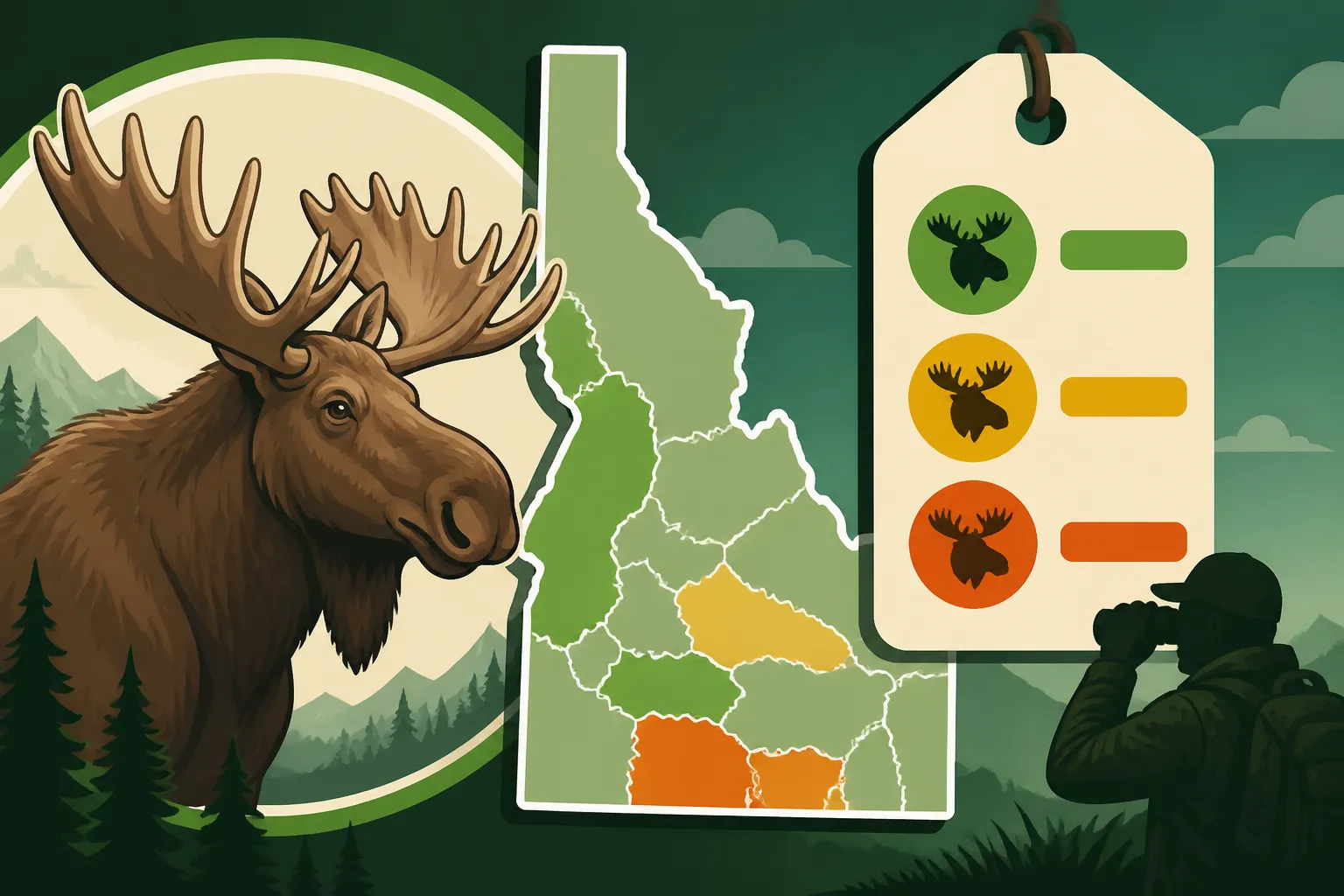
Idaho is home to the Shiras moose, the smallest subspecies of moose in North America, but don't let that fool you – they're still enormous animals! You'll find these majestic creatures primarily in the timbered, high-elevation areas with abundant willow and riparian zones. The distribution of Shiras moose across Idaho isn't uniform; some regions have denser populations than others, which directly influences where cow tags might be offered. For instance, areas like the Clearwater, Panhandle, and Island Park regions are known for their strong moose numbers. When you're dreaming of a moose hunt, understanding where the animals actually live is your first crucial step. The availability of tags directly correlates to these localized populations and their specific management needs.
Navigating the Controlled Hunt Application Process for Cow Moose
Getting a cow moose tag in Idaho is not a walk-up-to-the-counter affair. It's an exclusive opportunity tied to the controlled hunt draw system. This means meticulous planning and understanding the application calendar are absolutely essential. Missing a deadline means waiting another year, and nobody wants that kind of heartbreak!
The Annual Application Window
Idaho's controlled hunts, including those for moose, typically follow a specific calendar. The main application period usually opens in the spring, often around April, and runs for several weeks. This is your primary window to apply for moose tags, both bull and cow. It's absolutely critical to mark these dates on your calendar and double-check them every year, as they can shift slightly. You'll need to purchase a hunting license first, and then apply for the controlled hunt tags. While the Idaho Application Fee Per Species isn't exorbitant, it's an investment, and you want to make sure your application is solid.
Table: Key Deadlines for Idaho Moose Controlled Hunts (Approximate)
| Event | Typical Timeline | Notes |
|---|---|---|
| Application Opens | Early April | Purchase license first. |
| Application Deadline | Late April / Early May | Do not miss this window. |
| Results Posted | Early June | Check your results promptly. |
| Claim Deadline | Mid-August | Must claim your drawn tag to secure it. |
| Second Drawing (if applicable) | Early August | Opportunity for leftover tags. |
Specific Hunt Area Designations
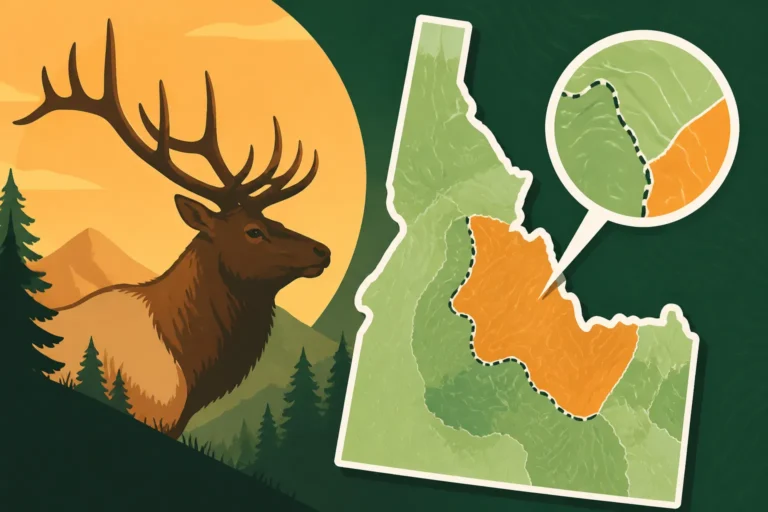
When you apply, you'll be choosing specific controlled hunt areas. These are often designated by Game Management Unit (GMU) numbers or a combination of units. It's vital to research which units offer cow moose tags, as not all units will. The Moose Hunt Area Boundaries Explained in the regulations will become your best friend here. Some areas might have "any moose" tags, while others will be explicitly designated for "antlerless moose" or "cow moose." It's not uncommon for cow tags to be offered in areas where the overall moose population is healthy but managers want to reduce numbers in specific, localized pockets. This precision targeting ensures that hunting pressure is applied where it's most beneficial for the herd and habitat.
Understanding Draw Odds and Success
Let's be real: drawing any moose tag in Idaho is tough, and cow moose tags are no exception. While they might sometimes have slightly better odds than bull tags, they are still highly coveted and limited. Idaho does not use a preference point system, which means every applicant, from first-timer to seasoned veteran, has Why First-Time Applicants Have Even Odds in Idaho in each draw. This can be both exciting and frustrating. It means you could draw on your first try, or you could apply for years without success.
For a clearer picture, it’s always a good idea to dig into past Idaho Moose Controlled Hunt Draw Odds data available through Idaho Fish and Game. They usually publish statistics from previous years, showing how many applications were received versus how many tags were issued for each hunt code. This data helps you make an informed decision when applying. Are you willing to apply for a hunt with 1% odds, or would you rather target one with, say, 5% if it's available? It's all about managing expectations and playing the long game.
Factors Influencing Cow Moose Tag Availability
The availability of cow moose tags isn't static; it's a dynamic process influenced by a multitude of ecological, biological, and even human factors. It's a testament to how carefully Idaho manages these magnificent animals. Understanding these underlying influences can help you anticipate where and when cow tags might be offered.
Population Surveys and Management Goals
Idaho Fish and Game biologists conduct extensive aerial surveys and ground studies to estimate moose populations, assess herd health, and monitor calf recruitment and survival rates. This scientific data is the backbone of all tag allocation decisions. If surveys indicate a stable or growing population, especially if it's nearing or exceeding the carrying capacity of its habitat, more cow tags might be issued. Conversely, if populations are declining due to disease, predation (like from How Wolf Predation Affects Elk Calf Survival, which can also impact moose), or harsh winters, then cow tags will likely be reduced or eliminated entirely. The goal is always to achieve a healthy, sustainable population, and cow tags are a precise tool to help meet these Idaho Moose Population Estimate Explained objectives.
Habitat Health and Carrying Capacity
Moose are intimately tied to their habitat, particularly areas with abundant willow, aspen, and other browse species. If a particular area's habitat is degraded or over-browsed, it can't support as many moose. In such cases, cow tags might be offered to reduce the population pressure on the habitat, allowing vegetation to recover. This long-term thinking ensures that future generations of moose have enough food and cover. Conversely, in areas with thriving habitat, higher cow tag numbers might be sustainable. Climate change, wildfires, and timber harvests can all dramatically alter habitat, and these changes are constantly monitored and factored into tag decisions.
Hunter Success Rates and Season Frameworks
While primarily a management tool, hunter success rates also play a subtle role. If a specific cow moose hunt consistently has very low success, managers might re-evaluate the season structure or tag numbers to ensure the tags are effective in meeting their management goals. Also, the Idaho Moose Season Dates by Weapon can influence the effectiveness of a hunt, which in turn influences future tag availability. For instance, an early archery-only season might have different impacts than a later rifle season. All these elements are carefully balanced to maintain healthy moose populations while providing limited, high-quality hunting opportunities.
Securing a Cow Moose Tag: Tips and Strategies
So, you're committed to the dream of an Idaho cow moose. That's fantastic! It's a truly special hunt. Now, let's talk about some strategies to maximize your chances and ensure you're ready when that coveted tag finally comes your way.
Consistent Application and Research
The single most important strategy for drawing a cow moose tag is consistent application, year after year. There are no Idaho Has No Preference Points, and What That Changes, so every application has an equal chance. Don't get discouraged if you don't draw immediately; persistence is key. Beyond just applying, dedicate time to thorough research. Use tools like GoHunt to analyze past draw odds and success rates for specific units. Look at units that have consistently offered cow tags and try to understand why. Sometimes, a unit that's less popular for bull moose might have better odds for a cow tag because fewer hunters are focused on it, or because it has a specific management need. Don't just apply for the "glamour" units; look for those hidden gems.
Exploring the Second Drawing and Returned Tags
Even if you don't draw in the initial main lottery, your journey might not be over. Idaho often conducts How Idaho's Second Controlled Hunt Drawing Works in August for any tags that weren't claimed in the first draw. While it's rarer for moose tags to go unclaimed, it does happen. Keep an eye on these opportunities. Additionally, throughout the season, hunters who can't make their hunt sometimes return their tags to Fish and Game. These Returned Tag Sales Are Idaho's Back Door can then be resold on a first-come, first-served basis. These are truly needles in a haystack, but if you're diligent and quick, you might just snag a last-minute tag. It's worth knowing about these avenues, especially if you're flexible with your hunting dates.
Physical Preparation for a Moose Hunt
Drawing a moose tag, whether for a bull or a cow, means you're going to be hunting a truly large animal in often challenging terrain. These are not easy hunts, and a cow moose is still a massive animal to process and pack out. Focus on serious physical conditioning. Idaho's moose country is typically steep, timbered, and can involve significant elevation changes. You'll be traversing fallen timber, navigating thick brush, and potentially dealing with mud or snow. Being in peak physical condition will not only make the hunt more enjoyable but will also increase your chances of success and, crucially, make the pack-out manageable. Start a regimen that includes cardio, strength training, and hiking with a pack long before you even think about putting in for a tag. It's the kind of preparation that really sets you apart and truly honors the animal you're pursuing.
Disclaimer
This article is for general informational purposes only and does not constitute professional advice. Laws, prices and regulations vary by location and change over time. Consult a qualified professional for guidance on your specific situation.