Bear Safety Practices in an Outfitter Camp
Heading into the Idaho backcountry, especially when you're relying on an outfitter to guide you to that dream elk or deer, brings an incredible sense of adventure. But let's be honest, there's always that little flicker of worry in the back of your mind about bears, particularly grizzlies in certain areas. It's a very real concern, and understanding how outfitter camps manage these encounters and what you, as a hunter, can do to stay safe is absolutely crucial for peace of mind and, well, your actual safety. This guide will walk you through the essential bear safety practices you can expect and contribute to in an outfitter camp.
Understanding Idaho's Bears and Their Habits
Before you even step foot into an outfitter camp, it’s vital to understand the "neighbors" you might encounter. Idaho is home to both black bears and grizzly bears, and while their behavior often overlaps, there are critical differences in how you should react to each. Knowing their habits helps you contribute to a safer camp environment and react appropriately if an encounter does occur. It’s not just about what the outfitter does; it’s about what everyone in camp understands.
Black Bears: Common Encounters and Behavior
Idaho's black bear population is widespread, found in nearly every forested corner of the state, from the northern panhandle all the way down to the central mountains. They're often curious, highly intelligent, and incredibly food-driven, which means they can quickly become habituated to human presence if food sources are left accessible. I've seen them walk right into a camp if they smell something interesting. These bears are generally smaller than grizzlies, varying in color from black to cinnamon, brown, or even blonde. They usually prefer to avoid humans, but a bear that has learned to associate people with food is a dangerous one. Their natural response is often to run, but don't ever assume that. They can be unpredictable, especially if cubs are present or if they feel cornered. They'll test boundaries, circle camps, and look for easy opportunities. The Black Bear Population Estimate Explained can give you a deeper dive into their numbers.
Grizzly Bear Country: Recognizing the Risk
Now, grizzlies are a whole different ballgame. While their range in Idaho is more restricted, primarily in the Yellowstone and Selkirk ecosystems in the eastern and northern parts of the state, it's absolutely crucial to know if your hunt is taking you into grizzly country. Grizzlies are larger, often have a noticeable shoulder hump, and a dished-in face profile. They tend to be more aggressive and less tolerant of human presence than black bears, especially sows with cubs or boars defending a kill. An encounter with a grizzly demands a different level of vigilance and a more cautious, often more assertive, response. Many outfitters operating in these specific regions will have very clear protocols and might even require you to carry bear spray as part of your essential gear list. Grizzly Identification for Idaho Bear Hunters is a must-read if you're even close to their range.
Bear Behavior: Why They Come to Camp
Bears don't typically seek out human confrontation; they're looking for an easy meal or a safe place to forage. The biggest draw for any bear to a camp is food, and any item that smells like food. This includes not just your dinner, but also toothpaste, deodorant, sunscreen, dog food, and even the scent on your clothes from cooking. Bears have an incredible sense of smell, sometimes cited as seven times better than a bloodhound's. If your outfitter camp isn't meticulous about scent control and food storage, it’s an open invitation. They’re opportunistic scavengers, and once they find a food source in a camp, they'll remember it and likely return. This is where the proactive measures really come into play.
Proactive Measures for a Safe Outfitter Camp
A truly safe outfitter camp isn't about hoping bears stay away; it's about making sure they have absolutely no reason to come close in the first place. Good outfitters understand this intimately and implement rigorous protocols. But it's a team effort, and every hunter needs to do their part.
Securing Food and Scented Items
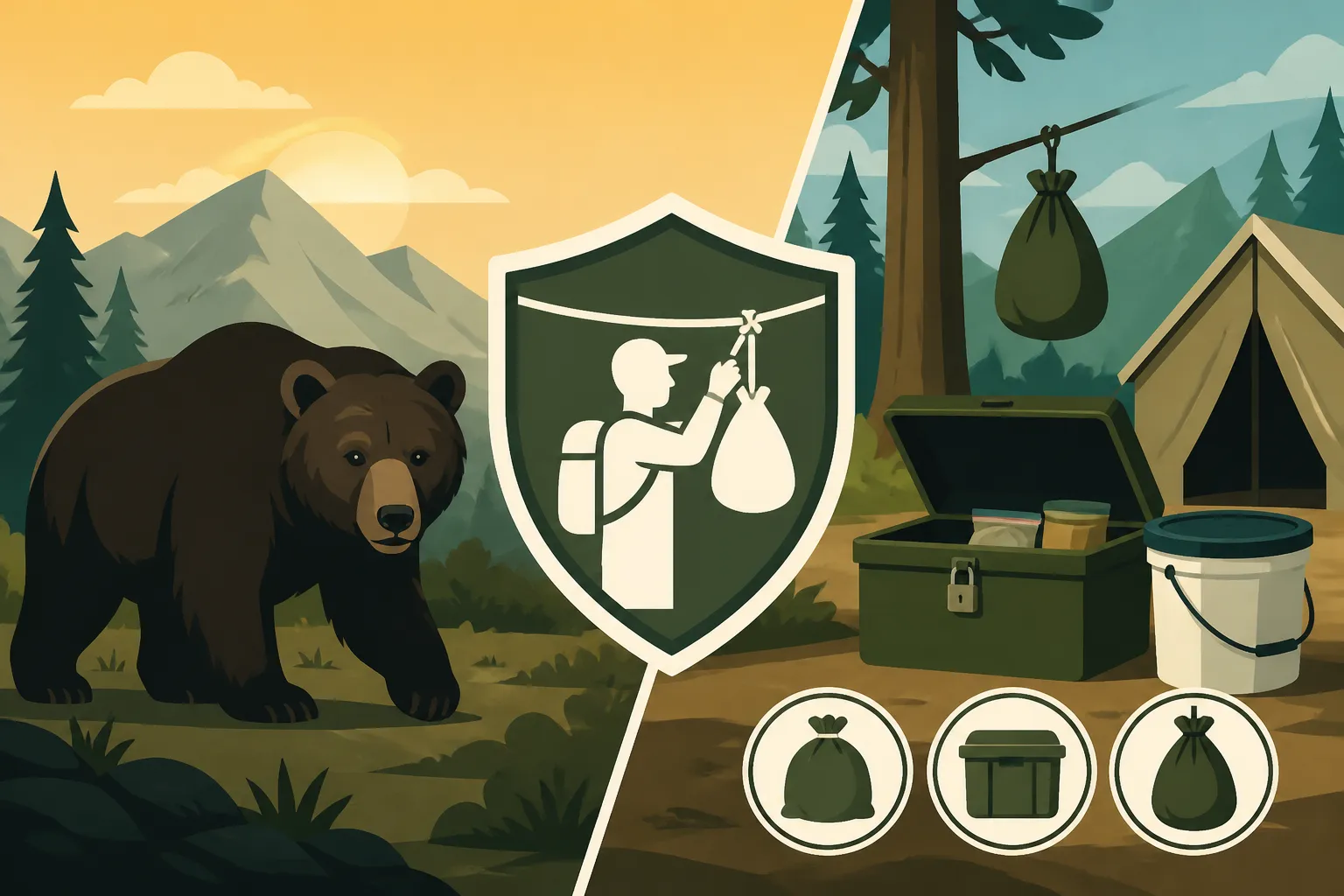
This is the cornerstone of bear safety. In an outfitter camp, there should be a dedicated, secure area for all food and scented items. This often means sturdy bear-resistant containers, hung bear bags (suspended well off the ground and away from tree trunks), or even electric fences around a designated food prep and storage area. Tents are NOT bear-resistant; leaving a granola bar in your pack inside your tent is a huge mistake.
Think about everything that has a scent. Your toiletries, medications, even the wrappers from your trail snacks. All of these need to be stored with the same diligence as the actual food. Your outfitter should have a clear system for this, and it’s your responsibility to follow it without fail. If you’re unsure, ask. A good outfitter will be happy to explain their methods and why they do what they do. I've seen too many hunts ruined by a bear getting into camp because someone left a bag of chips in their tent.
Choosing Your Camp Layout Wisely
The physical layout of an outfitter camp is another critical piece of the puzzle. Ideally, the sleeping area should be separated by a significant distance (at least 100 yards, sometimes more, depending on terrain) from the cooking, eating, and food storage areas. This creates a "triangle of safety," where your sleeping quarters are less likely to be investigated if a bear is drawn to food scents. Fire pits, where food is often cooked, should also be a good distance from sleeping tents.
Additionally, consider the terrain. Camping near dense brush or thick timber provides easy cover for a bear to approach unseen. Outfitters will usually choose more open, defensible spots for sleeping tents, with good sightlines. A reputable outfitter often has established camp locations they use year after year, precisely because they meet these safety criteria. It's not just about finding flat ground; it's about finding safe ground.
Managing Waste and Odors
Just as important as securing fresh food is managing waste. All food scraps, cooking grease, and even dishwater can attract bears. Outfitters will have designated waste containers that are either bear-resistant or frequently hauled out of camp. Often, burnable waste will be incinerated nightly, and non-burnable waste will be sealed and stored away from camp. Never, ever bury food scraps or dump grease in the bushes around camp. That's just inviting trouble.
Even human waste needs careful management, especially in extended backcountry camps. Proper latrine setup and use of "wag bags" in some areas can minimize scent attractions. Odors cling to clothes, cooking utensils, and even campfires. Some outfitters may encourage you to change out of your "cooking clothes" before bed, or to keep hunting clothes separate from camp clothes to avoid cross-contamination of scents. It seems like a lot of hassle, but it's an investment in everyone's safety.
| Safety Measure | Black Bear Country | Grizzly Country | Hunter's Responsibility |
|---|---|---|---|
| Food Storage | Bear-resistant containers, hung bags (10 ft high, 4 ft from trunk) | Hard-sided containers, electric fence recommended for base camps | Follow outfitter's protocols, secure all scented items |
| Camp Layout | Separate cooking/sleeping by ~100 yards | Separate cooking/sleeping by ~100-200 yards, good sightlines | Respect designated areas, don't deviate from layout |
| Waste Management | Pack out all trash, burn combustibles, secure dishwater | Pack out all trash, meticulous odor control, secure greywater | Never leave food scraps, ask about waste disposal |
| Bear Spray | Recommended | Essential (easily accessible) | Carry it, know how to use it, practice draw/deployment |
| Alertness | Be aware of surroundings | Heightened awareness, scan constantly | Pay attention, report any bear sign to outfitter |
| Firearms for Defense | If experienced and legal | If experienced and legal (supplement to spray) | Only as a last resort, follow outfitter's guidance |
| Noise & Travel | Make noise while hiking | Make consistent noise, travel in groups | Talk, sing, clap hands, use bear bells if desired |
What to Do in an Encounter
Despite all the best preventative measures, encounters can still happen. The most important thing is to stay calm and know how to react. Your outfitter should brief you on their specific protocols, but understanding general bear behavior is vital.
Identifying a Bear's Intent
This is crucial. A curious bear, a defensive bear, and a predatory bear require very different responses.
- Curious/Non-threatening: The bear might stand on its hind legs to get a better smell or view. It might slowly approach, perhaps testing your boundaries. In these cases, make yourself look as large as possible, make noise, and slowly back away. Talk to the bear in a calm, firm voice. Do not run.
- Defensive: This is usually a sow with cubs, or a bear surprised at close range, or one defending a kill. Signs include huffing, jaw popping, swatting the ground, and a bluff charge. If a bear bluff charges, stand your ground, continue to make noise, and prepare your bear spray. Most defensive charges are just that—bluffs—intended to scare you away. Running can trigger a chase response.
- Predatory: This is rare, but the most dangerous. A predatory bear will approach silently, perhaps at a steady pace, often trying to circle you or approach from behind. Its head will be low, ears back, and it might not show typical defensive signs. This is an attack motivated by hunger, not fear.
Using Bear Spray Effectively
Bear spray is your best friend in bear country, and many experts will tell you it's often more effective than a firearm in deterring an attack. It's a non-lethal deterrent that creates a cloud of irritating capsaicin (pepper derivative) which affects a bear's eyes, nose, and lungs.
- Accessibility is Key: It needs to be on your hip, in a chest holster, or somewhere you can grab it instantly. Not buried in your pack.
- Aim for the Face: When a bear is within about 15-30 feet, aim for the bear's face and deploy the spray in short bursts, creating a cloud between you and the bear.
- Know Your Range: Understand the effective range of your specific can.
- Practice: Dry practice drawing and aiming your spray. The last thing you want is to be fumbling with it when a bear is charging. Your outfitter can advise on Bear Spray Against a Sidearm in Grizzly Country to help you decide on your personal defense tools.
Defensive vs. Predatory Attacks
Your response changes based on the attack type:
- Defensive Attack (most common): If a bear makes physical contact during a defensive attack (usually a quick bite or swat), play dead. Lie on your stomach, protect your head and neck with your arms, and spread your legs to make it harder for the bear to flip you over. Stay still until you are absolutely certain the bear has left. This signals to the bear that you are no longer a threat.
- Predatory Attack (rare, but severe): If a bear stalks you, then attacks, or attacks without any warning (not associated with cubs or a carcass), fight back. Use whatever you have – rocks, sticks, trekking poles, your fists – aim for the face and eyes. This signals that you are not easy prey. This is where a sidearm, if you are proficient and it is legal to carry, could potentially be used, but remember, bear spray is still often the first line of defense.
Preventing Encounters While Hunting Away From Camp
Bear safety doesn't end when you leave the outfitter's camp. When you're actively hunting, especially during archery or early rifle seasons when bears are still very active, you need to maintain vigilance. This is where your individual actions really count.
Making Noise on the Trail
When you're moving through dense timber or thick brush, particularly where visibility is limited, it’s a good practice to make some noise. Talk with your hunting partners, sing a little, or occasionally clap your hands. This is especially true when you’re approaching noisy areas like creeks or windy ridges that might mask your presence. You don't want to accidentally sneak up on a bear, particularly a sow with cubs or one that's bedded down. The goal is to avoid surprising them. Even if you're trying to be stealthy for game, there's a balance. A sudden, unexpected encounter is more likely to result in a defensive charge. This is where tools like GoHunt's mapping features can help you identify areas of dense cover where bears might be more prevalent, allowing you to be extra cautious.
Handling Carcasses and Field Dressing
Successfully harvesting an animal creates a major bear attractant. The smell of blood and gut piles can draw bears from a long distance. If you've just downed an elk or deer, be incredibly vigilant. Scan your surroundings constantly, looking for any signs of movement or fresh tracks.
- Move the Carcass: If possible, try to move the animal at least 100 yards away from the gut pile before field dressing it, especially if you're working in thick cover or in known grizzly country.
- Monitor the Area: As you're field dressing, have a partner keep watch, or take frequent breaks to scan.
- Separate Meat from Camp: Never bring field-dressed meat directly into your sleeping area at camp. Your outfitter will have a designated meat pole or storage area that's typically separate and secure. This might be where you find a Two-Way Radio Use Between Hunting Partners especially useful, allowing one person to stand guard while the other works.
- Plan Your Retrieval: If you plan to leave a carcass overnight to cool or to retrieve the next day, coordinate closely with your outfitter. They might recommend hanging it, covering it to deter scavengers, or even adding a game camera with scent deterrents nearby. If you're looking for an outfitter, using a platform like BookYourHunt allows you to filter by those with strong safety protocols, including game retrieval and carcass handling.
Carrying Protection Beyond Camp
While your outfitter might provide some group safety measures, individual responsibility for protection is paramount.
- Bear Spray Always: As mentioned, carry bear spray and have it immediately accessible. This is non-negotiable in bear country.
- Firearms: If you are legally permitted and proficient with a firearm, it can be a last-resort option. However, it requires practice, proper caliber choice, and the ability to maintain composure under extreme stress. It's not a replacement for bear spray. Remember, your primary goal is to deter, not necessarily kill, the bear. Bear Spray Against a Sidearm in Grizzly Country offers more perspective on this critical choice.
- Hunting with Partners: Whenever possible, hunt with a partner, especially in dense cover or known bear areas. Two pairs of eyes are better than one, and two voices are louder.
- Awareness: Pay attention to fresh bear sign – tracks, scat, overturned rocks, claw marks on trees. Report anything unusual to your outfitter immediately. Your outfitter will often check for this during their daily Reading Fresh Elk Sign in Dark Timber or other scouting efforts.
By understanding the risks, implementing proactive measures, and knowing how to react in an encounter, you significantly increase your safety and the safety of everyone in camp. It's a critical part of hunting in Idaho's wild and beautiful country.
Disclaimer
This article is for general informational purposes only and does not constitute professional advice. Laws, prices and regulations vary by location and change over time. Consult a qualified professional for guidance on your specific situation.