The Black Bear Population Estimate Explained
It’s a common frustration for hunters, isn't it? You look at the Idaho Fish and Game regulations, or you're planning your next spring or fall bear hunt, and you see references to population estimates, harvest quotas, and success rates. But what do those numbers actually mean, and how does the state even know how many black bears are roaming the vast Idaho landscape? It can feel like a mystery, leaving you wondering if you're hunting an area brimming with bears or a sparsely populated unit. This guide is here to pull back the curtain on how Idaho approaches black bear population estimates, helping you understand the science, the challenges, and what these figures truly mean for your hunting strategy.
Understanding Black Bear Population Estimates
When we talk about wildlife populations, especially for a creature as elusive and wide-ranging as the black bear, it's vital to understand that an "estimate" is precisely that—an educated guess, not a census. Unlike counting cows in a pasture, counting wild bears across hundreds of thousands of acres of dense timber, rugged mountains, and remote canyons is an incredibly complex undertaking. Idaho Fish and Game (IDFG) doesn't have a magic bear-counting machine, but rather employs a suite of scientific tools and methods to arrive at the most accurate picture possible.
Why Estimates are Crucial for Management
Think of it this way: if you're managing your finances, you need to know how much money you have coming in and going out, right? Wildlife management operates on a similar principle. Population estimates are the bedrock upon which all sustainable hunting seasons and conservation efforts are built. Without a reasonable understanding of how many bears exist in a given area, setting appropriate harvest quotas, season lengths, or even understanding the health of the ecosystem becomes a shot in the dark.
IDFG's primary goal isn't just to provide hunting opportunities, though that's a key component. It's about maintaining healthy, viable bear populations across the state. This means ensuring there are enough bears to reproduce, that their habitats are secure, and that their numbers don't explode to the point of creating widespread conflict with human communities or significant depredation on other wildlife species. An accurate population estimate allows biologists to make informed decisions that balance all these factors. It's a challenging dance, trying to keep the population robust while also providing for regulated harvest and addressing local concerns.
The Hunter's Stake in Population Numbers
As a hunter, these population estimates directly translate into your opportunities in the field. If a unit has a robust, growing bear population, IDFG might offer more tags, longer seasons, or even Two-Bear Limits in Some Idaho Units. Conversely, if a population shows signs of decline, you might see reduced tag numbers, shorter seasons, or even temporary closures to allow the bears to recover.
Understanding these dynamics can profoundly influence your hunting strategy. Knowing that a unit has a high bear density might encourage you to focus your scouting there, or perhaps consider a different weapon choice for potential close-range encounters. It also helps manage expectations; a unit with a lower population estimate, even if it holds big bears, will likely mean lower overall success rates and require more persistence on your part. Reputable platforms like GoHunt often incorporate this kind of public data into their unit profiles, giving hunters a fantastic resource for pre-season research. It’s all about putting yourself in the best position for a successful, and ethical, hunt.
The Science Behind Idaho's Bear Numbers
So, how exactly does Idaho Fish and Game tackle the monumental task of estimating black bear populations? It's a combination of cutting-edge technology and time-tested traditional methods, all woven together through sophisticated statistical modeling. No single method provides the complete picture; rather, it’s the layering of different data sources that builds a comprehensive understanding.
Non-Invasive Techniques: Hair Snares and DNA
One of the most powerful modern tools in bear population estimation is the use of hair snares coupled with DNA analysis. This method is incredibly clever because it allows biologists to "capture" individual bears without ever having to touch them directly.
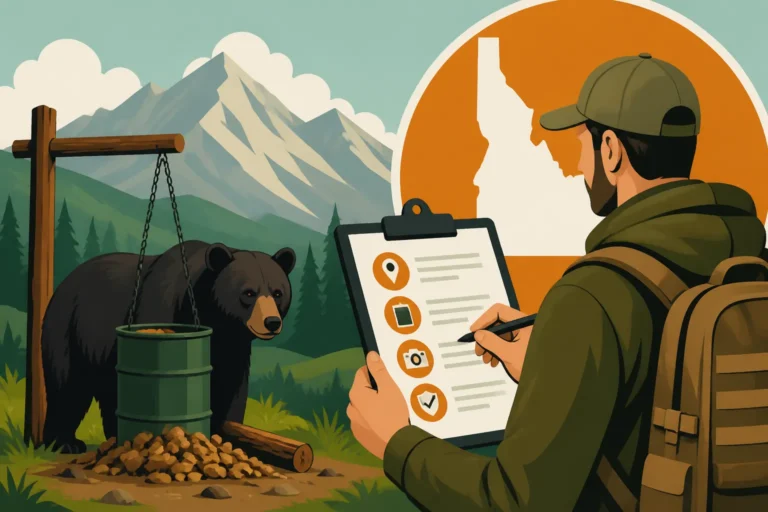
Here's how it generally works: Biologists strategically set up survey sites in bear habitat. These sites often involve a perimeter of barbed wire strung around a bait station, usually a pile of scent attractant like decaying fish, a strong-smelling commercial lure, or even just a pungent dog kibble mix. Bears, being naturally curious and drawn to strong smells, will investigate the bait. As they squeeze under or over the barbed wire, strands of their hair are snagged. The barbs are specifically designed to collect hair without injuring the animal.
Once the hair samples are collected, they are carefully cataloged by location and then sent to a genetic lab. Each hair follicle contains DNA, unique to that individual bear. By analyzing these DNA samples, researchers can identify individual bears, determine their sex, and sometimes even their kinship. If they collect samples from Bear A at one snare site on Monday and then again at another site a week later, they know it's the same bear. Over the course of a sampling period (which might last several weeks or even months), they can generate a "capture-recapture" history for many individual bears within a defined study area. This data, when run through statistical models, allows them to estimate the total number of unique bears in that specific area, giving them a density figure (e.g., X bears per 100 square miles). This information, along with habitat analysis, can then be extrapolated to similar habitat types across broader regions.
The benefits are huge: it's non-invasive, causes minimal stress to the bears, and provides definitive individual identification. The challenges, however, include the significant cost of setting up numerous snare sites and running the complex genetic analyses, as well as the logistical hurdles of accessing remote areas to maintain and check the snares.
Traditional Methods: Sightings, Harvest Data, and Hunter Surveys
While DNA analysis is a powerful tool, it's often complemented by more traditional, ongoing data collection methods that have been used for decades. These methods provide a long-term perspective and cover vast areas where intensive DNA sampling might not be feasible.
One important data stream comes from various sightings. Biologists, forest rangers, and even the general public often report bear sightings. While these aren't precise counts, they can help establish presence, general distribution, and sometimes even give clues about reproductive success if sows are seen with cubs. Of course, such anecdotal reports are heavily weighted by human presence, so they need to be interpreted with caution.
Perhaps the most consistent and valuable traditional dataset comes from mandatory harvest reporting. In Idaho, when a hunter successfully harvests a black bear, they are required to report it to IDFG. This report typically includes details such as the date and location of the harvest, the sex of the bear, and often, an age can be determined by submitting a tooth. This information is gold for wildlife managers. For instance, a high proportion of young bears in the harvest might indicate a healthy, reproducing population. Conversely, a harvest dominated by older bears with few young ones could signal reproductive issues or high cub mortality. Every single harvest report contributes to a massive database that helps IDFG track trends over time. This continuous feedback loop is critical for adaptive management.
Finally, hunter surveys also play a role. These surveys, which might be conducted formally after a season or through voluntary reporting on platforms, gather information on hunter effort (how many days were spent hunting), success rates, and observations of bears, cubs, and sign. While not as scientifically rigorous as DNA analysis, they provide valuable context and a broader snapshot of what's happening on the ground from the perspective of those who spend the most time out there.
Modeling and Projections: Putting the Data Together
Once all this diverse data—DNA results, harvest reports, sightings, and survey responses—is collected, it doesn't just sit in a spreadsheet. Biologists and statisticians employ sophisticated mathematical models to synthesize all the information. Think of these models as complex algorithms that can take disparate pieces of evidence and create a coherent picture of the bear population.
These models project population trends by accounting for various factors:
- Birth Rates: How many cubs are born each year, based on the number of breeding-age sows and reproductive success rates.
- Survival Rates: How many cubs survive their first year, and how many adult bears survive year to year. This is influenced by food availability, predation (from other bears, wolves, or mountain lions), disease, and human-caused mortality (hunting, vehicle collisions, conflict removals).
- Mortality: Not just hunting harvest, but also natural deaths, depredation, and accidents.
By plugging in all the available data, these models can estimate the current population size, predict future trends, and assess the impact of different management scenarios. For example, a model might predict how a change in cub survival due to a particularly harsh winter could affect the population five years down the road, or how an increase in harvest pressure on sows might impact reproductive potential. This forward-looking capability is essential for proactive management, allowing IDFG to make adjustments to seasons and quotas before a problem becomes critical. It's a continuous process of data collection, analysis, and refinement, always striving for a more accurate understanding of Idaho's black bear populations.
Factors Influencing Idaho's Black Bear Dynamics
Black bears in Idaho are constantly responding to their environment. Their populations aren't static; they ebb and flow based on a complex interplay of natural and human-influenced factors. Understanding these elements can give you an even deeper appreciation for the challenges of managing these incredible animals and offer insights into where and when you might find them.
Habitat and Food Availability
The old saying "food equals deer" could just as easily be "food equals bears." Black bears are opportunistic omnivores, and the availability of their preferred foods is a primary driver of their health, reproductive success, and ultimately, population density. In Idaho, this means things like:
- Berry Crops: Huckleberries, serviceberries, chokecherries, and various other wild berries are critical food sources, particularly in late summer and fall as bears pack on fat for winter. A bumper crop year for berries can lead to healthier bears, more successful breeding, and larger litter sizes. Conversely, a poor berry year due to drought or late frosts can stress bears, reduce cub survival, and even delay denning.
- Mast Crops: While less prevalent than in some eastern states, some parts of Idaho offer pine nuts, acorns, or other hard mast that bears relish. The cyclical nature of these crops (some years abundant, some years sparse) directly impacts bear condition.
- Green Forage: In spring, bears emerge from dens ravenously hungry, seeking out tender new grasses, sedges, and forbs in avalanche chutes, south-facing slopes, and riparian areas. The timing and abundance of this green-up dictates how quickly bears can recover from hibernation.
- Human-Provided Food: Unfortunately, bears are incredibly adaptable, and agricultural crops, fruit orchards, unsecured garbage, and poorly managed bird feeders can become significant food sources. While this might temporarily boost numbers in localized areas, it often leads to human-wildlife conflict and can habituate bears to people, often with negative outcomes for the bear.
Units with diverse, high-quality forage throughout the seasons will generally support higher bear densities. This is why when you're looking for Where Black Bear Density Runs Highest, you'll often find it correlated with areas rich in these natural food sources.
Predation and Competition
Black bears, especially young cubs, aren't immune to being preyed upon, and they also face competition for resources from other animals.
- Intraspecific Predation: Adult male black bears (boars) are known to kill and sometimes eat cubs, even their own, particularly if food is scarce. This natural form of population control is a significant factor in cub mortality, especially in areas with high bear density or when prime boars encounter small cubs without a sow present.
- Interspecific Predation: While adult black bears are formidable, cubs can fall prey to larger predators such as Wolf Seasons Change Unit by Unit in Idaho or mountain lions. While wolves primarily target ungulates like elk and deer, an opportunistic wolf might take a bear cub if encountered.
- Competition: Bears compete with other omnivores and herbivores for food resources. A year with a poor berry crop, for example, might see bears competing more intensely with deer, elk, and smaller mammals for remaining forage, which can lead to poorer bear condition.
These natural checks and balances are built into the ecosystem and influence the survival rates of bears, particularly the vulnerable young.
Hunter Harvest and Management Goals
Hunter harvest is a crucial, and intentionally managed, component of black bear population dynamics in Idaho. Unlike some other wildlife populations where hunting might be largely opportunistic, bear hunting is carefully regulated to meet specific management goals.
- Targeted Harvest: IDFG uses harvest quotas and season structures to manage populations. For instance, sometimes the goal is to reduce bear numbers in an area experiencing high levels of human-bear conflict or where bears might be impacting other wildlife populations (like elk calves). Other times, the goal is to maintain a stable or even growing population.
- Sex-Specific Harvest: Biologists pay close attention to the sex ratio of the harvest. A high harvest of breeding-age sows can have a much more significant impact on future population numbers than the harvest of boars, as sows are the reproductive engine of the population. Regulations, such as those that might lead to Two-Bear Limits in Some Idaho Units, are carefully crafted with these considerations in mind.
- Hunter Data Feedback Loop: The mandatory harvest reporting discussed earlier is vital here. Each reported bear helps IDFG understand how current regulations are impacting the population, allowing them to adjust future seasons, limits, and controlled hunt allocations. This iterative process of setting rules, collecting data, analyzing results, and then adjusting rules is the cornerstone of modern wildlife management.
Human-Wildlife Interactions
As human populations grow and expand into traditional bear habitats, the interface between people and bears inevitably increases. These interactions can significantly impact bear numbers and distribution.
- Road Mortality: Bears, especially younger, dispersing individuals, are susceptible to being hit by vehicles, particularly on busy highways that bisect their habitat.
- Depredation and Conflict: Bears that become habituated to human food sources can become "nuisance bears," breaking into cabins, raiding campgrounds, or even preying on livestock. Idaho Fish and Game often has to deal with these situations, which can result in the relocation or, unfortunately, euthanasia of conflict bears. While these individual removals might seem small, they can add up, especially in populated areas.
- Education and Prevention: A significant part of mitigating these negative interactions comes down to human behavior. Education campaigns on proper food storage in bear country, securing garbage, and removing attractants are critical for reducing conflicts and helping bears remain wild. Hunters, as stewards of the land, play a key role in setting a good example and promoting responsible behavior in bear country, especially where Grizzly Identification for Idaho Bear Hunters is also a concern.
By understanding these multifaceted influences, you can develop a more holistic perspective on bear populations and appreciate the complexity of managing them effectively.
Applying Population Knowledge to Your Idaho Bear Hunt
Knowing how black bear populations are estimated and what factors influence them isn't just academic; it's incredibly practical for planning and executing a successful and ethical hunt. Let's break down how you can use this information to your advantage.
Interpreting Unit-Specific Data
The statewide black bear population estimate is a useful benchmark, but the real power for hunters lies in understanding the data at a more granular, unit-specific level. Idaho is a vast state, and bear densities and opportunities can vary wildly from one game management unit to another.
- IDFG Resources: The Idaho Fish and Game website is your first and best resource. They publish detailed harvest statistics by unit, often including historical trends, success rates, and the sex/age composition of the harvest. A unit that consistently shows a high number of harvested bears and a good proportion of young bears might indicate a healthy, thriving population. Pay attention to success rates – a unit with a 20% success rate on black bears offers significantly better odds than one with 5%, even if both units technically "have bears."
- Third-Party Platforms: This is where tools like GoHunt really shine. They often compile and visualize IDFG data in user-friendly formats, allowing you to easily compare units, overlay public land maps, and see historical drawing odds or success rates at a glance. They can help you sift through the data to identify units with promising bear populations and hunter success, making your pre-season scouting much more efficient.
- Beyond Raw Numbers: Remember, a "high population estimate" doesn't automatically mean easy hunting. Terrain, access, and hunter pressure are massive factors. Some units might hold many bears, but if they're in incredibly rugged, dense timber with limited access, they might still be challenging to hunt. Conversely, a unit with slightly lower numbers but more open country or favorable topography could offer better opportunity for a spot-and-stalk hunter. Always cross-reference population data with information on terrain, public land access, and historical pressure.
Scouting Smarter with Bear Biology in Mind
Armed with knowledge about bear biology and population dynamics, you can make your scouting efforts significantly more productive.
- Focus on Food Sources: Since food availability is king, your scouting should revolve around current and historical food sources. For a spring bear hunt, focus on south-facing slopes, old burns, and riparian areas where new green growth emerges first. If you're planning a fall hunt, zero in on areas known for huckleberries, chokecherries, or other mast crops that are ripe during Fall Black Bear Controlled Hunt Timing in Idaho. A platform like GoHunt can help you overlay historical fire maps or forest type data to pinpoint prime habitat.
- Consider Seasonal Movements: Bears shift their patterns throughout the year. In early spring (Idaho Spring Bear Season Opening Date), they'll often be lower on the mountainsides, seeking out the first greens. As the season progresses and food sources at higher elevations become available, they'll often move up. In late fall, they're focused on packing on calories before denning, often concentrating on persistent food sources. Understanding these shifts helps you narrow down where to look at different times.
- Baiting Considerations: If you're considering a baiting approach, which is a common and effective method for black bears in Idaho (see How Bear Baiting Works in Idaho and Registering a Bear Bait Site), knowing population density can inform your effort. In areas with higher bear numbers, you might have more activity on your baits. Even if you're not baiting, understanding general bear movements in relation to food sources will guide your spot-and-stalk or still-hunting efforts.
Ethical Considerations and Species Identification
Finally, your role as an ethical hunter is paramount, and understanding bear populations contributes to this significantly.
- Positive Identification: In many parts of Idaho, particularly the northern and central regions, black bear habitat overlaps with that of grizzly bears. The importance of positive identification cannot be overstated. Mistaking a grizzly for a black bear can have severe legal and conservation consequences. Take the time to understand the key differences (shoulder hump, facial profile, ear size, claw length) before you pull the trigger. Resources like Grizzly Identification for Idaho Bear Hunters and Where Grizzlies Overlap Idaho Hunting Units are essential reading. When in doubt, don't shoot.
- Safety in Bear Country: Always be prepared for an encounter, especially in areas with high bear density. Carrying Bear Spray Against a Sidearm in Grizzly Country is a wise precaution, regardless of what species you're targeting.
- Accurate Reporting: Remember that your harvest report contributes directly to future population estimates and management decisions. Be meticulous and honest in your reporting. This data helps IDFG ensure sustainable hunting for generations to come.
By integrating population knowledge with your scouting and hunting practices, you become not just a hunter, but an informed participant in wildlife conservation, increasing your chances of success while upholding the highest ethical standards.
Disclaimer
This article is for general informational purposes only and does not constitute professional advice. Laws, prices and regulations vary by location and change over time. Consult a qualified professional for guidance on your specific situation.