Spring Against Fall Bear Hunting Compared
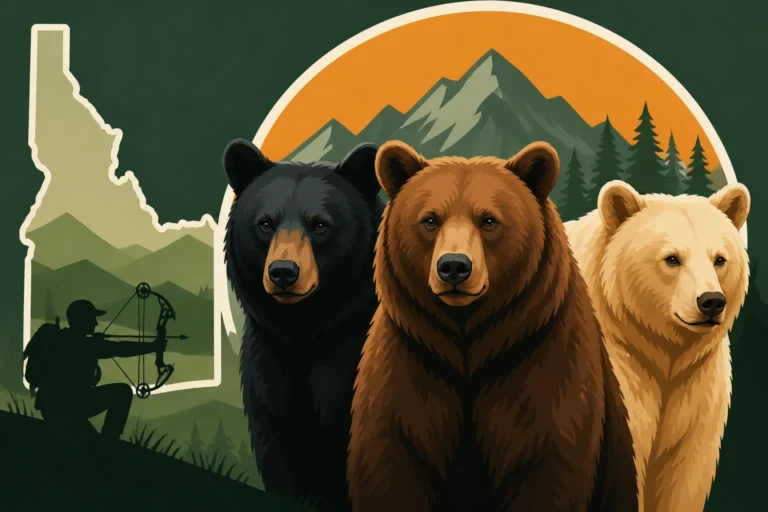
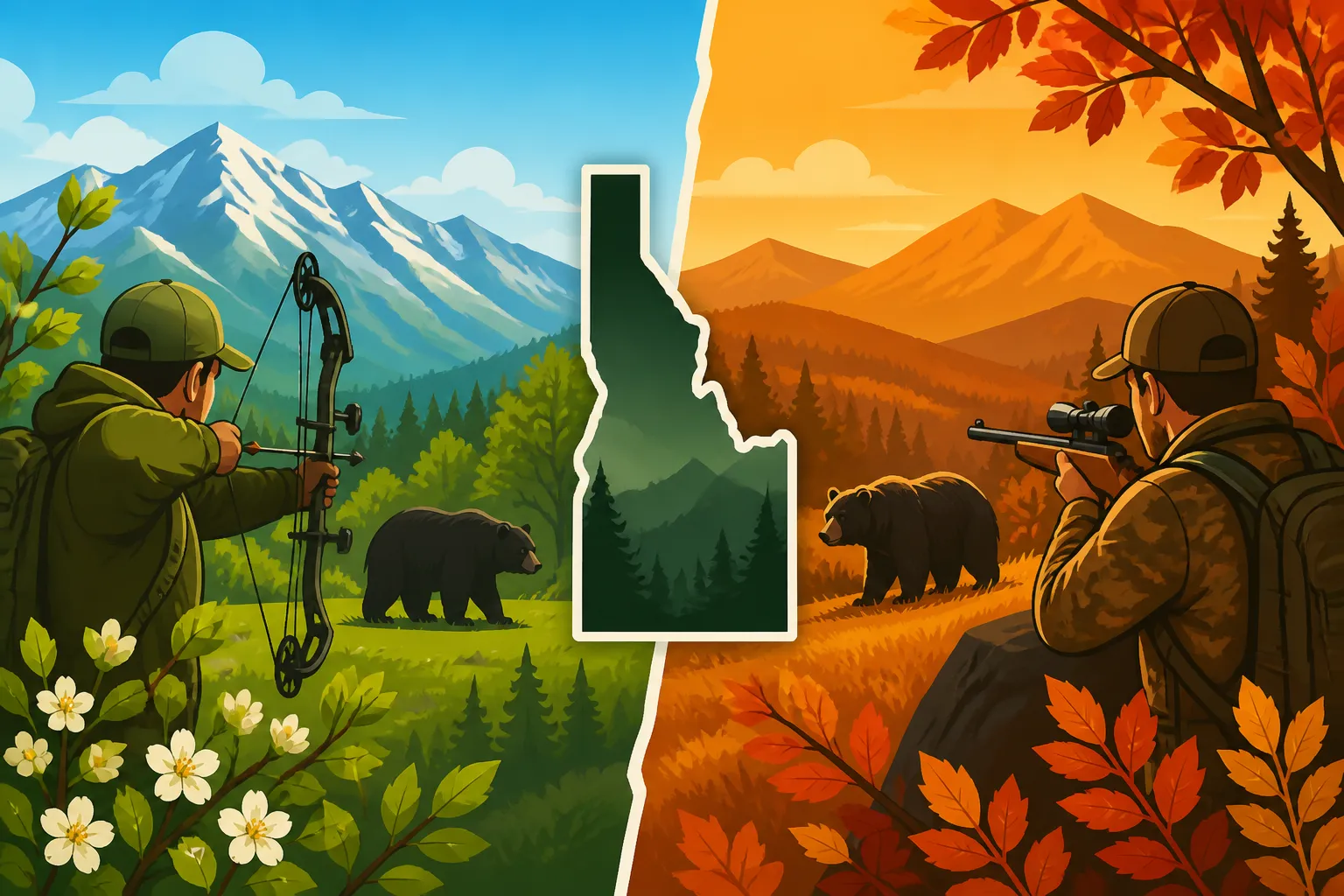
Many hunters face a tough choice when planning their black bear pursuit in Idaho: do you head out in the brisk air of spring, or wait for the colorful foliage and crisp conditions of fall? Each season presents a uniquely different set of challenges and opportunities, influencing everything from bear behavior and feeding patterns to hunting tactics and success rates. It's not just about when you go, but how you prepare for the unique rhythm of the bears in each period. This comprehensive guide will help you understand the nuances of both spring and fall bear hunting in Idaho, empowering you to make the most informed decision for your next adventure and hopefully bring home some delicious bear meat.
Understanding Idaho's Black Bear Seasons: Spring Against Fall Overview
When you're looking at black bear hunting in Idaho, you're essentially choosing between two distinct windows on the calendar, each with its own vibe and its own set of biological realities for the bears. These aren't just arbitrary dates; they're tied directly to the bears' annual cycle of denning, feeding, and preparing for the next cold season. Knowing the general timing and what the bears are doing during those periods is the first step in deciding which hunt is right for you.
When Idaho's Spring Bear Season Typically Runs
Idaho's spring bear season is a highly anticipated event for many hunters, offering a chance to shake off the winter doldrums and get back into the field. Generally speaking, you can expect the spring season to kick off in late April and run through early June, though these dates can and do vary significantly depending on the specific Game Management Unit (GMU) you're targeting. Some units might open a bit earlier if the snow melts fast, while others in higher elevations might extend later into June. It's always crucial to consult the Idaho Fish and Game regulations for the exact dates in your chosen unit.
The allure of spring bear hunting lies in catching bears right after they emerge from their dens. They are, understandably, incredibly hungry. After months of hibernation, their bodies are craving fresh forage, and they're often more visible as they seek out the first green sprouts of grass, dandelions, and other early season vegetation on sunny, south-facing slopes. This initial hunger makes them predictable in some ways, often concentrating in areas where food becomes available first. You can learn more about the general timing by looking into Idaho Spring Bear Runs From April Into Summer and pinpoint specific openers with Idaho Spring Black Bear Season Opening Date.
This early season hunger also means bears are focused on food, which can make them slightly less wary than they might be later in the year, especially if they haven't encountered much human presence yet. The landscape is often still patchy with snow in the timber but greening up in the open, offering stark contrasts that can make spotting a dark bear against a lighter background a bit easier. It's a truly unique time to be in the Idaho backcountry, witnessing the awakening of the land and its creatures.
The Window for Fall Bear Hunting in Idaho
In contrast, fall bear hunting in Idaho typically begins in early September and can extend well into November, once again with specific dates varying by unit and elevation. This season is often characterized by crisp air, changing leaves, and the general frenzy of many big game species preparing for winter. For bears, this means a period of intense feeding known as hyperphagia, where they are driven by an instinct to pack on as many calories as possible before returning to their dens.
During the fall, bears are gorging themselves on a different menu than in the spring. Their diet shifts to include calorie-rich berries like huckleberries and chokecherries, acorns, mountain ash, and whatever other mast crops are available in a given year. They're also not above scavenging on carrion or hitting agricultural fields if available. This relentless pursuit of food can make them move extensively, sometimes covering great distances between prime feeding areas and bedding cover.
One of the significant characteristics of fall bear hunting is that it often coincides with other popular big game seasons, especially those for deer and elk. This presents a fantastic opportunity for combination hunts, allowing you to pursue multiple species on the same trip if you've drawn the necessary tags. However, it also means potentially higher hunting pressure in the woods, as more hunters are out and about. Checking Fall Black Bear Controlled Hunt Timing in Idaho can help you coordinate your plans.
Key Differences in Bear Behavior by Season
Understanding the fundamental shift in bear behavior between spring and fall is paramount to successful hunting. In spring, bears are generally quite lean after emerging from their dens. Their priority is finding easy-to-digest greens to kickstart their digestive systems and then moving on to more substantial food sources as they become available. They often focus on lower elevations and south-facing slopes where vegetation greens up first and snow melts fastest. They might also be more tolerant of open areas initially, as human pressure is often lower at the very beginning of the season.
Come fall, the bears' behavior is almost entirely dictated by a biological imperative to get fat. They're not just eating; they're gorging. This means they'll seek out the richest calorie sources they can find, which might lead them to higher elevations in search of berry patches in early fall, before dropping down to find acorns or other mast as winter approaches. Their movements can be far more dynamic, ranging widely to exploit ephemeral food sources. They'll also be much more wary, having likely encountered hunters or at least heard the sounds of hunting season throughout the previous weeks and months. This heightened wariness, combined with their focus on calorie intake, shapes how you'll approach them.
Spring Bear Hunting: The Advantages and Challenges
Spring bear hunting holds a special place in the hearts of many hunters, myself included. There's something truly invigorating about being in the mountains as winter releases its grip, and the landscape comes alive again. It offers a unique set of circumstances that can be incredibly rewarding, but it also comes with its own particular set of hurdles that you need to be prepared to navigate.
Why Spring is Popular for Bear Hunting
For many, spring bear season is the ultimate cure for "cabin fever." After a long winter cooped up, the chance to get back into the woods, feel the sun on your face (or the rain, because Idaho weather is never predictable!), and pursue a challenging animal is an irresistible draw. The sheer act of being outdoors in a budding landscape is a reward in itself. Furthermore, the visibility in early spring can be surprisingly good. Before the trees fully leaf out, and when snow still clings to higher elevations, a dark-colored bear can stand out prominently against a lighter, more open background, especially on those freshly greened-up slopes.
Another reason for spring's popularity is the unique opportunity to observe bears as they actively seek out food after their long hibernation. They're often seen slowly working their way across an open hillside, grazing on new growth, which can make for fantastic glassing and spotting opportunities. While hunting pressure is certainly present, it can feel less intense than the opening weeks of a fall deer or elk season, allowing for a more serene experience in some areas. It's a chance to immerse yourself in a quiet, reawakening wild, focusing on one primary pursuit.
Spot and Stalk in Early Season Green-Up
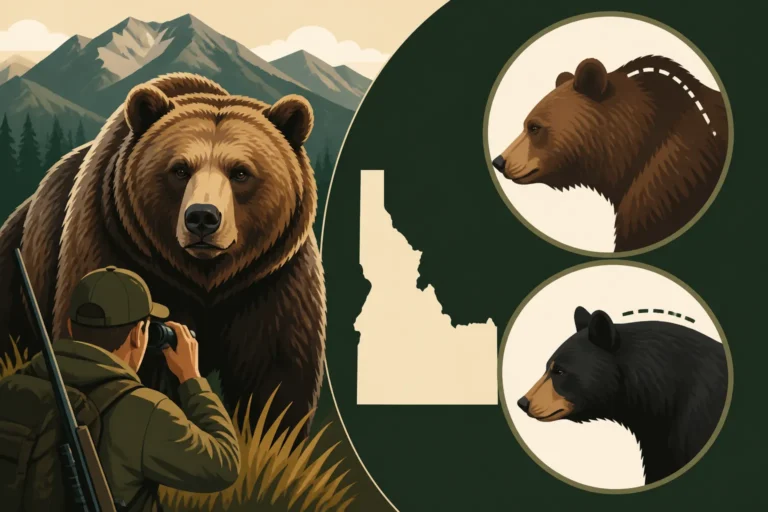
Spot and stalk is a quintessential Western hunting method, and it truly shines during spring bear season. The strategy revolves around finding bears as they emerge from their dens and make their way to sunny, often south-facing slopes to feed on the first tender green vegetation. This means you'll spend a lot of time behind your optics, systematically glassing likely areas. High-quality binoculars and a spotting scope are indispensable tools here. You'll want to position yourself in a vantage point that offers wide views of these greening hillsides, paying close attention to benches, draws, and the edges of timber where bears might feel secure.
Once a bear is spotted, the real chess match begins. The goal is to plan a careful approach that uses terrain features, wind direction, and cover to close the distance without alerting the bear. This can involve long, arduous hikes through varied terrain, often traversing muddy slopes or patches of lingering snow. Patience is absolutely crucial. A bear might feed for hours in one spot, giving you time to execute a cautious stalk, or it might disappear into the timber in a matter of minutes. Using mapping tools like GoHunt can be incredibly helpful in identifying potential green-up areas and planning your approach routes from a distance, allowing you to analyze topography and potential wind corridors before you even leave camp.
The challenge comes from the variable nature of spring weather and the unpredictable movements of a bear. One minute it might be sunny and still, the next a squall rolls in, changing the wind and visibility. You also have to factor in the bear's hunger; while focused on food, they are still wild animals with keen senses. A successful spot and stalk in the spring truly embodies the essence of active, engaging hunting, requiring skill, endurance, and a deep understanding of the landscape.
The Role of Baiting in Spring Hunts
While spot and stalk is a thrilling method, baiting offers a different, often highly effective, approach to spring bear hunting in Idaho. Baiting involves setting up a station with attractive food sources to draw bears to a specific location, allowing the hunter to wait in ambush. The appeal of baiting is clear: it can increase your chances of seeing a bear, provides opportunities for close-range shots, and allows for careful assessment of the animal before taking a shot, which is especially helpful for distinguishing legal bears or desired color phases.
Idaho has specific regulations concerning bear baiting, and it's absolutely vital to understand and follow them to the letter. These rules dictate things like the type of bait you can use, the distance from roads or trails, and the need to register your bait site with Idaho Fish and Game. Failing to adhere to these rules can result in serious penalties. It's not as simple as dumping a pile of donuts in the woods; there's a science and an art to setting up and maintaining an effective bait site. The Black Bear Baiting Rules Idaho Applies and Registering a Bear Bait Site in Idaho are must-reads before you even consider this method.
Setting up a bait site requires effort and commitment. You'll need to haul bait regularly, often every few days, to keep bears interested. Trail cameras are almost essential for monitoring activity and determining when bears are visiting and at what times. The actual hunt then becomes a waiting game, often from a ground blind or treestand overlooking the bait. This can be a solitary experience, demanding immense patience and the ability to remain still and quiet for extended periods. Compared to the active pursuit of spot and stalk, baiting is a more static but equally rewarding challenge, as discussed further in Baited Against Spot and Stalk Bear Hunting.
Fall Bear Hunting: What Makes It Different
Just as spring offers its own unique charm, fall bear hunting in Idaho provides a completely different experience. The landscape transforms with vibrant colors, the air turns crisp, and the woods are bustling with activity as all of nature prepares for the lean months of winter. This shift brings new opportunities and challenges for the bear hunter.
Locating Bears During the Fall Feed
In the fall, a bear's world revolves around one thing: food, glorious food. They are in a state of hyperphagia, meaning they're driven to consume massive amounts of calories to build up fat reserves for hibernation. This dictates their movements and concentrations. Instead of looking for fresh green sprouts on sunny slopes, you'll be scouting for mast crops – acorns, huckleberries, chokecherries, and other wild fruits. Bear scat full of berry seeds, claw marks on trees where they've climbed for fruit, and upturned rocks or logs where they've dug for grubs are all crucial signs to key in on.
Finding these food sources means doing your homework. Which areas of your unit typically produce good huckleberry crops? Are there oak stands that drop acorns in a given year? Bears will travel considerable distances to exploit these ephemeral food sources. Their locations can vary year by year, even week by week, depending on precipitation and temperature. This requires constant adaptation and a good understanding of the local ecology. Bears might be high in the mountains feasting on huckleberries in early September, then drop down to lower elevations to hit oak brush or river bottoms for other forage as the season progresses. Using tools like GoHunt to research habitat types and historical food sources can give you a significant leg up in your preseason scouting.
Still hunting, or moving very slowly and deliberately through productive areas, can be highly effective during the fall. You're trying to intercept bears as they move between bedding areas and feeding grounds, or as they're actively foraging. It's a game of observation, patience, and silent movement through country that can be thick with cover and noisy with fallen leaves.
Combining Bear Hunting with Other Big Game
One of the undeniable appeals of fall bear hunting in Idaho is the chance to combine it with pursuits for other big game, most notably deer and elk. Many fall bear seasons overlap directly with general deer and elk seasons, offering the exciting prospect of filling multiple tags on a single trip. Imagine being on an elk hunt, bugling a bull, when a color phase black bear strolls across an open ridge – that's a fall bear hunting dream! This multi-species opportunity adds a layer of excitement and efficiency to your hunt planning.
However, combining hunts also brings its own set of complexities. You'll need to be prepared for the differing tactics required for each species. An approach suitable for bugling elk might not be ideal for spotting a wary bear, and vice-versa. You'll also need to manage your tags, understand weapon restrictions if applicable, and be prepared for the possibility of harvesting multiple animals, which means more packing, processing, and logistics. It truly tests your versatility as a hunter. For general access, remember that much of Idaho's prime hunting takes place on public lands, as detailed in Hunting Idaho's National Forests and BLM Ground.
While the potential for a combo hunt is great, it's important not to let the pursuit of one species completely overshadow the other. If you're serious about taking a bear, dedicate specific time and focus to bear-specific tactics, even if you have an elk tag in your pocket. Often, it's those incidental encounters while focused on another species that lead to exciting opportunities, but deliberate hunting is what yields consistent success.
The Influence of Weather and Habitat Changes
Fall weather in Idaho is notoriously unpredictable, and these changes heavily influence bear behavior and hunting conditions. Early fall can be warm and dry, making bears active during cooler parts of the day. But as the season progresses, cold fronts can bring rain, sleet, and eventually snow to higher elevations. A fresh blanket of snow can be a blessing for tracking, making it easier to follow a bear's movements, but it can also make travel arduous and hide bears in new bedding locations.
Habitat changes are also a major factor. In early fall, the dense foliage can make spotting bears challenging, requiring hunters to focus on sound and signs. As leaves drop, visibility improves, but the crunchy forest floor can make silent stalking nearly impossible. Bears themselves become increasingly wary as the season wears on, having been pushed and pressured by hunters. They learn quickly to avoid areas with high human activity and become more nocturnal or move into denser, more secure cover.
Late fall, especially in November, sees bears intensifying their feeding efforts, often moving to lower elevations as food sources higher up become scarce or covered in snow. This is their last ditch effort to gain weight before denning for the winter. This can be a tough hunt, requiring tenacity and cold-weather gear, but if you find a concentration of late-season food, you might find some very large, very fat bears. The ultimate challenge is adapting your strategy week by week, sometimes even day by day, to match the changing conditions and the bears' responses.
Tactics and Considerations for Each Season
Deciding between spring and fall bear hunting isn't just about picking a date on the calendar; it's about committing to a particular style of hunt and preparing for the unique demands of that time of year. Both seasons require diligent planning, appropriate gear, and an understanding of bear behavior, but the specifics of each can differ significantly.
Gear and Preparation Specific to Each Season
The unpredictable nature of Idaho's mountain weather means that good layering is critical for both spring and fall, but the emphasis shifts. In spring, you might start the morning with frost on the ground and end the afternoon in a t-shirt, requiring versatile clothing that can be easily added or removed. Rain gear is non-negotiable, as spring showers are frequent. Good optics, as mentioned, are paramount for spot and stalk. If you're baiting, scent control becomes even more important, as bears have an incredible sense of smell.
For fall, especially late fall, the focus shifts to warmth and durability against more consistent cold, rain, and potentially snow. Insulated outer layers, warm base layers, and robust, waterproof footwear are essential. Traction devices like microspikes or even snowshoes might be necessary for navigating icy or snowy terrain. Given the higher likelihood of a combo hunt, you might also be carrying game bags and additional processing tools. Your weapon choice (bow, rifle, muzzleloader) should also be appropriate for the conditions and the expected shot distances for each season. Bear hunting can be tough on gear, so durable, reliable equipment is always a wise investment.
Scouting and E-Scouting for Spring and Fall
Effective scouting, both on the ground and from your couch, is a game-changer for bear hunting in either season. For spring, your e-scouting efforts should focus on identifying south-facing slopes, historical green-up areas, and potential access points into those regions. Look for areas with a mix of timber and open ground, as bears will often feed in the open but quickly retreat to cover. High-resolution satellite imagery from platforms like GoHunt is invaluable for this, helping you identify prime glassing knobs and potential travel corridors.
In the fall, your e-scouting shifts to identifying key food sources. This means looking for areas known for huckleberry bushes, oak stands (though sometimes hard to spot from satellite), or other mast producers. You can also research historical data from Idaho Fish and Game to see where past harvests have occurred. Once on the ground, confirm these food sources and look for fresh sign. For both seasons, checking public land boundaries and motor vehicle use maps to understand access rules is critical, as detailed in E-Scouting an Idaho Unit Before the Season. Remember to also consider areas with high The Black Bear Population Estimate Explained and Where Black Bear Density Runs Highest.
Trail cameras are a powerful tool for both seasons. In spring, they're essential for monitoring bait sites and confirming bear activity. In fall, they can be deployed near known food sources or travel corridors to identify patterns of movement, giving you an edge by understanding when bears are most active in a given area.
Making Your Choice: Spring or Fall?
The decision between spring and fall bear hunting ultimately comes down to personal preference, schedule, and desired hunting experience. If you love the idea of shaking off winter, actively glassing vast landscapes, and the option of baiting, spring might be your season. It's often a more focused bear hunt, though incidental encounters with other animals are always possible. The potential to see a wide range of Color Phase Bears in Idaho can be an added thrill against the fresh green backdrop.
If you enjoy hunting in cooler, more colorful conditions, with the exciting possibility of a combo hunt for deer or elk, then fall bear hunting might be more up your alley. It's often a more opportunistic hunt, fitting into the larger fabric of the fall big game seasons. However, you'll need to contend with potentially higher pressure and more variable bear movements as they pursue diverse food sources. Also, be mindful of specific regulations regarding Two-Bear Limits in Some Idaho Units if you plan to extend your opportunities.
Both seasons offer incredible experiences and the chance to pursue one of Idaho's most intelligent and challenging big game animals. Whichever you choose, thorough preparation, a good understanding of bear behavior, and a healthy dose of patience will significantly increase your odds of success.
Here's a quick comparison to help you weigh your options:
| Feature | Spring Bear Hunting | Fall Bear Hunting |
|---|---|---|
| Typical Timing | Late April – Early June (Unit Dependent) | Early September – November (Unit Dependent) |
| Bear Behavior | Emerging from dens, hungry, seeking fresh green forage | Hyperphagia, fattening for winter, seeking berries/acorns |
| Primary Tactics | Spot & stalk on green-up, baiting, incidental encounters | Spot & stalk on food sources, still hunting, incidental |
| Visibility | Good on open, green slopes; less foliage early | Variable; thick foliage early, better after leaf fall/snow |
| Weather | Highly variable, can be cold/wet, warm, or even snow | Highly variable, from warm to cold, rain, snow |
| Other Game | Generally standalone bear season | Often overlaps with deer and elk seasons, combo opportunity |
| Food Sources | Fresh grasses, dandelions, carrion | Berries (huckleberries), acorns, chokecherries, carrion |
| Pressure | Initial burst, then tapers off | Can be higher due to concurrent big game seasons |
Disclaimer
This article is for general informational purposes only and does not constitute professional advice. Laws, prices and regulations vary by location and change over time. Consult a qualified professional for guidance on your specific situation.