Where Rocky Mountain Bighorns Live in Idaho
Trying to pinpoint exactly where Rocky Mountain Bighorn Sheep live in Idaho can feel like searching for a needle in a vast, wild haystack. These magnificent animals aren't just everywhere; they inhabit some of the most remote, rugged, and breathtaking corners of our state, making the pursuit of even seeing one a challenging, often once-in-a-lifetime endeavor. This guide will walk you through the distinct habitats these sheep call home, the challenges of finding them, and what factors influence their elusive presence in the Gem State.
Understanding Idaho's Bighorn Habitats
Bighorn sheep, particularly the Rocky Mountain subspecies, are creatures of extreme terrain. They thrive in environments that would make most other big game animals turn tail and head for gentler ground. When you're dreaming of seeing or even drawing a tag for these incredible animals, you have to shift your mindset to think like a bighorn—steep, exposed, and always with an eye on escape.
The Rugged Realm: Key Geographical Features
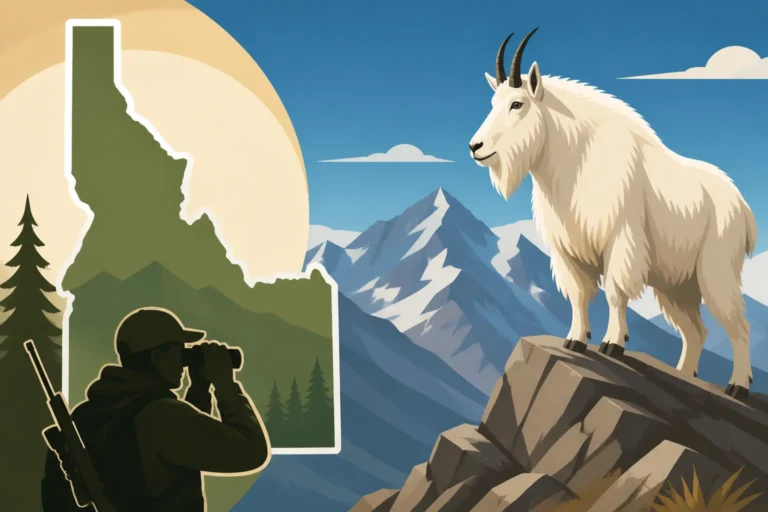
Idaho's Rocky Mountain bighorns gravitate towards very specific geographical features. We're talking about incredibly steep, rocky slopes, often with sparse vegetation, that offer them both food and unparalleled protection from predators. Think towering cliffs, deep canyons, and high alpine ridges that rise abruptly from river valleys. These sheep are incredibly agile, using their specialized hooves to navigate terrain that seems impossible to an average human.
Their preferred haunts often include areas with a mix of rock slides, broken cliffs, and steep, timbered slopes that provide pockets of forage. They need that vertical escape cover within a stone's throw of where they're feeding. You won't find them lounging in flat meadows or dense, contiguous timber. Instead, picture sheer canyon walls carved by powerful rivers, or the rugged, unforgiving peaks of Idaho's central mountain ranges. These are the places where bighorns have a distinct advantage over most predators, making them feel safe enough to graze and live out their lives.
Water Sources and Seasonal Movements
Just like any living creature, bighorns need water, but their choice of watering holes is often as dramatic as their preferred terrain. In many parts of Idaho, particularly the drier, more arid breaks, bighorns will stick close to reliable water sources like the Salmon River and its tributaries, or spring-fed seeps high up on canyon walls. The availability of water dictates a lot of their local movements, especially during the hot, dry summer months. A good hunt planner, like the one offered by GoHunt, can often overlay water sources with habitat maps to help pinpoint potential areas.
Seasonally, bighorns do undertake some migrations, though not always as extensive as elk or mule deer. During the winter, when snow can limit forage at higher elevations, they'll often move down to lower, south-facing slopes and canyon benches where snow melts faster and winds scour the ground clear. These lower elevations still offer that critical escape terrain—they're just a bit less extreme than their summer high-country perches. Conversely, as spring arrives and fresh green-up begins, they'll often work their way back up into the high alpine basins and rocky ridges, following the receding snow line. Understanding these movements is key to even hoping to spot a ram, let alone planning a successful hunt.
Major Strongholds and Specific Zones
When most people think of Rocky Mountain Bighorn Sheep in Idaho, a few iconic regions immediately come to mind. These are the historical strongholds where healthy, albeit still very limited, populations exist. It's important to remember that bighorn tags are incredibly rare, often requiring years of applications, as explained in articles like Idaho Has No Preference Points, and What That Changes.
The Salmon River Breaks: A Classic Bighorn Landscape
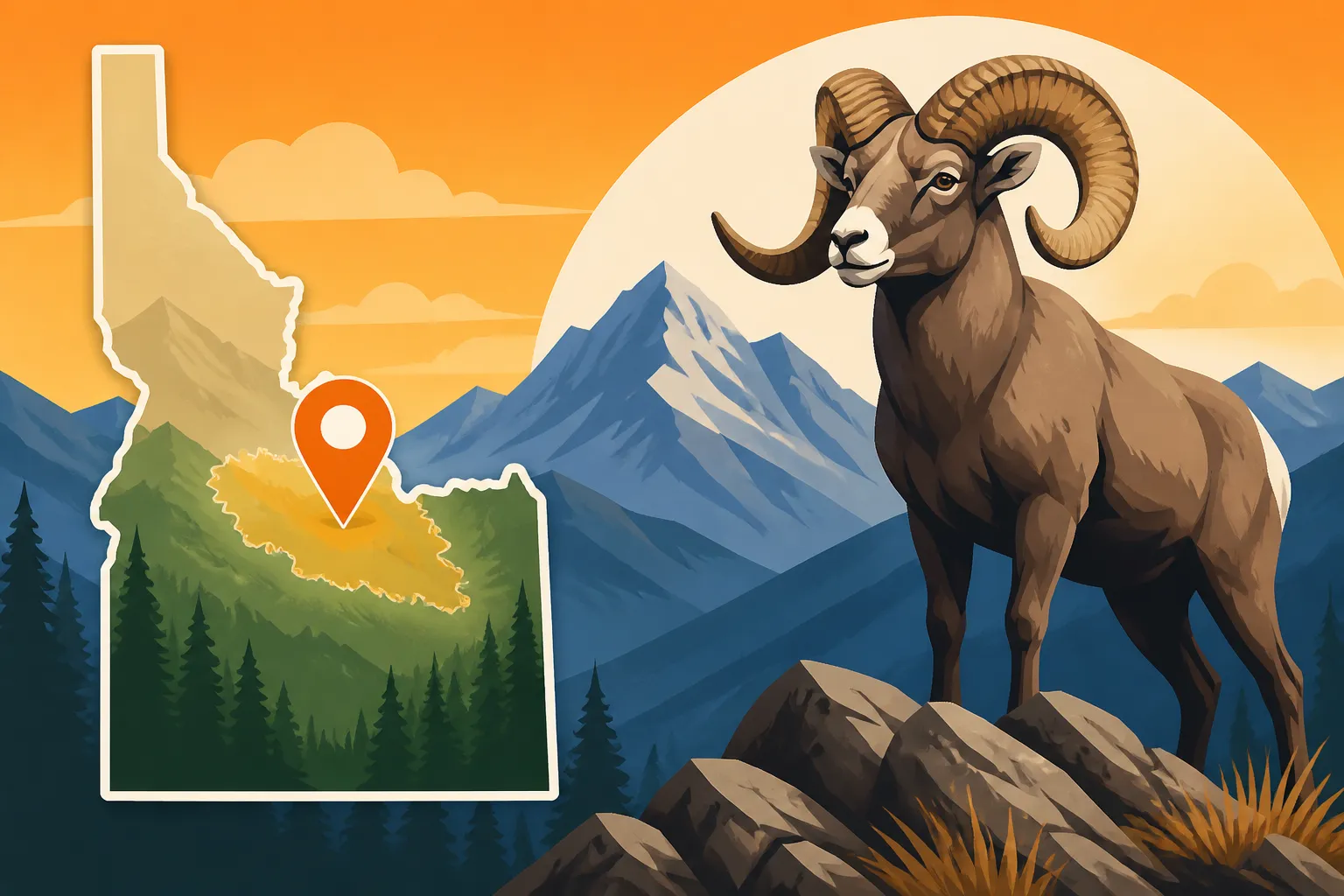
Without a doubt, the Salmon River and its incredibly rugged breaks represent the quintessential Rocky Mountain Bighorn habitat in Idaho. This massive canyon system, often called the "River of No Return," carves its way through central Idaho, creating a labyrinth of steep, south-facing slopes, sheer rock cliffs, and sparse, open country that is perfectly suited for bighorns. The terrain here is brutal, demanding incredible physical stamina and often requiring horse or boat access just to get into potential sheep country.
Many of Idaho's core bighorn populations call these breaks home. The vastness and inaccessibility of areas bordering the main Salmon and its major tributaries, like the Middle Fork, provide sanctuary for these animals. While I can't name specific unit numbers directly, think of the units that butt right up against this wild river corridor. It's a land of extremes—hot in the summer, deep snow in the winter at higher elevations, but always offering that crucial combination of forage and vertical escape cover that bighorns demand. Exploring areas around the Salmon River also means understanding the nuances of river access, which might lead you to research options like Idaho's Snake and Salmon River Access Points.
Central Idaho Wilderness Areas: Frank Church and Selway-Bitterroot
Beyond the immediate Salmon River corridor, the vast designated wilderness areas of central Idaho offer another critical refuge for Rocky Mountain Bighorns. The Frank Church-River of No Return Wilderness Area and the Selway-Bitterroot Wilderness are enormous, roadless expanses that provide undisturbed habitat on a scale rarely seen elsewhere. These areas are characterized by towering peaks, deep canyons, and a mosaic of alpine and subalpine forests interspersed with rocky outcrops and open slopes.
Hunting in these wilderness areas presents unique challenges, often requiring significant backcountry experience and gear. In fact, for certain species, nonresidents are required to hire a licensed outfitter to hunt within designated wilderness, a topic covered in detail by Idaho Forces Nonresidents to Hire a Guide for Wilderness Elk. The sheer remoteness here means less human pressure on the sheep, allowing them to thrive in their natural environment. These wilderness areas are vital for the long-term health and genetic diversity of Idaho's bighorn populations, acting as crucial reservoirs for the species. Researching these areas further can reveal insights into Hunting the Frank Church River of No Return and the unique regulations that apply.
Other Notable Bighorn Ranges
While the Salmon River and central wilderness areas are the primary bastions for Rocky Mountain Bighorns, there are other, smaller, or more scattered populations in different parts of the state. Historically, bighorns were more widespread, but habitat loss, disease, and other factors have restricted their range.
Some bighorn populations can be found in other mountainous regions, often in localized, highly specific pockets of ideal habitat. These might include certain ranges in eastern Idaho, where conditions mirror the steep, arid breaks that sheep prefer. It's crucial to distinguish these Rocky Mountain Bighorns from California Bighorns, which inhabit a very different type of desert-mountain terrain primarily in Idaho's Owyhee region, a distinction worth understanding if you're looking at different tag opportunities, as discussed in Idaho Counts Rocky Mountain and California Bighorns Separately. Each of Idaho's Idaho Runs 99 Game Management Units has unique characteristics, and understanding which ones historically support bighorns is a lifelong pursuit for many dedicated sheep hunters.
Factors Influencing Bighorn Distribution
Even within prime habitat, bighorn populations are subject to a delicate balance of ecological factors. Their distribution and overall health are constantly influenced by disease, predation, and the ongoing challenge of maintaining suitable habitat in a changing landscape.
Disease and Predation: Constant Threats
Bighorn sheep populations are notoriously susceptible to disease, particularly respiratory pathogens like pneumonia, which can decimate herds quickly. Contact with domestic sheep, even at a distance, can spread these diseases, leading to significant die-offs. These disease events can cause rapid, localized declines in bighorn numbers, altering their distribution and making certain areas less viable for a time. Conservation efforts are constantly focused on preventing such outbreaks and managing herd health.
Predation is another major factor. While bighorns are masters of escape in their steep terrain, young lambs and sometimes even adult sheep can fall victim to predators. Mountain lions are natural predators in sheep country, and wolves, which are more widespread in Idaho, also pose a threat. The presence and density of these predators can influence where bighorns choose to reside, pushing them into even more extreme terrain to seek safety. For a broader understanding of predator impacts, consider reading about How Wolf Predation Affects Elk Calf Survival.
Habitat Fragmentation and Management Efforts
Habitat fragmentation, where continuous landscapes are broken up by human development, roads, or altered land use, is an ongoing challenge for bighorn sheep. While much of their core habitat in Idaho is protected within wilderness areas, even subtle changes can impact their ability to move between ranges, find sufficient forage, or avoid disease vectors. The remoteness that defines bighorn country is slowly shrinking at the edges.
Idaho Fish and Game actively manages bighorn populations through surveys, translocations, and careful allocation of hunting tags, which are always few and far between. These management efforts aim to maintain healthy, genetically diverse herds and expand their range where possible. Hunters play a crucial role in these conservation efforts, as the revenue from sheep tags directly funds bighorn research and management. Utilizing resources like The Idaho Hunt Planner Is the Tool to Start With or platforms like GoHunt can help you understand the specific management units and their bighorn status, though direct numbers on success or population sizes are often closely guarded due to the species' sensitivity.
Here's a quick look at characteristics defining Idaho's bighorn habitat:
| Characteristic | Ideal Conditions for Rocky Mountain Bighorns |
|---|---|
| Terrain Preference | Very steep, rocky, broken cliffs, deep canyons |
| Vegetation | Sparse grasses, forbs, shrubs; open timbered slopes |
| Elevation | Wide range, from river breaks to high alpine peaks |
| Water Access | Close proximity to reliable springs or river systems |
| Escape Cover | Abundant vertical rock formations, sheer drops |
| Human Presence | Minimal disturbance, remote wilderness areas preferred |
In conclusion, finding Rocky Mountain Bighorns in Idaho is a testament to perseverance and a deep understanding of their unique needs. They are truly creatures of the wild, calling the most inaccessible and stunning parts of our state home. Whether you're an aspiring sheep hunter or simply dream of glimpsing these iconic animals, knowing their preferred haunts is the first step on a truly unforgettable journey into Idaho's rugged heartland.
Disclaimer
This article is for general informational purposes only and does not constitute professional advice. Laws, prices and regulations vary by location and change over time. Consult a qualified professional for guidance on your specific situation.