Registering a Bear Bait Site in Idaho
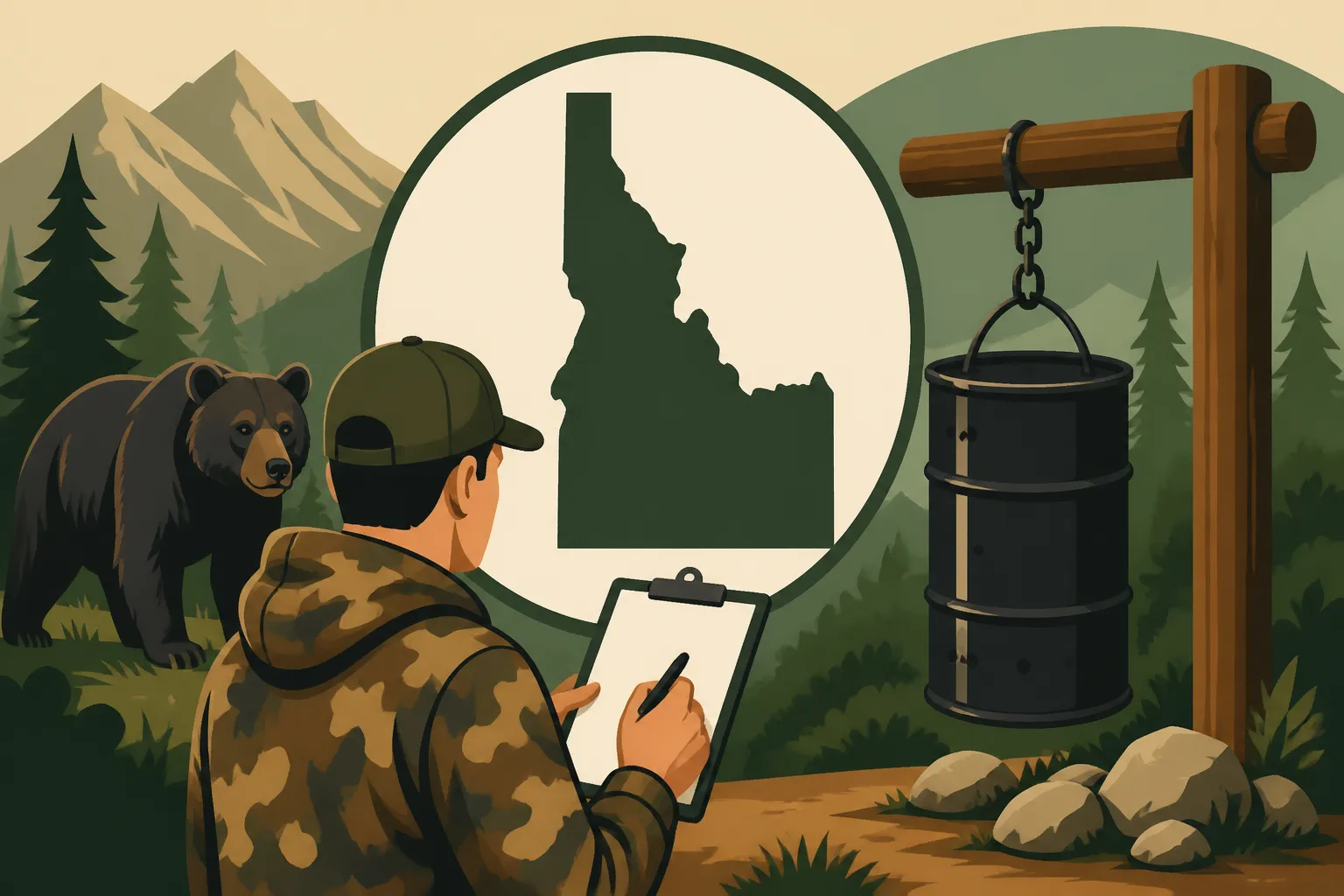
Navigating the regulations around bear baiting in Idaho can feel like trying to untangle a knotted fishing line – frustrating, confusing, and with real consequences if you get it wrong. For hunters looking to ethically and legally pursue black bears using bait, understanding the registration process is paramount. This guide is designed to walk you through every critical step, ensuring your bait site is fully compliant with Idaho Fish and Game rules.
Why Register a Bear Bait Site in Idaho?
The primary reason you must register a bear bait site in Idaho isn't just a bureaucratic hoop to jump through; it's a fundamental part of responsible wildlife management and maintaining fair chase principles. Without a clear system, bait sites could proliferate uncontrolled, leading to potential conflicts with other hunters, non-hunters, and even unintended wildlife encounters. The Idaho Department of Fish and Game (IDFG) implements these rules to ensure ethical practices and to manage harvest effectively. It’s about keeping things transparent and preventing areas from becoming oversaturated with bait.
The Idaho Fish and Game Regulations
Idaho's regulations for bear baiting are specific and designed to protect both the resource and the integrity of the hunt. Essentially, every individual bait site needs to be officially documented with the state. This isn't a suggestion; it's a legal requirement. Failure to register can lead to fines, loss of hunting privileges, and confiscation of equipment, turning what should be an exciting hunt into a costly legal headache. The state's interest is in managing the bear population sustainably, and knowing where bait sites are helps them monitor hunter activity and localized pressure.
Beyond just the registration, these rules often dictate aspects like the types of bait you can use, the proximity of bait sites to roads, trails, and dwellings, and the distance between individual bait sites. It’s a comprehensive framework. Understanding "The Black Bear Baiting Rules Idaho Applies" is crucial for any hunter considering this method, as registration is just one piece of a larger regulatory puzzle.
Protecting Ethical Hunting Practices
Registering your bait site is also about upholding ethical hunting standards. By requiring registration, IDFG ensures accountability. It prevents hunters from setting up multiple unmonitored sites or from interfering with other hunters' efforts. It also helps in situations where a bear might be taken over an unregistered bait, which undermines the legal framework and can cast a negative light on all bear hunters.
The system is built on trust and responsibility. When hunters abide by these rules, it reinforces the perception of bear hunting as a legitimate and well-managed activity. It demonstrates a commitment to fair chase and respectful utilization of wildlife resources, which is essential for preserving hunting opportunities for future generations.
The Step-by-Step Process for Registering Your Site
Registering a bear bait site in Idaho is a straightforward process once you know the steps. It primarily involves securing your license and tag, scouting a location, and then submitting your site details to the Idaho Department of Fish and Game. Missing any step can invalidate your site, so attention to detail is key.
Understanding the Pre-Registration Requirements
Before you even think about placing a bucket of donuts in the woods, you need to ensure you're legally prepared to hunt bear in Idaho. This means having a valid Idaho hunting license and a current bear tag. Without these, any efforts to establish or register a bait site are moot. Make sure you understand the "Idaho Spring Bear Runs From April Into Summer" season dates, or the "Fall Black Bear Controlled Hunt Timing in Idaho", depending on when you plan to hunt, as these dates will dictate your overall timeline.
Next, scouting a suitable location is paramount. Idaho has strict rules regarding the placement of bait sites. You cannot place bait within 200 yards of any public road, designated trail, or permanent dwelling. Furthermore, bait sites must be at least one-half mile from any other registered bear bait site. These distance requirements are critical for safety and to prevent congestion. Many hunters find mapping applications, like those offered by GoHunt, invaluable for identifying potential bait sites that meet these criteria and are well within legal boundaries. These tools allow you to measure distances and check property boundaries from the comfort of your home.
Submitting Your Registration
Once you've secured your license and tag, and identified a compliant location, the actual registration process begins. You typically register your site through the Idaho Fish and Game's online licensing system, or sometimes in person at an IDFG office. You'll need to provide specific information:
- Your hunting license number.
- Your bear tag number.
- The exact legal description or GPS coordinates of your bait site. This is where meticulous scouting and using reliable GPS devices or mapping tools become critical. A simple approximation won't cut it; accuracy is essential for IDFG to verify your site.
- The date you establish the bait site.
The system will then assign a unique registration number to your site. This number must be clearly displayed at the bait site itself. Usually, this means attaching a weatherproof sign with your name, hunting license number, and the assigned bait site registration number. This ensures that any IDFG officer or other hunter can easily identify who is responsible for the site. Remember, the online system is usually available 24/7, but don't wait until the last minute, especially during peak season application periods.
Maintaining Your Registered Site
Registering your site is just the beginning; proper maintenance is equally important. Once registered, you must actively bait and monitor the site. Regulations typically require that bait must be placed at least five days before you intend to hunt over it. This allows bears to discover the bait and establish a pattern, but also gives the site time to become "active" under the rules.
You are responsible for ensuring the bait remains fresh and attractive to bears. This also means being diligent about safety and cleanliness. At the close of the bear baiting season, or if you decide to abandon the site early, all bait materials and any associated trash must be completely removed. Leaving bait or refuse behind is illegal and environmentally irresponsible. This complete removal includes any non-natural materials used to secure bait or shelter it from other animals.
Key Regulations to Know About Bear Baiting in Idaho
Beyond the registration process itself, there are several other critical regulations that bear baiters in Idaho must adhere to. These rules are in place to ensure fair chase, manage environmental impact, and promote public safety. Overlooking any of these can lead to serious consequences.
Proximity Rules and Distance Restrictions
We touched on this briefly, but it's worth emphasizing the exact distances. A bear bait site must be:
- At least 200 yards (about two football fields) from any public road. This helps keep bears away from traffic and reduces the risk of vehicle collisions or interactions with motorists.
- At least 200 yards from any designated public trail. This is crucial for hiker safety and to prevent conflicts between hunters and other outdoor enthusiasts.
- At least 200 yards from any permanent dwelling or occupied structure. This protects private property and residents from nuisance bears drawn in by bait.
- At least one-half mile (880 yards) from any other registered bear bait site. This ensures a fair distribution of hunting opportunities and prevents hunters from overlapping territories. Overlapping can lead to conflicts and reduce the effectiveness of individual bait sites.
These distances are non-negotiable. Using a precise GPS or a reliable mapping app, like the ones offered by GoHunt, can save you a lot of grief. It’s not enough to eyeball it; you need to be certain your site meets every single one of these requirements.
Allowed Bait Materials and Prohibited Items
Idaho regulations are quite clear about what you can and cannot use as bait. Generally, legal bait materials include sweets, pastries, meat scraps (excluding parts of protected game animals), and other food products. Hunters often use things like stale bread, donuts, candy, dog food, and even bacon grease. The goal is to provide a strong, appealing scent that will draw bears in. If you're wondering "How Bear Baiting Works in Idaho," it's all about creating an irresistible buffet.
However, there are significant prohibitions. You cannot use any parts of game animals, protected species, or domestic livestock that died from disease as bait. Also, certain non-food attractants or chemicals are strictly forbidden. The rule of thumb is to stick to food items commonly consumed by humans that are non-toxic and biodegradable. This prevents the introduction of diseases or harmful substances into the wildlife ecosystem. Always check the current year's regulations for any updates or specific prohibitions on bait types.
Season Dates and Bait Site Removal
The timing for bear baiting is tied directly to the hunting seasons, which vary by unit and whether you're hunting "Spring Against Fall Bear Hunting Compared." You can only establish and maintain a bait site during the open bear baiting season for your chosen unit. For example, if the season opens April 15th, you typically can't start baiting until that date.
Crucially, all bait and associated materials must be completely removed from the site at the close of the baiting season, or within 10 days of the season's close, whichever is sooner. This includes any barrels, buckets, flagging, or other non-natural items used. The landscape should be returned to its natural state. Failure to remove all materials is considered littering and can result in citations. This rule helps prevent bears from becoming habituated to artificial food sources outside of hunting season, which can lead to human-wildlife conflicts.
| Key Bear Baiting Regulations in Idaho | Details |
|---|---|
| Registration Requirement | Mandatory for every bait site. Must be done online or at IDFG office with license, tag, and GPS coordinates. |
| Proximity to Roads/Trails | Must be at least 200 yards from any public road or designated public trail. |
| Proximity to Dwellings | Must be at least 200 yards from any permanent dwelling or occupied structure. |
| Bait Site Spacing | Must be at least 1/2 mile (880 yards) from any other registered bear bait site. |
| Bait Materials | Allowed: pastries, sweets, meat scraps (non-game animal), dog food. Prohibited: game animal parts, diseased livestock, toxic items. |
| Bait Establishment | Bait must be placed at least 5 days before hunting over it. |
| Site Identification | Must display a weatherproof sign with hunter's name, license number, and registration number. |
| Removal Deadline | All bait and non-natural materials must be removed by season close or within 10 days, whichever is sooner. |
Tools and Resources for Bear Baiters
Modern technology and official state resources can significantly streamline the process of bear baiting, from scouting to ensuring compliance. Utilizing the right tools can save you time, prevent costly mistakes, and even enhance your hunting success.
Using the Idaho Fish and Game Website
The official Idaho Fish and Game (IDFG) website is your absolute go-to resource for all current regulations, season dates, unit boundaries, and the online registration portal. The site provides detailed legal descriptions of "The Idaho Hunt Planner Is the Tool to Start With", which is an interactive map that shows unit boundaries, public land, and crucial access points. Before heading out, always consult the most recent bear hunting regulations pamphlet, available for download or viewing online. Regulations can change annually, so relying on old information is a recipe for trouble.
The IDFG site also hosts a wealth of information on "Black Bear Population Estimate Explained", helping you understand bear densities in various units. This can be crucial for selecting a productive area for your bait site. Additionally, any changes to baiting rules, emergency closures, or important announcements will be posted there first. Make it a habit to check the site regularly, especially as the season approaches.
Leveraging Mapping Tools
While the IDFG website provides foundational information, specialized mapping applications offer an incredible advantage for bear baiters. Platforms like GoHunt provide advanced mapping layers that can show public and private land boundaries, roads, trails, water sources, and topography. This level of detail allows you to meticulously plan your bait site location, ensuring it's not only effective but also legally compliant with all proximity rules.
For example, using a mapping app, you can drop a pin at a potential bait site and easily measure the distance to the nearest road, trail, or even another registered bait site (if that data is available through community overlays or official sources). This is invaluable for preventing issues with "Idaho's Motorized Hunting Rule Runs August Into December", by keeping your bait sites well away from roads you can't drive on. These apps also allow you to save potential sites, plan access routes, and mark where you'll place your identification sign. They are an essential part of modern hunting, turning guesswork into precise planning.
Common Pitfalls and How to Avoid Them
Even with the best intentions, bear baiters can sometimes fall prey to common mistakes. Understanding these pitfalls ahead of time can help you avoid unnecessary stress, legal issues, and ultimately, a ruined hunt.
Missing Deadlines and Incomplete Registrations
One of the most frequent errors is simply missing the registration deadline or submitting incomplete information. Imagine you've spent weeks scouting, buying bait, and setting up your site, only to realize the registration window has closed, or you forgot to include your tag number. It's a gut punch. Each unit and season may have specific opening and closing dates for bait site registration.
To avoid this, treat registration like applying for a controlled hunt. Mark your calendar, set reminders, and gather all necessary information well in advance. Double-check every field on the online form. Verify your GPS coordinates are accurate. If possible, register a few days before your intended bait deployment to allow for any technical glitches or questions. Procrastination is your enemy here.
Unregistered Sites and Legal Ramifications
This is perhaps the most serious pitfall. Hunting over an unregistered bear bait site in Idaho is a direct violation of state law. The Idaho Fish and Game Department takes these violations very seriously. If you are caught hunting over an unregistered site, the consequences can be severe. These can include:
- Substantial fines, potentially hundreds or even thousands of dollars.
- Forfeiture of your harvested bear and any associated equipment, such as firearms, bows, or even your vehicle.
- Suspension or revocation of your hunting privileges, not just in Idaho but potentially across other states through the Wildlife Violator Compact.
Beyond the legal ramifications, using an unregistered site undermines the ethical framework of bear hunting and can lead to public perception issues. Always register your site, display your identification tag clearly, and be prepared to show your documentation to an IDFG officer. Understanding "The Black Bear Baiting Rules Idaho Applies" thoroughly is not just good practice; it's a legal obligation that protects your hunting future. Remember, regulations like "Two-Bear Limits in Some Idaho Units" are enforced rigorously, and non-compliance with one rule can cascade into issues with others.
Disclaimer
Please note that hunting regulations, seasons, and requirements can change. While this guide provides comprehensive information based on current knowledge, it is the individual hunter's responsibility to review and comply with the most up-to-date regulations published by the Idaho Department of Fish and Game before engaging in any hunting activities.