Color Phase Bears in Idaho
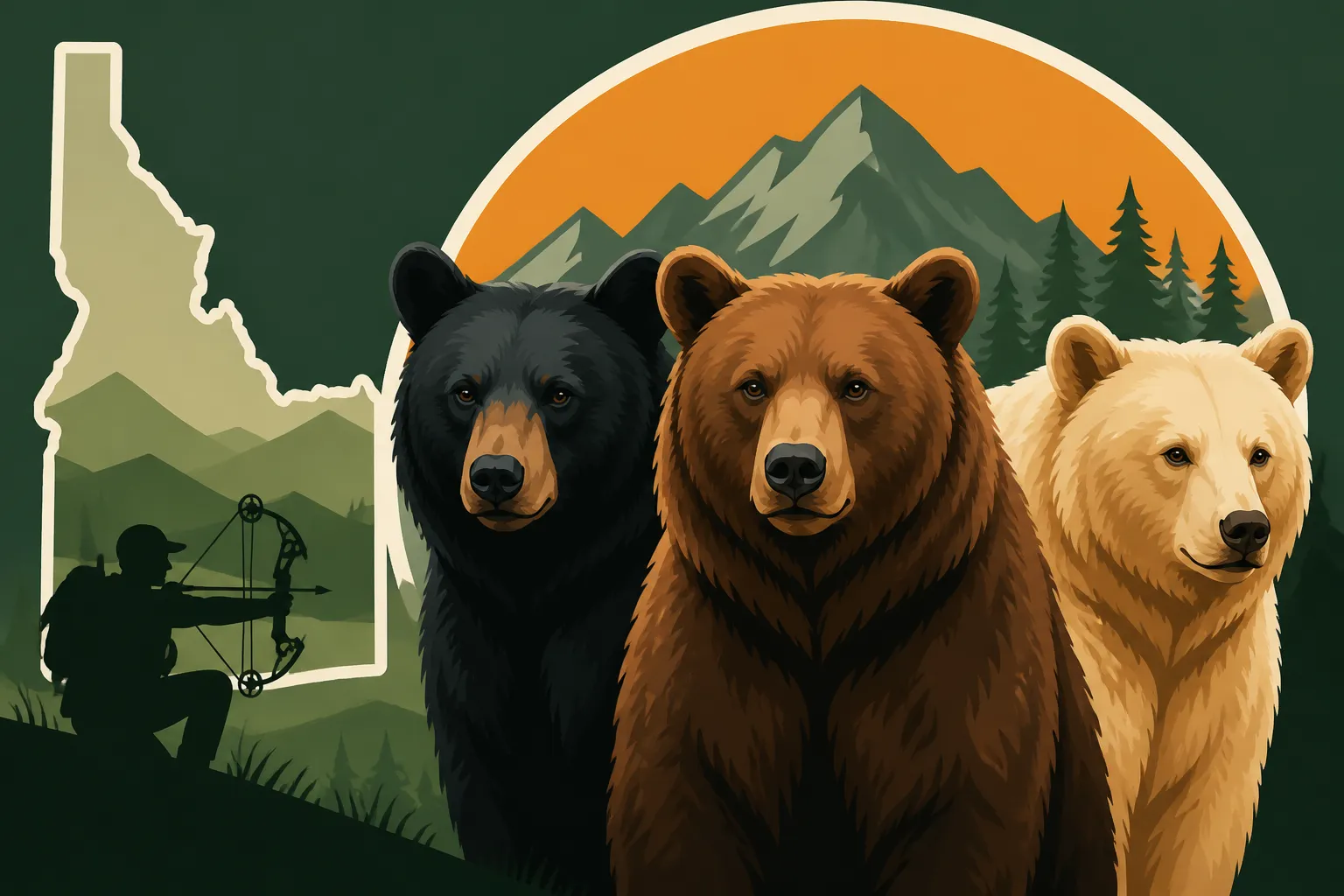
For many hunters, the image of a black bear is, well, black. But here in Idaho, we’ve got a vibrant secret: our black bears come in a stunning array of colors! If you've ever been baffled by a bear that wasn't ebony, or worried you might mistake a cinnamon phase for a grizzly, you're not alone. This guide will walk you through the fascinating world of Idaho's color phase bears, helping you understand, identify, and ethically pursue these magnificent animals.
Beyond the "Black" Bear: Understanding Color Variations in Idaho
It’s easy to assume all black bears are, by definition, black. But once you start spending time in the diverse landscapes of Idaho, you'll quickly discover a beautiful spectrum of colors. These aren't different species; they are simply genetic variations within the Ursus americanus species. It’s like how human hair comes in blonde, brown, red, and black—all still human.
The Genetic Science Behind Color Phases
The striking variations in a black bear's coat color are primarily due to genetics, specifically variations in melanin production and distribution. Melanin is the natural pigment that determines fur, skin, and eye color in animals. In black bears, two main types of melanin are at play: eumelanin, which produces black and brown pigments, and pheomelanin, which creates red and yellow pigments. The presence and concentration of these pigments, dictated by specific genes, results in the different color phases we observe.
For example, a bear with a genetic mutation that reduces eumelanin production might appear brown or cinnamon instead of deep black. These genetic traits are heritable, meaning they can be passed down from parent to cub. This is why you might see a sow with black cubs and a cinnamon cub, or vice versa, demonstrating the genetic diversity within a family line. The prevalence of certain genetic markers in a regional population contributes to how common these color phases are, which is why Idaho has such a rich palette of bears.
Why Idaho is a Hotspot for Color Phase Bears
Idaho, particularly its western and central regions, stands out as a prime area for encountering color phase black bears. While black bears across North America can exhibit color variations, the proportion of non-black bears in Idaho is significantly higher than in many eastern states. This phenomenon isn't a fluke; it's a combination of historical genetics, habitat diversity, and population dynamics.
Our expansive national forests, vast wilderness areas like the Frank Church River of No Return, and rugged mountains provide ideal habitat for a robust and genetically diverse bear population. The isolation and specific lineage of some Idaho bear populations have allowed these color-phase genes to become more dominant over generations. While the exact reasons are complex and still studied, many wildlife biologists theorize that specific environmental pressures or even a founder effect from ancestral bears with particular genetic traits may have contributed to this unique prevalence. When you're scouting areas, especially in places like the Clearwater or Panhandle regions, you'll hear seasoned hunters talk about the higher odds of seeing a cinnamon or chocolate bear.
Identifying the Rainbow: Common Color Phases You'll Encounter
Stepping into Idaho’s bear country means being prepared for anything but just black. The sheer variety of colors can be breathtaking, but it also adds an extra layer of challenge to field identification, especially when you need to be absolutely certain of your target species. Knowing what to look for beyond just "dark" or "light" is crucial.
Cinnamon Bears: The Russet Charm
Cinnamon bears are arguably the most common and easily recognized color phase in Idaho after black. Their coats range from a light reddish-brown to a darker, almost mahogany hue, often with lighter colored fur on their muzzle. This beautiful russet coloration gives them their distinctive "cinnamon" look, which can be particularly striking in direct sunlight. However, this distinct color also presents a significant challenge for hunters: distinguishing them from grizzly bears.
Due to their similar brown coloring, a cinnamon black bear can be easily mistaken for a grizzly, especially at a distance or in poor light. The key is to look beyond color. Cinnamon bears will still have the typical black bear characteristics: a straight facial profile (no dished face), taller, more pointed ears, and no visible shoulder hump. Their claws are also typically shorter and more curved than the long, straight claws of a grizzly. Knowing the nuances of grizzly identification for Idaho bear hunters is paramount to avoid a serious and illegal mistake.
Chocolate Bears: Rich and Deep Hues
Chocolate bears represent another common color phase, their coats ranging from a medium, milky brown to a dark, rich, almost bittersweet chocolate color. These bears can sometimes appear so dark that, in certain lighting conditions or shadows, they might be mistaken for a standard black bear. The key difference is often a subtle underlying warmth or richness in their fur that isn't present in true black bears.
When observing a chocolate bear, pay close attention to the way the sunlight hits their fur. In open areas or direct light, the brown tones become much more evident. In deep timber or during twilight hours, however, their chocolate hue can deepen considerably, making identification harder. Hunters often find that high-quality optics, like good binoculars or a spotting scope, are invaluable for discerning these subtle color differences and confirming their target.
Blonde and Light Brown Bears: The Pale Beauties
At the lighter end of the spectrum, Idaho occasionally produces blonde or very light brown black bears. These animals possess strikingly pale fur, sometimes appearing almost golden or straw-colored. While not as common as cinnamon or chocolate bears, encountering a blonde bear is a truly memorable experience due to their rarity and unique appearance against the backdrop of dark timber or rock.
These pale beauties stand out dramatically, making them easier to spot in contrast to their darker counterparts. However, their light color can also cause them to blend in surprisingly well with sun-drenched deadfalls or light-colored rock slides. When observing a blonde bear, it’s important to confirm all other black bear physical characteristics, just as you would with any other color phase, to ensure correct species identification.
The Hunter's Challenge: Field Judging Color Phase Bears
Hunting color phase bears in Idaho isn't just about finding a bear; it's about confident and ethical identification. The challenges are real, and the stakes are high. Misidentifying a bear can lead to legal penalties and, more importantly, an ethical failure. This is where patience, good optics, and a deep understanding of bear anatomy become your best friends.
Distinguishing Black Bear Color Phases from Grizzlies
This is perhaps the single most critical skill for any bear hunter in Idaho. While we focus on color phases of black bears, grizzly bears also inhabit portions of Idaho, and their protected status means they are strictly off-limits to hunting. A cinnamon black bear is frequently confused with a grizzly, and the consequences can be severe. Remember, color alone is never a reliable identifier.
Always look for a combination of physical characteristics. A grizzly will typically have a pronounced shoulder hump (a muscle mass, not just fur), smaller, rounded ears compared to a black bear's taller, more pointed ones, and a dished or concave facial profile. Their claws are also notably longer and straighter, designed for digging, whereas a black bear's claws are shorter and more curved, better for climbing. Before you even think about raising your rifle, you must confirm these features beyond any doubt. Bear spray against a sidearm in grizzly country is also a debate many hunters have, underscoring the constant awareness required.
Here's a quick reference table to help:
| Feature | Black Bear (Any Color Phase) | Grizzly Bear (Brown Bear) |
|---|---|---|
| Shoulder Hump | Absent or very subtle | Pronounced, muscular hump |
| Ears | Taller, more pointed | Shorter, more rounded |
| Facial Profile | Straight from forehead to nose | Dished, concave (nose to forehead) |
| Claws | Shorter, more curved | Longer, straighter, prominent |
| Size | Generally smaller build | Generally larger, stockier build |
| Rump | Higher than shoulder | Lower than shoulder |
The Impact of Lighting and Distance on Color Perception
Imagine the frustration: you spot a beautiful cinnamon bear across a canyon, but the setting sun casts it in a deep, almost black shadow. Or you see a chocolate bear in a bright, open meadow, and it looks much lighter than you expected. Lighting conditions and distance are notorious for playing tricks on a hunter's eyes, especially when trying to discern subtle color variations. A blonde bear can disappear against sun-bleached snags, while a black bear can look brown in the right (or wrong) light.
This is why patience is not just a virtue but a necessity. Never rush to judgment. Use your optics to their fullest potential. A quality pair of binoculars can make all the difference, allowing you to not only resolve color more accurately but also to scrutinize the critical physical features like ear shape and shoulder profile. Wait for the bear to move into better light, or closer, if safe and ethical. Sometimes, waiting a few minutes for the bear to turn or step out from behind a tree is all it takes to confirm what you're seeing.
Ethical Considerations and Species Identification
The ethical imperative to correctly identify your target animal before taking a shot cannot be overstated. In Idaho, hunting grizzlies is illegal, and mistakenly harvesting one can result in significant fines, license revocation, and even jail time. This responsibility falls entirely on the hunter. While it's tempting to be excited by a unique color phase, that excitement must always be tempered by caution and a meticulous approach to identification.
Beyond the legal ramifications, there's the ethical obligation to respect the wildlife and the hunt. Taking an animal you didn't intend to, or worse, a protected species, goes against the core tenets of fair chase and responsible hunting. Always be 100% confident in your identification. If there is any doubt, pass on the shot. Idaho's black bear population and density are managed sustainably, ensuring ample opportunity for those who hunt responsibly.
Hunting Strategies for Color Phase Bears in Idaho
Finding a bear is one thing, but specifically targeting a color phase bear adds a layer of strategy and patience to your hunt. It often involves more meticulous scouting, a deeper understanding of bear behavior, and knowing how to leverage the terrain and hunting methods available in Idaho.
Scouting for Specific Colors and Densities
While color phase bears can appear anywhere black bears live, some areas have a higher prevalence of certain colors due to localized genetics. This isn't usually something Idaho Fish and Game reports on directly, but local knowledge and anecdotal evidence from long-time hunters can be incredibly valuable. Many hunters use tools like GoHunt's data resources to research specific Idaho units, looking at historical harvest success rates and even sometimes finding comments about color phases if available from the community. Analyzing harvest statistics by Idaho unit can give you a general idea of bear populations, but for color phases, it's often about talking to folks and putting boots on the ground.
When e-scouting, look for varied habitats: areas with mixed timber, open slopes, and dense brush. Bears will use all of these, but a lighter-colored bear might be more visible on a darker, timbered hillside, while a chocolate bear might stand out against green clearcuts. Pay attention to food sources that might be ripe during your hunt – berries, huckleberries, or mast crops. Bears will congregate around these resources, increasing your chances of observing several animals and, hopefully, a color phase.
Spot and Stalk in Diverse Habitats
Spot and stalk hunting is an incredibly effective and rewarding method for pursuing bears, particularly when you're looking for a specific color phase. Idaho offers vast public lands with incredibly diverse terrain, from the dense timber of the Panhandle to the open, rugged breaks of central Idaho. Your approach will need to adapt to the environment.
In open country, like the sun-drenched slopes of the Owyhee or Salmon River breaks, long-range glassing is key. Use your optics to systematically grid glassing a basin without missing bucks, but for bears. Look for movement, yes, but also for static shapes and, importantly, contrasting colors. A cinnamon bear might pop against a dark patch of shadows, or a dark bear might be obvious on a light-colored rock slide. Once spotted, a careful stalk, using terrain features like draws and ridges for cover, is essential to close the distance for a clean shot and positive identification. In dense timber, still hunting or moving slowly, stopping frequently to glass and listen, can be more productive. The key is adapting to the immediate environment and leveraging the bear's color (or lack thereof) to your advantage.
Baiting Considerations for Color Phase Preference
Idaho's regulations allow for baiting black bears in many units, and this can be a highly effective method, especially for those hoping to get a close, extended look at multiple bears to discern color phases and size. How bear baiting works in Idaho involves establishing a consistent food source in a secluded area, allowing bears to become accustomed to visiting it. This method provides controlled viewing opportunities that are invaluable for field judging.
By using a bait site, you can observe bears for longer periods, under various lighting conditions, and from a fixed position, greatly reducing the chances of misidentification. It allows for careful scrutiny of all the identification features—shoulder hump, ear shape, facial profile—without the pressure of a quick spot-and-stalk scenario. Remember, registering a bear bait site in Idaho is a legal requirement, and strict rules apply regarding proximity to roads, trails, and dwellings. Baiting also presents an opportunity to see different bears over several days, increasing your odds of encountering that elusive color phase you're seeking.
Conservation and Management of Idaho's Black Bear Population
Idaho's healthy and diverse black bear population is a testament to sound wildlife management and the incredible wild spaces our state offers. The presence of abundant color phase bears is a natural characteristic of this population, cherished by hunters and wildlife enthusiasts alike.
Population Health and Sustainable Harvest
The Idaho Department of Fish and Game (IDFG) actively manages black bear populations across the state to ensure their long-term health and sustainability. This involves setting appropriate harvest limits, monitoring population trends, and adapting regulations as needed. The existence of color phase bears, whether cinnamon, chocolate, or blonde, is simply a reflection of the genetic diversity within the black bear species in Idaho. They are not managed separately from black bears in general, as they are the same species.
Responsible hunting plays a vital role in this management. By participating in regulated hunts and adhering to all laws and ethical guidelines, hunters contribute directly to wildlife conservation. The funds generated through license and tag sales go back into habitat projects, research, and enforcement, benefiting all wildlife, including the majestic black bear and its many colorful iterations. Idaho spring bear runs from April into summer, offering opportunities, as do fall seasons. This spring against fall bear hunting compared offers different experiences, but both contribute to healthy populations.
The Appeal of a Unique Trophy
For many hunters, pursuing a color phase bear adds an exciting dimension to the hunt. There's a certain allure to harvesting an animal with a unique coat, something that stands apart from the typical. Whether it's the warm tones of a cinnamon bear or the deep hues of a chocolate, these bears make for a distinctive trophy and a memorable hunting story. This desire for a unique animal often drives hunters to spend more time scouting, learning, and perfecting their identification skills.
However, it's crucial to remember that the true trophy lies in the challenge, the experience, and the respect shown to the animal. The beauty of a color phase bear is simply an added bonus to a well-executed and ethical hunt. It represents a successful culmination of your efforts in Idaho's wild backcountry, a testament to your ability to locate, identify, and harvest one of North America's most adaptable and fascinating big game animals. Remember that some units have two-bear limits in some Idaho units, offering further opportunity.
Disclaimer
Please note that hunting regulations, seasons, and licensing requirements can change. Always consult the most current Idaho Department of Fish and Game regulations prior to any hunting activity. This article is intended for informational purposes only and should not be considered a substitute for official legal guidance.