Where Black Bear Density Runs Highest
It's a common challenge for hunters to look at a map of Idaho and wonder, "Where do I even start looking for black bears?" This vast state offers incredible opportunity, but the sheer amount of diverse terrain can feel overwhelming. You want to focus your efforts where the odds are best, not just wander aimlessly through miles of empty woods. This guide is here to help you understand the specific characteristics and regions where black bear density runs highest in Idaho, giving you a much clearer starting point for your next hunting adventure.
Understanding Black Bear Habitat Preferences in Idaho
Black bears are incredibly adaptable creatures, but they aren't just everywhere in equal numbers. They have distinct preferences for certain types of habitat that provide them with the food, water, and cover they need to thrive. Understanding these preferences is the first step in pinpointing where you're most likely to encounter high concentrations of bears. It’s not just about looking for “woods”; it’s about looking for the right kind of woods, or the right edge of the woods.
Dense Forests and Timbered Areas
When we talk about black bear habitat, dense forests and heavily timbered areas immediately come to mind. In Idaho, this often means extensive stands of conifers like Douglas fir, lodgepole pine, and grand fir, sometimes mixed with cedar and hemlock in the wetter northern climes. These environments offer crucial benefits for bears, creating an ideal home range. The thick canopy provides excellent cover from the elements and from human disturbance, allowing bears to feel secure as they move between feeding and bedding areas.
These forests are also ecological powerhouses, providing a diverse diet for bears. Think about the understory in these areas: it's often rich with various berry bushes like huckleberries, serviceberries, and thimbleberries, which are absolute magnets for bears in late summer and fall. Beyond berries, bears will root for grubs and insects under logs and rocks, forage for mushrooms, and even browse on new growth. The sheer volume of natural food sources in these dense, mature forests directly contributes to a healthy and concentrated bear population. Hunters often focus their e-scouting on areas with these characteristics, looking for expansive timber blocks that show minimal human disturbance.
Riparian Zones and Stream Bottoms
While dense timber is critical, don't overlook the importance of riparian zones and stream bottoms. These areas, found along rivers, creeks, and wet drainages, are like biological highways for wildlife, and black bears are no exception. The increased moisture in these zones leads to a much lusher, more diverse vegetation growth compared to drier hillsides. This means a concentrated supply of food, from succulent forbs and grasses in the spring to various berry bushes and shrubs later in the season.
Furthermore, these riparian corridors provide essential water sources, which are obviously critical for any animal, especially a large mammal like a bear. They also serve as natural travel routes, offering bears a combination of cover, food, and water as they move through their territory. A bear might bed on a steep, timbered slope during the day, but will often descend to a creek bottom to feed or drink, especially in the evening and early morning. Scouting these areas, whether physically or with a mapping tool like GoHunt, can reveal funnel points and concentrated sign.
Transition Zones and Edges
Bears are creatures of opportunity, and often, the highest concentrations aren't necessarily deep in the darkest timber, but rather where different habitat types meet – what we call "edge habitat" or "transition zones." These are the places where dense cover transitions into more open feeding areas. Think about the edges of clear-cuts, old burn scars that are regenerating with new growth, or where heavy timber opens up into a brushy meadow or south-facing slope.
These transition zones are incredibly productive because they offer the best of both worlds: immediate access to heavy cover for security and escape, combined with abundant food sources in the more open areas. Clear-cuts and old burns, in particular, can be phenomenal bear habitat a few years after the event, as sun-loving berry bushes and young deciduous trees flourish, providing a smorgasbord for bears. A bear might spend the night foraging in a productive clear-cut, then slip back into the adjacent thick timber to bed down for the day. Learning to identify these productive edges on your maps, whether it's through satellite imagery or topographic maps, is a crucial skill for a bear hunter.
Identifying High-Density Regions in Idaho
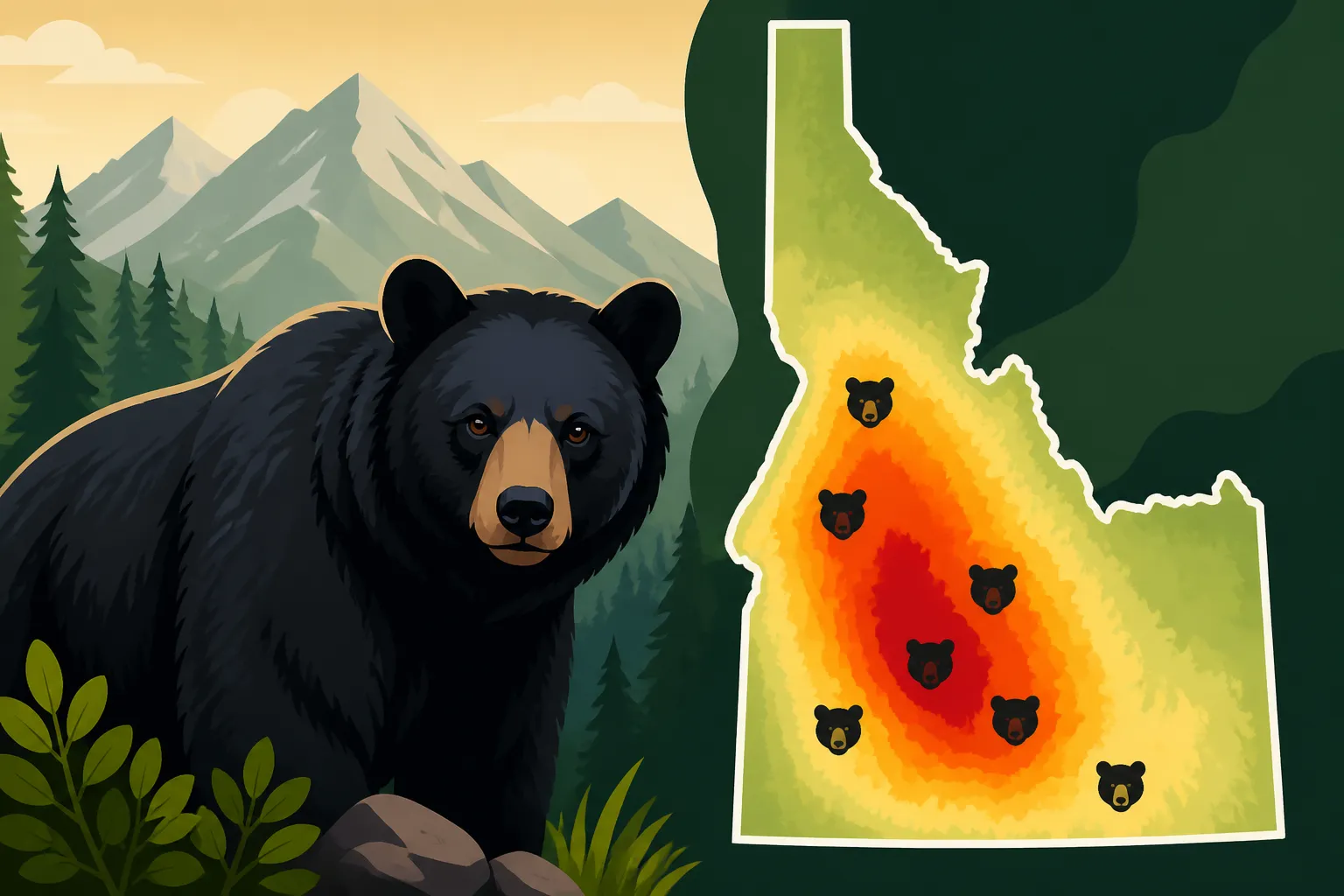
Idaho is a big state with vastly different ecosystems, and bear densities vary significantly from one region to another. While bears exist in most timbered areas, some regions consistently stand out as having higher populations due to their unique geographical and ecological characteristics. Knowing these general hotbeds can help you narrow down your search considerably.
The Northern Panhandle and Clearwater Regions
Without a doubt, the northern panhandle and the Clearwater River country are often considered prime black bear territory in Idaho. This part of the state receives more rainfall, features vast, dense forests, and generally has a cooler, wetter climate that promotes lush vegetation growth. National Forests like the Coeur d'Alene, St. Joe, and particularly the Clearwater National Forest, are sprawling wilderness areas known for their significant bear populations. Whitetail Deer Hold Idaho's Northern Panhandle also thrive here due to similar habitat.
The rugged topography of the Clearwater region, with its deep river canyons and extensive roadless areas, provides an ideal environment for bears to roam relatively undisturbed. These areas are rich in huckleberries, which are a cornerstone of a bear's diet in late summer and early fall, leading to high concentrations of bears seeking out these productive patches. While access can be challenging, often requiring significant hiking or even packing in, the rewards can be substantial for those willing to put in the effort. The remote nature means these bears often experience less human pressure, which can translate to more consistent daytime activity.
Central Mountains and River Drainages
Moving south into Idaho's central mountains, particularly the areas surrounding the Salmon River, the Selway-Bitterroot Wilderness, and the Lochsa River drainages, you'll find more exceptional black bear habitat. This is classic rugged, backcountry Idaho, characterized by steep slopes, dense timber, and remote canyons. While perhaps not as universally dense as the panhandle, these areas boast significant pockets of very high bear numbers, especially in drainages that offer consistent food and cover.
The Salmon-Challis and Payette National Forests, among others, contain extensive tracts of wilderness and roadless areas that serve as sanctuaries for bears. Here, bears might utilize more varied food sources depending on elevation and aspect, from early spring greens in lower elevations to pine nuts and various berries in higher country. The sheer wildness of these regions means that bears often have large home ranges and are less accustomed to human presence, making for a truly wild hunting experience. Many hunters will utilize digital tools from GoHunt to study these complex drainages and identify potential travel corridors or feeding areas before stepping foot on the ground.
Southeastern Idaho's Bear Pockets
While southern and southeastern Idaho are generally drier and more open than the northern half, it would be a mistake to completely write them off for black bears. There are absolutely high-density pockets, primarily within the larger mountain ranges and along specific river drainages that provide the necessary habitat. The Caribou-Targhee National Forest, for instance, particularly its more timbered sections, can hold surprisingly good numbers of bears. These areas often feature a mix of conifer forests, aspen groves, and riparian areas along creeks and drainages.
In these drier regions, bears tend to be more concentrated around reliable water sources and specific food-producing areas like chokecherry or hawthorn thickets, or areas with consistent pine nut crops. The key here is to understand that bear distribution might be more fragmented or localized compared to the expansive northern forests. A hunter needs to be more precise in their scouting, looking for those specific habitat features that draw bears into an otherwise less traditionally "beary" landscape. Using topographical maps to identify consistent water, thicker timber, and north-facing slopes that hold moisture can be particularly effective.
Using Resources to Pinpoint Bear Hotspots
Once you understand the preferred habitats and general regions for black bears in Idaho, the next step is to get down to the nitty-gritty of pinpointing specific hotspots. This involves leveraging available data and modern scouting techniques to give you the best possible chance of finding bears where density is high.
Leveraging Idaho Fish and Game Data
The Idaho Department of Fish and Game (IDFG) is an invaluable resource for any hunter. They compile and publish a wealth of information that can directly inform your bear hunting strategy. Their annual harvest reports, for instance, often break down success rates and harvest numbers by Game Management Unit (GMU) or even by specific bear management units. While these reports don't give you exact bear locations, they can highlight units or areas that consistently produce higher numbers of harvested bears. This data can tell you which units might have The Black Bear Population Estimate Explained and confirm which units have historically high bear densities.
Biologist notes and management plans, though sometimes dense reading, can offer insights into population trends, habitat health, and specific areas that biologists are monitoring for bear activity. Pay attention to areas with good habitat reported, or even areas where managers are discussing specific management actions. When you're trying to figure out Spring Against Fall Bear Hunting Compared, these reports can sometimes give clues about seasonal movements or concentrations. Don't overlook the detailed information on their website; it's designed to help hunters make informed decisions.
Digital Scouting Tools and Topographic Maps
In today's hunting world, digital scouting tools are absolute game-changers, especially for a species like black bears that thrive in rugged, expansive terrain. Platforms like GoHunt or similar robust mapping applications allow you to dissect potential hunting areas from the comfort of your home. You can layer satellite imagery with topographical maps, public land boundaries, and even historical burn data to identify prime habitat. When E-Scouting an Idaho Unit Before the Season, you should zoom in on potential areas that match a bear's preferred habitat characteristics.
Look for areas with dense, dark timber patches (visible as darker green on satellite maps), especially those adjacent to regenerating clear-cuts or old fire scars. Identify riparian corridors by tracing rivers and streams and looking for the greener, lusher vegetation along their banks. Pay close attention to north-facing slopes, as they often hold moisture longer and support more consistent vegetation growth, offering cooler bedding sites in warmer weather. Topographical lines will reveal steep terrain, which provides security and often funnels animals into more accessible travel routes. Combining these layers helps you build a picture of where bears are most likely to be spending their time.
On-the-Ground Reconnaissance
As valuable as digital scouting is, nothing truly replaces putting boots on the ground. On-the-ground reconnaissance, especially during the spring bear season or even in the off-season, can confirm your digital findings and reveal fresh sign that maps simply can't show. This involves physically walking potential bear habitat, looking for direct evidence of their presence. Idaho Spring Bear Season Opening Date is a great time to be out there looking for this fresh sign.
Key indicators of bear activity include tracks in mud or soft earth, especially along game trails or near water sources. Look for fresh scat, which can give clues about their diet and recent activity. Overturned rocks or torn-up logs are often signs of bears foraging for insects and grubs. Bear-rubbed trees, where bears scratch and rub their backs or necks, are also excellent indicators of established travel routes or territorial marking. Even though How Bear Baiting Works in Idaho in some units, understanding natural feeding patterns from actual sign is paramount for spot-and-stalk hunting. The more time you spend in potential bear country, observing and learning, the better you'll become at identifying high-density areas.
Factors Influencing Local Bear Density
Beyond the general habitat types and regional hotspots, several dynamic factors can influence how densely black bears are distributed within even a good general area. These factors often explain why one seemingly perfect patch of timber holds bears, while an identical-looking patch just a ridge over might be devoid of them. Understanding these nuances helps you refine your search and increases your chances of success.
Food Availability
Black bears are opportunists, and their presence in an area is directly tied to the availability and abundance of food. What they eat can change seasonally and even year to year, depending on localized conditions. In spring, bears often seek out low-elevation areas with early green-up, feasting on succulent grasses, forbs, and any carrion they can find after winter. As the season progresses into summer, they transition to berries – huckleberries, serviceberries, thimbleberries, and salmonberries are incredibly important. Knowing where these berry bushes grow prolifically and when they ripen is key to finding high bear concentrations.
In the fall, their diet might shift again to include acorns, pine nuts, or hawthorn berries, as bears enter hyperphagia to pack on weight before denning. A bumper crop of huckleberries in one basin can draw bears from miles around, creating a temporary but very high-density feeding area. Conversely, a year with a poor berry crop might mean bears are more spread out, foraging for whatever they can find. This dynamic relationship with food sources means that truly understanding bear density requires thinking about the seasonal progression of available forage.
Cover and Seclusion
While food might draw bears in, good cover and seclusion keep them there, especially in areas with any level of human presence. Black bears, particularly sows with cubs, need places where they feel safe to bed down, raise their young, and escape perceived threats. This usually means thick, dense conifer forests, brushy thickets, or deep, rugged canyons that offer natural protection. The more remote and undisturbed an area is, the more likely bears are to utilize it during daylight hours. This is particularly true if you are hunting without the use of Registering a Bear Bait Site, as natural cover becomes even more critical for undisturbed animals.
Steep, north-facing slopes with dense timber are often preferred bedding areas, as they offer cooler temperatures in warmer months and protection from wind and sun. Similarly, areas with significant blowdowns or dense undergrowth provide natural barriers and hiding spots. When scouting, look for these features. A landscape that looks "ugly" and impenetrable to a human hunter often looks like home to a bear. This focus on security is a major reason why many successful bear hunters spend their time in the most rugged, difficult-to-access terrain that Idaho has to offer.
Human Pressure
Human pressure, or the lack thereof, is a significant factor in local bear density and behavior. In areas with high road densities, frequent recreational use (hikers, campers, ATV riders), or heavy hunting pressure, bears tend to be more wary, often becoming largely nocturnal or retreating to the most inaccessible pockets of cover. This doesn't mean bears aren't present in these areas, but their density and visibility during hunting hours might be much lower. This is a common challenge in many areas of Idaho that receive heavy general hunting pressure.
Conversely, vast wilderness areas, roadless tracts, or remote canyons that see very little human traffic often support higher, more consistently visible bear populations. Bears in these secluded environments might be less skittish and more likely to move and feed during the day. Therefore, when evaluating potential hotspots, it’s not just about what the habitat looks like, but also what the human activity is like. Understanding how Idaho's Motorized Hunting Rule Keeps You on the Road in certain areas can give you clues about where human presence might be less impactful, potentially increasing bear density in those more remote zones. Areas bordering wilderness, such as those found on Hunting Idaho's National Forests and BLM Ground, often present a good balance of accessibility and reduced human disturbance.
| Region | Dominant Habitat Types | Key Food Sources | Access Difficulty | General Bear Density |
|---|---|---|---|---|
| Northern Panhandle | Dense Conifer Forests, Riparian | Huckleberries, Salmonberries, Grubs | Moderate to High | Very High |
| Clearwater/Lochsa | Rugged Timber, Old Burns, River Breaks | Huckleberries, Serviceberries, Fish | High | High |
| Central Mountains | Alpine Basins, Thick Timber, Canyon Bottoms | Berries, Roots, Pine Nuts, Small Mammals | High | Moderate to High |
| Southeastern Idaho | Scattered Conifer Patches, Aspen Groves | Chokecherries, Hawthorn, Pine Nuts | Moderate | Moderate (Pockets) |
Disclaimer
This article is for general informational purposes only and does not constitute professional advice. Laws, prices and regulations vary by location and change over time. Consult a qualified professional for guidance on your specific situation.