Which Species Trigger the Idaho Wilderness Guide Rule
Planning a hunt in Idaho as a nonresident can feel like navigating a maze, especially when you start looking at those incredible backcountry opportunities. One of the biggest head-scratchers for many out-of-state hunters is Idaho's unique wilderness guide rule, which can definitely throw a wrench into your DIY dreams. This comprehensive guide is here to break down exactly which big game species trigger that requirement, helping you understand the regulations so you can plan your Idaho adventure without any unexpected surprises.
Understanding Idaho's Wilderness Guide Rule
Let's be honest, the idea of an "unguided" wilderness hunt is often what draws many of us to places like Idaho. The rugged beauty, the challenge, the feeling of self-reliance—it's all part of the allure. But Idaho has a specific regulation that impacts nonresidents hoping to chase certain big game species within designated wilderness areas. It's not about making things harder, but rather a way the state manages nonresident pressure and protects resident hunting opportunities within these special landscapes.
The Core of the Rule and Its Purpose
At its heart, the Idaho Wilderness Guide Rule is about managing resource use and maintaining a fair chase environment, particularly for residents, within the state's vast and wild designated wilderness areas. The rule essentially states that if you're a nonresident and you want to hunt certain big game animals in these federally designated wilderness zones, you must employ the services of an Idaho-licensed outfitter or guide. This isn't just a suggestion; it's a legal requirement. The rationale often cited for this rule involves considerations like reducing overall hunting pressure in sensitive wilderness habitats, ensuring ethical hunting practices, and attempting to equalize opportunities between residents and nonresidents, especially for high-demand species.
The impact of this rule is significant. For many nonresidents, a DIY wilderness hunt is a rite of passage, a way to experience the backcountry on a budget and on their own terms. This rule means that for certain species, that isn't an option within the wilderness boundaries. It pushes nonresidents to either hunt outside these areas, change their target species, or significantly increase their budget to hire a professional. It's a key piece of information you need to understand right from the start of your hunt planning.
Who It Applies To: Nonresidents and Designated Areas
The Idaho Wilderness Guide Rule is explicitly for nonresident hunters. If you're an Idaho resident, you are free to hunt all species within designated wilderness areas without a licensed outfitter or guide. This distinction is crucial and often a point of contention among hunters. For nonresidents, the rule kicks in when you pursue certain species within specific wilderness boundaries. It’s not about hunting near wilderness, but actively hunting inside those legally defined lines.
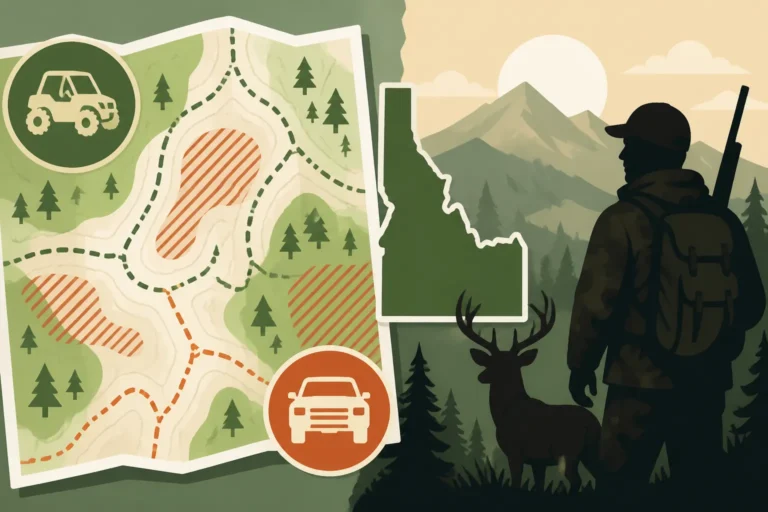
Idaho is home to some truly iconic wilderness areas, vast expanses of roadless country that are absolutely breathtaking. These include the massive Frank Church-River of No Return Wilderness, the rugged Selway-Bitterroot Wilderness, the stunning Sawtooth Wilderness, the Gospel-Hump Wilderness, and parts of Hells Canyon Wilderness. Which Idaho Wilderness Areas the Rule Covers will give you a detailed breakdown of these areas. Understanding these boundaries is absolutely critical for any nonresident planning a hunt, whether you intend to follow the rule or try to hunt just outside of it. Tools like onX Hunt are invaluable here, as they allow you to overlay wilderness boundaries onto topographical maps, making it crystal clear where you can and cannot hunt certain species without a guide. Knowing precisely where these lines are drawn can make or break your hunt plan.
Big Game Species Requiring a Guide
When it comes to the animals that trigger Idaho's wilderness guide rule for nonresidents, the focus is squarely on big game, particularly those highly sought-after species that can withstand less pressure or are managed with specific allocation goals in mind. These are the hunts where the state aims to balance opportunity and conservation within these pristine habitats.
Elk: The Primary Species Affected
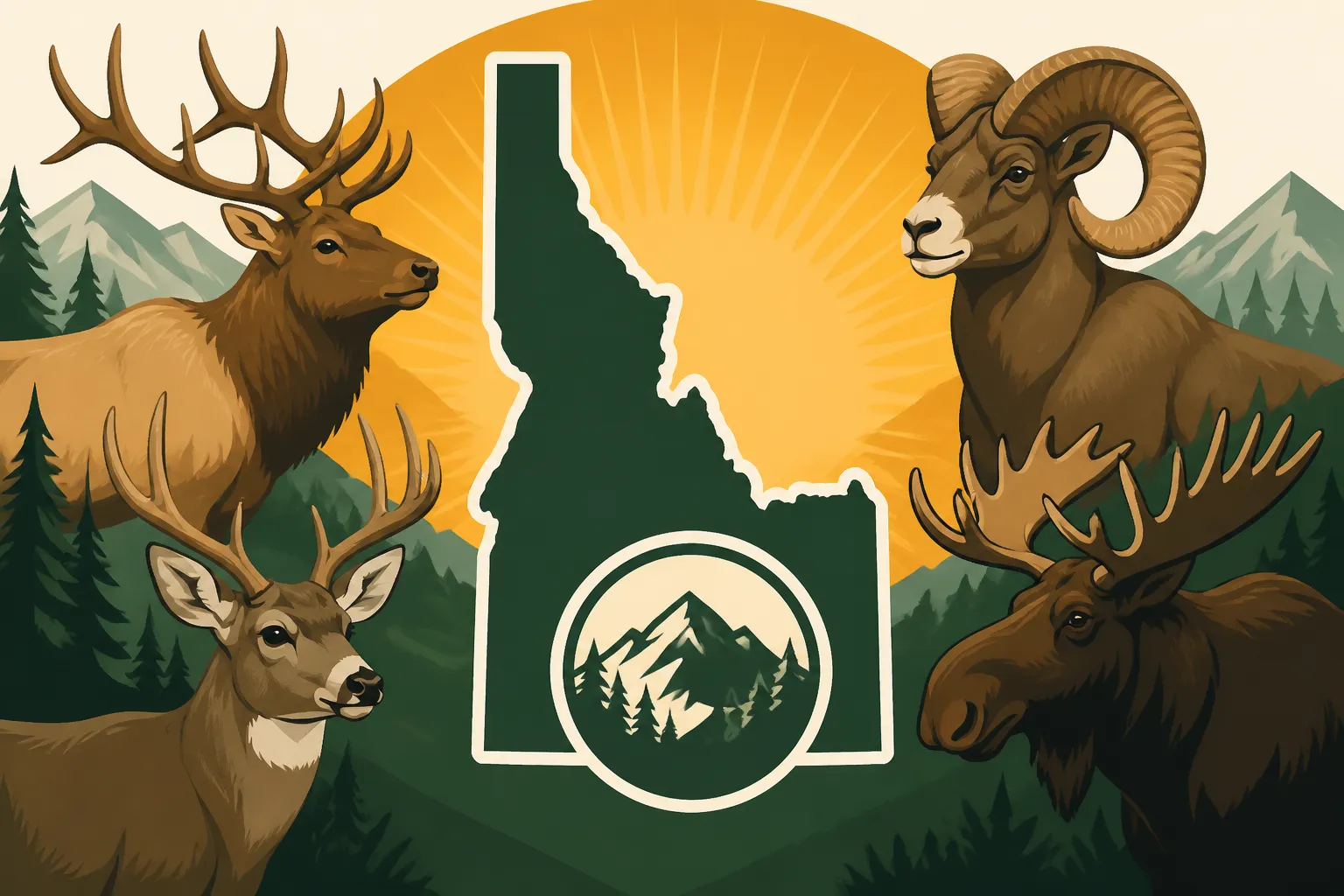
Without a doubt, elk are the poster child for Idaho's wilderness guide rule. If you're a nonresident dreaming of chasing bugling bulls deep in the Frank Church River of No Return or packing into the Selway-Bitterroot Wilderness Access in Idaho during archery or rifle season, you'll need a licensed outfitter. Idaho Forces Nonresidents to Hire a Guide for Wilderness Elk is a non-negotiable regulation for this species within these designated areas. This impacts a huge number of nonresident hunters, as Idaho is renowned for its elk hunting opportunities, and many of the most remote and "wild" experiences are, by definition, within these wilderness zones.
The challenge for nonresidents is that the very allure of these remote elk hunts often lies in the wilderness itself—the vastness, the lack of human disturbance, the potential for true trophy animals. The guide rule means that tapping into these specific wilderness strongholds requires a significant financial investment beyond just the cost of tags and travel. It's a trade-off that many nonresidents grapple with, weighing the desire for a true wilderness experience against the added expense.
Moose, Bighorn Sheep, and Mountain Goat: Trophy Species Considerations
Beyond elk, the wilderness guide rule also extends to Idaho's premier trophy species: moose, bighorn sheep, and mountain goat. These animals are managed with extremely limited tags, often requiring years, if not decades, in the draw for residents, let alone nonresidents. When a nonresident does manage to draw one of these coveted tags for a hunt unit that overlaps with designated wilderness, the guide requirement kicks in.
Consider the rarity of drawing a bighorn sheep tag. If you've beaten the odds and drawn a tag for an area that includes a wilderness unit, the joy of that draw is immediately tempered by the knowledge that you'll also need to budget for a guided hunt. This applies to Does Idaho's Wilderness Rule Cover Bighorn Sheep? and Does Idaho's Wilderness Rule Cover Mountain Goat?. These hunts are already extremely specialized and often physically demanding, frequently taking place in the most remote, rugged terrain. The guide rule simply adds another layer of planning and cost to an already complex and expensive undertaking, but it's designed to ensure that these truly once-in-a-lifetime experiences are conducted ethically and with minimal impact on the sensitive wilderness environment.
Mountain Lion: When Hounds Aren't Enough
Mountain lions are another species that fall under the wilderness guide rule for nonresidents. While lion hunting often involves hounds, and hunters might chase a track for miles, if any significant portion of that hunt occurs within the boundaries of a designated wilderness area, the nonresident guide rule will apply. This means that even if you're working with experienced hound handlers, if they aren't also licensed Idaho outfitters or guides, and you're hunting within the wilderness, you could be in violation of the law.
The nature of lion hunting, with its often unpredictable and wide-ranging pursuit, makes understanding wilderness boundaries even more critical. A cat could lead you or your hounds from non-wilderness into a wilderness area quite quickly, and knowing those lines is paramount. This rule impacts the planning of many Mountain Lion Hunts Inside Designated Wilderness, forcing nonresidents to ensure their entire operation, from the initial track to the final retrieve, complies with the guide requirement if they cross into those restricted zones.
Big Game Species Exempt from the Guide Rule
While the wilderness guide rule is a significant consideration for nonresidents targeting specific species, it's important to remember that not all big game falls under its umbrella. Idaho understands that different species require different management approaches and offer varied hunting experiences. For certain animals, the state does not impose the nonresident guide requirement in wilderness areas, allowing for more DIY opportunities.
Mule Deer and Whitetail Deer: The Deer Exception
This is a huge relief for many nonresident hunters! Idaho's guide rule for wilderness areas specifically exempts deer. This means that if your primary target is mule deer or whitetail deer, you can indeed head into the designated wilderness areas of Idaho without needing to hire a licensed outfitter or guide. Why Deer Escapes the Idaho Wilderness Guide Rule largely comes down to population dynamics, hunting pressure, and the historical context of deer management in these vast landscapes. Deer are often more widely distributed and, in many areas, less sensitive to hunting pressure than elk or the highly restricted trophy species.
This exemption opens up incredible opportunities for nonresidents who are focused on deer. Imagine packing into a remote basin in the Sawtooth Wilderness Hunting Access for a backcountry mule deer hunt, or slipping through the dense timber of the Selway-Bitterroot for a whitetail, all on your own terms. This allows for that true self-guided wilderness experience that many cherish. However, you still need to be acutely aware of those wilderness boundaries and ensure you're not inadvertently pursuing an elk if that's not your plan, as that would trigger the rule.
Black Bear: Spot-and-Stalk vs. Baited Hunts
Similarly, black bear hunting in Idaho's designated wilderness areas is generally exempt from the nonresident guide rule. This means that if you're a nonresident looking to spot-and-stalk or pursue black bears in the backcountry, you can do so without a guide. Why Bear Escapes Idaho's Wilderness Guide Rule is similar to deer, often due to population robustness and different management strategies. Black bears are numerous in many parts of Idaho, including areas adjacent to or within wilderness, and hunting them typically doesn't exert the same kind of concentrated pressure as elk hunting might.
It's crucial to understand the nuances here. While the bear itself is exempt, you must adhere to all other regulations regarding hunting methods. If you were considering a baited bear hunt, for instance, you'd need to ensure that baiting is allowed in your chosen unit and that your activities comply with all other state regulations, even if you are exempt from the guide rule for the species itself. But for a classic wilderness spot-and-stalk bear hunt, nonresidents have that direct access.
Other Exempt Species: Pronghorn, Small Game, Upland Birds
Beyond deer and bear, virtually all other species in Idaho are also exempt from the nonresident wilderness guide rule. This includes pronghorn, which are typically found in more open, often non-wilderness terrain anyway, but hypothetically would not require a guide if their range somehow overlapped. Furthermore, all small game, furbearers, and upland birds can be pursued by nonresidents within Idaho's wilderness areas without the need for a guide.
So, if your passion is chasing chukar on the steep river breaks near wilderness boundaries, or hunting grouse deep in the timber, you can absolutely do that as a nonresident without hiring an outfitter. This allows for a broad spectrum of hunting experiences within Idaho's wilderness for nonresidents, provided they focus on the species that fall outside the specific guide requirements. Always double-check the current regulations, however, as rules can occasionally change or have specific unit-based stipulations.
Navigating the Wilderness Rule as a Nonresident
So, you're a nonresident and you've got your heart set on hunting one of the species that does trigger the wilderness guide rule in Idaho. Don't despair! It just means your planning strategy needs to shift a bit. It’s absolutely possible to have an incredible hunt, but it requires understanding your options and making informed decisions.
Hiring a Licensed Outfitter: The Legal Pathway
If you intend to hunt elk, moose, bighorn sheep, mountain goat, or mountain lion within one of Idaho's designated wilderness areas as a nonresident, the straightforward and legal path is to hire a licensed Idaho outfitter. This isn't just about having someone show you where the animals are; it's about complying with state law. An outfitter provides the necessary legal framework for your hunt and typically brings a wealth of experience, knowledge of the terrain, and logistical support that can be invaluable in remote wilderness settings.
When choosing an outfitter, due diligence is key. You'll want to ensure they are properly licensed by the Idaho Outfitters and Guides Licensing Board. You can always check their credentials through the board's official channels. The Idaho Outfitters and Guides Licensing Board Explained is a great place to start your research, and Verifying an Idaho Outfitter License will walk you through the process. Ask for references, discuss their hunting style, success rates, and what their hunts typically include. A guided wilderness hunt is a significant investment, so you want to make sure you're getting a reputable and experienced professional. These hunts often include everything from camp setup and meals to packing out your game, turning a complex logistical nightmare into a focused hunting experience.
Hunting Adjacent to Wilderness: The "Buffer Zone" Strategy
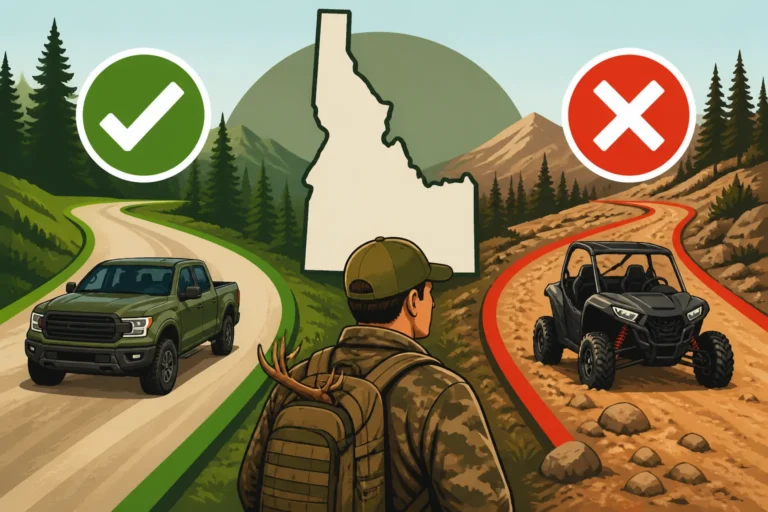
For nonresidents determined to hunt DIY but still want to be in wild country, a common strategy is to hunt immediately adjacent to, but strictly outside of, the designated wilderness boundaries. Animals, especially elk, frequently move in and out of wilderness areas. They don't recognize the lines on a map, and they'll utilize habitat that offers feed, water, and security, regardless of its legal designation. This means that areas directly bordering wilderness can often hold excellent populations of big game.
This approach requires meticulous e-scouting and on-the-ground navigation. Using mapping tools like onX Hunt becomes absolutely indispensable here. You can clearly see wilderness boundaries, unit lines, and public land access points. Plan your routes, glassing points, and potential stalk corridors to ensure you always stay on the legal side of the line. The challenge is remaining vigilant, as it can be easy to inadvertently cross a boundary when tracking an animal or simply navigating rugged terrain. This "buffer zone" strategy allows nonresidents to access incredibly wild and productive country without the added cost of a guide, as long as they are diligent about their location. For more insights, check out Hunting Just Outside a Wilderness Boundary.
The DIY Resident Advantage
It's worth reiterating for clarity: Idaho residents are completely exempt from the wilderness guide rule. This means that if you are an Idaho resident, you can hunt any legal species within any designated wilderness area without needing to hire an outfitter. Hunting Wilderness as an Idaho Resident is a privilege that provides residents with unparalleled access to their state's most pristine hunting grounds.
This resident advantage is part of the balancing act Idaho employs to manage its wildlife resources and hunting opportunities. For residents, it means the freedom to pursue a true backcountry wilderness hunt on their own terms, relying on their skills, knowledge, and physical endurance. While this doesn't directly help nonresidents navigate the rule, understanding this distinction helps explain the framework of Idaho's hunting regulations and why they're structured the way they are.
Practical Implications for Your Hunt Planning
Understanding the Idaho wilderness guide rule is one thing; putting it into practice for your hunt planning is another. This regulation has tangible effects on your budget, logistics, and even the tools you'll rely on to execute your hunt. Being prepared for these implications will ensure a smoother, more successful experience.
Budgetary Considerations: The Added Cost
For a nonresident aiming to hunt a regulated species in Idaho's wilderness, the most immediate and significant implication is financial. Hiring a licensed outfitter for a guided hunt represents a substantial increase in overall cost compared to a DIY approach. While general nonresident license and tag fees are already a consideration, adding a professional guide can easily elevate the total expense into the thousands, or even tens of thousands, of dollars depending on the species, duration, and level of service.
For example, What a Guided Idaho Elk Hunt Costs will show you that even a basic guided hunt can be several times more expensive than a self-planned trip. These costs cover not just the guide's expertise, but also horses, pack services, camp equipment, food, and often logistical support that would otherwise fall to the hunter. It's an investment, and while it often comes with a higher success rate and a more comfortable experience, it's a budget line item that must be factored in early in your planning. If the guided hunt cost is prohibitive, exploring adjacent non-wilderness areas or targeting exempt species becomes a much more attractive alternative.
Logistical Challenges: Planning a Wilderness Hunt
Even with a guide, wilderness hunts are inherently complex. Without one, if you're hunting exempt species or just outside the boundaries, the logistics become entirely your responsibility. Accessing remote wilderness areas often means long drives, challenging trailheads, and significant packing requirements. You'll need to consider how to get yourself, your gear, and potentially a harvested animal in and out of rugged country. This might involve pack animals, which themselves are a significant logistical undertaking, or simply a lot of sweat equity on your back.
Areas like Backcountry Airstrips and Jet Boats Change Idaho Access offer unique ways into the wilderness, but these services also come with costs and their own set of logistical hurdles, requiring precise planning and coordination. Whether you're flying into a remote strip or arranging a Jet Boat Drop-Offs on the Salmon River, these are not spur-of-the-moment decisions. Every piece of gear, every meal, every emergency plan needs to be meticulously thought through when operating in truly wild and remote landscapes. The absence of roads, cell service, and immediate assistance amplifies the need for thorough preparation.
Utilizing Mapping Tools for Boundaries
In an era where digital mapping is king, tools like onX Hunt and GoHunt are absolutely essential for any hunter navigating Idaho, especially when dealing with wilderness boundaries. For nonresidents needing to understand precisely where the guide rule applies, onX Hunt allows you to view detailed public land ownership layers, wilderness designations, and game management unit boundaries right on your phone or GPS device. This is crucial for planning your approach, identifying legal hunting grounds, and ensuring you don't inadvertently stray into a restricted zone or an area requiring a guide. Knowing the exact line on the ground can be the difference between a legal, successful hunt and a costly violation.
GoHunt offers fantastic resources for researching units, draw odds, and harvest statistics, which can help you decide which units to apply for or focus your DIY efforts on. By cross-referencing information from GoHunt with the detailed maps of onX Hunt, you can build a robust understanding of your chosen hunting area. These technologies empower hunters to make informed decisions about where to hunt, how to access it, and, critically, how to stay within the bounds of Idaho's complex regulations.
Here's a quick summary of the rule for nonresident big game hunters in Idaho's designated wilderness areas:
| Species | Nonresident Wilderness Guide Required? | Typical Hunting Method | Notes |
|---|---|---|---|
| Elk | Yes | Archery, Rifle, Muzzleloader | Primary species affected, significant cost implication |
| Moose | Yes | Rifle, Archery | Very limited tags, extremely high demand |
| Bighorn Sheep | Yes | Rifle, Archery | Once-in-a-lifetime opportunity, requires extreme conditioning |
| Mountain Goat | Yes | Rifle, Archery | Difficult terrain, limited tags |
| Mountain Lion | Yes | Hounds, Spot-and-Stalk | If any portion of the hunt takes place in wilderness |
| Mule Deer | No | Archery, Rifle, Muzzleloader | Great DIY wilderness opportunity for nonresidents |
| Whitetail Deer | No | Archery, Rifle, Muzzleloader | Good DIY wilderness opportunity in northern Idaho |
| Black Bear | No | Spot-and-Stalk, Baiting | DIY opportunity, check unit rules for baiting |
| Pronghorn | No | Rifle | Typically found outside wilderness, but would be exempt if overlap |
| Small Game / Upland Birds | No | Shotgun, .22 | Fully exempt, good option for casual wilderness hunting |
Remember, this rule is specifically about hunting certain species within designated wilderness areas. Hunting outside these boundaries or hunting exempt species within them gives nonresidents more flexibility. Always consult the most current Idaho Fish and Game regulations for complete and up-to-date information.
Disclaimer
This article is for general informational purposes only and does not constitute professional advice. Laws, prices and regulations vary by location and change over time. Consult a qualified professional for guidance on your specific situation.