Idaho Forces Nonresidents to Hire a Guide for Wilderness Elk
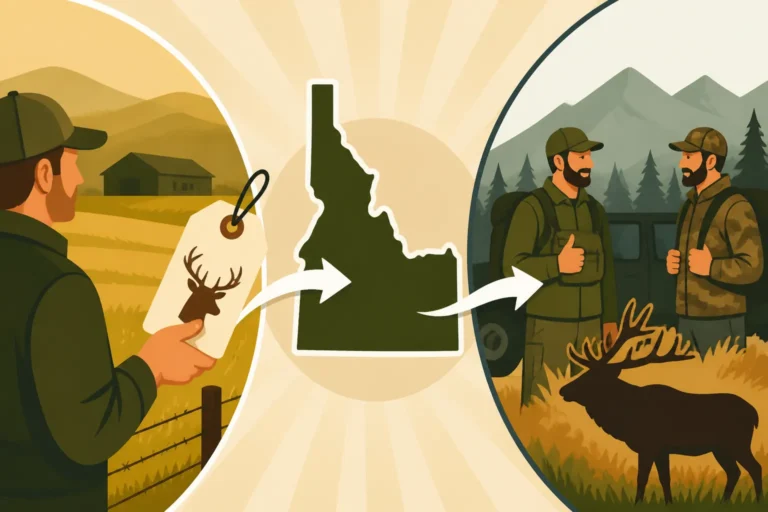
So many of us dream of a true backcountry elk hunt, the kind where you leave the roads behind and just immerse yourself in the wild. But if you're a nonresident planning an Idaho elk adventure into designated wilderness, there's a crucial regulation that can throw a serious wrench into those plans: the mandatory guide rule. This guide is going to break down exactly what that means, why it exists, and how you can navigate it to still have an incredible hunting experience in the Gem State.
Understanding Idaho's Wilderness Guide Rule
Let's face it, Idaho is a land of incredible wild spaces. For many nonresident hunters, the allure of places like the Frank Church River of No Return Wilderness or the Selway-Bitterroot Wilderness is almost magnetic. The vastness, the ruggedness, the sheer lack of human impact—it’s what draws us in. However, the state of Idaho has a very specific rule in place regarding who can hunt certain big game animals in these designated wilderness areas, especially if you're coming from out of state. This isn't just a suggestion; it's a legal requirement designed to manage resources and, arguably, ensure a certain level of safety and ethical hunting practices in extremely remote terrain.
What Constitutes "Designated Wilderness" in Idaho
When we talk about "designated wilderness" in Idaho, we're not just referring to any remote patch of woods. These are specific federal lands that have received a special congressional designation under the Wilderness Act. This act sets them aside as areas where human impact is minimal, and motorized or mechanized travel is strictly prohibited. Think of it as land managed to preserve its primeval character. In Idaho, this includes iconic areas like the Frank Church-River of No Return Wilderness, the Selway-Bitterroot Wilderness, the Sawtooth Wilderness, and the Gospel-Hump Wilderness. Each of these areas has clearly defined boundaries that are vital for any hunter to understand.
These boundaries are usually well-marked on Forest Service maps, and modern hunting apps use these layers extensively. It’s absolutely critical to understand where these lines are because stepping even a few yards inside with the wrong species and without a licensed guide can turn an amazing hunt into a significant legal headache. The spirit of wilderness is about self-reliance, but for nonresidents pursuing specific game, Idaho has drawn a very clear line in the sand, dictating that expertise beyond your own is required. This rule is a cornerstone of how the state manages these special landscapes for certain hunting activities.
The Origin and Purpose of the Nonresident Guide Rule
Many hunters wonder why this rule exists. It's not just to make things harder for nonresidents, though it can certainly feel that way when you're planning. The nonresident guide rule for certain wilderness hunts in Idaho has roots in both resource management and, frankly, historical political pressures. One perspective is that it helps to regulate the impact of hunters in extremely sensitive and difficult-to-access areas. These wilderness zones often contain critical habitat for big game, and the state has an interest in ensuring these areas are not over-pressured or subject to irresponsible hunting practices.
Another significant factor is the economic impact and support for Idaho's outfitting industry. By mandating the use of a licensed outfitter and guide for nonresidents pursuing certain species in wilderness, the state helps to sustain a local industry that provides jobs and services, particularly in rural communities. This isn't unique to Idaho; other Western states have similar regulations. Ultimately, it’s a policy decision that balances hunter access, wildlife conservation, public safety in remote areas, and the economic benefits derived from guided hunts. It ensures that those venturing deep into these wild places have a level of experience and local knowledge, often provided by a professional guide, to navigate the challenging terrain and rigorous ethical standards.
Why Elk Trigger the Nonresident Guide Requirement
The mandatory guide rule for nonresidents in Idaho's designated wilderness doesn't apply to every single animal you might want to pursue. It's very specific, and elk are definitely on that list. For many, elk are the ultimate prize, an animal that embodies the wild spirit of the West, and pursuing them in true wilderness adds an extra layer of challenge and reward. But that challenge is precisely why Idaho implemented this rule for nonresidents.
The Unique Challenges of Hunting Elk in Wilderness
Hunting elk in Idaho’s wilderness is not for the faint of heart, or for the unprepared. These are vast, rugged landscapes with incredible elevation changes, dense timber, and remote basins that can be days from the nearest road. Elk thrive in these environments precisely because they offer sanctuary and challenging terrain for hunters. For a nonresident, especially one unfamiliar with the specific nuances of Idaho’s wilderness, the risks and logistical difficulties are substantial.
Imagine being miles deep into the Selway-Bitterroot, an elk down, and suddenly facing a brutal packing job over gnarly terrain, with a storm rolling in, and no easy way out. The sheer physical demands are immense, requiring not only peak physical condition but also advanced backcountry skills in navigation, survival, and game retrieval. A licensed guide brings not only invaluable local knowledge of elk patterns, water sources, and escape routes but also the crucial logistical support—horses, mules, satellite communication, and emergency plans—that can make the difference between a successful, safe hunt and a perilous situation. This isn't just about finding an elk; it's about successfully completing the entire hunt, from the stalk to getting that precious meat back to civilization, all while respecting the wild character of the area.
Which Species Trigger Idaho's Wilderness Guide Rule
Idaho's guide rule for nonresidents in designated wilderness areas focuses on big game species that present significant challenges in terms of pursuit, retrieval, and impact. While elk are certainly the most prominent species affected by this rule, they're not alone. Mountain goat, bighorn sheep, and Shiras moose also fall under this mandate for nonresidents venturing into wilderness boundaries. These animals typically inhabit the most remote, high-alpine, and physically demanding environments within the wilderness areas. Their pursuit often requires extensive backcountry experience, specialized equipment, and a deep understanding of the specific terrain and weather patterns.
The state's reasoning here is consistent: these are hunts where the risks are elevated, and the consequences of missteps can be severe for both the hunter and the resource. A professional outfitter and guide, familiar with these specific species and their wilderness habitats, can mitigate those risks. They know the movement patterns, the best glassing points, and more importantly, how to safely navigate treacherous terrain and handle an animal once it's on the ground. This rule acknowledges the intensity of these hunts and provides a layer of assurance that nonresidents are undertaking them with appropriate guidance.
The Specifics: Elk, Moose, Sheep, and Goat
Let’s be clear about the species that trigger this requirement for nonresidents hunting in Idaho’s designated wilderness. It’s not just "big game" in general. The rule specifically applies to elk, moose, bighorn sheep, and mountain goat. If you're coming from out of state and dream of drawing a coveted moose tag or chasing a bighorn ram high in the Rockies, and your hunt unit overlaps with designated wilderness, you must have a licensed Idaho outfitter and guide accompanying you. This is a non-negotiable legal point.
This means if you've got your heart set on an archery elk hunt deep in the Gospel-Hump, or a rifle hunt for a shiras moose in the vastness of the Frank Church, and you are not an Idaho resident, you need to factor in the cost and logistics of a guided trip. It fundamentally changes the planning process and financial commitment compared to a DIY hunt outside of wilderness or for other species. The rule ensures that nonresidents engaging in these particularly challenging and impactful hunts are supported by professional expertise, minimizing potential issues and upholding the integrity of the wilderness experience.
Exemptions to the Wilderness Guide Rule
Now, before you get too disheartened thinking all Idaho wilderness is off-limits for unguided nonresident hunters, let’s talk about the important exceptions. The rule is specific, not universal, and understanding these nuances can open up other exciting opportunities for your hunting adventures in Idaho's vast backcountry. It’s easy to get confused, so let’s clear the air and look at which species fall outside this particular regulation.
Why Deer and Bear Are Exempt in Wilderness
For many nonresident hunters, this is often the silver lining in Idaho's wilderness guide rule. If you're a nonresident planning a hunt for deer (both mule deer and whitetail) or black bear in a designated wilderness area, you are generally not required to hire a licensed outfitter and guide. This exemption makes a significant difference for hunters seeking a more self-reliant, unguided backcountry experience in these incredible landscapes.
The reasons for this exemption are multifaceted. Deer and bear, while challenging to hunt in wilderness, typically present different logistical and safety profiles compared to elk, moose, sheep, or goat. Deer are often smaller, making game retrieval less Herculean, and their habitat can sometimes be more accessible on the fringes of wilderness. Black bear hunting, particularly in the spring, might involve baiting (where legal and permitted outside wilderness, though not typically within it) or spot-and-stalk tactics that, while requiring skill, don't necessarily demand the same scale of logistical support as a multi-day elk pack-out from a remote basin. The state likely views these species as offering a more manageable challenge for an experienced, unguided nonresident hunter, while still ensuring that elk, moose, sheep, and goat hunts retain a higher level of professional oversight in these fragile environments.
Hunting Other Species Unguided in Wilderness
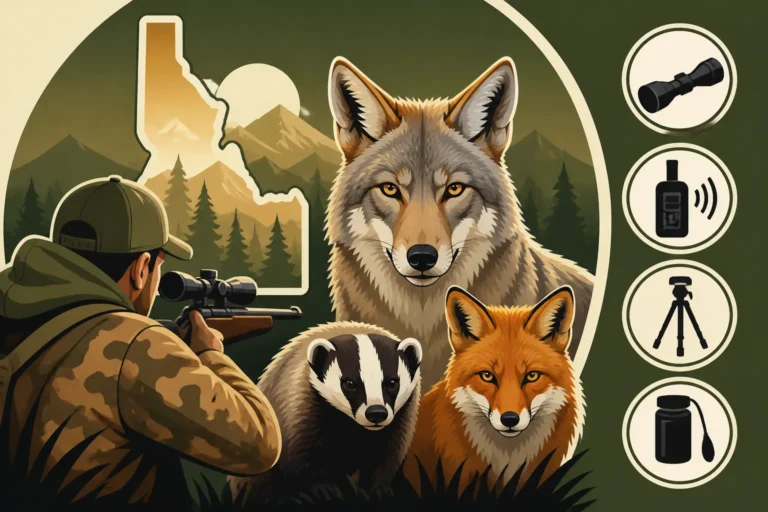
Beyond deer and bear, there are indeed other species that nonresidents can pursue unguided within Idaho's designated wilderness areas. This includes a variety of upland birds like grouse and chukar, as well as predators and furbearers such as coyotes and wolves. If your dream is to combine a high-country backpacking trip with some grouse hunting, or to call in coyotes in an incredibly wild setting, these opportunities are generally open to nonresidents without the mandatory guide.
The common thread among these exempted species is often their size and the typical methods of hunting them. Pursuing a coyote or a forest grouse doesn’t carry the same immense logistical burden or potential impact as harvesting a 700-pound bull elk miles from a trailhead. The state's focus with the guide rule is clearly on the larger big game species that require significant effort and resources to hunt successfully and ethically in challenging wilderness terrain. This means a nonresident can still enjoy a profound wilderness hunting experience for many species, provided they carefully check the regulations for their chosen quarry and the specific unit they plan to hunt.
Navigating Idaho's Designated Wilderness Areas
Successfully hunting in Idaho, especially as a nonresident, hinges on a deep understanding of the landscape, and nowhere is that more critical than around designated wilderness areas. These aren't just big chunks of forest; they are legally defined zones with specific rules that demand your respect and meticulous planning. Knowing your way around these boundaries is paramount, not just for legal compliance, but for a safe and successful hunt.
Major Wilderness Areas and Their Boundaries
Idaho is home to some of the largest and most awe-inspiring wilderness areas in the lower 48. The most notable for big game hunting include the Frank Church-River of No Return Wilderness, which is truly immense, spanning millions of acres, and the Selway-Bitterroot Wilderness, shared with Montana, known for its rugged mountains and dense forests. Smaller, but equally wild, areas like the Sawtooth Wilderness and Gospel-Hump Wilderness also offer incredible opportunities, albeit with the guide caveat for certain species.
Understanding where these wilderness boundaries lie is your first, most crucial step. These lines are often delineated on U.S. Forest Service maps, which are the official source. However, in today's digital age, mapping apps like onX Hunt or Basemaps are indispensable tools. These apps overlay land ownership and wilderness boundaries directly onto satellite imagery, allowing you to see exactly where you are in relation to these critical lines. Before you ever set foot on the ground, spend hours pouring over these maps. Identify trailheads, potential camp spots, and escape routes, always cross-referencing with the wilderness boundary. Remember, a boundary line can run right down the middle of a drainage or along a ridge, so what looks like "just timber" on the ground could easily be the legal dividing line for your hunt. Hunting the Frank Church River of No Return is a massive undertaking, and knowledge of its extent is non-negotiable.
Hunting Just Outside a Wilderness Boundary
The mandatory guide rule applies inside designated wilderness areas. This critical distinction opens up a strategic option for nonresident hunters: hunting the fringes or immediately adjacent areas to wilderness boundaries. Many big game animals, especially elk, frequently move in and out of these wilderness zones. They might utilize the deep cover and lack of human pressure inside the wilderness for security, but venture into non-wilderness areas to feed or during migration.
This strategy requires even more diligent map work and scouting. You'll need to identify areas just outside the wilderness boundary that offer similar habitat, access to water, and escape routes that elk might use. This could mean hunting a steep canyon just outside the Selway-Bitterroot, or glassing a basin bordering the Frank Church. The key is to ensure that your entire hunt—from glassing to tracking to the actual shot and retrieval—occurs entirely outside the designated wilderness lines. While it might mean sacrificing the deepest wilderness experience, it still offers a challenging backcountry hunt in wild country, without the nonresident guide requirement for elk. This approach allows for a self-reliant adventure, but demands an even higher level of navigational precision and adherence to public land rules.
The Role of a Licensed Outfitter and Guide in Idaho
If you’re a nonresident and your heart is set on pursuing elk, moose, bighorn sheep, or mountain goat deep within Idaho’s designated wilderness, then a licensed outfitter and guide isn’t just an option—it’s a necessity. These professionals are the backbone of many successful wilderness hunts, providing far more than just pointing you to an animal. They are your legal gateway to these areas and your essential partners in a safe, ethical, and successful adventure.
How Idaho Outfitters Get a Forest Service Permit
It's not enough for an outfitter to simply be licensed by the state; to operate legally within federal wilderness areas, they must also secure specific permits from the U.S. Forest Service (or, in some cases, the Bureau of Land Management). These are called "Special Use Permits" and they are highly regulated. The Forest Service allocates these permits based on specific areas, known as "operating territories," and for a defined number of "service days" or "client days." This system helps manage the impact of commercial operations on the wilderness resource and prevents overcrowding.
For an outfitter, obtaining and maintaining these permits is a rigorous process. It involves demonstrating financial responsibility, adherence to environmental regulations, and a proven track record of safe and ethical operations. These permits are often renewed annually and can be quite competitive. What this means for you, the nonresident hunter, is that a legitimate outfitter operating in a wilderness area isn't just a guy with some horses; they are a recognized and permitted commercial entity, sanctioned by the federal government to conduct business within those special lands. This ensures a level of accountability and professionalism.
The Idaho Outfitters and Guides Licensing Board
Idaho takes its outfitting and guiding industry seriously, and that oversight comes from the Idaho Outfitters and Guides Licensing Board (IOGLB). This is the state agency responsible for licensing, regulating, and overseeing all outfitters and guides operating in Idaho. Their primary mission is to protect the public by ensuring that outfitters and guides meet specific standards of experience, safety, and financial responsibility.
Before you ever book a hunt, it's absolutely crucial to verify that your chosen outfitter is currently licensed by the IOGLB. You can do this by checking their online database. A legitimate outfitter will be proud to share their license number, and it should be easy to confirm. The IOGLB also handles complaints against outfitters and guides, providing a recourse if things go awry. Their role is to ensure that those offering guided services in Idaho, particularly in challenging wilderness environments, are qualified, insured, and adhere to state laws. This layer of regulation provides a vital consumer protection for hunters making a significant investment in their hunt.
What a Guided Wilderness Elk Hunt Includes
When you book a fully guided wilderness elk hunt in Idaho, you're not just paying for someone to walk alongside you. You are investing in a comprehensive service designed to maximize your chances of success and ensure your safety and comfort in extremely remote conditions. While specifics vary by outfitter, a typical guided wilderness elk hunt usually includes:
- Professional Guide Services: You'll have one or more experienced, licensed guides with intimate knowledge of the hunt area, elk behavior, and local conditions. They handle scouting, tracking, calling, and often the field dressing.
- Logistical Support: This is huge. Wilderness hunts often involve pack strings of horses or mules to transport gear, food, and eventually, your harvested animal. The outfitter handles all the animal care, packing, and navigation of these challenging logistics.
- Camp and Meals: Outfitters set up comfortable (though rustic) backcountry camps, often with wall tents, cots, and stoves. They provide all the food and do the cooking, ensuring you're well-fed and fueled for strenuous days.
- Transportation to Camp: This could be via horseback, boat (like jet boat access on the Salmon River), or even small aircraft to backcountry airstrips, all arranged and handled by the outfitter.
- Permits and Fees (Outfitter's End): The outfitter covers their own Forest Service Special Use Permits to operate in the wilderness. Your hunting license and tag are still your responsibility.
- Field Care of Game: Once an animal is down, guides assist with field dressing, caping (if you want a trophy), and packing out the meat to ensure proper care.
What it doesn't typically include are your personal hunting license and tags, travel to the outfitter's rendezvous point, meat processing beyond field dressing, taxidermy, or gratuities for your guides and wranglers. These are important distinctions to clarify when booking.
Planning Your Nonresident Wilderness Elk Hunt
Embarking on a nonresident wilderness elk hunt in Idaho is a significant undertaking that demands meticulous planning, often years in advance. It's not a spur-of-the-moment decision; it requires careful consideration of timing, costs, physical demands, and the process of securing both a tag and an outfitter. Getting these pieces aligned is crucial for a successful and enjoyable experience.
Booking an Outfitter: Timeline and Considerations
The decision to book a guided wilderness elk hunt should happen long before you even apply for a tag. Most reputable outfitters who operate in prime wilderness areas are booked out one to three years in advance, sometimes even further for highly coveted spots. It’s a common frustration for hunters to secure a tag only to find all the quality outfitters are unavailable.
When selecting an outfitter, start by researching their reputation, success rates, and references. Websites like BookYourHunt can be a great starting point for finding reputable operations, but always follow up with direct conversations and reference checks. Ask detailed questions about their operating area, camp setup, guide-to-hunter ratio, physical demands of the hunt, and what their average harvest rates have been for the past few years. Understand their cancellation policy, especially if your ability to hunt hinges on drawing a tag. Some outfitters require a deposit well in advance, with the understanding that a refund or rollover might occur if you don't draw. This entire process is about building trust and ensuring the outfitter's services align with your expectations and physical capabilities.
Navigating Idaho's Controlled Hunt Calendar and Draw Odds
Idaho operates on a controlled hunt system for many species, including elk in many units. Unlike some states with preference points, Idaho's draw system is often described as "pure lottery" or "random." Everyone who applies for a specific controlled hunt unit in a given year has roughly the same odds, regardless of how many times they've applied before. This means a first-time applicant theoretically has the same chance as someone who has applied for a decade. Booking an Idaho Hunt Around the Draw Calendar involves understanding these key dates.
The application period for most nonresident big game controlled hunts in Idaho typically opens in December and closes in late January or early February. Results are usually posted in May. Tools like GoHunt can be invaluable for researching specific hunt units, analyzing historical draw odds, and understanding harvest statistics. Even if you're going with an outfitter, being informed about the units they operate in and their historical success gives you a stronger basis for conversation and managing expectations. Work closely with your chosen outfitter; they often have deep insight into specific units and can advise on which ones might offer the best blend of draw odds and hunting quality. Remember, you must purchase your hunting license before applying for any tags.
Physical Preparation for a Wilderness Hunt
No matter how good your guide is, a wilderness elk hunt in Idaho is going to demand a lot from your body. The terrain is steep, rugged, and relentless. You’ll be hiking miles each day, often at high elevations, carrying a pack, and potentially scrambling through thick timber or over rocky slopes. Many hunts start well before dawn and end well after dusk, requiring sustained effort.
Neglecting physical preparation is one of the biggest mistakes a hunter can make, especially when undertaking a guided hunt where your performance can impact the entire group. Start a dedicated fitness regimen months, if not a year, in advance. Focus on cardiovascular endurance through activities like running, hiking with a weighted pack, and stair climbing. Incorporate strength training, particularly for your legs, core, and back. Practice hiking on uneven terrain if possible, and wear the boots you plan to hunt in to break them in. The goal isn't just to survive the hunt, but to enjoy it and be an effective hunter throughout the entire trip. When that bull bugles across a steep canyon, you want to be able to get there, not be gasping for air halfway up the hill.
Alternatives to a Fully Guided Wilderness Hunt
While a fully guided hunt is mandatory for nonresidents pursuing elk, moose, sheep, or goat in Idaho's designated wilderness, that doesn't mean your backcountry dreams are entirely dashed if a full guide service isn't in your budget or preferred style. Idaho offers other ways to access and experience its incredible wild country. Understanding these alternatives can help you tailor your hunt to your preferences and budget.
Drop Camps in Idaho's Backcountry
For nonresidents looking for a more self-reliant backcountry experience within wilderness boundaries, but still needing to comply with the guide rule for certain species, a "drop camp" can be an excellent compromise. In a drop camp scenario, a licensed outfitter provides the logistical support to get you and your gear (and often food) into a remote wilderness camp via horses, mules, or sometimes jet boat or aircraft. They drop you off with all your supplies, establish a camp, and then leave you to hunt on your own for a predetermined number of days. At the end of your hunt, they return to pack out you, your gear, and your harvested game.
While the outfitter is legally involved in transporting you into the wilderness, they do not actively guide you during the hunt itself. You're responsible for your own hunting, navigation, cooking, and daily camp life. This significantly reduces the cost compared to a fully guided hunt and offers a deeper sense of self-sufficiency. However, you still benefit from the outfitter's expertise in safely getting you in and out of remote terrain, and in handling the heavy lifting of packing out an animal. It's crucial to confirm with the outfitter that this arrangement satisfies Idaho's nonresident guide requirements for your specific species and wilderness unit.
Unguided Hunts Outside Wilderness Boundaries
As discussed earlier, a very viable alternative for nonresidents is to plan an unguided elk hunt that takes place entirely outside the designated wilderness boundaries. Idaho has vast tracts of public land, including national forests and BLM ground, that are not wilderness-designated, and therefore do not carry the nonresident guide requirement for elk. These areas can still be incredibly wild, rugged, and remote, offering a true backcountry experience.
This approach demands a heightened level of self-sufficiency and preparation. You'll be responsible for all your own logistics: navigation, camp setup, food, water, first aid, and game retrieval. This is where meticulous e-scouting with tools like GoHunt, detailed paper maps, and a GPS become indispensable. You’ll need to understand Idaho's Motorized Hunting Rule Keeps You on the Road in these areas, as motorized travel off established routes is strictly prohibited. It’s often harder to find low-pressure areas, and you'll likely share the woods with more DIY hunters and recreationists. However, for those seeking a true test of their hunting and backcountry skills without the cost of a guide, these non-wilderness public lands offer phenomenal opportunities.
Hunting Other Species Unguided in Wilderness
If the allure of designated wilderness is simply too strong to resist, but a guided elk hunt isn't in the cards, remember the exemptions. Nonresidents can still hunt deer and black bear unguided within Idaho's wilderness areas. This allows you to immerse yourself in the profound solitude and challenge of true wilderness without the mandatory guide. While deer and bear might not be your primary target, pursuing them in such a pristine environment offers an incredibly rewarding experience.
This could also be an opportunity to scout an area for a future guided elk hunt, familiarizing yourself with the terrain and the general movements of animals. Or, it might be a chance to enjoy a unique high-country experience focused on Chukar, Grouse and Idaho's Upland Country or even calling coyotes, all while benefiting from the raw beauty and challenge of a wilderness setting. Always double-check the specific regulations for your chosen species and unit, but these options provide a pathway for nonresidents to still experience Idaho's wilderness hunting on their own terms.
Ensuring a Legitimate and Ethical Hunt
When you're dealing with mandatory regulations, significant financial investments, and the sanctity of wild places, ensuring your hunt is legitimate and ethical is paramount. As a nonresident hunter, particularly one navigating the complexities of Idaho's wilderness guide rule, you have a responsibility to yourself, the wildlife, and the state to conduct your hunt with the highest standards.
Vetting Your Outfitter and Understanding Contracts
Once you've identified potential outfitters, the vetting process becomes critical. Don't just rely on pretty brochures or websites. Engage in thorough due diligence.
- Check References: Ask for contact information for past clients, specifically those who hunted the same species and area you intend to. Ask about their overall experience, the quality of the guides, the camp conditions, and how the outfitter handled any unexpected issues.
- Verify Licensing: As mentioned, always confirm the outfitter is currently licensed by the Idaho Outfitters and Guides Licensing Board (IOGLB). A quick search on their website can confirm this.
- Detailed Contract Review: Read the contract meticulously before signing anything or sending a deposit. Understand what is and isn't included in the price. Clarify policies on cancellations, refunds (especially if you don't draw a tag), payment schedules, and any additional fees (e.g., trophy fees, meat processing coordination). What is their policy on inclement weather or other unforeseen circumstances? What is their safety protocol in the event of an emergency?
- Communication: A good outfitter will be responsive and transparent. They should be willing to answer all your questions and provide clear expectations. Red flags include evasiveness, high-pressure sales tactics, or a lack of willingness to provide detailed information. BookYourHunt can help connect you with reputable outfitters, but the final vetting is always up to you. Vetting an Idaho Outfitter Before You Send a Deposit is key.
Ethical Hunting Practices in Wilderness
Hunting in wilderness isn't just about legality; it's about upholding a higher standard of ethics, especially in areas managed for their wild character.
- Leave No Trace: This principle is foundational in wilderness. Pack out everything you pack in, including all trash and food waste. Minimize your impact on the land.
- Respect Wildlife: Hunt ethically, ensuring clean kills and diligent recovery efforts. Wilderness conditions often make retrieval challenging, so it’s even more important to make responsible shot choices.
- Proper Game Care: Whether guided or on a drop camp, ensure you understand and practice proper field dressing and meat care. In remote areas, this means rapid cooling and protecting the meat from spoilage and scavengers. Idaho has strict The Meat Salvage Requirements for Big Game rules that apply to all hunters.
- Respect Other Users: Wilderness areas are for everyone. Be courteous to other hunters, hikers, and recreationists. Minimize noise and always be mindful of your presence.
- Follow Regulations: This goes without saying, but it's crucial. Adhere to all Idaho Fish and Game regulations regarding season dates, bag limits, weapon restrictions, and tagging requirements. Your guide will help ensure compliance, but it’s ultimately your responsibility.
Understanding and Avoiding Common Pitfalls
Even with the best intentions, hunters can run into problems. Being aware of common pitfalls can help you avoid them.
- Last-Minute Planning: This is a recipe for disappointment, especially with guided hunts and limited tags. Start early!
- Physical Underestimation: Many hunters underestimate the physical demands of Idaho's terrain, leading to exhaustion, injury, or missed opportunities. Be honest with yourself about your fitness level.
- Misunderstanding Regulations: Don't assume. Always read the current Idaho hunting regulations booklet cover to cover, and clarify any ambiguities with Idaho Fish and Game or your outfitter. This includes understanding Idaho's Motorized Hunting Rule Runs August Into December in specific areas.
- Unrealistic Expectations: Wilderness hunting is tough. Success is never guaranteed. Manage your expectations regarding trophy size and harvest rates. The experience itself, the challenge, and the immersion in nature should be valued above all else.
- Poor Communication with Outfitter: Don't hesitate to ask questions or express concerns before and during the hunt. A good outfitter wants you to have a safe and positive experience.
By approaching your Idaho wilderness hunt with thorough preparation, respect for the rules, and a strong ethical compass, you’ll set yourself up for an unforgettable and rewarding adventure, regardless of whether you punch your tag or not.
Disclaimer
This article is for general informational purposes only and does not constitute professional advice. Laws, prices and regulations vary by location and change over time. Consult a qualified professional for guidance on your specific situation.