Which Roads Qualify Under Idaho’s Motorized Rule
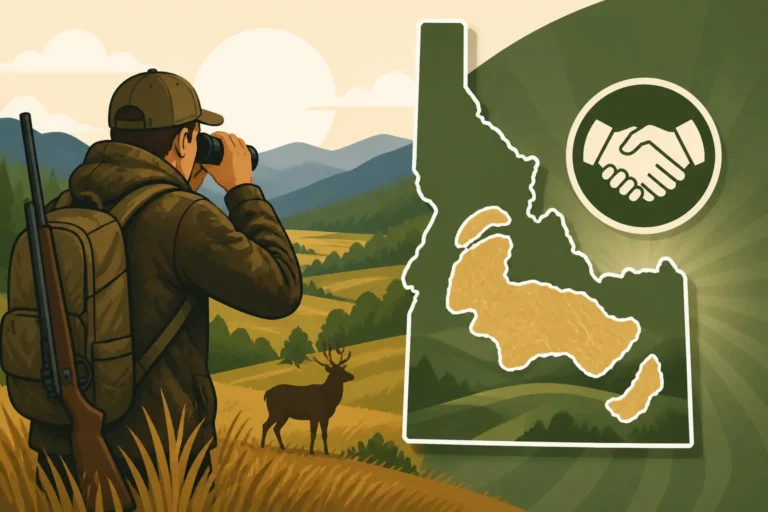
Navigating the vast and beautiful Idaho backcountry for a hunt is an incredible experience, but it comes with a responsibility to understand and abide by the rules designed to protect both the wildlife and the wild places we cherish. One of the most common sources of confusion, and frankly, frustration, for hunters is figuring out exactly what constitutes a legal "road" when Idaho's motorized hunting rule is in effect. Many hunters worry about mistakenly driving down a two-track that suddenly becomes a ticketable offense, or worse, damaging sensitive habitat. This guide aims to clear up that confusion, diving deep into what the state considers an established roadway under these crucial regulations.
Understanding Idaho's Motorized Hunting Rule
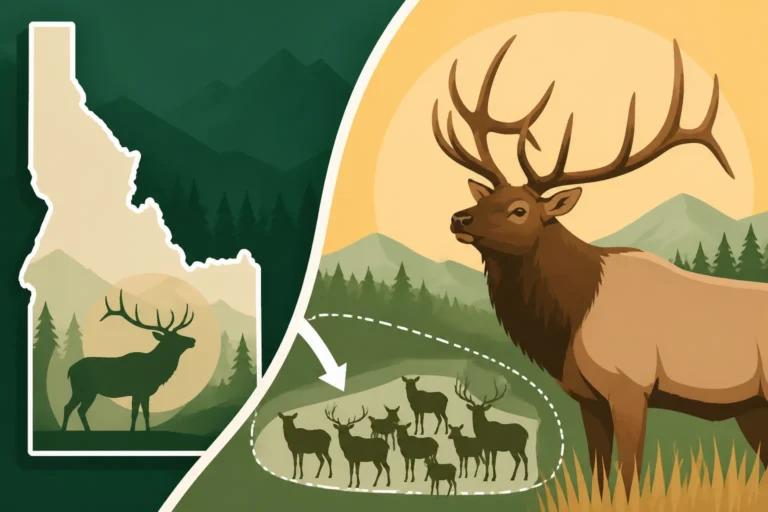
The Gem State's motorized hunting rule isn't just a bureaucratic hurdle; it's a fundamental aspect of wildlife management designed to ensure fair chase, reduce pressure on game, and protect delicate ecosystems. Imagine a popular elk unit during the rut – if every hunter could drive freely off-road, the disturbance to wildlife would be immense, and the hunting experience for everyone would suffer. This rule helps maintain the integrity of the hunt and the health of the habitat.
The Purpose Behind the Regulations
At its heart, the motorized hunting rule is about minimizing human impact on the landscape and the animals that call it home. When vehicles stray from established routes, they can compact soil, spread invasive species, create erosion, and fragment critical habitat. For game animals, constant vehicle traffic translates into relentless pressure, forcing them into less suitable areas and disrupting natural behaviors like feeding and breeding. The rule also aims to uphold fair chase principles, preventing hunters from using vehicles to gain an unfair advantage in pursuing game. It ensures that the challenge and effort remain central to the hunting experience, rather than relying on mechanization. Without these rules, the quiet solitude many of us seek in the woods would be replaced by the drone of engines.
Seasonal Application and Enforcement
The Idaho motorized hunting rule is not a year-round restriction; it typically comes into play during peak hunting seasons, from August 30 through December 31. This specific timeframe is no accident. It encompasses significant periods like the early archery seasons, the heart of the deer and elk rut, and the general rifle seasons when hunter numbers are highest and game is often most vulnerable. These are also periods when winter range areas are becoming crucial, and minimizing disturbance is paramount. It's the period when animals are often more active and visible, and the temptation to drive "just a little further" into the backcountry is strongest. Ignoring these rules carries real consequences. Violations can result in hefty fines, and in some cases, the suspension or loss of hunting privileges. It’s a serious matter, and wildlife enforcement officers take it seriously, as they should. Understanding When Idaho's Motorized Hunting Rule Is Enforced is key to a worry-free hunt.
What Exactly Qualifies as an "Established Roadway"?
This is the million-dollar question that keeps many hunters up at night. The distinction between an "established roadway" and merely a "track" or "trail" can feel like a subtle legal nuance, but it's crucial for staying compliant and respecting the spirit of the rule. Generally, an "established roadway" is a route that has been formally designated and maintained for vehicle travel. This isn't just about whether dirt has been compacted; it's about official recognition and management intent.
Defining "Established Road" versus "Trail"
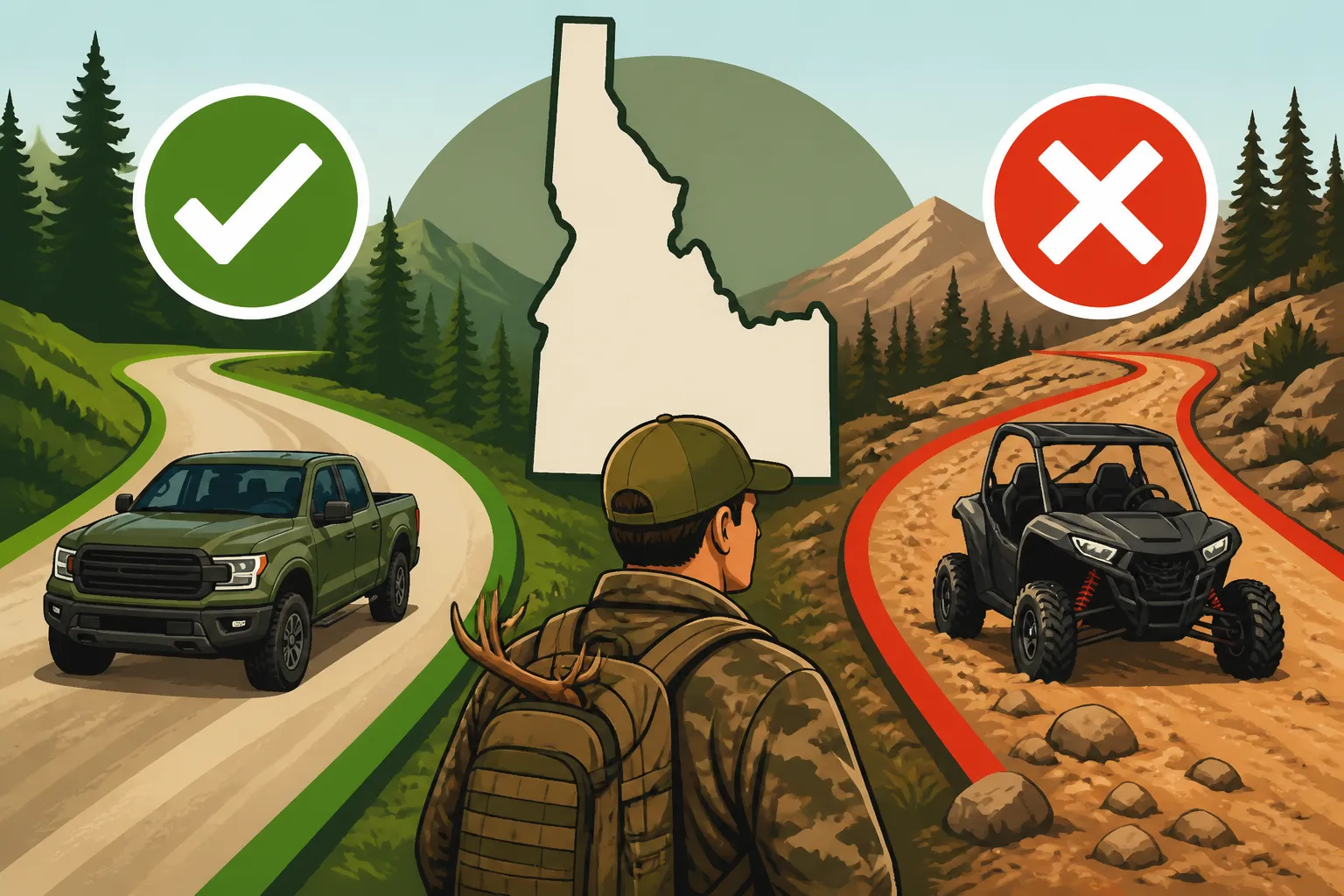
An "established road" in Idaho, for the purposes of hunting regulations, typically means a route that is obviously and consistently maintained for full-size vehicle traffic. Think about the gravel forest service roads you drive your truck on, or even clearly defined dirt roads that show regular maintenance, such as grading, ditching, or culvert work. These roads are usually depicted on official maps, often have signage, and are designed to accommodate two-way vehicle traffic. They are part of the recognized travel network.
A "trail," on the other hand, is generally much narrower and less developed. It might be a single-track path for hikers or horses, or a two-track created by years of ATV use. While ATVs and UTVs might legally use certain designated trails, a full-size vehicle (like your pickup or SUV) is usually prohibited. The key difference lies in intent and maintenance. If a path looks like something that was once an old logging spur but is now overgrown, rutted, and clearly not maintained for regular vehicle traffic, it's likely not an established road. Even if it looks like a road from above, if it's not on official Motor Vehicle Use Maps (MVUMs) or clearly maintained, you should assume it's not a legal driving surface. Hunters often get into trouble by following old tracks that disappear into the timber, or driving alongside a fence line where a faint path has been created over years. These are almost universally not "established roadways." What Counts as an Established Roadway delves deeper into these distinctions.
| Feature | Established Roadway | Non-Qualifying Path/Trail |
|---|---|---|
| Maintenance | Regularly graded, drained, or graveled | Minimal to no active maintenance, often overgrown |
| Width | Wide enough for two-way full-size vehicle traffic | Narrow, often single-track, or only for ATVs |
| Mapping | Clearly shown on official MVUMs, Forest Service maps | Often absent from official maps, or marked as trail only |
| Signage | May have road numbers, mileage markers, route info | Often no signage, or marked as "trail" or "closed" |
| Surface | Compacted dirt, gravel, sometimes paved | Soft dirt, grass, heavy ruts, natural impediments |
| Physical Barriers | Few, unless intentionally closed | Often has berms, rocks, logs, or natural growth blocking entry |
| Legal Use | Generally open to licensed full-size vehicles | Restricted to foot traffic, horses, or designated OHVs only |
Signs, Gates, and Physical Barriers
Beyond the physical appearance of the road itself, you need to pay close attention to signs, gates, and other physical barriers. These are often the clearest indicators of a road's legal status. A "Road Closed" sign, even if it looks old and faded, means exactly that. A gate, whether locked or simply closed, generally signifies restricted access. Don't assume an unlocked gate means you can open it and drive through; it's often there to manage access and keep vehicles out. Always look for accompanying signage. Sometimes a gate might be open for certain users (like ranchers) but not for general public access.
Similarly, physical barriers like large earthen berms, strategically placed logs, or significant rock piles are explicit signals that a road is closed to motorized vehicles. These barriers are put in place for a reason – usually to prevent erosion, protect habitat, or prevent illegal access. Even if you think your vehicle can navigate around a small obstruction, if the intent is clearly to close the road, you are still in violation. It’s about reading the landscape and respecting the message, not just finding a way through.
Utilizing Maps and Technology for Compliance
In today's hunting world, we have incredible tools at our fingertips that make understanding and complying with Idaho's motorized rules far easier than it used to be. Digital mapping platforms and official government resources are your best friends in avoiding headaches and staying on the right side of the law.
Navigating with Digital Mapping Tools
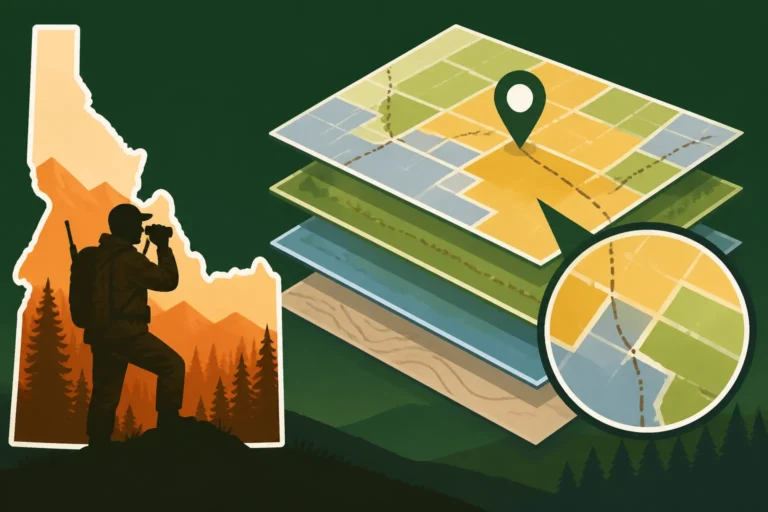
Modern hunting apps are game-changers for understanding land status and road access. Brands like onX Hunt have revolutionized how hunters navigate the backcountry. With onX Hunt, you can overlay various layers, including public and private land boundaries, as well as detailed road and trail networks. Crucially, these apps often incorporate Motor Vehicle Use Maps (MVUMs) data from the Forest Service and Bureau of Land Management (BLM), which are the definitive guides for where you can and cannot drive.
When scouting with an app like onX Hunt, pay close attention to the different designations for roads and trails. You'll typically see distinctions like "open year-round," "seasonal closure," or "closed to all motorized vehicles." Understanding these color codes and symbols is paramount. Don't just look for a line on the map; understand what that line means in terms of vehicle access. Always assume that if a road is not clearly marked as open for your vehicle type, it's probably closed. It's far better to err on the side of caution than to get a ticket or damage sensitive habitat. For more on this, check out onX Layers for Idaho Public Land.
Official Resources and Motor Vehicle Use Maps (MVUMs)
While digital apps are fantastic, they are often pulling their data from official sources, and it's always a good idea to know where to find the original information. The Idaho Fish and Game website is your primary resource for state-specific hunting regulations, unit information, and links to other valuable mapping tools like the Idaho Hunt Planner. The Idaho Hunt Planner Map Center is an excellent tool for overlaying hunting unit boundaries, elk zones, and sometimes even basic road networks.
However, for the most authoritative information on motorized travel on federal lands (which makes up a huge portion of Idaho's hunting areas), you need to consult Motor Vehicle Use Maps (MVUMs). These are produced by the U.S. Forest Service and the Bureau of Land Management (BLM) for their respective jurisdictions. MVUMs are legally enforceable documents that show all roads, trails, and areas designated for motor vehicle use. They will specify vehicle class (e.g., highway legal, ATV, motorcycle) and time of year restrictions. You can often download these as PDFs from the individual National Forest or BLM field office websites, or pick up paper copies at their local offices. Always cross-reference what you see on a digital map with the official MVUMs, especially if you're venturing into a new area. Relying solely on a faint track you see on satellite imagery is a recipe for trouble. Using Road and Trail Layers for Scouting Idaho Access can greatly aid your planning.
Common Scenarios and Misconceptions
Despite all the rules and mapping tools, there are still a few common situations and misconceptions that trip up even experienced hunters regarding Idaho's motorized rule. It's easy to make assumptions, but when it comes to compliance, assumptions can be costly.
Retrieving Game and Off-Road Travel
This is perhaps the most critical misconception: many hunters assume that if they've successfully harvested an animal, they can drive off-road to retrieve it. This is incorrect and a common way people incur violations. Idaho's motorized hunting rule explicitly prohibits driving off established roadways to retrieve downed game. Period. This rule applies even if the animal is only a few yards off the road. The intent is to prevent the creation of new tracks, reduce erosion, and prevent hunters from using the "game retrieval" excuse to drive wherever they please.
You are expected to pack out your animal, even if it's a large bull elk taken deep in a canyon. This is part of the challenge and responsibility of ethical hunting in Idaho's rugged terrain. Planning for game retrieval before you even take a shot is a crucial part of a successful hunt. Consider where you're hunting, how far you are from established roads, and whether you have the physical capacity or the necessary help (like a game cart or pack animal) to get your animal out. There are no exceptions for "just a little bit" of driving off-road to make retrieval easier. This rule is firm, so be prepared to put in the work. For more on this, consult Can You Drive Off Road to Retrieve Downed Game.
ATVs, UTVs, and Other Off-Highway Vehicles
Another area of confusion revolves around the use of All-Terrain Vehicles (ATVs) and Utility Task Vehicles (UTVs), often referred to collectively as Off-Highway Vehicles (OHVs). While the motorized hunting rule restricts full-size vehicles to established roadways during the designated season, OHVs have their own distinct set of rules and regulations.
Just because a path is too narrow for your truck doesn't automatically mean your ATV can legally use it during the motorized hunting restriction period. OHV use is generally restricted to designated OHV trails and specific routes open to them, as outlined on MVUMs. These designated trails are often distinct from the roads open to full-size vehicles. You cannot simply create your own trail or drive across open country on an ATV just because it's an OHV. Every National Forest and BLM district has specific rules for OHV travel, including designated routes, width restrictions, and seasonal closures.
It's entirely possible for a specific trail to be open to OHVs, but that same trail might still be within an area covered by Idaho's motorized hunting rule, meaning you still can't use the OHV to hunt off-road, or leave a designated trail to pursue game. The key is to check both the Idaho motorized hunting regulations AND the specific OHV travel management plan for the area you intend to hunt. Don't assume. Always carry current MVUMs or have them loaded on your GPS or smartphone app (like GoHunt or onX Hunt) to verify OHV legality. Idaho's Motorized Hunting Rule and Where It Applies offers broader context on these regulations.
Tips for Staying Compliant and Respecting the Land
Adhering to Idaho's motorized hunting rules isn't just about avoiding a ticket; it's about being a responsible hunter and a good steward of the land. Our actions directly impact the hunting opportunities of the future and the health of the wildlife populations we pursue.
Pre-Season Scouting and Planning
The best way to stay compliant and avoid headaches is through diligent pre-season scouting and planning. Don't wait until opening morning to figure out the road situation in your chosen unit. Before you ever leave home, pull up your digital maps or paper MVUMs. Identify all potential access points, note any roads marked with seasonal closures, and mark down any trails that are clearly designated as non-motorized.
Consider potential game retrieval scenarios. If you're hunting an area known for big bulls and it's far from any open roads, mentally prepare yourself for a serious pack out. Think about alternative access points if your primary route ends up being closed or becomes impassable. Having a solid understanding of the terrain and legal access routes before you step foot in the field will save you immense stress and prevent accidental violations. Judging Road Access Before You Commit to a Unit can help you with this crucial step.
Ethical Hunting and Conservation
Ultimately, the motorized hunting rules are in place to preserve the very essence of what makes hunting in Idaho so special. By respecting these rules, you're contributing to healthy wildlife populations, protecting vital habitat, and ensuring a quality hunting experience for everyone. Think about the "why" behind the regulations:
- Minimizing disturbance: Vehicles create noise and human presence that can push game animals out of an area, especially during critical times like the rut or winter migration. Staying on established roads reduces this impact.
- Preventing habitat damage: Driving off-road can compact soil, destroy vegetation, create new erosion channels, and spread invasive species, all of which degrade the very habitat that animals need to survive and thrive.
- Ensuring fair chase: The spirit of hunting involves skill, effort, and an understanding of animal behavior. Using a vehicle to circumvent these challenges goes against the principles of fair chase that most ethical hunters uphold.
Being a good land steward means leaving minimal trace of your presence and ensuring that the land is as wild and productive for future generations as it is for you today. When you're in doubt about whether a road qualifies, simply err on the side of caution. Park your vehicle and explore on foot. You might just discover a new, unpressured honey hole that motorized vehicles can't reach. It's all part of the adventure in Idaho's incredible hunting grounds. Always remember that Idaho's Motorized Hunting Rule Keeps You on the Road for a reason.
Disclaimer
This article is for general informational purposes only and does not constitute professional advice. Laws, prices and regulations vary by location and change over time. Consult a qualified professional for guidance on your specific situation.