Why Wilderness Changes Nonresident Elk Hunting
Dreaming of chasing elk through the vast, untamed wilderness of Idaho as a nonresident hunter is a powerful vision, but for many, that dream hits a snag when they learn about Idaho's specific rules regarding guided hunts in designated wilderness areas. It's a rule that often catches folks off guard, leading to confusion and frustration when trying to plan that epic western adventure. This guide aims to clear up exactly why these wilderness areas come with unique requirements for nonresident elk hunters and what you need to know to navigate them.
Understanding Idaho's Wilderness Guide Rule for Nonresidents
Idaho is blessed with some of the largest and most rugged wilderness areas in the Lower 48, offering unparalleled backcountry experiences. However, the state has specific regulations designed to manage these pristine lands and the hunting opportunities within them. For nonresident hunters, these rules can significantly impact how you plan your elk hunt, particularly if you envision a self-guided trip deep into the wilderness. It’s a critical piece of information that can make or break your hunting plans.
The Legal Requirement for Nonresident Elk Hunters
Here's the heart of the matter: if you're a nonresident and you intend to hunt elk within a designated wilderness area in Idaho, you are legally required to employ the services of a licensed Idaho outfitter or guide. This isn't a suggestion; it's a hard and fast rule. This regulation is outlined to ensure resource management, public safety, and to support the state's outfitting industry within these sensitive ecosystems. Many hunters, especially those accustomed to unrestricted public land access in other states, find this a significant hurdle, both logistically and financially. It means your DIY dreams for wilderness elk might need to be adjusted or redirected. You can't just throw on a pack, grab your rifle, and head into the Frank Church Wilderness to chase bulls without a permit or a guide if you're coming from out of state.
Which Wilderness Areas are Affected
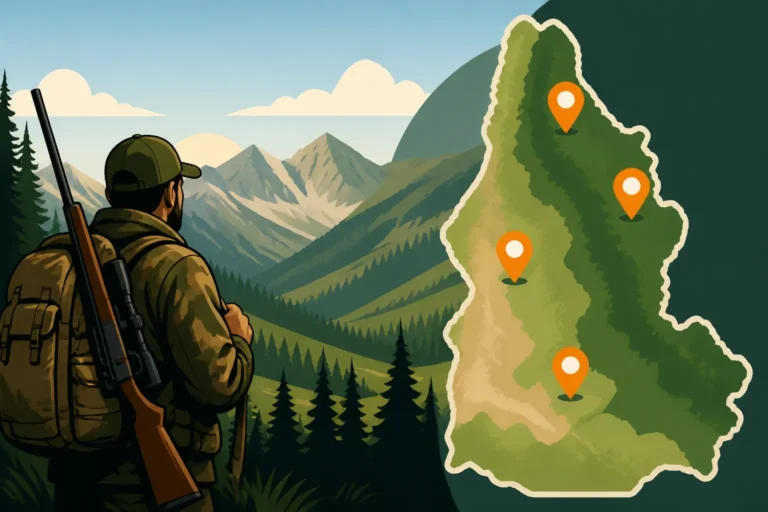
Idaho is home to several iconic wilderness areas, and this guide rule applies to all designated federal wilderness within the state's borders. The most prominent, and often the draw for nonresident elk hunters, include the massive Frank Church River of No Return Wilderness, the Selway-Bitterroot Wilderness, the Gospel Hump Wilderness, and parts of the Sawtooth Wilderness and Hells Canyon Wilderness. These are vast, roadless expanses where mechanical transport is generally prohibited, and human impact is meant to be minimal. When you're looking at maps and planning your hunt, it's crucial to clearly identify these boundaries. Using mapping tools like onX Hunt, you can often overlay wilderness boundaries onto your maps, giving you a clear visual of where the rule applies. This detailed mapping is essential because crossing an unseen boundary could inadvertently put you in violation of the law. You'll want to be familiar with specific regions like Hunting the Frank Church River of No Return or Selway-Bitterroot Wilderness Access in Idaho before you commit to a plan.
How the Rule Differs for Other Species
While the wilderness guide rule is a major consideration for nonresident elk hunters, it's important to understand that it doesn't apply equally to all big game species. For instance, why deer and bear are exempt in Idaho's wilderness guide rule is a common question, and generally, nonresidents can hunt deer and bear in designated wilderness areas without a licensed outfitter or guide. This difference in regulation allows for some self-guided opportunities even within these remote landscapes for certain species. However, for other prized species like bighorn sheep and mountain goat, nonresidents are indeed required to hire a guide when hunting within designated wilderness. It's a nuanced set of rules, and understanding these distinctions is key to successfully planning your Idaho hunt, whether you're targeting elk, deer, or a different trophy species. Always double-check the current regulations for your target species and chosen unit.
The Rationale Behind the Wilderness Guide Rule
It's easy to feel frustrated by regulations that seem to limit access, especially when you're traveling a long distance for a hunt. However, understanding the reasoning behind Idaho's nonresident wilderness guide rule can help put it into perspective. It's not arbitrary; rather, it's a multi-faceted approach to resource management, economic support, and safety.
Balancing Access and Resource Management
Designated wilderness areas are unique and fragile ecosystems, managed to preserve their wild character for future generations. The sheer remoteness and lack of infrastructure mean that these areas can be particularly susceptible to over-use or improper practices if not carefully managed. By requiring nonresidents to utilize licensed outfitters for certain species like elk, Idaho aims to regulate the overall hunting pressure and ensure that hunters entering these areas are doing so with a degree of local expertise and accountability. Outfitters typically operate under special use permits from federal agencies, which can include stipulations on group size, stock use, and environmental impact. This oversight helps to minimize potential damage to trails, campsites, and water sources, contributing to the long-term health of the wilderness and its wildlife populations. It's a way to maintain the integrity of these incredible landscapes while still allowing for hunting opportunities.
Supporting Idaho's Outfitter and Guide Industry
Another significant factor in the implementation of this rule is the support of Idaho's established outfitting and guiding industry. These businesses represent a vital part of the state's rural economy, providing jobs and services that are deeply connected to Idaho's wildlands. The guide rule ensures a consistent demand for their services within wilderness areas, which in turn helps these businesses thrive and maintain the infrastructure necessary to access and operate in remote locations. This includes maintaining trail systems, managing pack stock, and operating backcountry camps—tasks that can be substantial in wilderness environments. It's a symbiotic relationship: the outfitters provide essential services that facilitate safe and ethical hunting in challenging terrain, and the rule helps sustain their livelihoods, contributing to local communities. You can learn more about The Idaho Outfitters and Guides Licensing Board Explained if you want to understand the regulatory framework.
Ensuring Safety and Responsible Practices
Hunting in Idaho's vast wilderness is no walk in the park. These are immense, often unforgiving landscapes with unpredictable weather, challenging terrain, and abundant wildlife, including dangerous predators like bears and mountain lions. For hunters unfamiliar with the specific nuances of Idaho's backcountry, particularly those coming from out of state, the risks can be considerable. Licensed outfitters and guides bring invaluable local knowledge, experience, and safety protocols to the table. They know the terrain, understand animal behavior, are equipped for emergencies, and are trained in wilderness first aid. Their presence significantly enhances hunter safety and helps ensure responsible hunting practices, minimizing lost hunters, injured parties, and unethical harvests. This oversight helps protect not only the hunters themselves but also the wilderness environment and its resources. They are trained in everything from navigation to Bear Safety Practices in an Outfitter Camp.
Navigating Wilderness Boundaries and Access
Understanding the rule is one thing; actually applying it to your hunt planning is another. Knowing how to identify wilderness boundaries and what that means for your access strategy is crucial for any nonresident hunter eyeing Idaho. Tools like The Idaho Hunt Planner Is the Tool to Start With are invaluable for this stage.
Identifying Designated Wilderness on Maps
The first step in navigating the wilderness guide rule is knowing precisely where these designated areas begin and end. Modern mapping technologies have made this infinitely easier than it used to be. Using a platform like onX Hunt, you can download detailed maps for offline use, which is essential given the lack of cell service in most wilderness areas. These maps allow you to overlay federal wilderness boundaries, showing you exactly where the guide rule applies. You can also utilize layers from the Idaho Fish and Game website or Downloading Idaho Unit Shapefiles and Layers for specific unit boundaries. Before you even set foot in Idaho, spend considerable time digitally scouting, identifying potential access points, and tracing out routes that either stay clear of wilderness or lead directly to a planned rendezvous with your licensed outfitter. Being off by even a few hundred yards could put you in a tough spot if you're not planning on a guided hunt.
Access Points and Trailheads for Wilderness Areas
Accessing designated wilderness areas often means using specific trailheads, many of which can be a considerable drive from major towns. These trailheads typically mark the boundary where motorized travel ends and foot or horse travel begins. Planning your access route requires careful attention to forest service roads, seasonal closures, and parking regulations. Some wilderness areas, like parts of the Frank Church, also have backcountry airstrips or jet boat access points on major rivers, which can be part of an outfitter's strategy for getting clients deep into the country. For a self-guided hunt targeting species exempt from the guide rule, you'll need to meticulously research these access points. Factor in the time it takes to drive to the trailhead, the condition of the roads, and any required permits for parking or camping. Remember, Idaho's Motorized Hunting Rule Keeps You on the Road right up to the wilderness boundary, so you'll be hoofing it from there.
The Impact on Your Hunt Planning and Logistics
The presence of the wilderness guide rule profoundly impacts every aspect of a nonresident's elk hunt planning. If you choose to go the guided route, your outfitter will handle most of the logistics once you arrive, from camp setup to food and navigation. However, if you plan a self-guided hunt outside of wilderness or for exempt species within it, the onus is entirely on you. This means meticulously planning your gear, food, water sources, emergency communication, and extraction plan. You'll need to consider how far you can realistically pack an elk out of rugged terrain, especially if you're alone or with a small party. The scale of Idaho's wilderness demands a high level of self-sufficiency and preparation. Even simply knowing Camping on Idaho Forest Ground While Hunting rules becomes critical. It's a level of planning that far exceeds what might be needed for a hunt closer to established roads or private land.
| Scenario for Nonresident Hunters | Wilderness Requirement | Impact on Hunter |
|---|---|---|
| Elk Hunt in Designated Wilderness | Mandatory Licensed Outfitter | Requires significant financial investment for guide services. Logistics (camp, horses, food, navigation) handled by outfitter. Limited self-guided opportunity. |
| Mule Deer Hunt in Designated Wilderness | No Outfitter Required | Allows for self-guided, DIY hunt. Requires extensive personal planning for logistics, safety, and gear. More affordable, but higher personal responsibility. |
| Mountain Goat Hunt in Designated Wilderness | Mandatory Licensed Outfitter | Similar to elk, requires outfitter. Focus on specific high-country areas. |
| Elk Hunt on Non-Wilderness Public Land | No Outfitter Required | Allows for self-guided, DIY hunt. Still requires careful planning and navigation, but without the wilderness-specific guide constraint. Greater freedom in unit selection. |
| Black Bear Hunt in Designated Wilderness | No Outfitter Required | Allows for self-guided, DIY hunt. Opportunities for spot-and-stalk or baiting (if legal). |
Hiring a Licensed Idaho Outfitter
If your heart is set on nonresident elk hunting in Idaho's wilderness, then hiring a licensed outfitter is your path forward. This decision opens up incredible opportunities but also requires careful consideration and vetting.
Verifying Outfitter Credentials and Services
Choosing the right outfitter is paramount. Idaho maintains a robust licensing board, the Idaho Outfitters and Guides Licensing Board, which oversees all legal outfitting operations. Before you commit to anything, you absolutely must How to Verify an Idaho Outfitter License. This ensures they are legitimate, insured, and adhere to state regulations. Beyond legality, you'll want to dig into their specific services. What type of hunt do they offer? Is it a fully guided horseback hunt, a drop camp, or a boat-in trip? What's included (food, lodging, game packing)? Ask for references, preferably from hunters who have pursued elk in the same wilderness area and during the same season you plan to hunt. A reputable outfitter will be transparent about their success rates and willing to answer all your questions. Check out Questions to Ask an Old Idaho Outfitter to get a good list of what to cover.
Understanding the Costs and Inclusions of a Guided Hunt
Let's be realistic: a guided wilderness elk hunt is a significant investment. The Average Cost of a Guided Idaho Elk Hunt can vary widely based on the outfitter's reputation, the duration of the hunt, the amenities provided, and the specific wilderness area. It's crucial to get a detailed breakdown of what's included and, just as importantly, what isn't. Will your tag fees be extra? What about meat processing, taxidermy, or tips for the guides? Many outfitters offer different packages, from full-service, one-on-one guided hunts with comfortable camps to more rustic What an Idaho Drop Camp Costs, where they pack you in and out, but you handle the hunting and camp duties yourself. Make sure you understand all potential additional expenses to avoid surprises. Budgeting for this adventure goes beyond just the tag; it encompasses the entire experience.
Booking Strategies Around the Draw Calendar
Idaho operates on a draw system for many of its most coveted tags, and this can complicate booking a guided hunt, especially if you're applying for controlled hunts or specific capped zones. Many nonresidents will book an outfitter well in advance, often before they even know if they've successfully drawn a tag. This is where tools like GoHunt can be incredibly useful, providing historical draw odds that help you make informed decisions about which units to apply for. Reputable outfitters often have contingency plans or refund policies if you don't draw, but it's critical to understand these terms upfront. Be clear about Booking an Idaho Hunt Around the Draw Calendar with your potential outfitter. Some outfitters may even offer landowner appreciation tags or operate on private land that doesn't fall under wilderness rules, providing an alternative if the draw proves challenging.
Alternative Strategies for Nonresident Elk Hunters
If a guided wilderness hunt for elk isn't in your budget or doesn't align with your hunting philosophy, don't despair! Idaho offers plenty of other fantastic opportunities for nonresident elk hunters. You just need to adjust your focus and strategy.
Hunting Elk Just Outside Wilderness Boundaries
One popular strategy for nonresident hunters who want a taste of the backcountry experience without the guide requirement is to hunt the public lands immediately adjacent to designated wilderness areas. Elk often move in and out of these boundaries, particularly during early seasons or if pressured. You might find animals utilizing the fringe areas, making them accessible without needing an outfitter. This strategy still requires extensive mapping and scouting to understand the terrain, access points, and typical elk movements. You'll need to be hyper-aware of where the wilderness line is drawn, ensuring you don't inadvertently cross into regulated territory with your elk tag. This approach allows for a self-guided, challenging hunt that mimics the wilderness experience in many ways, often with less pressure than areas deeper in, but still within the legal framework for nonresidents.
Focusing on Non-Wilderness Public Lands
Idaho boasts millions of acres of national forest and Bureau of Land Management (BLM) land that are not designated wilderness. These areas offer vast stretches of public hunting ground where the nonresident guide rule doesn't apply to any species. You can find excellent elk hunting opportunities in these zones, ranging from easily accessible timbered areas to rugged, roadless country that feels very much like wilderness but without the legal constraints. Utilizing resources like Checking Public Land Percentage by Idaho Unit can help you identify units with high public land access. This often means more road access, allowing you to use vehicles or ATVs to get deeper into some areas, though still adhering to strict motorized vehicle use rules like Idaho's Motorized Hunting Rule Runs August Into December. These lands present diverse terrain, from dense timber to open sagebrush breaks, each offering unique challenges and opportunities for a self-guided elk hunt.
Exploring DIY Opportunities for Exempt Species
Even if elk are your primary target, consider expanding your horizons to other species in Idaho's wilderness if a self-guided experience is important to you. As mentioned earlier, nonresidents can hunt deer and bear in designated wilderness areas without a guide. This opens up opportunities for incredible backcountry hunts for mule deer, whitetail deer (especially in northern Idaho's timber), or black bear, all on a DIY basis. You could plan a multi-species hunt, focusing on deer in the wilderness while scouting for elk on adjacent non-wilderness public lands. This approach allows you to experience the magic of Idaho's remote backcountry, hone your skills, and still come home with big game meat, all while respecting the state's regulations. It's about being flexible and creative with your hunt planning to maximize your opportunities within the legal framework.
Disclaimer
This article is for general informational purposes only and does not constitute professional advice. Laws, prices and regulations vary by location and change over time. Consult a qualified professional for guidance on your specific situation.