Hunting Wilderness as an Idaho Resident
Idaho's vast wilderness areas offer some of the most challenging and rewarding hunting experiences you can imagine. But for many residents, especially those new to backcountry hunting, navigating the specific rules and planning an unguided trip into these remote landscapes can feel overwhelming. This guide is here to demystify hunting in Idaho's designated wilderness as a resident, empowering you to plan your own epic adventure without the complexities often associated with these pristine lands.
Understanding Idaho's Wilderness Areas
When we talk about "wilderness" in Idaho, we're not just referring to any wild, untamed land. Designated wilderness areas carry a specific legal status and a unique set of regulations that govern human activity, all aimed at preserving their pristine character. For hunters, understanding this distinction is the first critical step in planning a successful and compliant trip. These are places where you truly step back in time, relying on your own two feet, or perhaps a trusty horse, to get around.
Defining Designated Wilderness
Designated wilderness in the United States, established under the Wilderness Act, represents areas where the earth and its community of life are untrammeled by man, where man himself is a visitor who does not remain. In practical terms for hunters, this means no permanent roads, no motorized vehicles, no mechanized equipment like chainsaws or mountain bikes, and often stricter rules regarding camping and fire. It’s about minimizing human impact and embracing self-reliance. Think of it as hunting in its purest form, far from the sounds of engines or the sight of paved roads. This designation aims to preserve the wild character, providing opportunities for solitude and primitive recreation, which includes hunting. It's a privilege to experience these places, and with that privilege comes a great responsibility to leave no trace and respect the unique environment.
Major Idaho Wilderness Areas
Idaho is incredibly fortunate to host some of the largest and most iconic wilderness areas in the Lower 48. These vast expanses offer incredible hunting opportunities, but also demand a high level of preparedness and skill. The most prominent include:
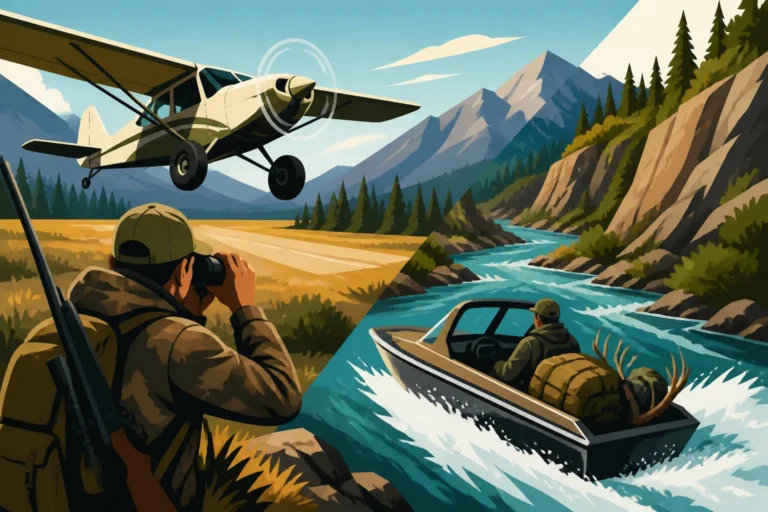
- Frank Church River of No Return Wilderness: The largest contiguous wilderness in the Lower 48, encompassing over 2.3 million acres. It's a rugged, roadless expanse of mountains, canyons, and wild rivers like the Salmon. Hunting here means remote, demanding treks, often relying on pack strings or even flying into backcountry airstrips.
- Selway-Bitterroot Wilderness: Straddling the Idaho-Montana border, this 1.2 million-acre wilderness is renowned for its steep, timbered slopes and incredible elk habitat. Access can be tough, and navigating its thick timber requires excellent map and compass skills.
- Sawtooth Wilderness: Famous for its jagged, glacier-carved peaks and alpine lakes, this wilderness offers stunning scenery but also challenging terrain. While perhaps better known for fishing and backpacking, it holds deer and elk for the intrepid hunter.
- Gospel-Hump Wilderness: Adjacent to the Frank Church, the Gospel-Hump is another rugged region of deep canyons and high ridges, offering excellent deer and elk hunting in remote settings.
- Hells Canyon Wilderness: Part of the deeper Hells Canyon complex, this wilderness area plunges into North America's deepest river gorge, offering unique hunting for deer, elk, and even bighorn sheep. Access is often from the rim, requiring substantial vertical travel.
Each of these areas presents its own unique challenges and rewards. Researching the specific characteristics of the wilderness you intend to hunt is crucial, as terrain, weather patterns, and game populations can vary dramatically. You might be interested in learning more about Hunting the Frank Church River of No Return or exploring Selway-Bitterroot Wilderness Access in Idaho for specific details.
The Core Philosophy of Wilderness Hunting
Hunting in designated wilderness is fundamentally about embracing self-reliance and minimal impact. It’s not just about adhering to regulations, but adopting a mindset that respects the wildness of the place. This means planning meticulously, carrying everything you need in and out, and being prepared to handle any situation without external assistance. There's a profound sense of accomplishment that comes with harvesting an animal deep in the backcountry, knowing you relied solely on your own skills and endurance. This philosophy extends to every aspect of your trip, from how you set up camp to how you retrieve your game. It’s an immersion in nature that few other hunting experiences can offer, demanding a commitment to ethical hunting and true wilderness preservation.
The Resident Advantage: Why No Guide Needed
This is where being an Idaho resident really shines when it comes to wilderness hunting. While these remote landscapes are open to everyone, a specific regulation gives Idaho residents a distinct advantage, fundamentally changing how they can approach a backcountry hunt compared to their nonresident counterparts. This rule often creates confusion, so let's break down exactly what it means for you.
The Nonresident Guide Requirement Explained
For many years, Idaho has enforced a unique regulation for nonresidents hunting certain big game species within designated wilderness areas. Specifically, nonresidents are required to hire a licensed Idaho outfitter or guide for hunting elk, bighorn sheep, mountain goat, or moose in wilderness. This rule was put in place to manage nonresident hunting pressure and to support the state's outfitting industry within these sensitive areas. It's a significant financial and logistical hurdle for nonresidents, as fully guided wilderness hunts can be quite costly. This requirement is why you'll often see articles discussing Idaho Forces Nonresidents to Hire a Guide for Wilderness Elk or detailing Which Species Trigger Idaho's Wilderness Guide Rule. The intent is clear: for specific species in specific areas, nonresidents must be accompanied by a professional.
Idaho Resident Exemption from Guide Rule
Here's the good news, and the core of your resident advantage: If you are an Idaho resident, you are exempt from the nonresident guide requirement for hunting in designated wilderness areas. This means you can plan and execute your own unguided backcountry hunt for any legal species, including elk, sheep, goat, and moose, within these areas. This exemption is a massive benefit, opening up a world of DIY wilderness hunting opportunities that are simply not available to nonresidents without significant expense. It means you have the freedom to choose your own partners, set your own schedule, and build your own hunt plan from the ground up, all on your own terms. It truly underscores the privilege of living in a state with such incredible public land access.
Implications for Hunt Planning and Logistics
This exemption has profound implications for how you approach your wilderness hunt. Firstly, it allows for a much more budget-friendly adventure. While you'll still invest in quality gear, food, and travel, you won't have the substantial cost of an outfitter. This also means you have complete control over your hunt's pace, duration, and specific objectives. You can scout extensively beforehand, adapt your plans on the fly based on conditions, and truly immerse yourself in the wilderness experience without a commercial schedule.
However, with great freedom comes great responsibility. Without an outfitter, all the planning, safety, and logistical burdens fall squarely on your shoulders. You become the guide. This necessitates a deep understanding of wilderness navigation, survival skills, first aid, animal recovery, and a thorough knowledge of hunting regulations. It's an immense challenge, but for many Idaho residents, it's the very essence of why they seek out these backcountry experiences. You can dive deeper into these preparations with resources like Physical Conditioning for Idaho Backcountry to ensure you're ready for the physical demands.
| Feature | Idaho Resident Unguided Wilderness Hunt | Nonresident Guided Wilderness Hunt |
|---|---|---|
| Guide Requirement | Not required for any species in wilderness. | Required for elk, bighorn sheep, mountain goat, moose in wilderness. |
| Cost | Significantly lower; primarily gear, food, license, and tag fees. | Substantial, including outfitter fees, guide tips, license, and tag fees. |
| Flexibility | High degree of flexibility in planning, schedule, and on-the-go adjustments. | Limited by outfitter's schedule, camp location, and hunt plan. |
| Responsibility | Full responsibility for all logistics, safety, navigation, and animal care. | Shared with outfitter/guide for logistics, safety, and field operations. |
| Skill Set Required | High proficiency in wilderness navigation, survival, first aid, and self-reliance. | Moderate, as guides handle most advanced wilderness skills. |
| Experience | Deep, self-reliant immersion in the wilderness. | Professional support and expertise, potentially higher success rates. |
Planning Your Unguided Wilderness Hunt
Embarking on an unguided wilderness hunt as an Idaho resident is an incredibly rewarding endeavor, but it's not something you just decide to do on a whim. It demands meticulous planning, extensive preparation, and a realistic assessment of your skills and physical capabilities. Think of it as preparing for a significant expedition, because in many ways, that's exactly what it is.
Researching Units and Seasons
The first step, long before you ever step foot on a trailhead, is exhaustive research. You'll need to identify potential hunting units that contain wilderness areas and offer opportunities for your target species. The Idaho Fish and Game website, particularly The Idaho Hunt Planner Is the Tool to Start With, is your absolute best friend here. This invaluable resource allows you to overlay hunt unit boundaries with wilderness areas, check species distribution, review harvest statistics, and most importantly, understand season dates and tag requirements. Pay close attention to controlled hunt draw odds, as many prime wilderness areas for trophy animals are managed through limited entry permits. Using tools like GoHunt can also help you analyze drawing odds and terrain features within specific units, allowing you to prioritize your application choices based on your goals. Don't forget to study the specific regulations for the wilderness area itself, as they can sometimes differ from general unit rules, especially concerning things like camp size or fire restrictions.
Physical and Mental Conditioning
Let's be blunt: wilderness hunting in Idaho is physically demanding. You'll be climbing steep, rugged terrain, often at high altitudes, carrying heavy packs, and potentially packing out hundreds of pounds of meat over many miles. This is not the place to "get in shape" during the hunt. You need to be in peak physical condition before you go. Start a rigorous training regimen months in advance, focusing on strength, endurance, and stamina. Hiking with a weighted pack on steep trails, simulating hunt conditions, is crucial. Equally important is mental toughness. The backcountry can be unforgiving. You'll face adverse weather, solitude, frustration, and the potential for discomfort. Being mentally prepared to push through fatigue, make sound decisions under pressure, and remain optimistic when things get tough is just as vital as physical fitness. A solid plan for Physical Conditioning for Idaho Backcountry will serve you well.
Logistics: Food, Shelter, and Communication
Every item you bring into the wilderness must serve a purpose and be carried on your back or a pack animal. Weight is a critical consideration. For food, focus on calorie-dense, lightweight options that require minimal preparation. Dehydrated meals, energy bars, and high-fat snacks are staples. Plan for enough food for your intended trip duration, plus a few extra days in case of unforeseen delays.
Shelter means a reliable, lightweight tent or tarp system capable of withstanding mountain weather, which can change dramatically and quickly. A good sleeping bag rated for colder temperatures than you anticipate is also a must, as nights can be surprisingly chilly, even in summer.
Communication in the backcountry is non-negotiable for safety. Cell service is virtually nonexistent in most wilderness areas. A satellite messenger device (like a Garmin inReach or Zoleo) is essential. These devices allow you to send and receive text messages, share your location, and trigger an SOS in an emergency. They are not a luxury; they are a necessary safety tool for any unguided wilderness hunt. Always inform someone of your detailed itinerary and expected return date, and carry maps, a compass, and a GPS device (with backup batteries or a power bank).
Navigating Wilderness Regulations and Practicalities
Beyond the general Idaho hunting regulations, designated wilderness areas have their own specific rules designed to protect their primitive character. Understanding and strictly adhering to these rules is paramount not only for compliance but for preserving the very experience you seek. Ignoring them can lead to fines, citations, or worse, environmental degradation.
Motorized Vehicle Restrictions
This is perhaps the most fundamental rule of wilderness areas: No motorized vehicles or equipment are allowed. This includes ATVs, dirt bikes, e-bikes, chainsaws, generators, or even drones. Your travel must be by foot or on horseback. This restriction extends to retrieving downed game. You cannot drive an ATV off an established road, even if it's just a short distance, to pick up an animal. If you harvest an elk deep in the Frank Church, you'll be packing it out on your back, or with the aid of pack animals. Understanding this rule is critical, and you can learn more about Motorized Vehicles Inside Wilderness Boundaries to ensure compliance. It means embracing true muscle power for every aspect of your hunt.
Camp and Fire Regulations
Wilderness areas typically have strict regulations regarding camping and fires to minimize impact. While specific rules can vary by individual wilderness area and land management agency (Forest Service, BLM), general principles include:
- Leave No Trace: Pack out everything you pack in, including all trash and food scraps. Bury human waste properly away from water sources and campsites.
- Campsite Selection: Choose established campsites whenever possible, or select durable surfaces away from trails and water. Avoid creating new sites. Disperse camps to minimize impact in popular areas.
- Fires: Fires may be allowed in certain areas, but always check for current fire restrictions or bans. If fires are permitted, use existing fire rings or build small, contained fires that leave no trace. Never build a fire where one could spread, and always make sure it's completely out before leaving. Using a lightweight stove for cooking is often preferable and more reliable.
Adhering to these principles protects the wilderness for everyone and is a core tenet of responsible backcountry use.
Pack Stock Considerations
If you plan to use horses or mules to help carry your gear and, hopefully, your harvested game, there are additional considerations. Pack stock can be invaluable for extended wilderness trips, but they also bring their own set of responsibilities and regulations. You'll need to understand proper stock handling in the backcountry, including:
- Feed and Forage: Some wilderness areas have restrictions on the type of feed you can bring in (e.g., certified weed-free hay). Always practice responsible grazing and watering to prevent resource damage.
- Hitching and Tying: Securely tie stock to minimize damage to trees and vegetation. Avoid overgrazing sensitive areas.
- Manure Management: Disperse or remove manure from campsites and near water sources.
Knowing the rules for pack stock inside wilderness boundaries is essential. While stock provides tremendous advantages, they also increase the complexity of your trip and require prior experience and careful planning to ensure their well-being and minimize environmental impact.
Essential Gear and Preparation for Backcountry
Your gear is your lifeline in the backcountry. Investing in quality, reliable equipment, and knowing how to use it, can literally be the difference between a successful hunt and a dangerous situation. Think of your gear as your portable survival system, designed to keep you safe, comfortable, and effective in remote, challenging environments.
Key Gear for Extended Trips
For a multi-day wilderness hunt, every item needs to earn its place in your pack. Here’s a breakdown of essential categories:
- Backpack: A high-quality, comfortable pack with a good frame is paramount. It needs to fit well and be capable of carrying heavy loads, especially if you plan to pack out meat yourself. Look for packs in the 65-80 liter range for extended trips.
- Shelter: A lightweight, durable tent or tarp designed for backpacking and adverse weather. Consider a 3-season tent for most Idaho hunts, but a 4-season might be prudent for late-season or high-elevation trips.
- Sleeping System: A warm sleeping bag (down is lighter but useless wet, synthetic is heavier but insulates when damp) and a comfortable sleeping pad for insulation and cushioning.
- Navigation: A reliable GPS device (with fresh batteries), a compass, and detailed topographical maps of your hunting area. Familiarize yourself with map reading and compass use before your trip. Tools like those found on GoHunt can help you scout and mark waypoints digitally, but always have physical backups.
- Optics: High-quality binoculars (10×42 or 10×50 are great all-around choices) and a spotting scope if you plan to glass vast open country for mule deer or sheep.
- Clothing: Layering is key. Moisture-wicking base layers, insulating mid-layers (fleece or puffy jacket), and a waterproof/windproof outer shell. Bring extra socks!
- Fire Starter: Multiple reliable methods: waterproof matches, lighter, fire steel.
- Water Purification: A filter, purifier, or purification tablets. Never rely on finding potable water without treatment.
- Knife/Multi-tool: Essential for field dressing, camp chores, and general utility.
- Headlamp/Flashlight: With spare batteries.
- Communication: As mentioned, a satellite messenger is crucial. Satellite Communication From a Backcountry Camp is a topic you absolutely need to prepare for.
Bear Safety in Grizzly Country
Portions of Idaho's wilderness areas, particularly in the northern and central regions, are grizzly bear country. Being bear aware is not just good practice; it's essential for your safety. Always carry bear spray (and know how to use it!) and practice proper food storage. Hang food, trash, and scented items in a bear bag high off the ground and away from your camp, or use a bear-resistant canister. Cook and eat away from your sleeping area. Make noise while hiking to avoid surprising a bear. Understand basic bear behavior and how to react if you encounter one. It's a serious consideration, and learning about Bear Safety Practices in an Outfitter Camp can give you good insights, even if you're not using an outfitter.
First Aid and Emergency Planning
An unguided wilderness hunt means you are your own first responder. A comprehensive first-aid kit, tailored for backcountry use, is non-negotiable. It should include supplies for cuts, scrapes, blisters, sprains, burns, allergic reactions, and pain relief. More importantly, know how to use everything in your kit. Consider taking a wilderness first-aid course before your trip.
Beyond immediate first aid, have a detailed emergency plan. This includes:
- Trip Plan: Leave a detailed itinerary with a trusted person, including your route, expected camp locations, and return date.
- Satellite Device: Ensure your satellite messenger is fully charged, tested, and registered, and that you know how to send an SOS.
- Contingency Plans: What will you do if someone gets injured? What if the weather turns severe? What if you get lost? Thinking through these scenarios beforehand will help you react effectively if they occur.
- Animal Recovery: Plan how you will field dress and pack out an animal. This is where most serious accidents happen due to fatigue, darkness, or difficult terrain. Proper planning for Field Dressing and Carcass Transport Rules Explained is crucial to ensure both your safety and adherence to meat salvage requirements.
Finding the Right Wilderness Access Points
So you've done your research, you're physically and mentally prepared, and your gear is dialed in. Now, how do you actually get into these vast wilderness areas? Access can be one of the most challenging parts of planning an unguided trip, often requiring careful study of maps and understanding local conditions.
Identifying Trailheads and Ingress
Most designated wilderness areas are accessed via established trailheads. These can range from well-maintained, signed points off paved roads to obscure, rough-road access points that require high-clearance vehicles. You'll need to use detailed topographical maps (physical and digital, like those from GoHunt or onX) to locate trailheads and plan your initial route. Look for trails that lead deep into the wilderness, away from motorized corridors. Pay attention to contour lines to understand elevation changes and potential bottlenecks. Some of the major wilderness areas, like the Frank Church, have specific points of entry. For instance, knowing the Access Points Into the Frank Church Wilderness can save you a lot of time and guesswork. Remember, a trailhead marks the end of motorized travel, and the beginning of your true wilderness journey.
Utilizing Mapping Tools
Modern mapping applications are incredible tools for wilderness hunters. Platforms like onX Hunt, Gaia GPS, and even Google Earth (with added layers) allow you to virtually scout an area before you ever leave home. You can:
- Identify Public vs. Private Land: Crucial for avoiding trespass.
- Analyze Topography: Understand elevation, slopes, and potential travel corridors.
- Locate Water Sources: Essential for planning hydration.
- Mark Potential Game Sign: Pin areas where you've seen sign or anticipate animals.
- Plan Routes: Plot your ingress and egress, potential hunting routes, and escape routes.
- Road and Trail Layers: Many apps offer layers that show established roads and trails, helping you navigate to trailheads and understand legal travel routes.
While these digital tools are powerful, always carry physical maps and a compass as a backup. Batteries die, and technology can fail in remote environments. Combine digital scouting with traditional map work to create a robust navigation plan. If you're looking for an outfitter to guide you to remote trailheads on private land, BookYourHunt might be a good resource to see what services are offered, though it's less direct for a pure DIY public land hunt.
Understanding Seasonal Access Limitations
The Idaho backcountry is heavily affected by seasons, especially when it comes to road access. Snowfall can close high-elevation roads and trailheads for much of the year, often extending well into late spring or early summer. Forest Service and BLM roads are frequently subject to Seasonal Road Closures Across Idaho Forests or other seasonal restrictions. Always check with the relevant land management agency (Forest Service district office, BLM field office) for current road conditions and closure orders before planning your trip. A road that looks great on a map in July might be completely impassable by October, forcing you to reconsider your entire access strategy. These closures can dictate not only where you can hunt, but when you can realistically get there.
Disclaimer
This article is for general informational purposes only and does not constitute professional advice. Laws, prices and regulations vary by location and change over time. Consult a qualified professional for guidance on your specific situation.