Where Wolf Trapping Is Allowed in Idaho
Venturing into the Idaho backcountry with the intention of trapping wolves can feel like navigating a dense thicket of regulations. It’s not just about knowing how to set a trap; it's crucially about knowing where you’re legally allowed to do so, what permits you need, and the specific rules that vary widely across the state. This guide aims to clear up that confusion, offering a comprehensive look at where wolf trapping is permitted in Idaho, ensuring you’re well-prepared and compliant before you ever step foot in the field.
Navigating Idaho's Wolf Management: A Complex Conservation Challenge
Wolves in Idaho represent a fascinating and often contentious chapter in wildlife management. For many years, wolves were absent from the landscape, only to be reintroduced and then flourish. Their presence has brought both ecological benefits and significant challenges, particularly for big game populations like elk and deer, and for livestock producers. Because of this complex relationship, the state of Idaho actively manages its wolf population through regulated hunting and trapping seasons. This isn't just about reducing numbers; it's about maintaining a balance that supports healthy ecosystems while addressing human-wildlife conflicts.
The Idaho Fish and Game Department's approach to wolf management is dynamic, often adjusting season lengths and methods based on population data, harvest quotas, and local impacts. This means that a trapper needs to be constantly aware of the current regulations, which can change not just from year to year, but sometimes within a season or across different game management units (GMUs). It's a system designed to be responsive, but it places a significant burden on the individual hunter or trapper to stay informed. Ignoring these complexities can lead to legal issues, so understanding the underlying philosophy of management helps appreciate why these rules exist in the first place. You can read more about Idaho Wolf Management and Harvest Limits to understand the broader goals.
The Rationale Behind Wolf Trapping Seasons
Trapping, specifically, is a management tool favored in certain areas because it can be more selective and efficient in areas where wolves are having a greater impact. Unlike hunting, which relies on direct encounter, trapping can target specific areas where wolf presence is high or where depredation on livestock or elk herds is a recurring issue. It also allows for harvest during periods when wolves are harder to hunt, such as during deep snows when their movements might be more predictable, or when leaves are off the trees, improving visibility of trap lines.
For many years, Idaho has grappled with finding the right balance for its growing wolf population, which has certainly had an impact on other species. It's not uncommon for folks who spend a lot of time in the mountains to notice changes in elk behavior or deer numbers. Trapping is one of the methods used to try and alleviate some of that pressure, especially in key winter range areas or near ranching communities. The goal isn't eradication, but rather to keep populations within a sustainable and manageable range that works for both wildlife and people.
License Requirements and General Regulations
Before you even think about setting a trap, you've got to make sure your paperwork is in order. In Idaho, wolf trapping requires more than just a general hunting license. You’ll need a valid Idaho hunting license and a specific Wolf Trapping Tag. These tags are purchased separately and are essential for legal participation. It's a small but critical detail that many new trappers might overlook, assuming their general hunting license covers everything.
Beyond the licenses, there are foundational regulations that apply across the board. These include mandatory reporting of all wolf harvests within a very specific timeframe, usually within five days of the animal being taken. This data is crucial for Idaho Fish and Game to monitor harvest levels and adjust management strategies. You can learn more about Reporting a Harvested Wolf in Idaho to ensure you're compliant. Additionally, there are strict rules about trap types, size, and modifications, ensuring humane capture and minimizing risks to non-target animals. These details are outlined in the annual Idaho big game regulations, which are your bible for any hunting or trapping activity in the state. Always keep a copy handy, whether physical or digital.
The Nitty-Gritty: Understanding Idaho's Wolf Trapping Rules
So, you’ve got your licenses, you’re committed to ethical trapping, and you’re ready to learn the specifics. Idaho’s wolf trapping rules, like many wildlife regulations, aren’t a one-size-fits-all situation. They depend heavily on the specific Game Management Unit (GMU) you’re in, the time of year, and whether you're on public or private land. This is where it can get a little tricky, and why thorough research is absolutely non-negotiable.
Let's talk about the primary types of regulations you'll encounter. First, many GMUs have a "general wolf trapping season." These seasons usually run from late fall through early spring, aligning with periods when wolf pelts are prime and when snow conditions can aid trappers. However, even within these general seasons, the start and end dates can vary slightly from one GMU to the next. Then, there are specific rules for "controlled hunt areas" or designated "wolf management zones" where regulations might be more restrictive or, conversely, sometimes more liberal depending on local management objectives. This layered approach means that a unit bordering yours could have entirely different rules.
General Trapping Seasons and Unit Variations
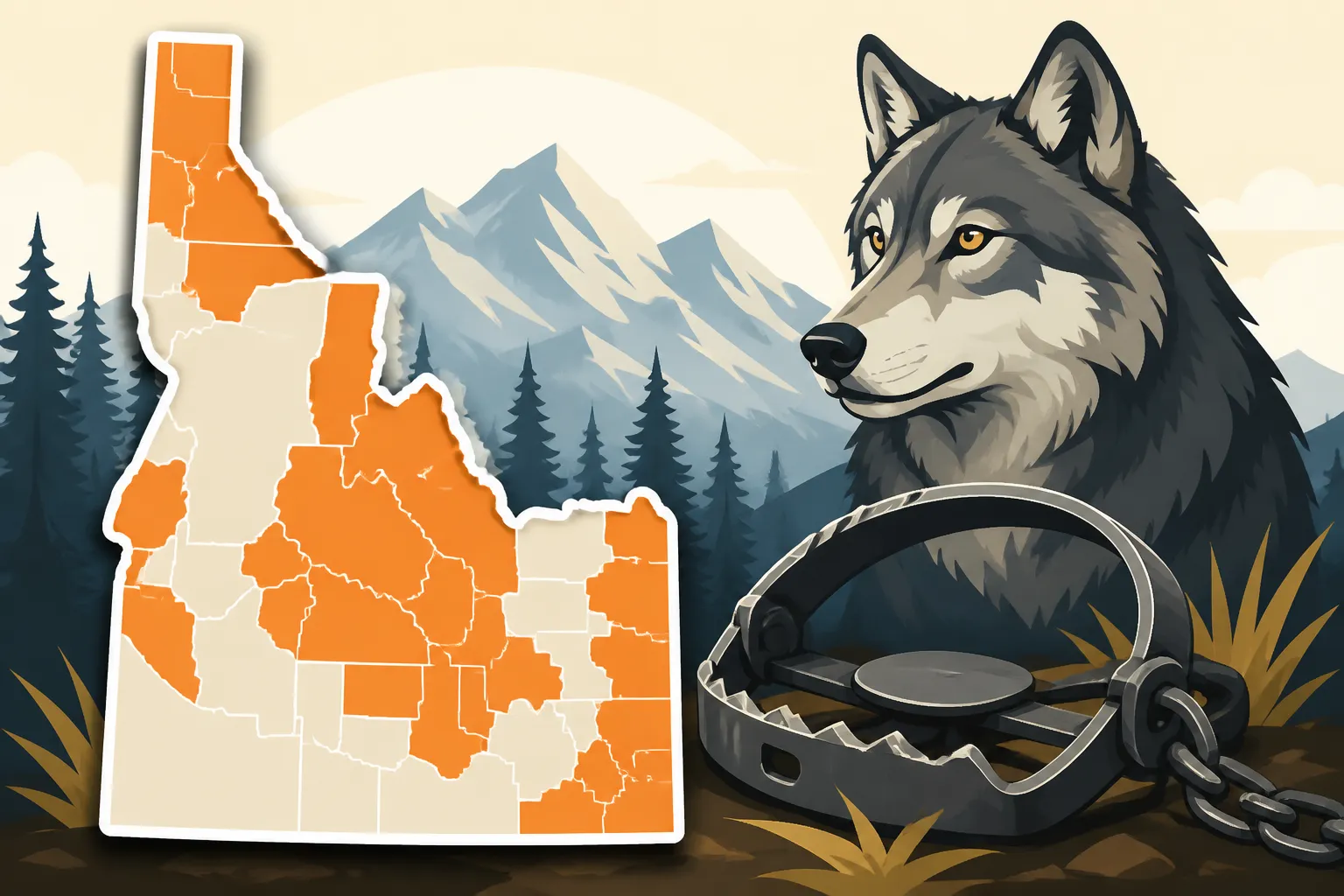
Most of Idaho's 99 Game Management Units (GMUs) have some form of wolf trapping season. Generally, these seasons open in the autumn, often in mid-November, and extend through March, sometimes even into April, depending on the unit. The specific dates can vary annually, so consulting the current Idaho Big Game Regulations is paramount. This isn't just a suggestion; it’s a requirement. The regulations document will list each GMU or group of GMUs and their corresponding opening and closing dates for wolf trapping.
For example, in one part of the state, a unit might have a general season that runs November 15th to March 31st, while an adjacent unit might open December 1st and close February 28th. These differences are often driven by localized wolf population densities, depredation issues, or elk herd performance. It's why relying on anecdotal information or what a buddy did last year in a different area just won’t cut it. You need to know the specific boundaries of your chosen GMU, which you can often find detailed on maps from the Idaho Fish and Game website, or with mapping tools like GoHunt. How Idaho Numbers Its Game Management Units might be a good read to grasp the system.
Special Considerations for Controlled Hunt Areas
Some areas of Idaho are designated as "controlled hunt areas" specifically for wolves. These are less common than general seasons but do exist and come with their own set of rules. Controlled hunts are typically designed for very specific management goals and might have stricter bag limits, shorter seasons, or even require a special controlled hunt permit in addition to your general trapping license and wolf tag. These areas are often in regions with very sensitive wildlife populations or unique ecological considerations.
If you're considering a controlled hunt area for wolf trapping, the application process for these permits usually takes place earlier in the year, long before trapping season. You would need to apply, and if drawn, adhere to the very specific conditions of that particular hunt. It's a system designed for precision, not for casual participation. Always check the controlled hunt tables in the regulations for details.
Where You Can and Cannot Trap Wolves in Idaho: Unit by Unit Breakdown
The "where" of wolf trapping in Idaho is arguably the most critical piece of information. It's not enough to simply know the season dates; you need to understand the geographic nuances. This involves not only knowing your GMU boundaries but also understanding land ownership, setback requirements, and areas that might have seasonal closures or restrictions.
Idaho is a state with vast expanses of public land, including National Forests and Bureau of Land Management (BLM) ground, alongside significant private holdings. The rules for trapping can shift depending on which type of land you're on, even within the same GMU. This is where detailed maps and good scouting become your best friends.
Public Land: National Forests, BLM, and State Ground
The majority of wolf trapping in Idaho occurs on public lands. National Forests and BLM ground offer extensive opportunities, but they also come with their own set of rules, often in addition to state regulations. For example, some National Forests might have specific prohibitions on certain types of traps near developed recreation sites or within designated wilderness areas. While the general state regulations apply, it's wise to check with the local Forest Service or BLM office for any localized restrictions that might be in place. National Forest Hunting in Northern Idaho or BLM Ground Across Southern Idaho are great resources to understand these areas better.
Idaho State Endowment Lands also offer public access, but it's important to understand their specific guidelines. While generally open to hunting and trapping, there can be unique rules or even temporary closures depending on lease agreements or management activities. Always consult the Idaho Department of Lands for current access information on these parcels. Idaho State Endowment Land Access Rules provides more detail.
Crucially, regardless of the public land type, you must adhere to "setback" rules. These regulations dictate how far away a trap must be placed from roads, established trails, and designated public areas like campgrounds or trailheads. These rules are designed for public safety and to minimize conflicts. Failing to observe these setbacks can result in severe penalties.
Private Land: Permission is Key
Trapping on private land in Idaho is absolutely permissible, provided you have explicit permission from the landowner. This isn't just a courtesy; it's a legal requirement. Trapping without permission is considered trespass and can carry significant fines and legal consequences. Many trappers build relationships with landowners, especially those experiencing wolf depredation on livestock, as this can open up valuable trapping opportunities.
When trapping on private land, while you still must adhere to state-mandated trap types and reporting requirements, some of the public land setback rules might be negotiated with the landowner. However, it's always best to err on the side of caution and maintain safe distances from any human activity or structures, even if not explicitly required by law. Always have your permission documented, ideally in writing, to avoid any misunderstandings.
Areas Where Trapping is Restricted or Prohibited
Not all areas in Idaho are open to wolf trapping. Designated wilderness areas, for example, often have very specific regulations regarding motorized access and means of take, which can impact trapping. Wildlife Management Areas (WMAs) operated by Idaho Fish and Game might also have unique rules, sometimes closing certain sections to trapping or restricting activities to specific seasons to protect other wildlife species.
Additionally, some areas might have temporary closures due to fire, sensitive wildlife activity (like nesting birds or calving grounds), or other management concerns. It’s absolutely critical to consult the most current Idaho Big Game Regulations and local land management agency offices (Forest Service, BLM, Idaho Fish and Game) before setting any traps. Relying on digital scouting tools like GoHunt, which can overlay GMU boundaries with public and private land ownership, helps immensely in visually identifying potential areas and cross-referencing with regulations. Understanding Reading an Idaho Controlled Hunt Area Boundary is a crucial skill here.
Here’s a general overview of key considerations for wolf trapping locations:
| Aspect | General Wolf Trapping Season (Most Units) | Private Land (With Permission) | Restricted/Prohibited Areas |
|---|---|---|---|
| Land Ownership | Public (National Forest, BLM, State) | Private | Wilderness, some WMAs, urban interface |
| License Required | Hunting License + Wolf Trapping Tag | Hunting License + Wolf Trapping Tag | N/A (Prohibited) or specific permits |
| Season Dates | Varies by GMU (e.g., Nov-Mar) | Varies by GMU; often year-round possible | Closed or highly restricted dates |
| Setback Rules | Mandatory from roads, trails, recreation | Flexible with landowner, but common sense | N/A (Prohibited) |
| Required Permission | N/A (Public Land) | Absolutely Required (Written Best) | N/A |
| Reporting Harvest | Mandatory within 5 days of take | Mandatory within 5 days of take | N/A |
Essential Gear and Ethical Considerations for Idaho Wolf Trappers
Beyond knowing where you can set your traps, understanding how to do it ethically and effectively is paramount. Wolf trapping requires specific gear and a commitment to responsible practices to ensure humane capture and minimize non-target interactions. This isn't just about following the law; it's about being a responsible steward of the wildlife resource.
Trap Selection and Placement
Idaho regulations are quite specific about the types of traps allowed for wolves. Generally, these will be foothold traps of a certain size, designed to humanely hold the animal without causing undue injury. Snares are also permitted in many areas, again with specific requirements for loop size, cable diameter, and anchoring. It is illegal to use traps that are considered overly powerful or inhumane. You'll find detailed specifications in the annual regulations.
Proper trap placement is an art and a science. It involves scouting for wolf sign, identifying travel corridors, kill sites, and communication points (like scat marking areas). Traps should be camouflaged and set to blend into the natural environment. Beyond the legal setback requirements from roads and trails, ethical trappers will also consider the safety of other recreational users and domestic animals. This might mean avoiding areas popular with dog walkers or hikers, even if legally permissible.
Avoiding Non-Target Catches and Daily Checks
One of the biggest concerns for trappers and wildlife managers alike is the potential for catching non-target animals, such as deer, elk, or even domestic dogs. Responsible trappers employ various techniques to minimize this. Careful site selection, proper bait/lure use (or lack thereof, depending on regulation), and appropriate trap size all play a role. Using visual deterrents or specific trap modifications can also help.
Critically, Idaho law mandates that all traps must be checked at least once every 72 hours. However, ethical trappers will tell you that daily checks are the gold standard, especially in colder weather or in areas with high non-target potential. Daily checks allow for the swift dispatch of target animals, the release of non-target animals, and adjustments to trap sets if necessary. It’s a significant time commitment but is central to responsible trapping. Consider using a robust mapping app, perhaps from a provider like GoHunt, to mark your trap locations and plan efficient checking routes.
Respecting Land and Wildlife
As with any outdoor pursuit, wolf trapping demands respect for the land and its resources. This includes packing out all your trash, minimizing disturbance to the landscape, and ensuring your activities don't negatively impact other wildlife or land users. Understanding Idaho's Motorized Hunting Rule Runs August Into December is also important, as it limits where you can drive off-road to set or check traps, further emphasizing the need for foot travel and careful planning.
Ultimately, wolf trapping in Idaho is a privileged activity that comes with substantial responsibility. It requires ongoing education, careful planning, and a deep respect for the animals and the landscape. By diligently following all regulations and embracing ethical practices, trappers can contribute to effective wolf management and enjoy their time in Idaho's wild country.
Disclaimer
This article is for general informational purposes only and does not constitute professional advice. Laws, prices and regulations vary by location and change over time. Consult a qualified professional for guidance on your specific situation.