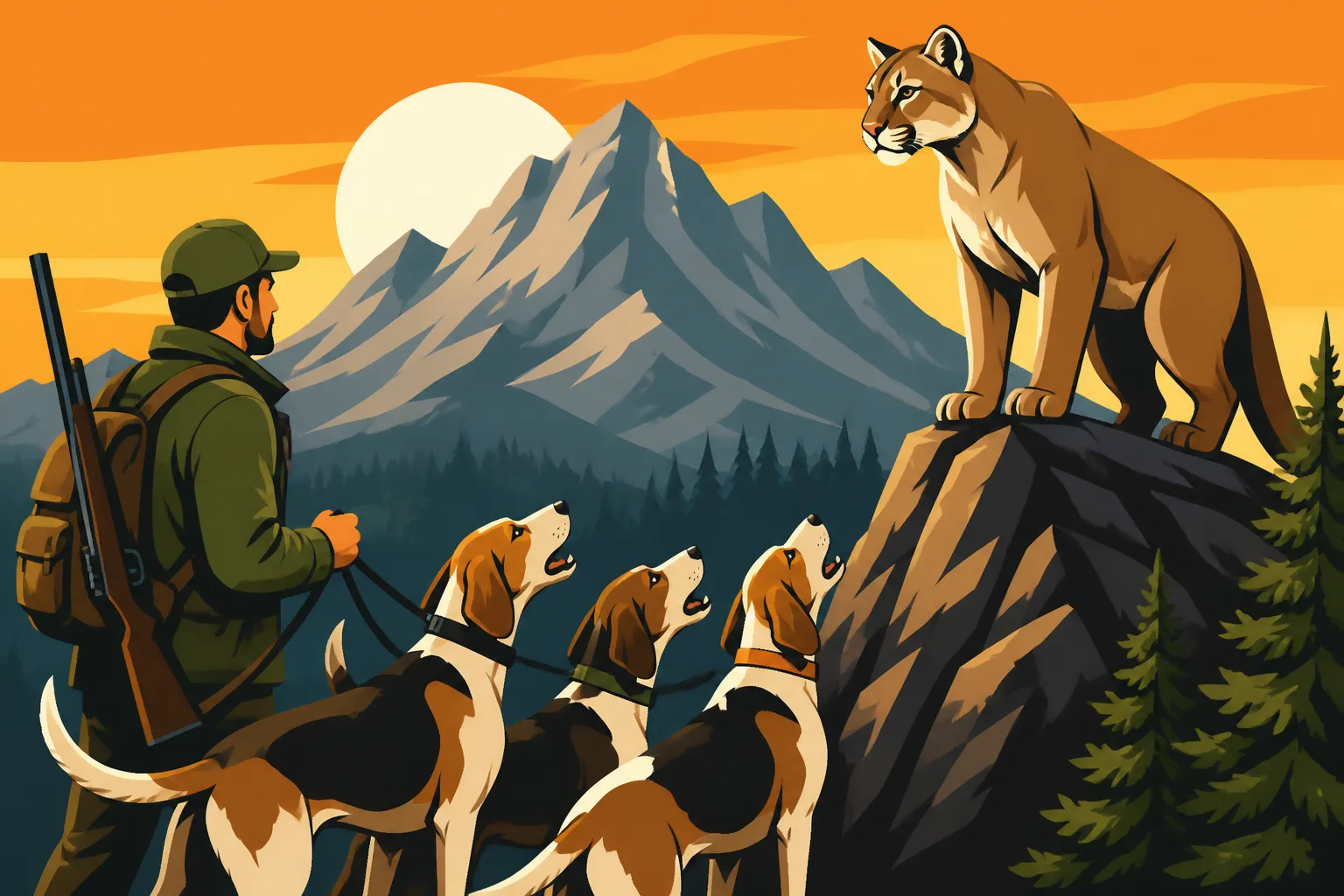
Hound Hunting for Idaho Lions
Hunting mountain lions in Idaho with hounds is an experience unlike any other, demanding incredible dedication, specialized knowledge, and a deep respect for both your dogs and the quarry. Many aspiring lion hunters, or even seasoned big game hunters new to the pursuit, often feel overwhelmed by the sheer complexity of the regulations, the physical demands, and the intricate art of working with a pack of highly trained dogs. This guide is here to break down the ins and outs of hound hunting for Idaho lions, offering practical advice and a realistic look at what it takes to find success in the rugged mountains and timbered canyons.
Understanding Idaho's Mountain Lion and Hound Hunting Regulations
Idaho's approach to mountain lion management is designed to maintain healthy populations while offering hunting opportunities. This means the rules can be quite specific, varying by unit and season, and they are absolutely critical to understand before you even think about putting boots on the ground or hounds in the truck.
The Legal Framework for Lion Hunting with Hounds
In Idaho, hunting mountain lions with the aid of hounds is a legal and time-honored tradition. However, it's not simply a free-for-all. Hunters must possess a valid hunting license and a mountain lion tag. Beyond the basic licensing, there are specific regulations governing the use of dogs. These rules often dictate how many dogs can be used in a pack, how dogs must be collared and identified, and what actions are permissible once a lion is treed or bayed. For instance, the Idaho Department of Fish and Game (IDFG) emphasizes that dogs must remain under the control of the hunter, and the pursuit must be conducted in an ethical manner, minimizing undue stress to the animal. It's a dance between allowing the hounds to do their work and maintaining responsible oversight, ensuring the hunt adheres to fair chase principles. Always double-check the current year's regulations because these details can, and often do, change.
Idaho also has strict guidelines about when and where you can pursue lions with hounds. This isn't a year-round activity; seasons are carefully set to align with biological cycles and management goals. For detailed maps and current season structures, resources like the IDFG website or third-party platforms like GoHunt are invaluable. They often provide overlays that show exactly which units are open and under what specific conditions. Understanding these nuances can prevent costly mistakes and ensure your hunt is fully compliant with state law.
Quota Areas and Season Dates
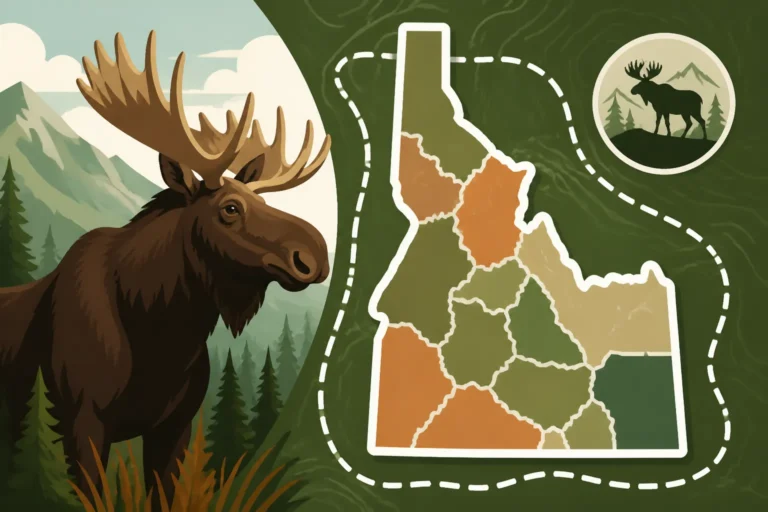
Mountain lion hunting in Idaho is predominantly managed through quota areas. This means that once a certain number of lions—or in some units, female lions—have been harvested within a specific Game Management Unit (GMU) or zone, the season in that area closes, regardless of the published end date. This quota system is crucial for managing populations at a local level, especially for a species like the mountain lion, which can have varying densities across the vast Idaho landscape. It's not uncommon for a popular unit to close early if harvest limits are met quickly, particularly during periods of good snow tracking conditions.
For hunters using hounds, staying on top of these quotas is paramount. You need to be checking the IDFG website regularly, often daily, during the season to see if your chosen unit is still open. Many experienced hound hunters will even have backup units scouted, knowing that their primary area could shut down with little warning. In some instances, the IDFG website may list units where a Mountain Lion Quota Areas Explained in more detail, specifying how many animals, particularly females, can be harvested before closure. The uncertainty of when a season might close adds an extra layer of challenge and excitement, pushing hunters to be prepared and decisive when the conditions are right. Beyond quotas, season dates for mountain lions can vary widely across the state, with some units having much longer seasons than others. It is imperative to consult the official regulations for each specific unit you plan to hunt to verify open dates and any special restrictions.
The Art and Science of Hound Hunting Mountain Lions
Successfully hunting mountain lions with hounds is far more than just turning dogs loose. It's a blend of animal husbandry, expert tracking, and a deep understanding of lion behavior. It's truly an art form perfected over years, if not generations, of dedicated effort.
Training and Caring for Your Lion Hounds
The foundation of any successful hound hunt lies with the dogs themselves. Lion hounds are not born knowing how to chase a cat; they are carefully bred and meticulously trained for this highly specialized task. Many hunters prefer breeds like Plotts, Walkers, or various "cur" breeds, known for their tenacious tracking abilities, stamina, and distinctive voices. Training begins early, often with pups being exposed to tracks, scent, and older, experienced dogs. It's a continuous process that involves teaching them to discriminate between target species and non-target species, to stay on a track no matter how difficult, and to "tree" or "bay" a lion effectively without risking injury. This training demands thousands of hours of effort, often spent in remote, challenging terrain.
Beyond training, the care of your hounds is non-negotiable. These dogs are athletes, requiring top-tier nutrition, regular exercise, and consistent veterinary care. They face significant physical challenges in the field, navigating steep, rocky slopes, thick brush, and often harsh weather. Protecting their paws, keeping them hydrated, and ensuring they are in peak physical condition are all part of the daily routine. A hunter's bond with their hounds is incredibly strong, built on mutual trust and dependence. Without healthy, well-trained dogs, a lion hunt is simply impossible. It's a lifestyle commitment, not just a hobby.
Tracking and Locating Lion Sign
Before the hounds ever hit the ground, the hunter’s job is to find fresh lion sign. This often means driving remote forest roads or even hiking into likely areas at first light, looking for tracks in fresh snow or mud. Snow is often the most critical element for a successful hound hunt, as it allows hunters to easily identify fresh tracks and determine the size and direction of the lion. Without snow, finding a "hot" track that's fresh enough for the dogs to work can be incredibly difficult, often requiring immense knowledge of local terrain and lion travel corridors. Knowing the difference between a day-old track and one laid down just hours ago is a skill developed over seasons of observation.
Beyond tracks, hunters look for other indicators such as scat, claw marks on trees, or cached kills. Locating areas with abundant deer or elk populations is also key, as these ungulates form the primary diet of mountain lions. Scouting these areas during the off-season, learning the local topography, and understanding where lions are likely to travel or bed down are invaluable practices. Utilizing mapping tools, like those found on platforms such as GoHunt, can help identify potential lion habitat, including steep, rocky areas, dense timber, and remote canyons where these elusive predators prefer to reside. Even with all the technology, there's still an undeniable intuition involved, a sixth sense developed from spending countless hours in lion country.
The Chase: From Strike to Tree
Once a fresh track is located, the true excitement of the hound hunt begins. It’s a dynamic, often exhausting, and always thrilling process that showcases the incredible instinct and training of the hounds.
Releasing the Hounds and Interpreting the Bay
The moment a hunter determines a track is fresh enough, the hounds are released. This is often called a "strike," and the dogs, full of anticipation, quickly pick up the scent. The sound of a pack of hounds "opening up" on a track, their voices echoing through the timbered canyons, is unforgettable. Each dog often has a distinct "chop" or "bawl," and experienced hunters can often identify individual dogs by their voices, even when out of sight. The baying and barking evolve as the chase progresses. A fast, excited chop indicates they are hot on the trail, while a more consistent, tight bay often means the lion has been treed or bayed up in a rock crevice.
Following the dogs can be an incredible physical challenge. Lions are masters of their environment, leading dogs through the steepest, thickest, and most broken country imaginable. Hunters must be prepared to traverse rugged terrain, scramble over downed timber, and navigate deep snow for miles. Modern GPS tracking collars, like those from Garmin, have revolutionized this aspect of the hunt, allowing hunters to monitor their dogs' progress and location even when they're miles away and out of earshot. However, the physical exertion and the mental fortitude required to keep up with a fast-moving pack, especially in areas like Idaho's Clearwater or Salmon River breaks, remain immense.
Ethical Considerations and Fair Chase
The pursuit of mountain lions with hounds carries with it significant ethical responsibilities. Once a lion is treed or cornered, the hunter has a critical decision to make. It's paramount to ensure a clean, ethical harvest, which means waiting for the right shot opportunity. This often involves carefully positioning oneself to minimize risk to the hounds and ensure the bullet finds its mark precisely, delivering a quick and humane death. Hunters must also be mindful of the stress placed on the animal during the chase. Responsible hound hunters understand when to call off a chase, perhaps if the lion is too small, if the conditions are unsafe, or if the pursuit has simply gone on too long.
Fair chase principles dictate that the animal should have a reasonable chance to evade the hunter. While hounds are incredibly effective, mountain lions are incredibly resilient and cunning. The ability to escape is always present, especially in the vast, unforgiving landscapes of Idaho. Part of ethical hunting is also ensuring the welfare of your dogs. Pushing them too hard, allowing them to pursue lions into dangerous territory, or not providing proper care after a strenuous chase are all contrary to the spirit of responsible hound hunting. When planning your hunt, consider reviewing Idaho's specific guidelines on Idaho Hound Rules for Mountain Lion Hunting to ensure all aspects of your hunt align with legal and ethical standards.
Gear and Logistics for a Successful Idaho Lion Hound Hunt
A successful mountain lion hunt with hounds in Idaho isn't just about the dogs; it's also about having the right gear and meticulously planning your logistics to handle the state's challenging terrain and often unpredictable weather. Being prepared can mean the difference between a memorable hunt and a miserable, or even dangerous, experience.
Essential Gear for Hunters and Hounds
For the hunter, durable and layered clothing is crucial. You'll be moving from strenuous uphill climbs, where you'll sweat, to stationary glassing or tracking, where you'll quickly get cold. Waterproof and breathable outerwear, insulated layers, and reliable hiking boots are non-negotiable. A good navigation system, whether a handheld GPS unit or a smartphone app with downloaded maps, is critical when traversing remote country. A rangefinder, binoculars, and a reliable rifle or handgun suitable for close-range shots are also essential. Remember, you're not shooting across canyons like you might for mule deer; lion shots are often up into a tree at relatively close distances.
For the hounds, the gear list is just as important, if not more so. High-quality GPS tracking collars are indispensable, allowing you to follow your dogs' movements in real-time. Brands like Garmin Alpha systems are popular choices, providing accurate location data and communication capabilities. Many hound hunters also equip their dogs with protective vests made from materials like Cordura or Kevlar to guard against cuts and punctures from brush and rocks. A well-stocked canine first-aid kit, complete with bandages, antiseptic, and pain relievers, is also a must-have for treating common injuries. Water and high-energy snacks for the dogs should always be part of your pack.
Planning Your Hunt: Access and Terrain
Idaho is a state of incredible public land opportunity, but accessing the best lion hunting grounds often requires careful planning. Most lion hunting occurs on vast tracts of National Forest and Bureau of Land Management (BLM) land. Utilizing resources like The Idaho Hunt Planner Is the Tool to Start With on the IDFG website, or detailed mapping apps like OnX Hunt, can help identify public land, road systems, and terrain features. You'll want to focus on areas that offer a mix of dense cover for lions, adjacent to deer and elk wintering ranges, and with reasonable access points. Keep in mind that Idaho's Motorized Hunting Rule Keeps You on the Road, meaning you typically can't drive off-road to access hunting areas or retrieve game. This often means long hikes from established trailheads or roads.
Understanding the terrain is paramount. Idaho's lion country often consists of steep, brush-choked canyons, dense timber stands, and rugged, rocky outcroppings. These are the natural hideouts for mountain lions and the challenging environments where your dogs will work. Using satellite imagery and topographic maps to identify potential bedding areas, travel corridors, and escape routes can be incredibly beneficial during your pre-season scouting. When considering where to set up a base camp, look for areas where Camping on Idaho Forest Ground While Hunting is permitted and convenient to your planned hunting units. Consulting Motor Vehicle Use Maps for Forest Ground is also essential for understanding which roads are open, which are seasonally closed, and which are designated as non-motorized. This foresight in planning saves valuable time and effort once you're in the field. GoHunt also offers robust mapping features that can assist in identifying these crucial access points and terrain features.
Post-Harvest Responsibilities and Management
The hunt doesn't end when the shot is fired. Idaho Fish and Game has specific requirements for reporting and tagging mountain lions, and fulfilling these responsibilities is a crucial part of being a legal and ethical hunter.
Reporting and Pelt Tagging Requirements
Idaho law mandates that all harvested mountain lions must be reported to the Idaho Department of Fish and Game within a strict timeframe, typically within 72 hours of the kill, though this can sometimes be shorter depending on the species and situation. This reporting is usually done at an IDFG regional office or an authorized vendor, where the animal's pelt and skull will be presented. The purpose of this mandatory check-in is for IDFG staff to collect important biological data, such as the lion's sex, age (often determined by pulling a tooth), and specific harvest location. This data is vital for population management and helps inform future season setting and quota adjustments.
During this check-in process, a "pelt tag" or "cites tag" will be affixed to the hide of the mountain lion. This tag is a legal requirement for possessing, transporting, and selling the pelt. Without it, the pelt is considered illegal. It's a system designed to ensure all harvested animals are accounted for and to prevent poaching. Hunters should familiarize themselves with Idaho Mountain Lion Harvest Reporting Rules well in advance of their hunt to avoid any compliance issues. Missing these deadlines or failing to tag your animal correctly can result in fines and loss of hunting privileges, so it's a step that simply cannot be overlooked.
Contributing to Mountain Lion Conservation
Every mountain lion hunter, especially those who employ hounds, plays a significant role in the ongoing conservation and management of the species in Idaho. By participating in regulated hunting seasons and meticulously following all reporting requirements, hunters provide essential data to wildlife biologists. This data, collected directly from harvested animals, offers real-world insights into population health, age structures, and reproductive rates. Without this information, wildlife managers would have a much harder time making informed decisions about sustainable harvest limits and population objectives.
Furthermore, responsible hound hunting contributes to a balanced ecosystem. Mountain lions are apex predators, and their populations need careful management, especially in areas where they might impact deer, elk, or domestic livestock populations. Hunters are often the eyes and ears on the ground, observing population trends and reporting unusual activity. This collaboration between hunters and wildlife agencies is a cornerstone of modern wildlife conservation. By ensuring ethical hunts and adhering to all rules, hound hunters help demonstrate that hunting can be a powerful tool for maintaining healthy and thriving mountain lion populations for future generations in units across the state, even those within Idaho Runs 99 Game Management Units.
| Task | Description | Key Considerations |
|---|---|---|
| Pre-Season Scouting | Identify potential lion habitat, sign, and access points. | Check Reading an Idaho Controlled Hunt Area Boundary for your unit. |
| Hound Training & Care | Ensure dogs are well-trained, conditioned, and healthy. | Consistent training, proper nutrition, vet care. |
| Gear Preparation | Pack all essential hunting and dog gear. | GPS collars, protective vests, layered clothing, first-aid. |
| Check Regulations | Verify current season dates, quotas, and rules. | Utilize IDFG website, GoHunt; daily quota checks during season. |
| Tracking & Strike | Locate fresh lion tracks, typically in snow. | Identify fresh sign, understand snow conditions. |
| The Chase | Follow hounds on a hot track until lion is treed/bayed. | Physical conditioning, GPS tracking, interpreting dog vocalizations. |
| Ethical Harvest | Ensure a humane shot, prioritize safety for dogs. | Patience for clean shot, responsible decision-making. |
| Mandatory Reporting | Report harvest to IDFG and obtain pelt tag. | Strict deadlines (e.g., 72 hours), required biological data collection. |
Disclaimer
Please remember that hunting regulations in Idaho are subject to change. While this guide provides a comprehensive overview, it is essential to consult the official Idaho Department of Fish and Game regulations for the current year before planning and undertaking any hunting activities. Always prioritize safety, ethical hunting practices, and respect for wildlife and the environment.