Reporting a Harvested Wolf in Idaho
That moment when you've successfully harvested a wolf in Idaho is undeniably exhilarating, a culmination of skill, patience, and often, sheer grit. But as the adrenaline settles, a new set of responsibilities kicks in. Knowing precisely what to do after the shot is just as critical as the shot itself, and failing to follow Idaho's specific reporting and sealing requirements for wolves can turn that triumphant moment into a serious headache. This guide is here to walk you through every necessary step, ensuring you stay compliant and can proudly celebrate your ethical harvest.
The Immediate Steps After a Successful Idaho Wolf Harvest
The clock starts ticking the moment you harvest an animal, and with wolves, those initial steps are especially crucial. It's not just about getting the animal out of the woods; it's about proper documentation and compliance from the very first minute. This is where your preparedness truly shines, turning potential fumbles into a smooth process.
Field Dressing and Initial Tagging
Once you've confirmed your wolf is down and secure, the immediate priority is field dressing. This isn't just about preserving the meat (though wolves aren't typically harvested for table fare like an elk or deer); it's essential for cooling the carcass, especially if you plan to get the pelt tanned or keep the skull. Getting the internal organs out quickly helps prevent bacterial growth, even if the primary goal isn't consumption. The goal is often pelt and skull preservation, and rapid cooling is key to preventing hair slip or damage to the skull.
While you're working on field dressing, or immediately after, your wolf tag needs to be filled out and attached to the carcass. Idaho's regulations are very clear on this. You'll need to accurately record the date and time of kill, the game management unit (GMU) where the harvest occurred, and your signature. Take a moment to ensure all information is legible and correct. This tag is your proof of legal harvest and must remain with the animal. Often, hunters attach it to a leg or through an ear with a zip tie or string, making sure it's visible and won't easily come off during transport. For any big game animal, including wolves, this is a non-negotiable first step.
Photographing and GPS Documentation
In today's world, good documentation goes beyond just filling out a tag. Taking clear photographs of your harvested wolf is not only a fantastic way to preserve the memory but also serves as crucial proof of your ethical hunt. Capture images from different angles, showing the tag attached and the general area if it helps contextualize the location. These photos can be invaluable if any questions arise later, helping verify the species, sex, and proper tagging.
Even more important than photographs, especially for the official reporting, is accurately documenting the harvest location using GPS. Many hunters use smartphone apps like those offered by GoHunt or dedicated GPS devices to drop a pin precisely where the wolf was harvested. This precise location, often given in latitude and longitude or UTM coordinates, will be a key piece of information required during the reporting process. It helps Idaho Fish and Game track harvest data, understand population distribution, and manage the species effectively. Imagine you're deep in the Lolo Zone Backcountry, excited but trying to remember exactly which drainage you're in. A quick GPS reading eliminates any guesswork and ensures your report is accurate, making it much easier for the authorities to verify details if needed.
Understanding Idaho's Specific Wolf Reporting Requirements
Once the immediate field tasks are done, the next critical phase begins: officially reporting your harvest to Idaho Fish and Game. This isn't a casual affair; there are strict deadlines and specific procedures you must follow.
The Mandatory 24-Hour Reporting Window
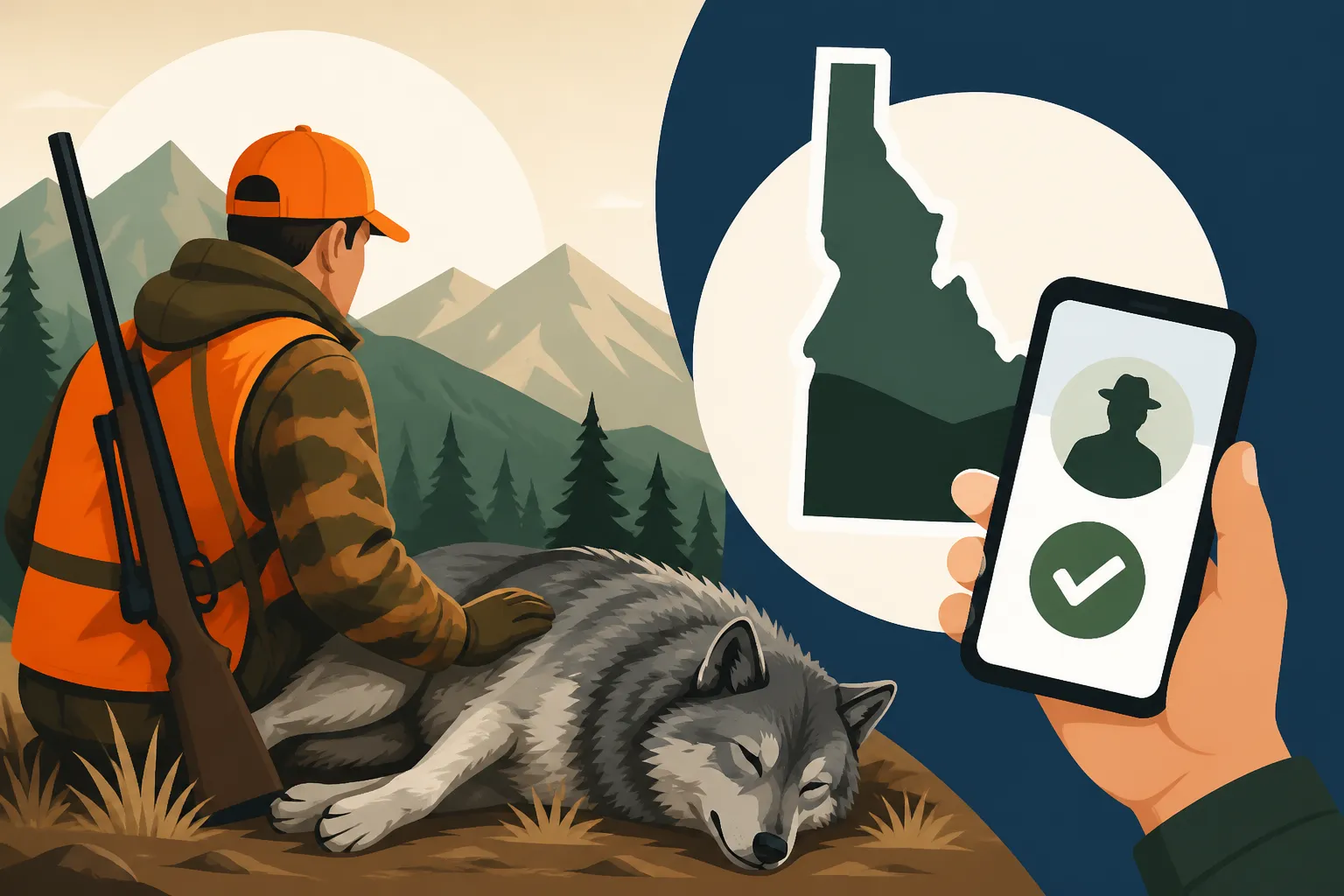
This is perhaps the most important deadline to remember: you must report your wolf harvest to Idaho Fish and Game within 24 hours of the kill. This isn't within 24 hours of getting back to town, or 24 hours of cell service; it's 24 hours from when the wolf was taken. This quick turnaround ensures timely data collection and helps prevent any potential misuse of tags. You can typically report by calling a regional Idaho Fish and Game office during business hours, or using their designated online reporting system if available. Always check the current regulations for the most up-to-date methods.
When you make that report, be prepared to provide a specific set of information. This usually includes your name and hunting license number, the wolf tag number, the precise date and time of the kill, the game management unit (GMU) where it was harvested, the weapon used, the sex of the wolf, and those critical GPS coordinates you gathered at the kill site. They might also ask for a more general description of the location, such as "south of Elk Mountain, near Canyon Creek." Having all this information written down or readily accessible will make the reporting call or online submission much smoother, reducing stress during an already exciting but often tiring time. This initial report is a cornerstone of Idaho Wolf Management and Harvest Limits, allowing the state to maintain accurate harvest data.
The Role of the Mandatory Check Station or Regional Office
Beyond that initial 24-hour report, Idaho requires hunters to physically present their harvested wolf (or at least the skull and pelt) to an Idaho Fish and Game check station or regional office for validation and sealing. This isn't just a formality; it's a crucial step in the management of Idaho's wolf population. This physical inspection allows biologists to collect important data, such as age, sex, and health indicators, which contribute to a broader understanding of the wolf population.
You'll need to bring the entire wolf carcass (if practical), or at minimum, the skull and pelt with the lower jaw intact, along with your filled-out wolf tag and your hunting license. The personnel at the check station will verify all the information you provided in your initial report, collect any biological samples they need, and then officially "seal" the pelt. This sealing process is vital for ensuring compliance and preventing illegal trade of wolf parts. Make sure to check the specific requirements for what parts of the wolf you need to bring, as these details can sometimes vary. Understanding Field Dressing and Carcass Transport Rules Explained for all big game can also help you prepare for transporting your wolf effectively.
Navigating the Pelt Sealing Process
The sealing of a wolf pelt is a distinct and mandatory step separate from the initial harvest report. It's an important part of Idaho's wildlife management framework that every successful wolf hunter needs to understand and complete.
Why Wolf Pelts Need to Be Sealed
The primary reason Idaho requires wolf pelts to be sealed is to maintain strict control over the legal harvest and possession of wolves. This process helps prevent poaching and the illegal trade of wolf parts, particularly given that wolves are a federally protected species in many other parts of the country. The "seal" is typically a tamper-proof tag, often a CITES (Convention on International Trade in Endangered Species of Wild Fauna and Flora) tag, affixed by Idaho Fish and Game personnel. This seal legally validates your possession of the wolf pelt and ensures that it was harvested in accordance with state regulations.
Think of it this way: your wolf tag identifies your legal harvest, but the seal applied by Fish and Game identifies their verification of that legal harvest. The deadline for getting your pelt sealed is typically longer than the 24-hour reporting window – often 10 days from the date of harvest. However, these regulations can change, so always consult Where the Current Idaho Regulations Are Posted for the most current information. Missing this deadline can lead to significant penalties, so it's a step that absolutely cannot be overlooked.
What Happens at the Sealing Appointment
When you bring your wolf to a regional office or check station for sealing, the process is generally straightforward but thorough. A Fish and Game officer will review your hunting license and wolf tag, cross-referencing it with your initial 24-hour report. They will meticulously examine the wolf or its pelt and skull. This examination often includes collecting biological samples, such as a tooth for age determination or a tissue sample for genetic analysis. This data is invaluable for ongoing research and management of Idaho's wolf population, providing insights into their age structure, health, and genetic diversity.
Once all verification and data collection are complete, the officer will physically apply the official seal to the pelt. This seal is designed to be difficult or impossible to remove without damaging it, further reinforcing its authenticity. You'll receive a copy of the sealing certificate, which you should keep with your hunting records. This entire process ensures that Idaho maintains accurate records for Idaho Wolf Harvest Limits Per Hunter and contributes to the sustainable management of the species. It’s the final stamp of approval on your successful and legal wolf hunt.
Essential Tools and Resources for Compliance
Staying on the right side of the law means being prepared and informed. Beyond the physical acts of hunting and reporting, leveraging available tools and consistently checking regulations are crucial.
Utilizing Digital Resources Like GoHunt
In the age of digital hunting, tools like GoHunt have become indispensable for many hunters. While GoHunt itself isn't the platform you'd use to report a harvested wolf, it can be incredibly useful in the preparation and documentation phases. For example, before you even step foot in the woods, you can use GoHunt's mapping features to scout potential wolf habitat, identify public land boundaries, and understand the specific Game Management Unit (GMU) you'll be hunting in. Knowing your GMU is paramount, as Idaho Wolf Season Dates by Unit can vary drastically, and it's a required piece of information for your harvest report.
During your hunt, mapping apps can help you pinpoint your exact location for those critical GPS coordinates needed for reporting. Dropping a pin the moment you harvest an animal means there's no question about where it happened, simplifying the reporting process later. These tools can also help you visualize egress routes for packing out the animal, or identify the nearest main roads to get to a regional office for sealing. Think of GoHunt and similar platforms as your advanced planning and in-field navigation partners, freeing you up to focus on the hunt itself, knowing your data collection is streamlined. Utilizing The Idaho Hunt Planner Is the Tool to Start With on the Idaho Fish and Game website offers similar valuable insights into units and regulations.
Keeping Current with Idaho Fish and Game Regulations
Perhaps the most crucial "tool" a hunter possesses is up-to-date knowledge of the regulations. Idaho's hunting laws, especially those pertaining to wolves, can and do change. What was legal last year might have subtle but significant differences this season. It's not enough to rely on what you "think" you remember or what someone told you. You must make it a habit to review the current Idaho Big Game Regulations every single year, before every season you plan to hunt.
The official Idaho Fish and Game website is the best place to find the most current regulations. They typically publish a digital version well in advance of the seasons, and printed booklets are available at license vendors. Pay close attention to sections on wolves, as they cover everything from season dates and bag limits to specific reporting and sealing requirements. Remember, ignorance of the law is not an excuse. Failing to adhere to these regulations, whether it's missing a reporting deadline or not getting a pelt sealed, can result in fines, confiscation of your harvest, and even loss of hunting privileges. Make it a point to regularly consult official resources like Idaho's Motorized Hunting Rule Keeps You on the Road or Idaho's Minimum Age for Big Game and Cranes for other species, as understanding the full scope of regulations ensures a legal and responsible hunting experience.
Idaho Wolf Harvest Reporting Deadlines at a Glance
To help keep everything straight, here's a quick reference for the key steps and deadlines related to reporting a harvested wolf in Idaho. Always double-check the current Idaho Fish and Game regulations for the precise, up-to-the-minute details, as rules can be adjusted.
| Action | Deadline | What's Needed | Where to Do It |
|---|---|---|---|
| Initial Harvest Tagging | Immediately after kill | Filled-out wolf tag, pen | At the kill site, securely attached to the carcass |
| Initial Harvest Reporting | Within 24 hours of kill | Hunter's info, tag number, date, time, GMU, weapon, sex, precise location (GPS) | Idaho Fish and Game phone line or online system |
| Physical Pelt Sealing | Within 10 days of kill | Wolf carcass/pelt (with lower jaw), filled tag, hunting license, ID, sealing fee (if any) | Idaho Fish and Game Regional Office or Check Station |
Successfully harvesting a wolf in Idaho is a memorable achievement, reflecting your dedication and skill as a hunter. By diligently following these reporting and sealing requirements, you not only ensure your compliance with state law but also contribute directly to the responsible management and conservation of Idaho's remarkable wolf population. Happy hunting, and may your efforts always be ethical and well-documented.
Disclaimer
This article is for general informational purposes only and does not constitute professional advice. Laws, prices and regulations vary by location and change over time. Consult a qualified professional for guidance on your specific situation.