Idaho Wolf Harvest Limits Per Hunter
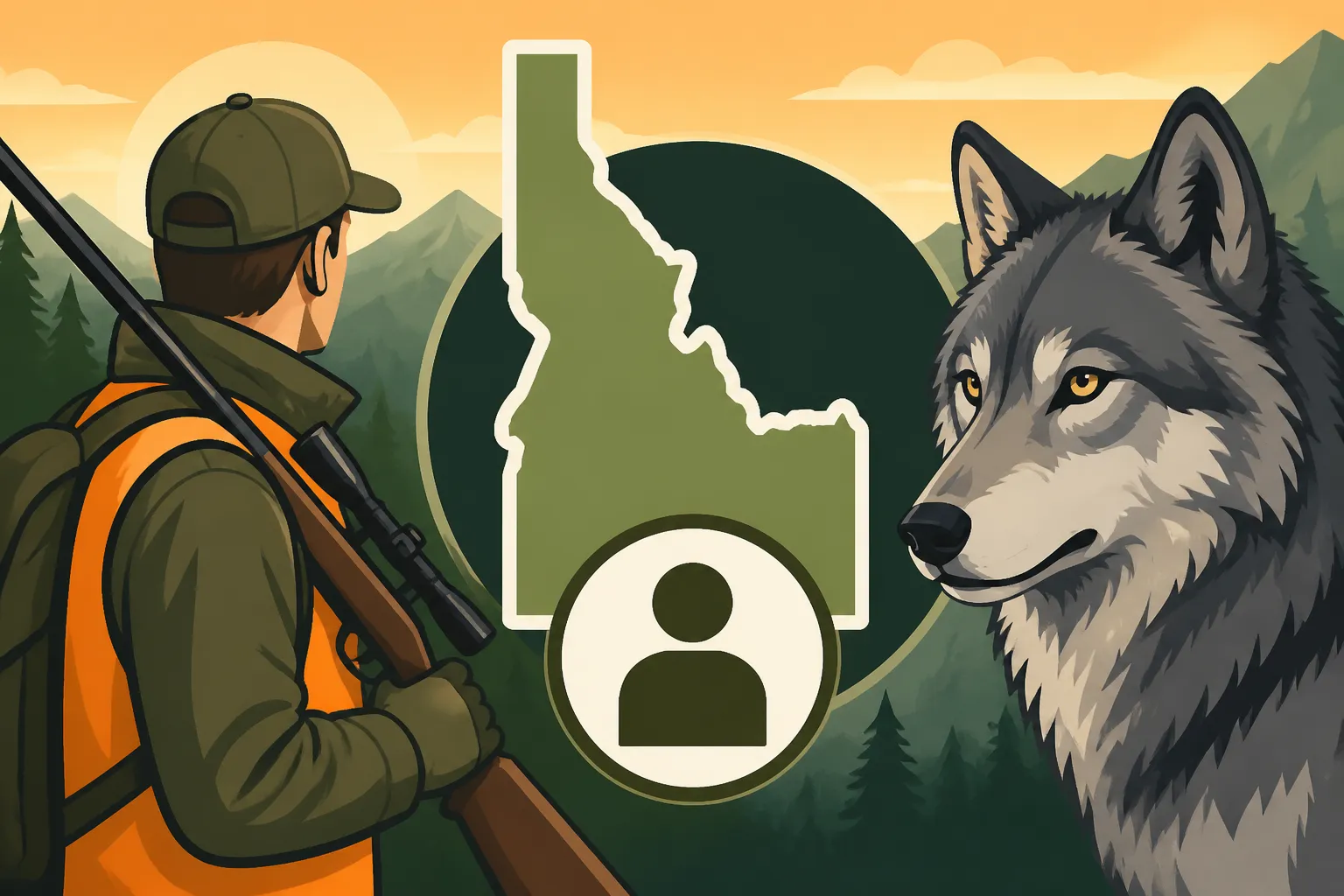
It's no secret that wolf hunting in Idaho can feel a bit like trying to hit a moving target when it comes to understanding the rules. Hunters often scratch their heads trying to figure out not just when and where they can hunt, but exactly how many wolves they can legally harvest in a season. With regulations that can feel like they're always in flux and specific unit details to consider, it's easy to get confused. This guide is here to untangle the complexities around individual wolf harvest limits in Idaho, helping you understand the current guidelines, why they exist, and how to stay on the right side of the law while pursuing these intelligent predators.
Idaho's Adaptive Approach to Wolf Management and Harvest Goals
Wolf management in Idaho has been a dynamic conversation for decades, evolving as populations fluctuate and public sentiment shifts. For hunters, understanding the underlying philosophy of these regulations is just as important as knowing the rules themselves. It helps make sense of why the limits are set the way they are.
The Shifting Landscape of Wolf Populations in Idaho
When wolves were reintroduced to Idaho in the mid-1990s, the primary goal was recovery and establishment. Fast forward a few decades, and Idaho's wolf populations have rebounded robustly, thriving across much of the state's diverse landscapes. This success has led to a natural shift in management objectives. Instead of focusing solely on recovery, the state now aims for sustainable management, which includes providing hunting and trapping opportunities while also mitigating impacts on other wildlife species, particularly elk and deer.
I know many of us hunters have seen firsthand the pressures that healthy wolf populations can exert on elk and deer herds, especially in certain areas. It's a real concern, and Idaho Fish and Game acknowledges these complex interactions. Their management strategies are designed to balance the ecological role of wolves with the health of ungulate populations and the interests of hunters and livestock producers. This dynamic approach means that regulations, including harvest limits, can be adjusted to reflect current population estimates and management goals.
Balancing Conservation with Opportunity: Why Limits Exist
So, why do we have harvest limits at all if the goal is to manage a healthy, sometimes robust, wolf population? It's all about balance. These limits aren't simply about reducing wolf numbers indiscriminately; they are a critical tool for ensuring the long-term sustainability of the species while still allowing for recreational harvest and addressing specific management needs.
Idaho Fish and Game utilizes a wealth of data—everything from aerial surveys and radio-collaring efforts to hunter harvest reports—to monitor wolf populations. This scientific approach allows them to set limits that prevent overharvesting, even while providing generous opportunities for hunters and trappers. When you look at the big picture, these individual harvest limits contribute to the overall management framework, which also includes things like Idaho Wolf Management and Harvest Limits and area-specific quotas. It’s a way to spread the opportunity among many hunters while still collecting vital data that informs future decisions. Without these limits and the mandatory reporting that accompanies them, the state would have a much harder time making informed, science-backed decisions about wolf management.
Unpacking the Current Individual Hunter Wolf Harvest Limit
One of the most common questions I hear from fellow hunters, especially those new to pursuing wolves, is "How many can I actually take?" It's a fair question, and the answer, while generally generous, does come with some important details and potential nuances.
The Standard Statewide Limit for Hunters
Idaho often sets a relatively generous annual limit on the number of wolves a single hunter can harvest, making it one of the more hunter-friendly states for wolf pursuit. For a long time, the individual hunter limit for wolves has been set at a number significantly higher than for big game like deer or elk, which are typically one per hunter. This often means a hunter can take multiple wolves per license year through hunting.
Now, here's the crucial part: while I can tell you that Idaho is known for its liberal wolf harvest limits, regulations can and do change. As a responsible hunter, you must consult the most current Idaho Big Game Regulations, typically available through the Idaho Fish and Game website or in print form wherever licenses are sold. They will have the exact, up-to-date figure for the current license year. This limit generally applies per license year, running from January 1st to December 31st. So, if you manage to harvest a wolf early in the year, you still have the opportunity to pursue more, up to your individual limit, as long as seasons are open.
Nuances and Unit-Specific Harvest Opportunities
While there's a generous statewide individual limit, it's never quite that simple, right? The devil is always in the details, especially when hunting across a state as vast and diverse as Idaho. Hunters need to be aware that certain Game Management Units (GMUs) or specific areas might have their own unique regulations that can impact your overall harvest opportunity.
For instance, some units might have earlier season closures or specific harvest quotas that, once met, will close that particular unit to further wolf harvest, regardless of whether you've reached your personal statewide limit. These closures can happen quickly and often without much advance notice, especially in areas with high wolf activity or where management objectives dictate tighter control. It's imperative to constantly monitor the Idaho Fish and Game website for emergency closures or status updates for the units you plan to hunt. Tools like GoHunt can also be invaluable for keeping track of these updates, often providing mapping overlays that show open and closed areas in near real-time. Understanding Idaho Wolf Seasons Change Unit by Unit is key, as is knowing how to interpret Reading an Idaho Controlled Hunt Area Boundary to ensure you're always legal.
Methods of Take and Their Effect on Wolf Harvest Numbers
One important aspect of Idaho's wolf harvest limits that sometimes catches hunters off guard is how different methods of take can interact with, or even add to, your overall harvest potential. It’s not just about carrying a rifle; Idaho offers multiple ways to pursue wolves, each with its own set of rules and, potentially, its own harvest quota.
Hunting and Trapping: Two Distinct Avenues for Harvest
In Idaho, the individual harvest limit for wolves typically applies separately to hunting and trapping. What does this mean in practical terms? It means that if the hunting limit is, say, ten wolves per hunter, and the trapping limit is also ten, a single hunter who possesses both a hunting and a trapping license (and the necessary wolf tags/permits for each method) could potentially harvest ten wolves by hunting and ten more by trapping within the same license year. This significantly increases the overall opportunity for those willing to invest in both methods and learn the specific skills required for each.
General season hunting for wolves can be done with a variety of weapons, including rifles, shotguns (with slugs or buckshot), muzzleloaders, and archery equipment, all under the general season rules. Trapping, on the other hand, requires a dedicated trapping license and involves a different set of regulations regarding trap types, set locations, and checking intervals. Understanding Trapping Rules That Apply to Idaho Wolves is crucial for anyone considering this method. Both methods contribute to the state's management goals, but they are treated as distinct activities for the purpose of individual harvest limits. It's a testament to Idaho's commitment to providing diverse opportunities for hunters and trappers to participate in wolf management.
Private Land Considerations and Cooperative Efforts
While most of the focus for wolf hunting often lands on Idaho's vast public lands, like the Hunting Idaho's National Forests and BLM Ground, private land also plays a significant role, especially when it comes to access and specific management scenarios. All state wolf regulations, including individual harvest limits, apply universally across both public and private lands. However, hunting on private property, naturally, requires explicit landowner permission.
In some situations, particularly where wolves are causing depredation issues with livestock, Idaho Fish and Game might work cooperatively with landowners to address the problem. This could involve special depredation permits, but even in these instances, the individual hunter participating would still be subject to their personal statewide harvest limit, unless explicitly stated otherwise by special provisions from IDFG, which are rare for individual hunters. The benefit of hunting wolves on private land often comes down to potentially less pressure and more consistent access, especially if you've built a good relationship with a landowner. Using mapping resources, like those found on GoHunt, can be incredibly helpful for identifying private land boundaries and researching potential access opportunities before you even think about knocking on doors and seeking Getting Landowner Permission in Idaho. It's a great way to expand your hunting horizons beyond the public domain.
| Aspect | Description | Important Note |
|---|---|---|
| Individual Limit | Idaho often allows hunters to harvest a relatively generous number of wolves per license year, frequently more than just one. | Always check current Idaho Fish and Game regulations for the exact, up-to-date number, as this can change annually. |
| Hunting vs. Trapping | The individual limit often applies per method. A hunter may be able to harvest the full limit via hunting and an additional full limit via trapping, assuming they hold the correct licenses and tags. | Requires separate hunting and trapping licenses/tags. Regulations for each method (e.g., trap specifications) are distinct. |
| Unit Quotas/Closures | While a statewide individual limit exists, specific Game Management Units (GMUs) can have early closures or harvest quotas that override the general season, sometimes closing quickly. | Hunters must monitor IDFG announcements for unit-specific closures. Resources like GoHunt can be critical for tracking these real-time changes. |
| Mandatory Reporting | Every wolf harvested must be reported to Idaho Fish and Game within a short, specified timeframe (e.g., within 24 hours of harvest or within a certain number of days). | Failure to report is a serious violation and hinders accurate population management. Physical tagging and evidence of sex requirements apply. |
Navigating the Regulations: Planning, Reporting, and Staying Legal
Successfully hunting wolves in Idaho, especially when you're aiming to understand and adhere to harvest limits, requires meticulous planning and a commitment to staying informed. The dynamic nature of wolf seasons means what's true today might be different tomorrow, particularly at the unit level.
Planning Your Wolf Hunt: Tools and Resources
The best wolf hunters are often the best planners. Given the potential for unit-specific closures or adjustments to harvest limits, simply knowing the statewide limit isn't enough. You need to stay plugged into the most current information. The official Idaho Fish and Game website is your primary source for the latest Big Game Regulations. This is where you'll find the most accurate and legally binding information on season dates, weapon restrictions, and current harvest limits.
Beyond the official regulations, there are some fantastic tools available that can drastically improve your planning process. The Idaho Hunt Planner Is the Tool to Start With is an invaluable resource provided by IDFG, offering maps, harvest statistics, and regulation summaries all in one place. Additionally, commercial mapping applications like GoHunt can be incredibly powerful for E-Scouting an Idaho Unit Before the Season. They allow you to overlay private and public land boundaries, check historical harvest data, and sometimes even get real-time updates on unit closures. While predator hunting for species like Hunting Coyotes in Idaho Year Round offers year-round opportunities without stringent limits, wolf hunting requires a much higher degree of attention to specific dates, units, and harvest quotas. It's truly a game of staying on top of the details.
The Critical Step of Mandatory Harvest Reporting
This cannot be stressed enough: every single wolf harvested in Idaho must be reported to Idaho Fish and Game. This isn't just a suggestion; it's a mandatory legal requirement, and one of the most critical steps a hunter takes after a successful harvest. Typically, you'll have a very specific, short timeframe—often within 24 hours or a few days—to report your harvest, usually online or by phone, and then to physically present the hide and skull for biological data collection and to receive a physical tag.
Why is this so critical? Your harvest report provides Idaho Fish and Game with essential data points that are vital for effective wolf management. Each report helps them track the overall harvest, monitor population trends, and identify areas where wolf numbers might be higher or lower than desired. This data directly influences future season structures, unit-specific quotas, and, yes, even the individual harvest limits for hunters. Failing to report a harvested wolf is a serious violation and undermines the very system designed to ensure sustainable hunting opportunities for all of us. So, always make sure you're clear on the Mandatory Reporting After an Idaho Harvest requirements for wolves before you head afield. It's not just a legal obligation, but a contribution to the future of Idaho's wildlife.
Disclaimer
This article is for general informational purposes only and does not constitute professional advice. Laws, prices and regulations vary by location and change over time. Consult a qualified professional for guidance on your specific situation.