Idaho Wolf Management and Harvest Limits
The discussion around wolves in Idaho can feel like navigating a minefield, whether you're a long-time resident hunter or just looking into the Gem State's opportunities. There's a lot of strong opinion, and the regulations themselves aren't always straightforward, changing from one unit to the next. This guide aims to cut through the noise, giving you a clear, realistic breakdown of Idaho's wolf management approach, the hunting and trapping seasons, harvest limits, and what you need to know to participate legally and ethically.
The Return of Wolves and Lingering Controversies
The reintroduction of wolves to Idaho in the mid-1990s from Canada, followed by their delisting from the Endangered Species Act in 2011, sparked a long-running, often heated, debate that continues to shape how these animals are managed. For many hunters and livestock producers, the growing wolf population represented a direct threat to elk and deer herds, as well as their livelihoods. Conversely, conservation groups often emphasize the ecological role of predators and advocate for more protective measures. This clash of values is a crucial backdrop to understanding Idaho's current wolf management and harvest limits.
A History of Adaptation and Population Growth
When wolves were first released into central Idaho, the population was carefully monitored. Initial projections were often conservative, but the wolves proved incredibly adaptable, thriving in Idaho's vast wilderness and abundant prey. Their numbers grew steadily, and with that growth came increasing concerns from rural communities. It wasn't long before sightings became more common, depredations on livestock were reported, and hunters started noticing changes in elk and deer behavior, particularly in areas where wolf packs established territories. This natural expansion and the subsequent impacts fueled the call for active management.
The Ongoing Debate: Predators, Prey, and Politics
The conversation about wolves is rarely purely scientific; it's deeply intertwined with cultural, economic, and political factors. Hunters often voice frustration about perceived declines in elk populations, pointing fingers at wolf predation as a significant factor. Ranchers, too, face very real economic losses from livestock depredation, and they look to the state for solutions. On the other hand, some argue that wolves are simply returning to their natural role in the ecosystem and that their presence creates healthier, more resilient prey populations. The Idaho Department of Fish and Game (IDFG) finds itself in the difficult position of balancing these diverse interests, which often leads to management strategies that attempt to satisfy multiple, sometimes conflicting, objectives.
Understanding Idaho's Wolf Management Philosophy
Idaho's wolf management isn't just about hunting and trapping; it's a comprehensive strategy designed to balance ecological health, reduce conflicts, and provide recreational opportunities. The core philosophy centers on the idea of maintaining a sustainable wolf population while minimizing negative impacts on big game populations and livestock. It's a pragmatic approach born out of necessity, recognizing that wolves are a permanent part of Idaho's landscape and need to be managed, not just observed.
Balancing Wildlife Populations and Reducing Conflict
The primary goal of IDFG's wolf management plan is to manage wolf populations to ensure the health of other wildlife species, particularly elk and deer. In areas where wolf predation is identified as a limiting factor for prey populations, IDFG may increase wolf harvest opportunities. This isn't a blanket approach; it's often unit-specific and driven by scientific data on both wolf and prey numbers. Additionally, a significant part of the management strategy involves reducing conflicts with livestock. This includes proactive measures, lethal removal of problem wolves by USDA Wildlife Services, and providing compensation for confirmed depredations. The idea is to reduce conflict on the landscape, making the coexistence of wolves and human activity more feasible.
Data-Driven Decisions and Adaptive Management
Idaho's wolf management relies heavily on data collection and an adaptive management framework. IDFG biologists monitor wolf populations through various methods, including aerial surveys, GPS collaring, and public sightings. They also track elk and deer populations, considering factors like habitat quality, winter severity, and other predator impacts (like mountain lions and bears). This information feeds into decisions about season lengths, bag limits, and specific management actions. It's not a static plan; it evolves year to year based on the latest data and observed impacts. This adaptive approach means that regulations can and do change, sometimes making it challenging for hunters to keep up with the latest rules. Tools like GoHunt can be incredibly useful here, as they often update their platforms with the latest regulatory information, helping hunters navigate complex season structures.
Idaho Wolf Hunting Seasons and Regulations
Participating in Idaho's wolf hunting seasons requires a solid understanding of the regulations, which can be quite nuanced. Unlike some other big game species, wolf seasons are often very long, sometimes running almost year-round in certain units, and the methods allowed can vary. It's crucial to consult the current Idaho Big Game Regulations booklet, as well as the Wolf Hunting and Trapping Seasons supplement, every single year.
General Seasons Versus Controlled Hunts
Idaho offers both general wolf hunting seasons and controlled hunts. General seasons are typically widespread and have long durations, often allowing hunters to purchase a tag over the counter and hunt in many units. These are designed to provide broad opportunity and manage overall wolf numbers. However, in specific areas where more targeted management is needed, IDFG may implement controlled wolf hunts. These hunts require an application and draw process, similar to elk or deer controlled hunts, and usually have stricter tag limits, shorter seasons, or specific geographic boundaries. The purpose of these controlled hunts is to exert more precise pressure on wolf populations in localized problem areas, or to manage harvest in areas with specific conservation goals. To truly understand your options, it's worth checking out "Idaho Wolf Seasons Change Unit by Unit in Idaho" for a deeper dive into regional variations.
Permitted Weapons and Unit-Specific Rules
For wolf hunting in Idaho, you're generally allowed to use legal firearms, archery equipment (bows), and crossbows. However, it's never safe to assume. Specific weapon restrictions can apply in certain units or during particular hunt types, especially if the wolf season runs concurrently with a short-range weapon or muzzleloader-only season for other species. Always double-check the regulations for the specific Game Management Unit (GMU) you intend to hunt. For example, some units might have restrictions on rifle caliber or ammunition types during certain times of the year, or prohibit the use of ATVs to pursue game. The most important thing is to ensure your chosen weapon is legal for the season and unit you're hunting.
Idaho Wolf Trapping Seasons and Regulations
Trapping is another significant tool in Idaho's wolf management strategy, allowing for more consistent harvest throughout the colder months and in areas where hunting access might be difficult. While hunting can be somewhat opportunistic, trapping offers a more systematic approach to reducing wolf numbers in targeted areas. However, trapping comes with its own set of responsibilities and a much steeper learning curve than hunting.
Obtaining a Trapping License and Wolf Trapping Permit
To trap wolves in Idaho, you'll need more than just a general hunting license. You must possess a valid Idaho hunting license and a separate Idaho trapping license. Furthermore, to specifically trap wolves, you need a dedicated "Wolf Trapping Permit," which often requires completing a state-approved wolf trapping education course. This course covers essential topics like wolf biology, responsible trapping methods, ethics, public safety, and avoiding non-target species. This educational requirement ensures that trappers are knowledgeable and employ best practices to minimize risks. It's not a trivial undertaking, as the state wants to ensure trappers are highly skilled and responsible. For more details, you can explore "Where Wolf Trapping Is Allowed in Idaho" and the specific requirements for obtaining the necessary permits.
Season Dates, Trap Types, and Set Restrictions
Wolf trapping seasons in Idaho are generally long, often running from late fall through early spring, providing ample opportunity when wolves are pelage prime and conditions are suitable for trapping. However, like hunting, these seasons are unit-specific and can vary. The types of traps allowed are also regulated, typically involving foothold traps and snares of specific sizes and designs, intended to be humane and effective. There are strict rules on trap placement, setback distances from roads and trails, and the use of attractants. For instance, traps must be visibly marked with the trapper's ID, and there are often requirements for how frequently traps must be checked. These regulations are designed to ensure public safety, prevent accidental capture of non-target animals, and maintain ethical trapping standards. Misunderstanding these rules can lead to serious legal consequences, so always review the most current trapping regulations.
Harvest Limits and Reporting Requirements
The effectiveness of Idaho's wolf management hinges on accurate data, which means every hunter and trapper has a vital role to play in reporting their harvest. It's not just a suggestion; it's a mandatory requirement, and failing to comply can result in fines and loss of hunting privileges.
Understanding Daily and Season Limits
Idaho imposes both daily and seasonal harvest limits for wolves. Generally, the daily limit for wolf hunting and trapping is one wolf per day. The season limit, however, allows for a greater number, often permitting a hunter or trapper to take multiple wolves throughout the season. For example, a hunter might be able to purchase multiple wolf tags (up to a specified maximum, often 5 or 10, depending on the year and specific unit regulations). Each wolf harvested requires a valid, unused tag. This liberal limit reflects Idaho's proactive stance on wolf population management, particularly in units where predation impacts are significant. It's crucial to consult the annual regulations, as these numbers can change. "Idaho Wolf Harvest Limits Per Hunter" provides an in-depth look at these specifics.
Mandatory Reporting and Evidence of Sex
Immediately upon harvesting a wolf, hunters and trappers are required to notch and attach their tag to the animal. This is standard procedure for most big game. Beyond that, Idaho has strict mandatory reporting requirements for wolves. Within a short timeframe (usually 24 hours) of harvest, you must report your kill to IDFG. This can often be done online or by phone. Additionally, within a specified number of days (typically 10 days), the wolf skull and hide must be presented to an IDFG regional office or designated check station for harvest data collection and to have the pelt officially sealed. This sealing process involves an IDFG official physically marking the hide, verifying the tag, and often collecting biological samples. Crucially, evidence of sex must remain naturally attached to the hide until the sealing process is complete. This means the genitalia or other identifying characteristics that clearly distinguish male from female must be intact. These strict reporting and sealing rules are essential for IDFG to accurately monitor harvest numbers, track population trends, and adjust management strategies as needed.
| Aspect | Wolf Hunting | Wolf Trapping |
|---|---|---|
| Primary Method | Stalking, calling, incidental harvest | Foothold traps, snares |
| License Requirements | Valid Idaho Hunting License, Wolf Tag | Valid ID Hunting License, Trapping License, Wolf Trapping Permit, Wolf Trapper Education |
| Season Duration | Often very long, unit-specific | Long, typically late fall through early spring, unit-specific |
| Daily Limit | Typically 1 wolf per day | Typically 1 wolf per day |
| Season Limit | Often multiple tags allowed (e.g., 5-10), unit-specific | Often multiple tags allowed (e.g., 5-10), unit-specific |
| Weapon/Gear | Firearms, archery, crossbows | Approved trap types (size, jaw spread limits), snares |
| Mandatory Reporting | Within 24 hours of harvest | Within 24 hours of harvest |
| Physical Check/Sealing | Skull and hide to IDFG within 10 days; evidence of sex attached | Skull and hide to IDFG within 10 days; evidence of sex attached |
| Education Requirement | No specific wolf education for hunting | Mandatory Wolf Trapper Education Course |
The Rationale Behind Idaho's Wolf Management Decisions
It's easy to look at the regulations and wonder why they're so specific, or why they seem to change so often. But behind every rule and season date is a complex web of ecological, economic, and social considerations. Idaho's approach to wolf management is a direct response to the challenges and opportunities presented by a recovering wolf population, striving for a balance that aims to benefit both wildlife and people.
Ecological Impact on Big Game Populations
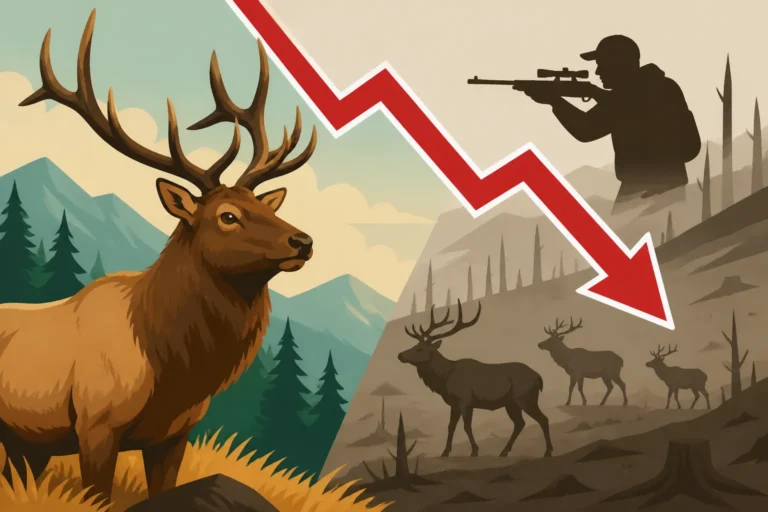
One of the most significant drivers of Idaho's wolf management decisions is the impact of wolves on ungulate (hoofed animal) populations, primarily elk and deer. In some areas, wolf predation can be a major factor limiting elk calf survival or driving down overall herd numbers, especially when combined with other stressors like severe winters or habitat degradation. "How Wolves Changed Idaho Elk Numbers" delves into these dynamics. IDFG carefully monitors these trends, and when certain prey populations fall below management objectives or show consistent declines linked to predation, wolf harvest opportunities may be increased to alleviate pressure. The goal isn't to eradicate wolves but to manage their numbers to allow elk and deer populations to meet their own management objectives, which in turn supports hunting opportunities for other species.
Minimizing Depredation and Economic Losses for Livestock Producers
Beyond the impact on wild game, wolves can, and do, prey on livestock. For ranchers, these depredations represent direct economic losses that can be devastating, especially for small operations. Idaho's management strategy actively seeks to minimize these conflicts through various means. Hunting and trapping are frontline tools, but direct removal of depredating wolves by federal agents (USDA Wildlife Services) is also authorized when specific problems arise. There are also efforts to promote non-lethal deterrents, but these are not always sufficient in remote, expansive grazing areas. The regulations around wolf harvest, particularly the relatively liberal bag limits in many areas, are partly a response to the need to reduce the frequency of these conflicts and support Idaho's agricultural industry.
Public Acceptance and Social Carrying Capacity
Finally, wolf management in Idaho is heavily influenced by the concept of "social carrying capacity." This refers to the maximum number of animals that a human population can tolerate. While there might be a biological capacity for a certain number of wolves, the human communities living alongside them might not accept that level due to perceived threats to livestock, hunting opportunities, or personal safety. IDFG endeavors to find a balance where wolf numbers are ecologically sustainable but also socially acceptable to the majority of Idaho citizens, including hunters, ranchers, and outdoor recreationists. This balancing act is incredibly difficult and often contentious, requiring constant communication and adaptation. The regulations you see are the result of this ongoing effort to manage both the wildlife and the diverse human perspectives surrounding them.
Researching Hunt Areas and Current Conditions
Successfully hunting or trapping wolves in Idaho isn't just about understanding the regulations; it's also about knowing where to apply that knowledge. Idaho is a vast state, and wolf populations, terrain, and access can vary dramatically from one Game Management Unit to the next. Doing your homework before you head out is absolutely essential.
Utilizing the Idaho Hunt Planner and GoHunt Resources
The Idaho Department of Fish and Game's online Hunt Planner is an indispensable tool for any hunter or trapper. It allows you to explore units, see season dates, check harvest statistics, and view public land percentages. However, navigating all that information can sometimes feel overwhelming. This is where supplementary resources like GoHunt come in handy. Before you even step foot in the field, services like GoHunt offer invaluable mapping tools and data overlays to identify potential wolf habitat, review historical harvest data by unit, and understand access points. You can visualize unit boundaries, check private vs. public land ownership, and see where other hunters have found success. This kind of e-scouting can save you countless hours of driving and scouting on the ground, helping you narrow down your focus to units with higher wolf densities or better success rates.
Understanding Unit-Specific Nuances and Access
It’s not enough to just pick a unit with a long season. You need to dig deeper. Are there specific areas within that unit known for higher wolf activity? What kind of terrain will you be dealing with – steep timber, open sagebrush, or river breaks? What about access? Some prime wolf areas are deep in the backcountry and require significant effort to reach, while others might have good road systems. You also need to be aware of regulations like "Idaho's Motorized Hunting Rule Keeps You on the Road," which can significantly impact how you hunt or retrieve a downed animal. Understanding these nuances can mean the difference between a frustrating trip and a successful one. Pay attention to winter range closures, which might affect early or late-season access, and consider checking "E-Scouting an Idaho Unit Before the Season" for more tips on virtual scouting.
Reading Sign and Local Intelligence
Once you've done your digital homework, boots-on-the-ground scouting, or even talking to locals, becomes paramount. Wolves leave distinct sign: tracks, scat, and kill sites. Learning to read these clues can tell you if wolves are active in an area. Tracks in the snow or mud, especially along old logging roads or game trails, are prime indicators. Scat often contains hair and bone fragments from their prey. Kill sites, while sometimes hard to find, offer undeniable proof of wolf presence. Local intelligence, from other hunters, trappers, or even IDFG personnel, can also provide valuable insights into current wolf activity and movement patterns. Remember, wolves are highly mobile, and their locations can shift throughout the season based on prey availability and pressure.
Disclaimer
Please remember that hunting and trapping regulations in Idaho are subject to change. Always consult the most current Idaho Fish and Game regulations and proclamations for the specific year and unit you plan to hunt or trap. This article is intended for informational purposes only and should not be considered a substitute for official legal documents.