BLM Ground Across Southern Idaho
Hunting in Idaho can feel like a labyrinth, especially when you're trying to pin down public land access. While the vast national forests of the Panhandle get a lot of attention, many hunters overlook the immense opportunity that lies within the Bureau of Land Management (BLM) ground, particularly across Southern Idaho. It's easy to get discouraged seeing checkerboard land ownership or private ranch gates, but understanding how to navigate these often-arid landscapes and unlock their potential can lead to incredible hunting experiences for species often overlooked in the timbered mountains. This guide is dedicated to helping you decipher the often-confusing world of BLM land, specifically focusing on its critical role for hunters in the southern half of the Gem State.
Understanding Idaho's BLM Land Landscape
The Bureau of Land Management manages a staggering amount of acreage across the western United States, and Idaho is certainly no exception. Often characterized by open, arid, or semi-arid terrain, these lands are generally managed for multiple uses, including grazing, recreation, mineral extraction, and, thankfully for us, hunting and wildlife habitat. Unlike the dense, timbered national forests that dominate much of central and northern Idaho, BLM lands in the southern parts of the state typically feature sagebrush steppe, juniper woodlands, basaltic lava flows, and impressive river breaks. This distinct landscape fosters a different ecosystem and, consequently, different hunting opportunities.
The Character of BLM in Southern Idaho
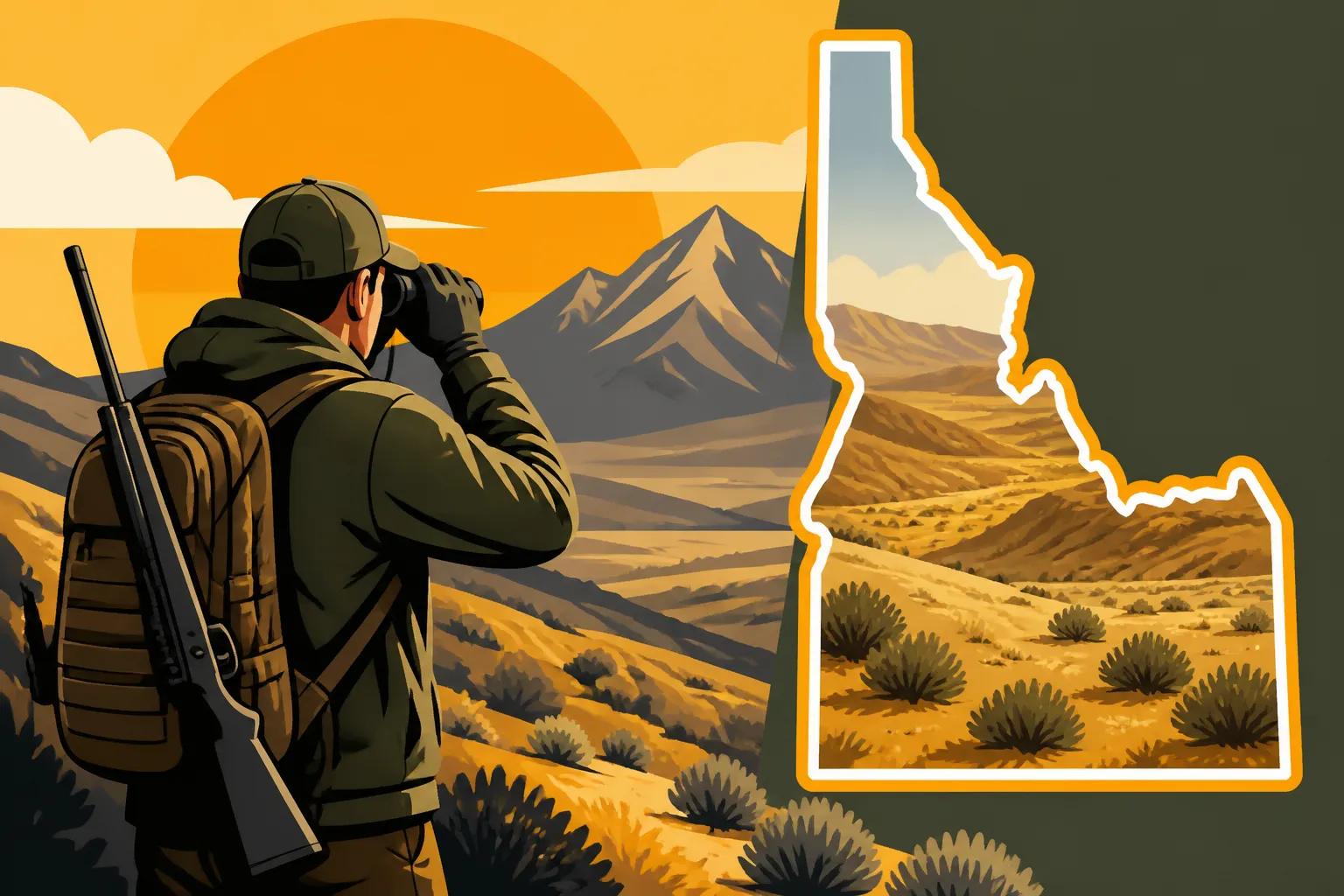
When you picture BLM land in Southern Idaho, think vast, open spaces that stretch to the horizon, broken by canyons, buttes, and dry washes. This isn't the steep, dark timber country where you're crawling through thick brush. Instead, it's a land of long views, often requiring optics and patience to pick out game. The vegetation is generally shorter, dominated by sagebrush, various grasses, and bitterbrush, which provides crucial forage for deer, antelope, and upland birds. Reading Terrain Before You Pick a Camp becomes a completely different skill here, shifting from identifying bedding areas in thickets to spotting animals moving through sparse cover or using the contours of the land for concealment.
The geological history of Southern Idaho has also sculpted its BLM holdings into a unique hunting environment. The massive lava flows that created places like the Craters of the Moon National Monument, while having protected areas, also scatter basaltic rock formations and broken country throughout the broader BLM landscape. These rocky areas provide excellent cover and thermal regulation for wildlife, making them prime spots for hunting. Access can sometimes be dictated by these formations, with rimrock and deep canyons creating natural barriers, but also funneling animals through more accessible corridors.
Why BLM Land is Crucial for Public Access
For hunters without access to private ground, BLM land often represents a lifeline, offering vast stretches of accessible public hunting. In many areas of Southern Idaho, private agricultural lands and vast ranches surround or intersperse with public holdings, making the BLM ground even more vital. Without these public parcels, large portions of the state would be effectively closed off to those who don't own land or pay for access. This is especially true for species like pronghorn, which thrive in these open, often checkerboarded landscapes.
The "multiple use" mandate of the BLM means that these lands are open for various activities, and hunting is a primary one. While you'll share the land with ranchers, hikers, off-road enthusiasts, and rockhounds, the sheer scale of the acreage often allows for solitude if you're willing to walk a bit or explore less obvious access points. Understanding that BLM land is your land, managed for public benefit, is the first step in planning a successful hunt. It’s not just leftover ground; it’s prime habitat that, with careful scouting and strategy, can yield incredible results.
Unlocking Southern Idaho's BLM Hunting Potential
The concentration of BLM acreage in Southern Idaho is significant, providing hunters with opportunities that differ greatly from the dense forests further north. This region, encompassing areas from the Owyhee Breaks in the west to the vast sagebrush plains towards the Wyoming border, offers diverse habitats and a unique blend of species. It's a landscape that demands a different set of scouting and hunting skills, rewarding those who embrace its open, often rugged character.
Geographic Concentration and Key Areas
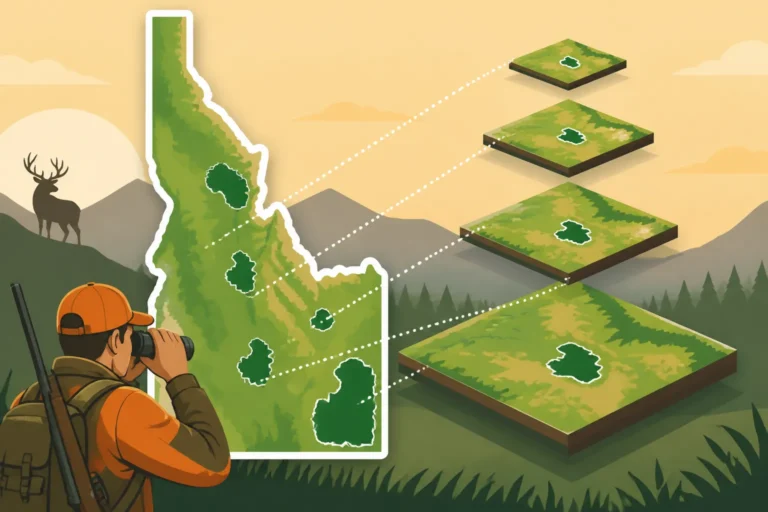
Southern Idaho is a patchwork of public and private lands, but the BLM plays an outsized role in providing large, contiguous blocks of huntable ground, particularly in the southwestern, south-central, and southeastern parts of the state. The Owyhee Desert, for example, is dominated by BLM land, characterized by its deep canyons, rimrock, and sagebrush flats. This area is famous for its chukar hunting and provides critical habitat for mule deer and, in limited areas, California bighorn sheep. California Bighorns Along the Owyhee specifically rely on these rugged, arid environments.
Further east, areas around the Snake River Plain, while interspersed with agriculture, still hold significant BLM parcels. These often border national forests in the higher elevations but extend into the lower, drier foothills and plains. Units surrounding cities like Boise, Twin Falls, and Idaho Falls have surprisingly accessible BLM parcels that can offer excellent hunting, especially during the archery and muzzleloader seasons. These lands are often underappreciated but can hold resident deer and even elk that venture into the lower country.
Target Species: Beyond Just Big Game
While most hunters think of deer and elk, BLM lands in Southern Idaho offer fantastic opportunities for a wider range of species. Mule deer are perhaps the most iconic big game animal of these sagebrush habitats, thriving on the browse and cover offered by the varied terrain. Pronghorn also call these open plains home, though Pronghorn Hunting Is Controlled-Hunt Only in Idaho and tags are highly coveted. For those willing to put in the time and draw a tag, the experience of hunting antelope on the vast, windswept BLM is unforgettable.
Beyond big game, the BLM is a haven for upland bird hunters. Chukar partridge are kings of the steep, rocky river breaks and canyons that crisscross much of the BLM landscape. Chukar Country on Idaho's Breaks is renowned for these challenging birds, and hunters can often find limits by covering miles of rugged terrain. Sage grouse, though limited by special permits in certain areas, are also found in the intact sagebrush ecosystems of the BLM, providing another unique opportunity. Even cottontail rabbits and coyotes can offer year-round hunting on these public lands.
Navigating Access and Regulations on BLM Ground
One of the biggest hurdles for hunters on BLM land, especially in Southern Idaho, isn't finding game, but simply knowing where you can legally go. The checkerboard ownership patterns, coupled with private ranching operations, can make access feel complicated. However, with the right tools and a clear understanding of the rules, these challenges are easily overcome.
Identifying Public Access Points and Boundaries
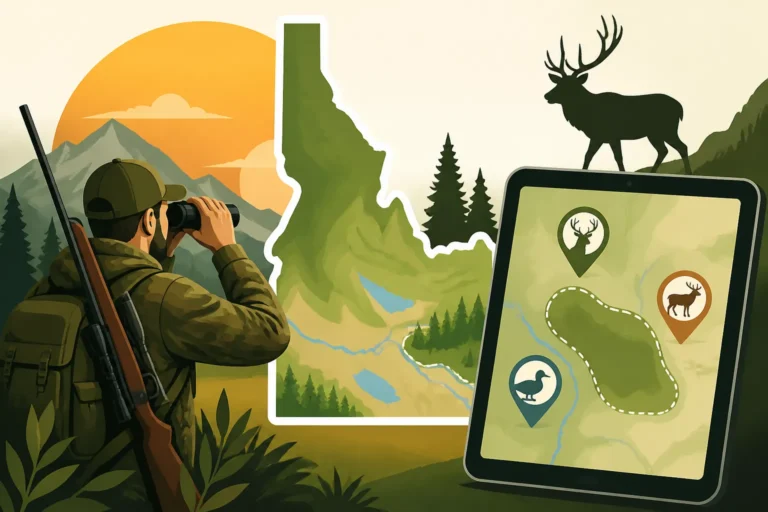
Before you even leave your driveway, mapping tools are your best friend. Services like onX Hunt have revolutionized how hunters identify public land. Their layers clearly delineate BLM ground, private parcels, and state lands, making it easy to see where you can legally step foot. Using these apps, you can identify legal roads, two-tracks, and public easements that lead into BLM sections. Without a tool like this, you might drive right past a prime access point, or worse, inadvertently trespass. Using onX Layers for Idaho Public Land is an essential skill for successful hunting in these areas.
It’s not just about seeing the colors on the map; it’s about understanding the lines. Sometimes a small sliver of state land or even private land with a public access easement is the only way into a large block of otherwise landlocked BLM. Always cross-reference your digital maps with physical maps and, if possible, scout these access points in person before the season. Look for signs, gates, and obvious property markers. Remember, even if land is not posted, it is still private, and crossing it without permission is trespassing.
Understanding Idaho's Motorized Hunting Rules
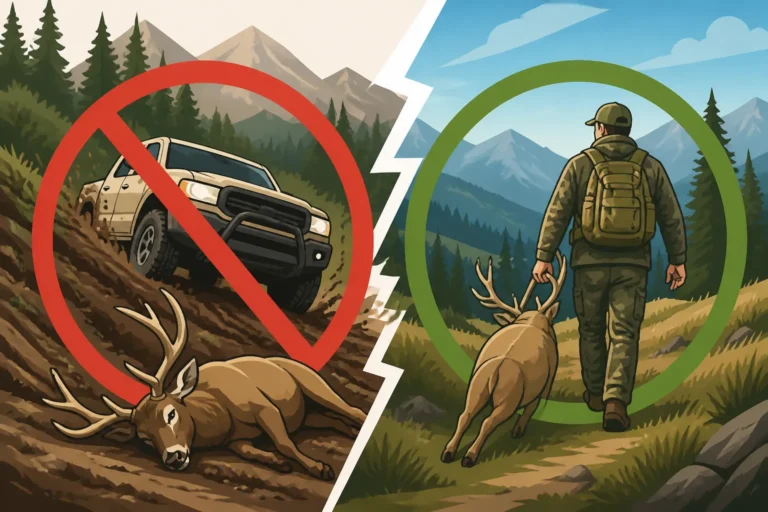
Idaho has specific regulations regarding motorized vehicle use on public lands, and these are particularly relevant on BLM ground, which often has a network of primitive roads and two-tracks. The general rule is that you must stay on established roads and trails. Idaho's Motorized Hunting Rule Keeps You on the Road is designed to protect habitat and prevent resource damage. This means no driving off-road to chase down a buck or to get closer to a remote glassing knob.
Many BLM areas, especially those designated as Wilderness Study Areas (WSAs) or managed for specific wildlife values, will have stricter rules, sometimes closing roads seasonally or entirely to motorized traffic. Always check the specific travel management plans for the BLM units you intend to hunt. These details are often available on the BLM's website or through local field offices. Violating these rules can result in hefty fines and damage to the land that impacts everyone's hunting access in the long run.
The Nuances of Corner Crossing
The topic of corner crossing – legally stepping from one piece of public land to another at a diagonal intersection (a "corner") where private land meets public land on four sides – is a complex and often debated issue in the West. While Idaho doesn't have a specific law addressing corner crossing, the general interpretation of trespass law is that you cannot enter the airspace or ground of private property without permission. This means that, technically, stepping from one public parcel to another across a private corner could be considered trespassing.
This situation often landlocks large blocks of BLM and other public lands. While some legal challenges and discussions are ongoing across the West, as a hunter in Idaho, the safest and most legally sound approach is to assume you cannot corner cross without explicit permission from the landowner whose property forms that corner. Always seek clear, unmistakable public access to the land you intend to hunt. If in doubt, find an alternative route or avoid the area altogether. It's better to be safe than to risk a citation or a negative encounter with a landowner.
Hunting Opportunities on Southern Idaho BLM
The vast, open, and rugged nature of Southern Idaho's BLM lands presents a unique suite of hunting opportunities. The terrain and climate lend themselves to specific hunting strategies, and understanding these can dramatically increase your chances of success.
Mule Deer Hunting in Sagebrush Country
Mule deer are synonymous with the sagebrush steppe and broken country found on much of Southern Idaho's BLM. These animals use the undulating topography, dry washes, and scattered juniper stands for cover and movement. Unlike hunting whitetails in dense timber, mule deer hunting on BLM often involves extensive glassing. Glassing Breaks and Benches for Mule Deer is a critical skill. You'll spend hours behind binoculars or a spotting scope, meticulously scanning hillsides, rimrock edges, and shadowed draws, looking for an antler tip, the flick of an ear, or the distinct shape of a deer against the background.
Early season hunts, whether archery or muzzleloader, often find deer still in relatively predictable summer patterns, perhaps near water sources or higher elevations before the colder weather pushes them down. As seasons progress, deer may become more spread out or, conversely, start to gather in more protected basins. Understanding their behavior in this open country is key. They often bed down with a view of their surroundings, relying on their eyesight, so a patient stalk using terrain features to stay out of sight is paramount once an animal is spotted.
Pronghorn Hunting on the Plains
Pronghorn hunting on Idaho BLM is a controlled hunt, meaning you'll need to draw a tag, which can take several years. However, if you're lucky enough to draw, the experience is truly unique. These incredible animals inhabit the most open, expansive areas of BLM, where their phenomenal eyesight and speed are their primary defenses. Pronghorn Hunting Is Controlled-Hunt Only in Idaho because their populations are carefully managed, and the demand for tags is high.
Hunting pronghorn involves a lot of driving and glassing, covering vast distances to locate a suitable buck. Once a buck is spotted, the challenge shifts to closing the distance in incredibly open country. Long stalks are common, often crawling through low sagebrush or using subtle changes in elevation to stay hidden. Wind direction is critical, as scent carries far on the open plains. Unlike deer that often seek dense cover, pronghorn will often try to outrun danger, making careful shot placement and understanding their quick movements crucial.
Upland Bird Hunting in the Canyons and Breaks
For the upland bird hunter, Southern Idaho's BLM offers a rugged but rewarding experience, particularly for chukar partridge. These hardy game birds thrive in the steep, rocky canyons and river breaks that dissect the sagebrush landscape. Chukar Country on Idaho's Breaks often means walking incredibly steep terrain, but the reward of a covey flush and the taste of these delicious birds makes the effort worthwhile. Good boots, plenty of water, and a physically fit hunting dog are almost essential for chukar hunting.
Beyond chukar, other upland species like Hungarian partridge might be found in agricultural fringe areas adjoining BLM, and sage grouse in specific, permitted units. Forest grouse species are less common on the lower elevation BLM but can be found in juniper or pine pockets. The key to upland hunting on BLM is covering ground and being prepared for varied terrain. It’s not uncommon to hike several miles in a day, ascending and descending steep slopes, all while keeping an eye out for birds.
Planning Your Hunt on BLM Land
Successfully hunting Southern Idaho's BLM isn't just about showing up; it requires diligent planning, careful scouting, and an understanding of the unique challenges these landscapes present. From digital mapping to physical preparedness, every step counts.
E-Scouting with Modern Tools
Before you ever set foot on the ground, e-scouting is your most powerful tool. Utilize platforms like GoHunt or onX Hunt to pour over satellite imagery, topo maps, and land ownership layers. Look for key features:
- Water sources: Even dry washes can hold pockets of moisture, and natural springs or man-made guzzlers are magnets for game, especially in arid environments.
- Terrain features: Identify canyons, draws, benches, and rimrock that could serve as travel corridors, bedding areas, or escape routes.
- Roads and trails: Mark established roads for vehicle access and identify two-tracks or old trails that can get you deeper into an area without driving off-road.
- Vegetation changes: Even subtle shifts in sagebrush density, the presence of bitterbrush, or patches of juniper can indicate better habitat.
E-Scouting an Idaho Unit Before the Season can save you days of wasted effort by narrowing down productive areas and helping you plan your physical scouting trips more efficiently. Look for "hidden" benches or isolated pockets of public land that might see less pressure.
Physical Scouting and Trail Cameras
While e-scouting provides a great overview, nothing beats boots on the ground. A physical scouting trip, ideally a few weeks or months before the season, allows you to verify access points, assess road conditions, and identify fresh sign. Look for tracks, scat, rubs, and active game trails. Note where animals are watering, feeding, and bedding. Patterning a Buck in the Weeks Before Opener is just as important on BLM as it is in the timber.
Trail cameras can be incredibly useful, especially if you can place them on water sources or well-used travel corridors. However, be mindful of Trail Camera Rules on Idaho Public Land. They must be clearly marked with your contact information, and you should always consider the security of your cameras in high-traffic areas. Remember to check them periodically and retrieve them promptly after the season to avoid "orphaned" cameras.
Vehicle Use, Camping, and Water Management
Hunting on Southern Idaho BLM often involves significant driving, both to access areas and to cover ground while glassing. Ensure your vehicle is capable of handling rough, unmaintained roads, and always carry spare tires, a shovel, and recovery gear. Being stranded miles from anywhere in the Owyhee Desert is no joke. Reading Terrain Before You Pick a Camp is crucial; find a level spot with some cover from the elements, especially wind.
Dispersed camping is generally allowed on BLM land, as long as you follow Leave No Trace principles. Avoid sensitive areas, pack out all trash, and be mindful of fire restrictions, especially during dry seasons. Water is a constant concern in these arid environments. You'll need to carry all your drinking water and potentially water for a camp shower or cooking. Researching known water sources for wildlife is important, but never rely on finding potable water in the field. Carry more than you think you'll need.
Common Challenges and Overcoming Them on BLM Ground
While the opportunities on Southern Idaho's BLM lands are immense, hunters must also be prepared for a distinct set of challenges that differ from those encountered in other types of terrain. Anticipating these issues can make the difference between a successful hunt and a frustrating one.
Arid Conditions and Water Scarcity
The most prevalent challenge on Southern Idaho BLM is the arid climate and scarcity of water. Summers are hot and dry, and even into the fall, finding reliable water for both yourself and for game can be difficult. This affects everything from animal distribution to your personal logistics. Animals will often stick close to reliable water sources, making these areas key points for scouting and hunting. However, these same spots will also attract other hunters.
To overcome this, bring more water than you think you'll need – for drinking, cooking, and camp use. A good rule of thumb is at least a gallon per person per day, plus extra for emergencies. Consider portable water filters or purification tablets for emergency use, but don't plan on them as your primary water source. For animals, focus your scouting on known springs, guzzlers, and river bottoms. The animals that live here are experts at finding water, and you should be too.
Rugged, Open Terrain and Physical Demands
While the terrain might not be as steep or timbered as the high mountains, BLM land is often incredibly rugged in its own way. The constant up-and-down of rolling hills, broken lava flows, and deep canyons can be physically taxing, especially under a heavy pack. The open nature of the country also means there's less cover, requiring long stalks and careful movement. This isn't a sit-and-wait kind of hunt; it demands mobility and endurance.
Prepare yourself physically by engaging in strenuous activities before your hunt. Practice hiking with a loaded pack, especially over uneven ground. Good quality boots are non-negotiable, as are gaiters to keep sagebrush seeds and stickers out of your socks. When stalking, be prepared for long crawls and using every available piece of terrain for concealment. Playing Wind Direction on a Timbered Stalk is important, but on BLM, playing the wind when you're crawling through sparse sagebrush is even more critical.
Hunting Pressure and Finding Solitude
Because public land is so valuable, especially in areas with significant private holdings, some easily accessible BLM parcels can experience considerable hunting pressure, particularly on opening weekends. This is a reality of public land hunting. However, the sheer size of many BLM units means that solitude can be found if you're willing to work for it.
To minimize encountering other hunters, use your e-scouting to identify areas that are furthest from main roads or require a significant hike to access. Don't be afraid to put in the miles on foot; many hunters won't venture far from their vehicles. Consider hunting during weekdays if possible, or later in the season when initial enthusiasm wanes. Also, target less popular species or units. Sometimes, the best hunting on BLM isn't where everyone else is.
Table: Common Hunting Opportunities on Southern Idaho BLM
| Species | Typical Habitat on BLM | General Season Dates (Check Regs) | Common Hunting Methods | Special Considerations |
|---|---|---|---|---|
| Mule Deer | Sagebrush steppe, juniper pockets, lava flows, canyons | Archery: Late Aug-Sep; Rifle: Oct-Nov | Spot & stalk, extensive glassing | Key on water, thermal cover, and terrain features for concealment. |
| Pronghorn | Open sagebrush flats, rolling plains | Controlled Hunts: Sep-Oct | Spot & stalk, long-range glassing | Tags are limited, exceptional eyesight and speed. |
| Elk | Juniper canyons, higher elevation sagebrush near NF | Limited by Zone/Tag: Sep-Nov | Spot & stalk, bugling in transition zones | Often found where BLM borders National Forest land. |
| Chukar | Steep, rocky canyons, river breaks, basaltic hillsides | Early Sep – Late Jan | Walk-up, dog work, physically demanding | Requires excellent boots, water, and stamina. |
| Sage Grouse | Intact sagebrush ecosystems, specific lek areas | Limited by Permit: Sep | Walk-up, dog work, specific units only | Very limited, special permit draw. |
| Cottontail | Sagebrush flats, rocky outcrops, dense brush | Year-round in most areas | Walk-up, small game rifle/shotgun | Abundant, good for skill practice or table fare. |
| Coyote | Open plains, sagebrush, canyons | Year-round | Calling, spot & stalk | Abundant, great predator hunting opportunity. |
Always consult the current Idaho Fish and Game regulations for exact season dates, unit restrictions, and permit requirements.
Disclaimer
This article is for general informational purposes only and does not constitute professional advice. Laws, prices and regulations vary by location and change over time. Consult a qualified professional for guidance on your specific situation.