The Minimum Age a Mentor Must Be
Figuring out all the rules and regulations for hunting in Idaho can feel like trying to untangle a giant ball of yarn, especially when you're looking to introduce a new hunter to the field. One of the most common questions that comes up is about who can actually be a mentor in the state's mentored hunting program, and specifically, how old you need to be to take on that incredibly important role. This guide is here to clear up that confusion, diving deep into Idaho's mentor age requirements and all the responsibilities that come with it, so you can confidently guide the next generation.
Understanding Idaho's Mentored Hunting Program
It's truly exciting when someone, especially a younger person, shows an interest in hunting. It's more than just harvesting an animal; it's about connecting with nature, understanding conservation, and learning vital outdoor skills. But let's be honest, the initial hurdles, like hunter education requirements, can sometimes feel daunting enough to scare new folks away before they even get started. That's where Idaho's mentored hunting program really shines, offering a fantastic pathway for newcomers to experience hunting firsthand under the careful watch of an experienced guide.
Why Mentored Hunting Programs Exist
At its heart, the mentored hunting program is all about fostering a love for the outdoors and ensuring the safe, ethical continuation of our hunting heritage. Think about it: many of us learned from a parent, grandparent, or close family friend. Those early experiences, steeped in tradition and practical lessons, are irreplaceable. These programs formalize that process, allowing an uncertified hunter – often a youth – to participate in a hunt without first completing the full hunter education course. This "try before you buy" approach is incredibly effective for recruitment. Parents, guardians, and even the new hunters themselves often worry about the commitment of time and effort for hunter education if they're not even sure they'll enjoy hunting. A mentored hunt lowers that barrier, giving them a taste of what it's all about in a safe, controlled environment. It’s also a powerful tool for transferring critical knowledge that goes beyond what a textbook can teach, from how to Read Wind in Steep Timbered Country to identifying various game signs.
The Basics of Mentored Hunting in Idaho
In Idaho, the mentored hunting program is fairly straightforward. It allows an uncertified hunter, regardless of age (though specific age restrictions apply for certain species), to hunt under the direct supervision of a licensed, certified adult mentor. The mentee doesn't need to have a hunter education certificate, but they do need to purchase a mentored hunting license and tag(s) for the species they plan to pursue. The mentor, on the other hand, needs to have a valid hunting license for the current season, and must have completed hunter education themselves if they were born after 1974. Essentially, the mentor takes on full responsibility for the mentee's actions, ensuring all hunting laws and safety protocols are followed. This isn't just a casual "bring your buddy along" situation; it's a structured program designed for safety and effective learning. The Idaho Fish and Game Department has really thought through the nuances, recognizing the invaluable role mentors play in shaping responsible hunters. You can find detailed breakdowns of these rules within the annual regulations or by digging into resources like the Idaho Fish and Game website or platforms like GoHunt that help distill complex regulations.
The Minimum Age Requirement for an Idaho Hunting Mentor
Alright, let's get right to the core of the matter: how old do you actually have to be to serve as a hunting mentor in Idaho? This is a critical detail, and one that the Idaho Department of Fish and Game (IDFG) is very clear about.
Unpacking the 18-Year-Old Rule
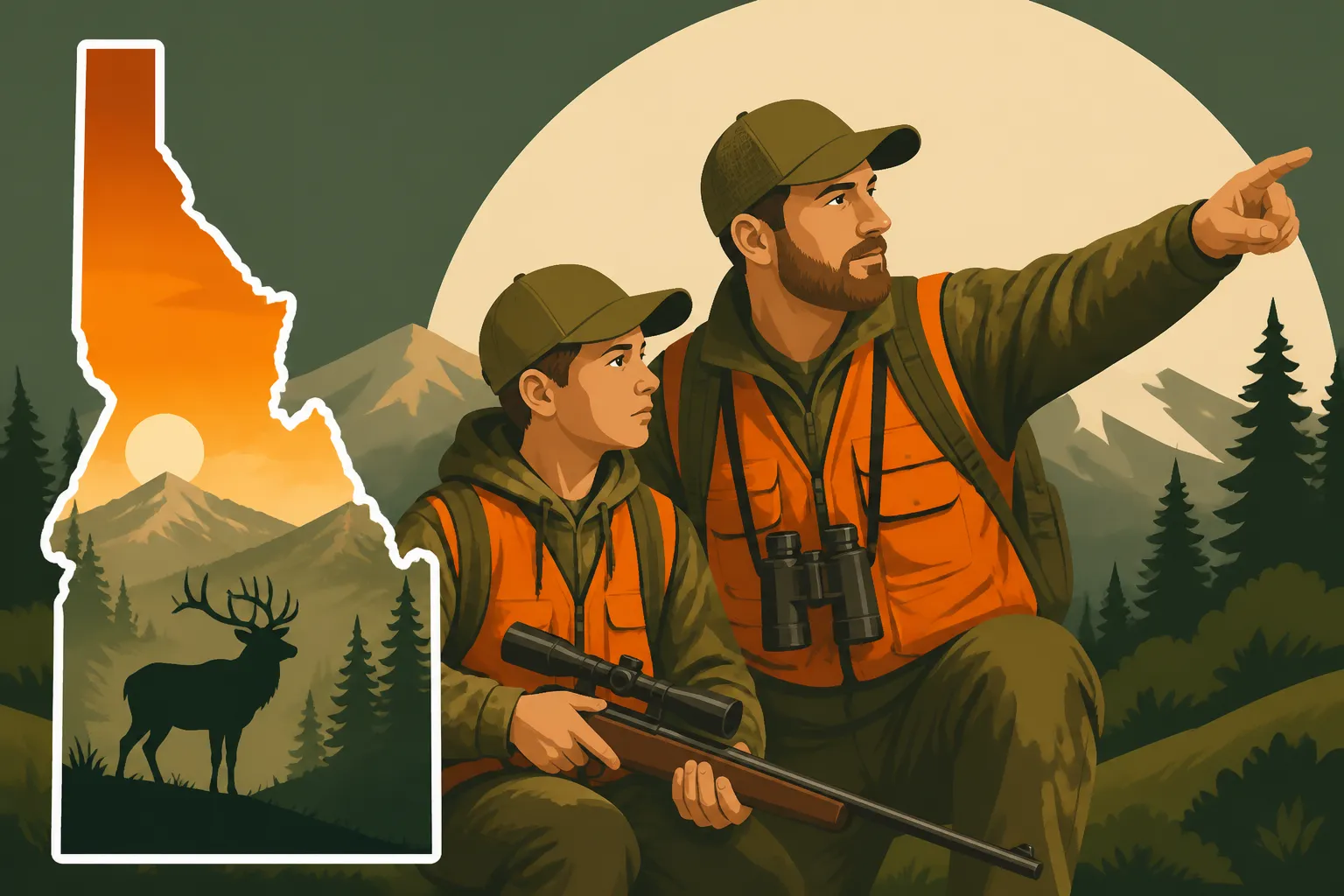
The hard and fast rule in Idaho is this: a hunting mentor must be at least 18 years old. There’s no gray area here. This isn't just an arbitrary number; it’s rooted in legal responsibility, maturity, and the expectation of a certain level of experience and judgment. When you agree to be a mentor, you're not just showing someone how to shoot; you're taking on the full legal and ethical burden for their conduct in the field.
Consider a hypothetical situation: imagine a 16-year-old, though perhaps an experienced hunter themselves, attempting to mentor a younger sibling. While they might be skilled with a rifle or bow, they typically lack the legal standing of an adult. If an incident were to occur – say, a safety violation or an accidental discharge – the legal ramifications would fall squarely on the adult who was supposed to be supervising. An 18-year-old is recognized as an adult in the eyes of the law, capable of entering contracts and being held accountable for their actions and, crucially, the actions of those under their direct supervision. This age ensures that the mentor is mature enough to make sound decisions under pressure, understand complex regulations, and uphold the highest standards of safety and ethics. It’s about more than just knowing how to hunt; it’s about knowing how to lead and protect.
What "Direct Supervision" Really Means
The term "direct supervision" is thrown around a lot in hunting regulations, and it's absolutely vital for mentors to understand what it truly entails. In Idaho, direct supervision means the mentor must be close enough to the mentored hunter to effectively communicate, instruct, and take immediate control of the firearm or archery equipment at all times. This isn't just being in the same general area; it means being literally by their side, actively engaged in the hunt, and ready to intervene instantly if necessary.
Picture this: you're hunting mule deer in a steep canyon. Your mentee, an excited 12-year-old, spots a buck across the draw. Direct supervision means you’re right there, assessing the shot angle, ensuring a safe backdrop, reminding them of muzzle control, and ready to physically stop them if they make an unsafe move or attempt a shot beyond their capability. It does not mean you're glassing from a ridge a quarter-mile away while they stalk on their own. It’s about constant, vigilant presence. This ensures that safety is paramount, and that every decision, every action taken by the mentee, is ultimately guided and approved by the responsible adult. It’s a hands-on approach that safeguards the mentee, the mentor, other hunters, and the reputation of hunting itself. This intensive level of supervision also extends to understanding specific rules, like how to properly field dress an animal or ensuring compliance with things like Idaho's Minimum Peak Draw Weight for Any Bow if archery hunting.
Who Can Be a Mentor and Their Responsibilities Beyond Age
While being 18 is the legal starting point for an Idaho hunting mentor, it's really just the tip of the iceberg. The role demands far more than just being old enough; it requires a deep commitment to safety, ethics, and the transfer of knowledge.
Certification and Experience Expectations
Idaho doesn't have a separate "mentor certification" class, but the expectation is that a mentor is, at minimum, a proficient and legally certified hunter themselves. This means if you were born after January 1, 1975, you must have successfully completed an approved hunter education course to purchase a hunting license in Idaho. So, while your mentee might be operating under a "passport" or mentored license, you, the mentor, need to be fully certified. This is covered under the rule that Anyone Born After 1974 Needs Idaho Hunter Education.
Beyond the formal certification, there's an unspoken but crucial expectation of experience. You wouldn't trust a new driver to teach someone else how to parallel park, right? The same principle applies here. A good mentor has spent years in the field, understands animal behavior, knows how to navigate different terrains, and has a solid grasp of not just the letter, but the spirit of hunting regulations. This seasoned experience allows them to anticipate challenges, teach nuanced skills, and provide realistic expectations for the hunt. It’s not just about knowing the rules, but understanding why they exist and how to apply them safely and ethically in real-world scenarios.
Legal and Ethical Obligations of a Mentor
The responsibility of an Idaho hunting mentor extends far beyond just the age requirement. When you take a new hunter into the field, you become their primary teacher of hunting ethics, safety protocols, and the myriad of regulations Idaho Fish and Game has put in place. This includes everything from proper firearm handling and muzzle control to understanding shot placement for a quick, ethical harvest. You are responsible for ensuring the mentee adheres to all state and federal hunting laws, which means you need to be intimately familiar with the current year's hunting regulations for your specific unit and species.
This also means understanding nuances like Using a Muzzleloader in Any-Weapon Season versus a muzzleloader-only hunt, or the difference between an A Tag and a B Tag. Furthermore, you're a steward of the land and wildlife. Teaching your mentee about fair chase principles, proper field dressing, meat care, and leaving no trace is just as important as teaching them how to shoot. Mentors play a pivotal role in shaping the next generation's conservation ethic. This comprehensive responsibility is why programs like The Idaho Hunting Passport Lets You Try Before You Certify emphasize direct supervision – the mentee is learning from your example every step of the way.
The Role of the Mentor in the Field
In practical terms, the mentor's role in the field is incredibly active. You’re not just supervising; you’re guiding, instructing, and making critical decisions constantly. This might involve:
- Spotting and identifying game: Helping the mentee learn to see animals in their natural habitat and correctly identify the species and legal sex/size.
- Assessing shot opportunities: Ensuring the mentee only attempts shots that are safe, ethical, and within their demonstrated shooting ability. This means knowing when to say "no" to a shot.
- Navigating terrain: Teaching navigation skills, how to move quietly and safely through various environments, and how to approach game.
- Understanding animal behavior: Explaining why an elk might be bedded in a certain spot, or why a mule deer is moving a particular way.
- Field dressing and game recovery: Guiding the mentee through the process of properly field dressing an animal and safely recovering it, even in challenging terrain.
- Regulation compliance: Ensuring all aspects of the hunt, from tagging to legal shooting hours, are strictly followed.
Many experienced mentors use digital tools like those offered by GoHunt to help with scouting and understanding unit boundaries before and during the hunt. These resources can be invaluable for pinpointing public land access, reviewing habitat types, and generally making sure you're both in the right place at the right time. A good mentor provides a running commentary, turning every moment into a learning opportunity, shaping not just a hunter, but a responsible outdoors person.
Mentoring Specific Age Groups and Species
While the 18-year-old minimum for a mentor is universal in Idaho, some additional rules and considerations come into play depending on the age of the mentee and the species being hunted. It's vital to be aware of these specifics to ensure a legal and safe experience.
Supervising Hunters Under Ten
Idaho makes a special distinction for very young hunters. If your mentee is under 10 years of age, the law dictates that they must be accompanied by an adult, and that adult must be within arm's length when the youth is hunting. This is an even more stringent requirement than general "direct supervision." The rationale is clear: children under ten often have shorter attention spans, less developed fine motor skills, and less experience with the serious nature of hunting.
This rule, explicitly detailed as Direct Supervision for Hunters Under Ten, ensures maximum safety. It means the mentor is literally close enough to physically intervene instantly if a dangerous situation arises, such as a dropped firearm, an accidental muzzle sweep, or a confused reaction. This isn't the time to be observing from a few yards back; it's about being tethered to their every move. For example, if you're stalking a squirrel, you'd be walking right beside your 8-year-old mentee, perhaps even with your hand on the gun stock, ready to guide their aiming or stop an unsafe movement. This close contact helps instill fundamental safety habits from the very beginning.
Minimum Age for Big Game and Cranes
While Idaho's mentored hunting program allows for quite young participants, there are specific age floors for certain, often more challenging, species. For instance, there's a Idaho's Minimum Age for Big Game and Cranes rule. A mentored hunter must be at least 10 years old to hunt big game animals like deer, elk, bear, or mountain lion. For Sandhill Cranes, the minimum age is also 10. For most other species, like upland birds or small game, there isn't a strict minimum age requirement, provided the mentee has a valid mentored license and is under direct supervision.
This distinction for big game and cranes acknowledges the greater physical demands, the use of more powerful firearms or bows, and the increased responsibility associated with pursuing these animals. Hunting an elk, for example, requires physical stamina, patience, and a mature understanding of shot placement that might be beyond a very young child. When preparing for one of these hunts, tools like GoHunt can be incredibly useful for researching unit-specific regulations and success rates, helping mentors choose appropriate areas and set realistic expectations for the mentee. Always double-check the current year's regulations for any updates to these age minimums.
How Many Mentored Hunters One Mentor May Take
This is another practical consideration for mentors. You might feel confident taking out a whole group of excited youngsters, but Idaho Fish and Game has clear limits to ensure adequate supervision and safety. A single mentor is permitted to supervise up to two mentored hunters at one time. This regulation, often cited as Idaho Mentors May Take Two Hunters at Once, is designed to maintain the quality of supervision.
Imagine trying to directly supervise three or four new hunters, all potentially at different skill levels and with varying attention spans, in a dynamic hunting environment. It would be incredibly challenging, if not impossible, to ensure everyone's safety and adherence to regulations. Limiting the ratio to two mentees per mentor allows for that crucial, hands-on, direct supervision we discussed earlier. It means you can keep both individuals within your immediate sphere of influence, provide personalized instruction, and quickly address any safety concerns or questions that arise. This ensures that the learning experience is effective and, most importantly, safe for everyone involved.
Practical Considerations for Aspiring Mentors in Idaho
Becoming a hunting mentor is an incredibly rewarding experience, but it also comes with a significant level of responsibility. To make the most of it, both for yourself and your mentee, a bit of thoughtful preparation goes a long way.
Preparing for a Mentored Hunt
Preparation is key to a successful and safe mentored hunt. It starts long before you even set foot in the field.
First, review the regulations thoroughly. Even if you're an experienced hunter, regulations can change year to year, and it’s critical to be up-to-date on everything from season dates and legal shooting hours to specific weapon restrictions. Platforms like GoHunt can be excellent for this, as they often provide concise summaries and mapping tools to help understand unit boundaries and specific rules that apply. Ensure you understand all the specifics regarding the mentored hunting license and tags for your mentee.
Next, discuss expectations with your mentee and their guardians. What kind of animal are you hoping to hunt? What are the chances of success? How physically demanding will the hunt be? Are there any medical considerations? Open communication beforehand prevents misunderstandings and ensures everyone is on the same page. Practice is also non-negotiable. Spend time at the range, not just shooting, but practicing safe firearm handling, loading, unloading, and target acquisition. For archery, ensure the mentee can comfortably and accurately shoot their bow. This pre-hunt practice builds confidence and reinforces safety fundamentals.
Finally, organize your gear. Ensure you have all necessary safety equipment, first-aid supplies, navigation tools, and appropriate clothing for the weather. Consider the physical capabilities of your mentee when planning pack weights and distances.
Choosing the Right Hunting Opportunity
Selecting the appropriate hunting opportunity for a new mentee is crucial for fostering a positive first experience. You want to set them up for success, not frustration or an overwhelming challenge.
- Start small and accessible: For a very first hunt, consider small game like rabbits or squirrels, or even upland birds in a controlled environment. These offer more action, teach fundamental shooting and tracking skills, and have less pressure than a big game hunt. When moving to big game, consider units with good success rates and relatively easier access. Avoid super steep, rugged backcountry units for a beginner.
- Focus on learning, not just harvesting: The goal of a mentored hunt, especially early on, isn't necessarily to punch a tag. It's about learning about wildlife, understanding the ecosystem, practicing ethical behavior, and enjoying the outdoors. Frame the hunt around these objectives.
- Consider "easier" species: While big game is exciting, perhaps start with deer rather than elk, as deer are often more abundant and less physically demanding to pursue. For example, if you’re planning a deer hunt, ensure you understand how Idaho's Motorized Hunting Rule Keeps You on the Road impacts access to specific areas, especially in units where getting off main roads might be tempting but illegal. Use your GoHunt maps to scout potential areas, identify public access points, and plan your approach with the mentee's capabilities in mind.
Maximizing the Learning Experience
A truly great mentor goes beyond the technical aspects of hunting. They create a holistic learning experience that instills a deep respect for nature and the hunting tradition.
- Teach observation skills: Encourage your mentee to pay attention to details – tracks, scat, rubs, broken branches, bird calls, and changes in terrain. These are the subtle clues that experienced hunters rely on.
- Explain wildlife biology and habitat: Help them understand why animals are in certain areas, what they eat, and how they behave. This fosters a deeper appreciation for the animals they pursue.
- Share conservation principles: Talk about the role of hunters in conservation, funding wildlife management, and the importance of habitat protection.
- Discuss ethics and decision-making: Use real-world scenarios to talk through ethical dilemmas, such as shot selection, retrieving wounded game, and interacting with other hunters.
- Embrace patience: Hunting is often a waiting game. Teach the value of patience, quiet observation, and persistence.
- Make it fun! Keep the atmosphere positive, celebrate small victories (like spotting a track or identifying a bird), and share stories. A positive first experience is the best way to ensure they come back for more.
Remember, the relationship built during a mentored hunt often lasts a lifetime, shaping not just a hunter, but a responsible citizen of the outdoors.
| Requirement/Role | Description |
|---|---|
| Minimum Age | Must be at least 18 years old. |
| Hunter Education | Must possess a valid hunter education certificate if born after January 1, 1975, or be exempt by age if born before. |
| Hunting License | Must possess a valid Idaho hunting license for the current season. |
| Direct Supervision | Must be close enough to communicate, instruct, and take immediate control of the firearm/archery equipment. For hunters under 10, must be within arm's length. |
| Mentee License/Tag | Ensure the mentored hunter has purchased the appropriate mentored hunting license and tags for the species and season. |
| Regulation Knowledge | Thoroughly understand and enforce all current Idaho hunting regulations for the species, unit, and weapon being used. |
| Safety Instructor | Actively teach and enforce all firearm/archery safety rules, including muzzle control, trigger discipline, target identification, and shot backdrop. |
| Ethical Guide | Instill principles of fair chase, respect for wildlife, responsible shot selection, proper game recovery, and leaving no trace. |
| Mentee Ratio | Can supervise a maximum of two mentored hunters at one time. |
| Species Age Minimums | Be aware of specific age minimums for certain species (e.g., 10 years old for big game and Sandhill Cranes). |
| Field Expertise | Provide practical instruction on tracking, animal behavior, navigation, field dressing, and basic outdoor survival skills. |
| Emotional Support | Create a positive, encouraging, and patient learning environment, prioritizing the mentee's experience over harvest success. |
Disclaimer
Please remember that hunting regulations can change. While this guide provides a comprehensive overview based on current Idaho Fish and Game rules, it is always your responsibility to consult the official Idaho Fish and Game hunting regulations for the current season before planning or undertaking any hunting activity.