How Many Mentored Hunters One Mentor May Take
Bringing new hunters into the fold is one of the most rewarding experiences we can have in the outdoors, but navigating the specific regulations around mentored hunts in Idaho can sometimes feel a bit like reading ancient scrolls. It’s easy to get confused about the rules, especially when you're trying to figure out just how many aspiring hunters you can responsibly supervise at one time. This guide is here to untangle the specifics of Idaho's mentor program, ensuring you understand exactly how many mentored hunters one licensed mentor may take afield for both big game and small game, so you can focus on sharing your passion safely and legally.
Understanding Idaho’s Mentored Hunting Program
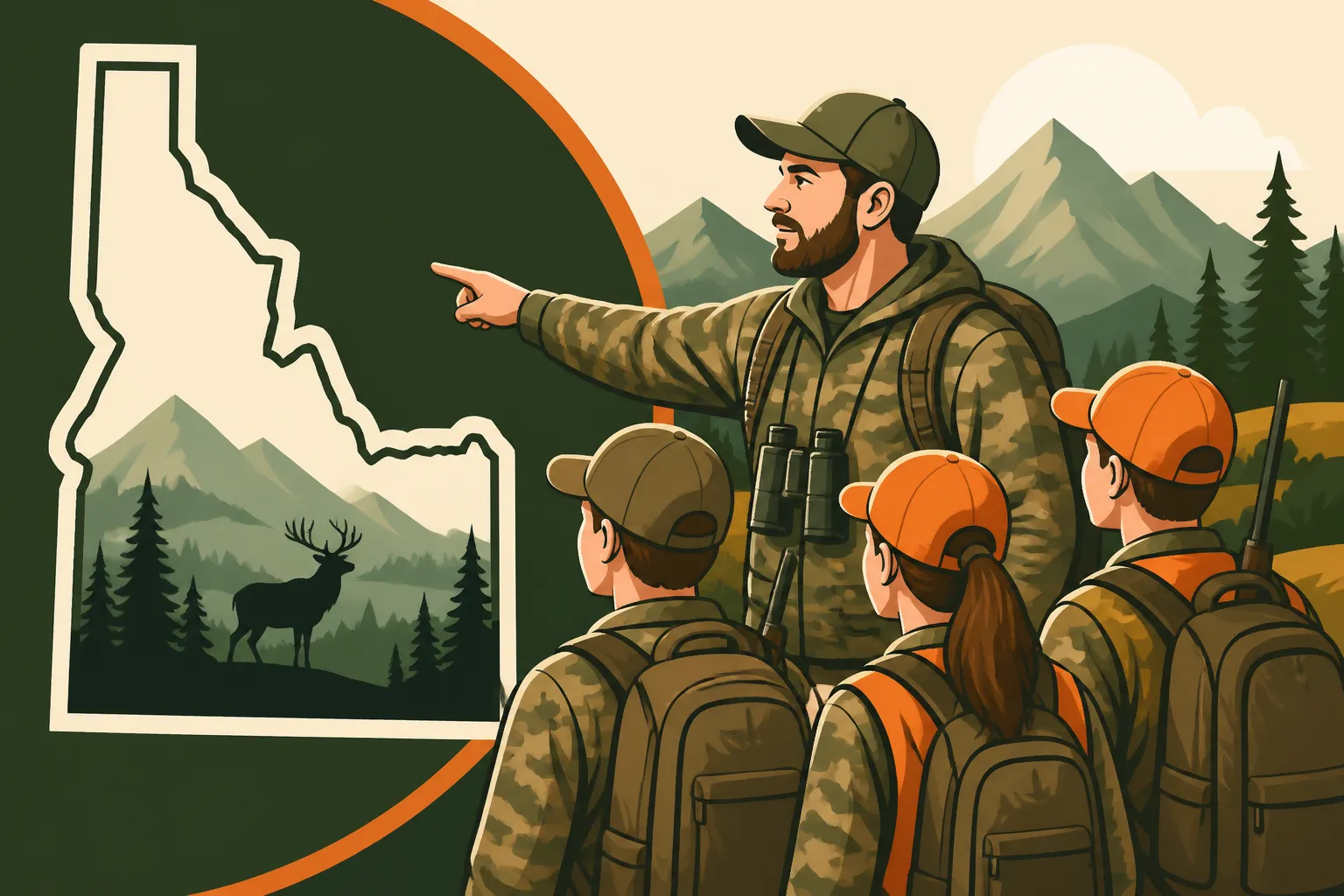
Idaho's Mentored Hunting Program is a fantastic pathway for newcomers, especially younger folks, to experience hunting firsthand without immediately needing full hunter education certification. It's designed to provide a safe, supervised introduction to hunting, allowing seasoned hunters to pass down their knowledge and love for the outdoors. The state recognizes the importance of this apprenticeship model, understanding that some of the best lessons are learned side-by-side with an experienced hand.
Who Can Be a Mentor and Mentored Hunter
Becoming an Idaho mentor isn't overly complicated, but it does come with specific requirements. Essentially, any properly licensed adult hunter (18 years or older) can serve as a mentor, as long as they hold the necessary tags and validations for the species being hunted. This person needs to be confident in their hunting skills, understand Idaho’s hunting regulations inside and out, and be capable of providing direct and immediate supervision. They are, after all, the primary teacher and safety officer in the field.
On the flip side, a mentored hunter is someone who has not yet completed a hunter education course or, if they have, they might be under a certain age where direct supervision is still mandatory. This program is particularly beneficial for those who are just starting out, giving them a taste of hunting before they commit to the full hunter education certification process. For instance, children who are still too young for traditional hunter education courses can often participate through the mentored program, opening up opportunities they might otherwise miss. It's worth remembering that "The Idaho Hunting Passport and Who Qualifies" is a key component of this, providing a path for those not yet certified.
The Role of Direct Supervision
The concept of "direct supervision" is absolutely paramount in Idaho's mentored hunting program, and it's a detail that many people tend to gloss over, often leading to misunderstandings. It's not enough to simply be in the same general area; direct supervision means the mentor must be close enough to the mentored hunter to provide immediate, hands-on assistance and instruction. We're talking about being within normal speaking distance, able to physically take control of the firearm or bow if necessary, and able to clearly see and communicate with the mentored hunter at all times.
This isn't just a suggestion; it's a legal requirement designed to ensure safety. Imagine a new hunter, heart pounding, trying to make a shot on their first elk. The mentor needs to be right there to confirm the target, assist with shot placement, ensure proper firearm handling, and be ready to step in if anything goes awry. This close proximity is critical for teaching responsible hunting ethics, safe firearm or bow handling, and ethical shot selection. It's also how you maintain control over the situation, especially when dealing with the excitement and unpredictability of hunting live animals. For younger participants, particularly those under ten, "Direct Supervision for Hunters Under Ten" often means being even closer, essentially within arm's reach.
How Many Mentored Hunters One Mentor May Take
This is the golden question, and Idaho's regulations are quite specific, distinguishing between different types of game to maintain safety and ethical standards. It’s not a one-size-fits-all answer, so paying close attention to the details here is crucial. Many hunters initially assume they can bring a small group, but the rules are much more conservative for a reason.
Big Game Mentoring Ratios
For big game hunting in Idaho—and we're talking about species like deer, elk, bear, and pronghorn—the rules are very clear: one licensed mentor may only supervise one mentored hunter at a time. This 1:1 ratio is a non-negotiable safety measure. The sheer size and power of big game animals, combined with the potential for complex tracking and recovery, demand the mentor's undivided attention.
Think about it: when you're pursuing a deer or an elk, situations can escalate quickly. You might be in dense timber, on steep terrain, or dealing with rapidly changing weather. Having only one mentee allows the mentor to completely focus on that individual's safety, ethical decision-making, and proper execution of the hunt. It means being able to monitor their body language, provide whispered instructions, and intervene instantly if a dangerous situation arises, whether it's an unsafe shot angle or a misstep in challenging terrain. This strict ratio ensures that the mentored hunt remains as safe and instructional as possible, giving the new hunter the best chance to learn properly without unnecessary risks.
Small Game and Upland Bird Ratios
When it comes to small game and upland bird hunting, Idaho offers a bit more flexibility, acknowledging the different risk factors and dynamics involved. For these pursuits—think rabbits, squirrels, pheasants, quail, and grouse—one licensed mentor may supervise up to two mentored hunters. This 1:2 ratio is still quite conservative, but it allows for a slightly larger group experience, which can be fantastic for fostering camaraderie among younger hunters or friends.
While the pace and intensity of small game hunting might differ from big game, the need for vigilance remains. The mentor still needs to maintain direct supervision over both mentored hunters, ensuring they are handling firearms safely, identifying targets correctly, and following all hunting regulations. This often means staying within visual and verbal contact, especially when walking through cover or crossing fences. It's an excellent way to introduce multiple new hunters to the joy of working with a bird dog, understanding flush points, and appreciating the rapid action of upland hunting, but it still places a significant responsibility on the mentor to manage multiple individuals concurrently. A great tool like GoHunt can help you scout public land for "Chukar, Grouse and Idaho's Upland Country" which are perfect for small game mentored hunts.
Table: Idaho Mentored Hunting Ratios at a Glance
To make it even clearer, here's a quick reference table for Idaho's mentor-to-hunter ratios:
| Game Type | Mentor-to-Hunter Ratio | Specific Conditions |
|---|---|---|
| Big Game | 1 Mentor : 1 Hunter | Deer, Elk, Bear, Pronghorn, Moose, Bighorn Sheep, Goat |
| Small Game/Upland | 1 Mentor : 2 Hunters | Rabbits, Squirrels, Pheasants, Quail, Grouse, Waterfowl |
| Predators/Furbearers | 1 Mentor : 1 Hunter | Coyote, Fox, Bobcat (if included in general hunting license) |
Note: Always consult the current Idaho Fish and Game regulations for the most up-to-date and specific rules for each species and season.
Responsibilities and Requirements of an Idaho Mentor
Being a mentor is more than just being physically present; it's a significant role that carries a great deal of responsibility, both legally and ethically. Idaho relies on mentors to be excellent examples and thorough instructors, ensuring that new hunters develop into safe, knowledgeable, and respectful participants in the hunting community. It's a privilege, not just a permission slip.
Legal Obligations of the Mentor
The legal framework around mentored hunting puts the onus squarely on the mentor. As the supervising adult, you are legally accountable for the actions of your mentored hunter(s). This means:
- Possession of Licenses and Tags: Both you and your mentored hunter must possess the appropriate licenses and tags for the species being hunted. The mentored hunter will need an Idaho Hunting Passport or, if eligible, a regular hunting license with any necessary validations. You, as the mentor, must also hold a valid Idaho hunting license and any species-specific tags. Don't forget, "Idaho's Minimum Age for Big Game and Cranes" applies to mentored hunters as well, so always check age restrictions for specific species.
- Compliance with All Regulations: You are responsible for ensuring your mentee adheres to all Idaho Fish and Game rules. This includes shooting hours ("Idaho Legal Shooting Hours for Big Game"), bag limits, weapon restrictions, and motorized vehicle rules ("Idaho's Motorized Hunting Rule Keeps You on the Road"). If your mentored hunter breaks a rule, the mentor can be held liable, so constant vigilance is not just a suggestion, it's a legal necessity. Using a tool like GoHunt's map layers can help you avoid unintended violations by knowing unit boundaries and restrictions.
- Safety First: This is non-negotiable. The mentor must ensure the safe handling of firearms or bows, safe shooting practices, and proper field behavior at all times. This includes teaching muzzle control, understanding zones of fire, and ensuring all safety mechanisms are engaged when not actively shooting.
Ethical and Educational Responsibilities
Beyond the letter of the law, a mentor carries a profound ethical and educational responsibility. You're not just guiding a hunt; you're shaping a future hunter. This means:
- Teaching Beyond the Shot: It's vital to teach about wildlife identification, habitat, conservation ethics, and the importance of fair chase. Explain why certain regulations exist, the role of Fish and Game, and how hunting contributes to wildlife management. Show them how to read the landscape, interpret animal sign, and understand the nuances of the ecosystem.
- Patience and Positive Reinforcement: New hunters will make mistakes and face frustrations. Your role is to be patient, encouraging, and constructive. Celebrate small victories, debrief on missed opportunities, and always maintain a positive attitude. A negative first experience can deter someone from ever hunting again.
- Field Dressing and Game Care: Don't just make the shot; teach the entire process. Show them how to field dress an animal ethically and efficiently, preserve the meat, and transport it properly. This is a critical part of respecting the animal and utilizing the harvest.
- Responsible Land Use: Emphasize Leave No Trace principles, respect for private property, and good stewardship of public lands. Show them how to navigate quietly and respectfully, leaving the area better than you found it. Many hunters use platforms like GoHunt to scout public lands and understand boundaries, which can be a great teaching tool for responsible land use. Remember, "E-Scouting an Idaho Unit Before the Season" is a great way to plan and prepare responsibly.
Benefits and Best Practices for Mentored Hunts
The Idaho Mentored Hunting Program isn't just a loophole for skipping hunter education (though "Anyone Born After 1974 Needs Idaho Hunter Education" is a regulation that makes the passport program particularly useful). It's a foundational opportunity to build confidence, skill, and a deep appreciation for the outdoors in new participants. Making the most of this experience benefits everyone involved.
Building Confidence and Skills
One of the greatest advantages of a mentored hunt is the personalized, real-time instruction it provides. Unlike a classroom setting, a mentored hunt allows for immediate application of knowledge and hands-on learning.
- Real-World Scenarios: New hunters get to practice shooting from various positions, understand wind direction, and learn to make ethical shot choices in dynamic field conditions. These are skills that are difficult to teach from a book.
- Decision-Making Practice: A mentor can talk through the decision-making process for stalks, shot opportunities, and post-shot procedures, helping the mentee understand the complexities of a hunt. This direct experience builds crucial confidence that a new hunter needs to become self-reliant.
- Overcoming Challenges: Hunting often involves physical exertion, mental fortitude, and dealing with unpredictable elements. A mentor can guide a new hunter through these challenges, offering support and sharing strategies for success, whether it's navigating difficult terrain or coping with adverse weather. This is especially true for the "Physical Conditioning for Idaho Backcountry" which is often a surprise to new hunters.
Fostering a Lifelong Passion for Hunting
The mentor program is truly about legacy. It’s how we ensure the future of hunting and conservation. By taking someone under your wing, you're not just teaching them how to pull a trigger; you're sharing a way of life.
- Shared Experiences: The memories made on a mentored hunt, whether successful or not, are often profound. These shared experiences create bonds and instill a deep connection to nature that can last a lifetime.
- Conservation Ethic: Through direct example, mentors can instill a strong conservation ethic, teaching that hunting is a privilege tied to responsibility. This includes understanding wildlife management, supporting organizations like Idaho Fish and Game, and becoming advocates for healthy habitats.
- Responsible Hunting Community: By guiding new hunters to become ethical, knowledgeable, and respectful outdoorsmen and women, mentors contribute directly to a positive perception of hunting within society. This is vital for the continued public support and health of our hunting traditions. Before heading out, taking a look at "Reading an Idaho Harvest Statistics Report" can be a great way to start conversations about game management with your mentee.
Ultimately, Idaho's mentored hunting program, with its carefully considered mentor-to-hunter ratios, provides an invaluable bridge for new participants. It emphasizes safety, responsibility, and education, ensuring that the rich tradition of hunting continues to thrive in the Gem State, passed down from one generation to the next.
Disclaimer
The information provided in this guide is for general informational purposes only and is not intended as legal advice. Hunting regulations can change frequently. Always consult the official Idaho Fish and Game regulations specific to the current year and hunt unit before planning any hunting activities.