Idaho’s Minimum Age for Big Game and Cranes
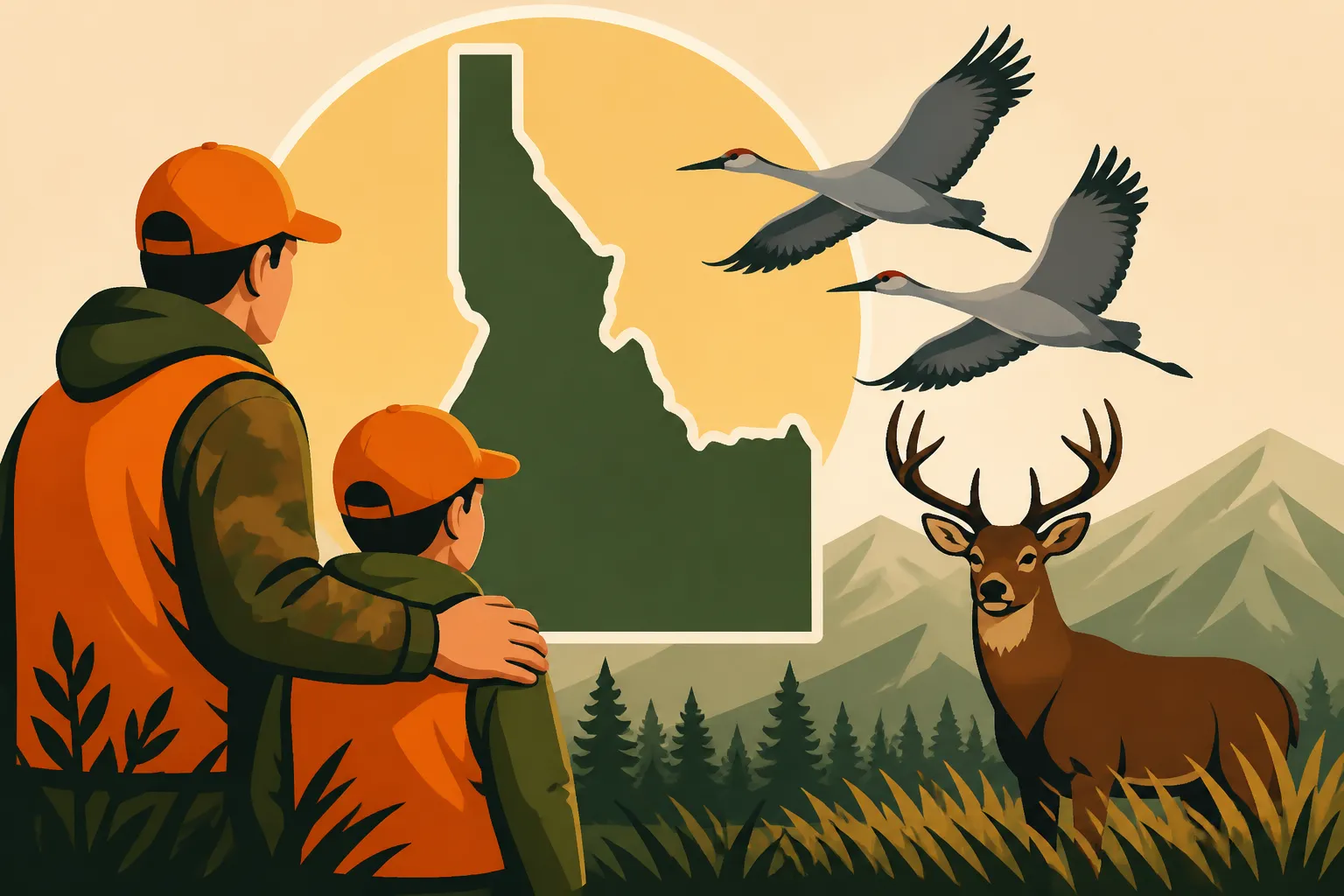
Young hunters in Idaho often face a bewildering array of rules regarding minimum age requirements for different species, leaving parents and mentors scratching their heads. It’s crucial to understand these regulations to ensure a legal and safe experience in the field. This comprehensive guide will break down Idaho's specific age limits for big game and sandhill cranes, clarifying the requirements for aspiring young hunters and their adult companions.
Minimum Age Requirements for Big Game
Navigating the age requirements for big game in Idaho can feel a bit like piecing together a puzzle, especially when planning a child's first hunt. The state sets clear, non-negotiable age floors that are essential for every parent and mentor to understand before heading into the field. These rules are designed to balance the excitement of introducing youth to hunting with the critical need for safety, ethical conduct, and species conservation.
Deer and Elk Basics
In Idaho, the path to hunting big game like deer and elk is pretty straightforward for youngsters, but there's a clear age floor you need to be aware of. To purchase a hunting license and tag for deer or elk, a person must be at least 10 years old. This isn't just a suggestion; it's a hard and fast rule set by the Idaho Department of Fish and Game. If your child is nine, no matter how skilled or enthusiastic they might be, they simply aren't eligible to pull a big game tag for themselves. This age limit reflects a balance between fostering early participation in hunting and ensuring a certain level of physical and emotional maturity for handling firearms or bows in challenging outdoor conditions. It also aligns with safety standards, recognizing that younger children might struggle with the weight of a rifle, the strength needed to draw a bow, or the patience required for a long stalk.
However, just because they can buy a tag at 10 doesn't mean they're ready to head out unsupervised. Even at this age, these young hunters must be under the direct supervision of an adult mentor when afield. This isn't just about safety; it's about passing on knowledge, ethics, and the practical skills of hunting. The mentor ensures that the young hunter understands game identification, shot placement, and responsible field behavior, building a foundation for a lifetime of ethical hunting. Many parents use resources like the Idaho Hunt Planner to scout suitable, accessible areas for these formative hunts, looking for terrain that isn't overly demanding for a young person.
The emphasis here is on responsible introduction. Idaho's regulations don't just say "10 years old"; they imply a commitment from the supervising adult to teach and guide. This is why discussions around Idaho's Minimum Age for Big Game and Cranes are so important—it's not just about the number, but the context surrounding it. Think of it as an apprenticeship. A 10-year-old might be legally able to hunt deer or elk, but their success and safety depend heavily on the mentorship they receive. GoHunt's detailed maps often highlight public land access and potential game corridors that can be less strenuous for a new, young hunter to navigate, making that first experience more enjoyable and successful.
Moose, Sheep, and Goat Specifics
When it comes to the more coveted and challenging big game species in Idaho—like moose, bighorn sheep, and mountain goat—the minimum age requirement remains the same: 10 years old. This consistency simplifies things slightly, meaning that if a youth is old enough for deer or elk, they are also technically old enough to apply for or draw a tag for these trophy species. However, the practical reality of hunting moose, sheep, or goats is vastly different. These hunts often involve extreme physical exertion, navigating rugged, high-altitude terrain, and extended periods in remote wilderness.
While a 10-year-old might be legally allowed, few possess the physical stamina, mental fortitude, or shooting proficiency required for a successful and ethical hunt for these animals. These hunts are generally sought after by seasoned adult hunters, often requiring years of applying for controlled hunt tags and extensive physical preparation. The odds of drawing an Idaho Moose Controlled Hunt Draw Odds Explained or a Idaho Bighorn Sheep Draw Odds Explained tag are notoriously low, making every opportunity precious. It would be a rare and exceptionally gifted young hunter who could realistically participate in such an endeavor effectively.
Therefore, while the minimum age is 10, the recommended age for pursuing moose, sheep, or goats is significantly higher, often well into the teenage years or even early adulthood, once a hunter has developed considerable experience with deer and elk and has built up the necessary physical endurance. Parents or mentors considering these hunts for a youth should honestly assess the child's physical capabilities, commitment, and true understanding of the demanding nature of such an undertaking. It's about setting them up for success and enjoyment, not just meeting a legal threshold. For these challenging hunts, services like GoHunt offer detailed terrain analysis that can help you understand the physical demands of different units before applying.
The Rationale Behind Age Limits
Idaho's establishment of a minimum age of 10 for big game hunting isn't arbitrary; it's rooted in a blend of safety, ethical considerations, and developmental understanding. From a safety perspective, handling a firearm or archery equipment responsibly demands a certain level of physical strength, coordination, and judgment. Younger children might struggle with the recoil of a rifle, the sustained hold of a bow, or the cognitive ability to make quick, ethical decisions in a high-pressure hunting scenario, such as identifying a safe backdrop or confirming a legal animal. The regulations aim to prevent situations where a child is physically overwhelmed or mentally unprepared, potentially leading to accidents or unethical shots.
Ethical hunting also plays a significant role. Teaching respect for wildlife, understanding fair chase principles, and promoting conservation are integral parts of a hunter's education. A 10-year-old is generally at an age where they can begin to grasp these complex concepts, internalize them, and apply them in the field. This foundation is crucial for developing into a responsible adult hunter. The minimum age allows for adequate time to undergo hunter education and develop the necessary skills and mindset. This often goes hand-in-hand with programs like The Idaho Hunting Passport Lets You Try Before You Certify, which offers a supervised introduction to hunting before formal certification.
Moreover, these age limits contribute to wildlife management efforts by ensuring that participants have at least a baseline understanding of hunting regulations and species identification. It's about controlling harvest responsibly while nurturing the next generation of conservationists. The minimum age serves as a gateway, signifying a point where a young person is deemed capable of beginning their journey into hunting with the necessary supervision and education. It's a system designed to protect both the hunter and the hunted.
Special Rules for Sandhill Cranes
Sometimes, hunting regulations can throw a curveball, and the rules surrounding sandhill cranes in Idaho are a perfect example. While many species share similar age requirements, these majestic birds have their own unique set of mandates that every aspiring youth crane hunter and their mentor needs to be aware of.
Why Cranes Have a Different Minimum Age
Here's where things get a little nuanced and often catch people by surprise. Unlike big game, which has a minimum age of 10, hunting sandhill cranes in Idaho requires hunters to be at least 12 years old. This two-year difference isn't a mistake; it's a specific regulatory decision based on a few key factors unique to sandhill crane management and hunting. Sandhill cranes are a migratory bird species, and their management falls under both state and federal guidelines, often involving more complex permit systems and a stricter focus on species-specific conservation. The hunting of these magnificent birds is tightly controlled, with limited tags available through a lottery system in designated hunt areas.
The 12-year-old age minimum reflects a perception that the specific demands of crane hunting—which often involve specialized calling, decoy setups, and precision shooting at flying birds—require a slightly higher level of maturity, discipline, and shooting skill. It's not the same as still-hunting for deer or sitting in a blind for ducks. Additionally, the conservation status of sandhill cranes, while generally stable, necessitates careful management of harvest numbers to ensure healthy populations. A higher age floor may be seen as a way to ensure that hunters pursuing these birds are more experienced and less likely to make errors that could lead to wasted birds or accidental over-harvest.
This distinction highlights how Idaho Fish and Game tailors its regulations to the specific characteristics of each species and hunting method. It's not a one-size-fits-all approach. For example, while a 10-year-old can pursue big game, they'll have to wait two more years before they can even apply for a sandhill crane permit. This shows a thoughtful, if sometimes confusing, approach to balancing hunting opportunity with conservation responsibilities.
Permit Requirements for Cranes
Beyond the age requirement, hunting sandhill cranes in Idaho involves a specific permit system that sets it apart from general big game hunting. It's not enough to simply have a general hunting license; you must apply for and draw a special controlled hunt permit for sandhill cranes. These permits are extremely limited and are allocated through a lottery system for specific hunt areas, often tied to a short season window. The application process typically occurs earlier in the year, well in advance of the fall hunting season, and requires careful attention to deadlines. GoHunt's platform is excellent for tracking these controlled hunt deadlines and drawing odds, which is critical for planning.
This controlled hunt structure means that even if your young hunter is 12 or older, there's no guarantee they'll get a permit. They enter the same draw pool as adult hunters, and success rates can be quite low due to high demand. This introduces an element of patience and persistence that is inherent in many western hunting opportunities. Hunters must pay an application fee, and if successful, purchase the permit itself, on top of their general Idaho hunting license. The specific hunting units and bag limits are also strictly defined on the permit, leaving little room for error or misunderstanding.
Successfully drawing a sandhill crane permit is a big deal, and it comes with responsibilities. Hunters are often required to report their harvest, providing valuable data for population management. This permit system underscores the value placed on these birds and the state's commitment to sustainable hunting practices. For those interested in this unique pursuit, understanding Sandhill Crane Permits in Idaho is absolutely essential, starting with the application process and moving through the harvest reporting requirements.
Conservation and Management Factors
The stricter age limit and permit system for sandhill cranes are directly linked to broader conservation and management strategies. Sandhill crane populations, while robust in many areas, are carefully monitored by both state and federal agencies due to their migratory nature and cultural significance. The U.S. Fish and Wildlife Service, in cooperation with state agencies like Idaho Fish and Game, establishes frameworks for migratory bird hunting, including species-specific harvest quotas and season lengths. This ensures that hunting remains sustainable and does not negatively impact overall population health.
Idaho's regulations, therefore, are part of a larger, interconnected management plan. By limiting permits and setting a higher minimum age, the state contributes to this careful stewardship. This approach allows biologists to gather critical data on harvest numbers, population demographics, and migration patterns, which then inform future hunting seasons. It’s a delicate balance of providing hunting opportunities while fulfilling conservation mandates. The requirement for a specific permit also allows Idaho Fish and Game to track hunter participation and success more closely, providing accurate figures for federal reporting and internal planning.
For young hunters, understanding this conservation context is a vital part of their education. It teaches them that hunting isn't just about the act of harvesting; it's about being an active participant in wildlife management and ensuring these species thrive for future generations. When you teach a child about the controlled hunt system for cranes, you're also teaching them about the biological and political complexities of modern wildlife conservation.
Understanding Mentored Hunting Requirements
Idaho's mentored hunting program is a fantastic bridge for aspiring young hunters, allowing them to immerse themselves in the hunting experience under the wing of an experienced adult. This program is specifically designed to make entry into hunting more accessible while ensuring safety and ethical practices are upheld from day one.
Eligibility for Mentored Hunts
Idaho’s mentored hunting program is a fantastic pathway for young people to gain hands-on experience in the field under direct, knowledgeable supervision, even before they complete a full hunter education course. This program is specifically designed to introduce newcomers, especially youth, to hunting in a safe and controlled environment. To participate as a mentored hunter, a person must meet the minimum age requirements for the species they are pursuing (10 for big game, 12 for cranes, and specific ages for other game like upland birds and turkey, which often have lower age floors). The key here is that they do not need to have completed Idaho Hunter Education before participating in a mentored hunt. This is a critical distinction that makes hunting accessible earlier.
This flexibility allows parents and guardians to introduce hunting to their children at an appropriate developmental stage, fostering an early connection to the outdoors and the traditions of hunting. The mentored hunter must possess the required hunting license and species tags, just like any other hunter, but their ability to hunt without prior certification is contingent on being properly mentored. It's a trust-based system where the state empowers experienced hunters to pass on their knowledge and values. This is often leveraged through programs like The Idaho Hunting Passport and Who Qualifies, which provides a temporary certificate specifically for mentored hunting.
The program aims to remove barriers to entry while maintaining safety and ethical standards. It acknowledges that the best way to learn to hunt is often directly from an experienced individual in the field. This immersive learning experience can be far more effective than classroom instruction alone for developing practical skills and fieldcraft. It's about getting boots on the ground, learning to read sign, track, call, and understand animal behavior firsthand, all under a watchful eye.
Mentor Responsibilities and Supervision
Being a mentor in Idaho’s hunting program is a significant responsibility, not just a casual outing. The Idaho Fish and Game outlines specific requirements for mentors, ensuring that the supervised experience is safe, ethical, and educational. First and foremost, a mentor must be at least 18 years old and hold a valid Idaho hunting license for the current year. They must also have successfully completed an approved hunter education course, or have held a hunting license in Idaho or another state prior to January 1, 1975, which generally exempts them from current education requirements. This ensures the mentor possesses the fundamental knowledge and experience to guide a novice.
The most critical aspect of the mentor's role is direct supervision. This means the mentor must be close enough to the mentored hunter to provide immediate instruction and to ensure compliance with all hunting laws and regulations. The exact distance isn't defined as a strict number of feet, but rather implied as "within normal unaided vocal communication and control." This means they need to be able to see, hear, and direct the mentored hunter at all times. They must also accompany the mentored hunter when they are physically pursuing game. Additionally, the mentor is ultimately responsible for ensuring the mentored hunter acts safely and legally, including proper shot placement and animal identification. A mentor may also supervise no more than two mentored hunters at one time. This specific rule, detailed in topics like How Many Mentored Hunters One Mentor May Take, ensures adequate supervision for each participant.
This relationship is a cornerstone of Idaho's approach to hunter recruitment and retention. It's about fostering a new generation of hunters by placing them in the hands of experienced, responsible individuals. The mentor isn't just a chaperone; they are a teacher, a guide, and a role model, instilling a deep respect for wildlife, the environment, and the traditions of hunting. GoHunt's resources can even help mentors find suitable terrain for teaching various hunting skills, from tracking to glassing, without overwhelming a new hunter.
The Role of a Hunting Passport
For hunters who are participating in a mentored hunt and haven't yet completed their full hunter education certification, the Idaho Hunting Passport plays a vital role. This passport essentially serves as a temporary, alternative certification that allows them to legally hunt big game, upland birds, and other species under the direct supervision of an eligible mentor. It's an introductory step, designed to get people into the field and experience hunting firsthand, which can be a powerful motivator to complete the full hunter education course later.
The Hunting Passport is typically valid for one year, and a person may only acquire one in their lifetime. This "one-time use" aspect emphasizes its purpose as a provisional program, not a permanent bypass of hunter education. It provides that initial taste of hunting without the immediate commitment of a full course, making it easier for new participants to try out the activity. The rules around How Long an Idaho Hunting Passport Lasts reinforce its temporary nature. To obtain a Hunting Passport, the individual generally needs to be at least 8 years old for most game birds and small game, and 10 for big game, aligning with the minimum age requirements for purchasing licenses and tags for those species.
This program is a testament to Idaho's commitment to recruiting new hunters and ensuring the future of hunting and conservation. By providing an accessible entry point, it allows potential hunters to discover their passion for the outdoors before fully committing to the educational requirements. It’s a smart way to bridge the gap between interest and full participation, ensuring that the legacy of hunting continues to thrive in the Gem State. After a successful mentored hunt with a passport, the next step is often to complete the full hunter education course to gain unsupervised hunting privileges.
The Importance of Hunter Education
Beyond age limits, hunter education forms the bedrock of safe and ethical hunting in Idaho. It's not just a bureaucratic hurdle but a vital learning experience that equips hunters with the knowledge and skills necessary to be responsible stewards of wildlife and the outdoors.
Who Needs Hunter Education
In Idaho, hunter education is a mandatory rite of passage for almost everyone who wants to hunt unsupervised. The rule is pretty clear: if you were born on or after January 1, 1975, you must complete an approved hunter education course before you can purchase an adult hunting license and hunt without direct supervision. This applies whether you're a resident of Idaho or a non-resident. If you're planning a trip to Idaho and fit this birthdate criterion, you'll need to show proof of hunter education completion from Idaho or any other state (or even a Canadian province) that has a certified program. This is a foundational requirement, ensuring that anyone operating independently in the field has a baseline understanding of safety, ethics, and regulations. Topics like Anyone Born After 1974 Needs Idaho Hunter Education dive into these requirements specifically.
Now, there are a few exceptions. As mentioned, if you were born before January 1, 1975, you're generally exempt from the hunter education requirement, largely because many states didn't have widespread mandatory hunter education programs before that time. Also, those participating in the Mentored Hunting Program, while they need a Hunting Passport, don't need the full certification during their mentored hunt, provided they are under direct supervision. However, if they want to hunt independently in subsequent years, they will indeed need to complete the course. This clear demarcation ensures that all new generations of hunters are properly prepared, fostering a safer hunting environment for everyone.
The rationale is straightforward: hunter education drastically reduces hunting accidents and promotes ethical conduct. It covers firearm safety, archery safety, wildlife identification, basic survival skills, first aid, conservation principles, and understanding hunting laws. It’s not just about passing a test; it’s about absorbing crucial information that can literally save lives and protect wildlife.
Benefits of Early Education
Starting hunter education at a younger age, even if a child isn't immediately going to hunt big game, offers a myriad of benefits that extend far beyond simply checking a box for legal compliance. When children learn the principles of firearm safety, wildlife identification, and ethical hunting early, these concepts become deeply ingrained, fostering a lifelong respect for the outdoors. It builds a strong foundation before bad habits can develop. Instead of seeing a rifle as just a toy, they learn to view it as a serious tool that demands respect and proper handling. This early exposure can instill a sense of responsibility and discipline that is valuable in many aspects of life, not just hunting.
Furthermore, early hunter education often comes with a higher retention rate for the information. Children's minds are incredibly absorbent, and learning about wildlife biology, tracking, and conservation can spark a deep interest in natural sciences and environmental stewardship. It transforms hunting from a simple recreational activity into a holistic experience tied to ecological understanding. Many courses provide hands-on experiences, such as range time or field days, which are particularly impactful for young learners. The process of learning, studying, and passing the course also teaches them about goal setting and achievement.
By completing hunter education at 10 or 12, a young hunter is immediately eligible to hunt unsupervised once they turn 18 (or earlier if they participate in a youth-only season with appropriate tags). They won't face the scramble of needing to take the course right before a desired hunt later in life. This proactive approach ensures they are prepared for any hunting opportunity that arises. This preparation can also make them more confident in the field and more likely to make sound decisions. The benefits ripple through their entire hunting career and often beyond.
Proof of Certification
Carrying proof of your hunter education certification is absolutely non-negotiable when you're out in the Idaho wilds, especially if you were born after January 1, 1975. Just like you wouldn't leave home without your driver's license, you shouldn't go hunting without documented proof that you've completed your hunter education. This proof can come in several forms, such as a physical hunter education card issued by Idaho Fish and Game, a certification card from another state or province, or often, the information printed directly on your Idaho hunting license itself. The key is that it must be readily available for inspection by any Idaho Fish and Game conservation officer. Losing your card can be a real headache, and understanding Replacing a Hunter Education Card You Lost can save a lot of stress.
The consequences of not being able to produce proof of certification can be severe. You could face fines, have your hunting privileges revoked, and even have your equipment confiscated. It's not worth the risk. Officers regularly check licenses and certifications in the field to ensure compliance and public safety. This strict enforcement underscores the importance the state places on proper training and ethical behavior. While many hunters rely on digital copies of their licenses now, it's always wise to have a physical copy or be absolutely certain your digital record is easily accessible, even in areas with no cell service.
Ensuring your young hunter understands this necessity from their very first hunt is a critical lesson. It teaches them accountability and respect for the law. It’s part of being a responsible hunter. Before heading out, double-check that both you and your young companion have all necessary licenses, tags, and proof of hunter education (or a valid Hunting Passport) securely with you. A little preparation goes a long way in avoiding legal trouble and ensuring an enjoyable, compliant hunting experience.
Exceptions and Special Considerations
While Idaho's minimum age and hunter education rules provide a clear framework, there are always unique situations and opportunities to consider. Understanding these exceptions and special considerations can significantly enhance the planning and execution of a youth hunting adventure in the Gem State.
Youth-Specific Seasons and Opportunities
Idaho is fantastic about fostering new hunters, and one of the ways they do this is by offering specific youth-only seasons and special opportunities. These seasons are a real blessing for introducing young people to hunting because they often occur outside the main general seasons, meaning less hunting pressure and a more focused experience for the youth. For instance, Idaho often has special youth deer or elk hunts that run a week or two before the general rifle seasons. This gives young hunters a chance to be in the woods when animals might be less wary, increasing their chances of success and building confidence. These hunts also provide a more relaxed environment for mentors to teach without the added stress of competing with many other hunters.
These youth seasons are specifically designed to be highly accessible and supportive. The regulations for these hunts are clearly laid out in the annual Idaho hunting proclamation, often detailing age limits (which align with the general minimums, typically 10 for big game) and specific unit or zone restrictions. It's important to consult the current year's regulations carefully, as these dates and locations can change annually. Utilizing tools like GoHunt's season calendars can be invaluable for tracking these youth-specific opportunities, helping parents and mentors plan well in advance. These special opportunities underscore the state's commitment to youth participation.
Beyond dedicated seasons, some controlled hunts may have youth-specific tags or higher draw odds for youth applicants, further encouraging their involvement. This isn't just about giving kids an advantage; it's about investing in the future of hunting and conservation. By making hunting accessible and enjoyable for youth, Idaho is ensuring that the traditions and values of hunting are passed down effectively, securing a new generation of stewards for its abundant wildlife.
Non-Resident Youth Hunters
For families traveling to Idaho from out of state with aspiring young hunters, the regulations for non-resident youth are largely consistent with those for residents, but with a few crucial distinctions, primarily related to cost and tag allocation. A non-resident youth hunter will still need to meet Idaho's minimum age requirements (10 for big game, 12 for cranes) and, if born after January 1, 1975, must provide proof of hunter education from their home state or Idaho. The Do Nonresidents Need Idaho Hunter Education? article covers this in more detail. They also need to purchase an Idaho non-resident junior hunting license, which is typically less expensive than an adult non-resident license but still significantly more than a resident junior license.
The main difference for non-resident youth comes into play with tag availability and cost. Non-resident deer and elk tags are limited and often must be applied for through a controlled hunt draw or purchased during specific sales periods, and they come with a higher price tag. This means planning a non-resident youth hunt requires even more foresight and financial commitment. For example, understanding Nonresident Junior Mentored Tag Pricing in Idaho becomes crucial when budgeting for such a trip. Successfully drawing a tag as a non-resident, even for a youth, can be challenging due to the quota system.
However, the mentored hunting provisions extend to non-resident youth as well. If a non-resident youth hasn't completed hunter education, they can still hunt under the direct supervision of an eligible mentor (who also must be properly licensed and certified) using an Idaho Hunting Passport. This flexibility is a significant benefit for families who want to introduce their children to Idaho's hunting opportunities without having to complete hunter education in advance of their trip. It allows for a more spontaneous or exploratory first hunt.
The License Year and Age Cutoffs
Understanding Idaho's license year and how age cutoffs apply is critical to avoid any last-minute surprises or disappointments, particularly for young hunters whose birthdays might fall around critical application or season dates. Idaho's licensing year typically runs from January 1st to December 31st. This means that if a child turns 10 (the minimum age for big game) in, say, August, they wouldn't be able to purchase a big game tag that year until after their birthday. And even then, they could only purchase a tag for seasons that are still open or upcoming. It's not uncommon for eager parents to plan a hunt only to realize their child's birthday is a few weeks too late for the opening day.
This annual cycle and the specific age cutoffs impact eligibility for everything from purchasing a general hunting license to applying for controlled hunts. For example, if a controlled hunt application period closes in May, and a child doesn't turn 10 until September, they would not be eligible to apply for that year's controlled hunt, even if the actual hunt occurs after their birthday. Therefore, careful planning around a child's birthdate relative to the Idaho Fish and Game calendar is paramount. Checking the official regulations or using resources like GoHunt to confirm dates and age-specific eligibility is a must.
This meticulous approach ensures fairness and consistency in who is eligible to hunt, but it requires hunters and their mentors to be very diligent. It's not just about being 10 years old at some point during the year; it's about being 10 years old at the time of purchase or application. Missing these windows can mean waiting another entire year, which can be heartbreaking for a keen young hunter. So, mark those calendars and plan ahead to make sure your young hunter is always legally ready for their next adventure.
Planning a Youth Hunt in Idaho
Embarking on a youth hunt in Idaho is an exciting prospect, but careful planning is paramount to ensure a safe, enjoyable, and educational experience. It’s about setting the stage for a positive introduction to the hunting tradition, focusing on growth and connection over strict results.
Choosing the Right Species and Unit
When planning a youth hunt in Idaho, choosing the right species and hunting unit is probably one of the most critical decisions you'll make, impacting everything from the child's enjoyment to their safety and likelihood of success. For a first big game hunt, deer, particularly whitetail in the Panhandle or mule deer in more accessible units, often present a more manageable and less physically demanding experience than elk. Elk hunts, while exciting, often involve much more strenuous hiking, difficult pack-outs, and greater patience, which can be a lot for a new hunter. Focusing on species with higher success rates and simpler logistics can build confidence.
Consider the terrain and accessibility of the unit. For instance, choosing a unit with good road access and relatively gentle slopes is far more appropriate for a 10-year-old than a remote, steep backcountry unit. Using tools like GoHunt's mapping features to analyze public land percentage, road networks, and elevation changes can help identify suitable areas. You'll want to avoid areas known for heavy hunting pressure on opening weekend, as this can be overwhelming and potentially less safe for a young hunter. Looking for units with longer general seasons or youth-specific seasons (as discussed in Youth-Specific Seasons and Opportunities) can also be beneficial, allowing for more flexible scheduling and less rushed experiences.
Ultimately, the goal is to make the hunt enjoyable and educational, not necessarily to bag the biggest trophy on the first outing. Focusing on the experience – seeing wildlife, learning tracking, understanding the environment – is far more important. A short, successful hunt where the child stays engaged and comfortable will foster a lifelong love for hunting much more effectively than a grueling, unsuccessful expedition. Don't be afraid to start small and build up to more challenging hunts as their skills and stamina grow.
Gear Considerations for Young Hunters
Equipping a young hunter properly is about much more than just a scaled-down version of adult gear; it's about ensuring comfort, safety, and effectiveness tailored to their specific needs. One of the biggest mistakes parents make is handing down an adult-sized rifle or bow that's too heavy, too long, or has too much recoil. A firearm with manageable recoil and proper fit (stock length, grip size) is crucial for accurate shooting and avoiding developing a flinch. Many manufacturers now offer youth model rifles, like those from Ruger or Savage, specifically designed with shorter stocks and lighter weights. For archery, ensuring the Idaho Minimum Peak Draw Weight for Any Bow is met, but also that the bow fits their draw length and strength, is paramount. Brands like Bowtech or PSE have excellent youth bow options.
Layered clothing is another key consideration. Youngsters often get colder faster or overheat quickly, so easily adjustable layers are essential. Good quality, waterproof boots that fit well and are broken in are non-negotiable for comfort and preventing blisters, which can quickly end a hunt. A comfortable, properly fitted backpack to carry their water, snacks, and extra layers is also important. Don't forget eye and ear protection for shooting, even during practice. Safety glasses and ear muffs are a must for every shot fired.
Beyond the basics, think about what will keep them engaged. A good pair of youth-friendly binoculars, a small compass they can learn to use, or even a small field guide to local flora and fauna can turn downtime into learning time. Making sure their gear is comfortable and functional reduces distractions and allows them to focus on the hunt itself. Remember, a miserable child quickly becomes a child who doesn't want to hunt again, so invest in appropriate gear that ensures their comfort and safety.
Focusing on the Experience, Not Just the Harvest
This might be the single most important piece of advice for planning a youth hunt in Idaho: shift the focus from "getting an animal" to "having an incredible experience." For many new hunters, especially children, the pressure to harvest an animal can be immense, leading to frustration, burnout, or even unethical decision-making. Instead, view the hunt as an opportunity to teach, connect with nature, and build lasting memories. Whether an animal is harvested or not, the success of a youth hunt should be measured by the enjoyment, the learning, and the bond created.
Emphasize the little things: the crisp morning air, the sound of a bugling elk in the distance, finding fresh tracks, identifying different bird calls, or simply sharing stories around a campfire. Teach them about Reading Fresh Elk Sign in Dark Timber or Glassing Breaks and Benches for Mule Deer. Make learning about wildlife and the ecosystem a central part of the adventure. If a shot opportunity doesn't arise, or if they miss, reassure them that it's part of hunting and that patience is key. Celebrate the effort, the time spent outdoors, and the lessons learned, regardless of the outcome.
This approach creates a positive association with hunting, nurturing a genuine passion rather than a results-driven obsession. It instills values of patience, perseverance, and respect for wildlife, ensuring that even on an "unsuccessful" hunt, the experience itself is a success. Ultimately, a child who loves being in the woods and understands the broader context of hunting is far more likely to become a lifelong hunter and conservationist, even if their first few tags remain unfilled. This long-term perspective is vital for the future of hunting.
| Species Category | Minimum Age (Years) | Hunter Education Required? | Mentored Hunting Allowed? | Special Requirements |
|---|---|---|---|---|
| Big Game (Deer, Elk, Bear, Lion, etc.) | 10 | Yes (if born after 1/1/1975) | Yes (with Hunting Passport) | Must meet weapon-specific requirements (e.g., draw weight) |
| Trophy Species (Moose, Sheep, Goat) | 10 | Yes (if born after 1/1/1975) | Yes (with Hunting Passport) | Highly competitive controlled hunt permits; extreme physical demands |
| Sandhill Cranes | 12 | Yes (if born after 1/1/1975) | Yes (with Hunting Passport) | Special controlled hunt permit required (lottery draw) |
| Upland Birds/Small Game | No Minimum | Yes (if born after 1/1/1975) | Yes (with Hunting Passport) | Age to purchase license may apply (e.g., 8 years old) |
Disclaimer
Please remember that hunting regulations in Idaho can change. While every effort has been made to provide accurate and up-to-date information, it is your responsibility to consult the most current Idaho Fish and Game hunting regulations brochure before heading afield. This guide is for informational purposes only and should not be considered legal advice.