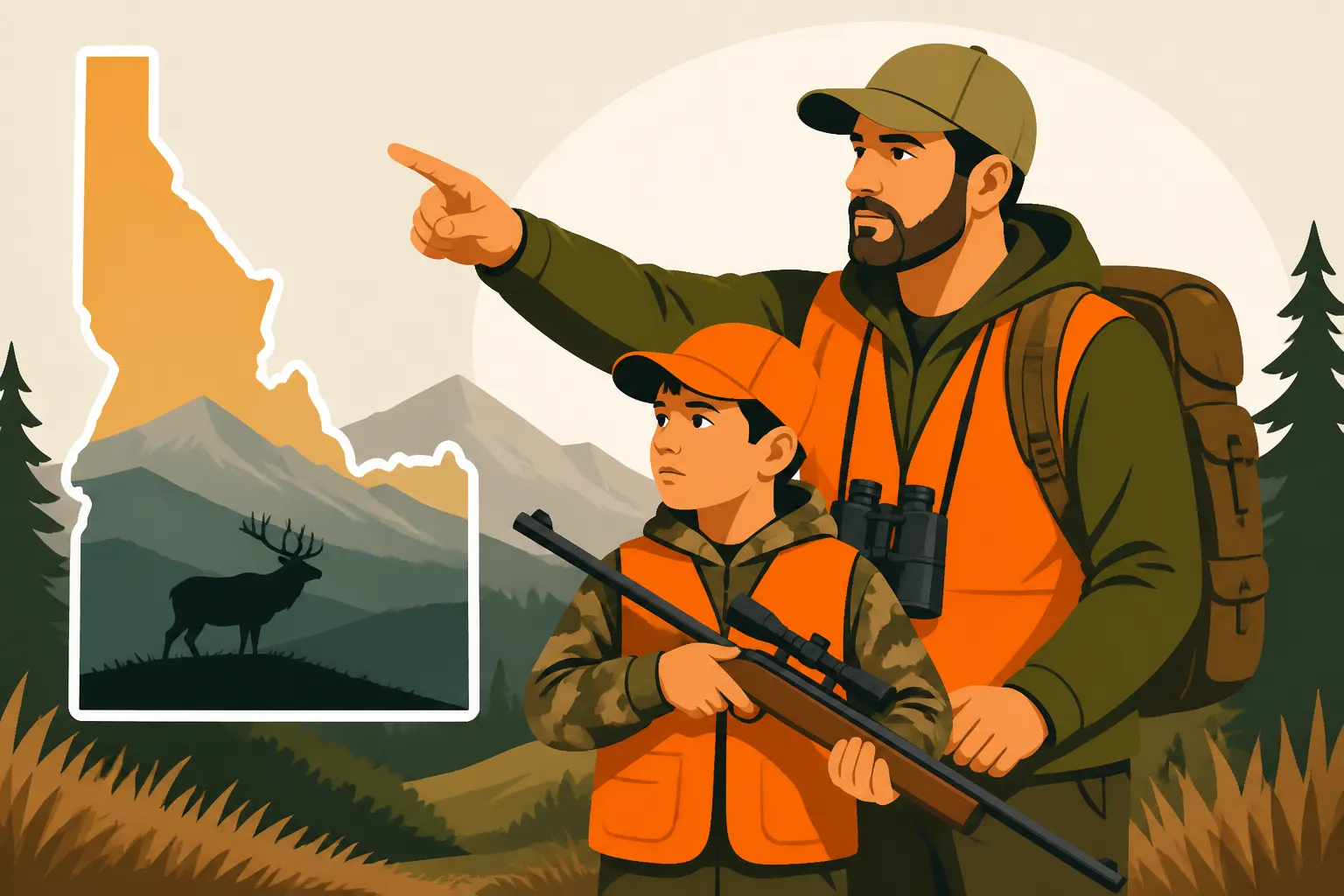
Direct Supervision for Hunters Under Ten
It’s a truly special moment when you want to introduce your child to the incredible world of hunting. You dream of sharing crisp mornings, the quiet beauty of the Idaho backcountry, and the deep respect for wildlife that defines our passion. But let’s be honest, the rulebooks can feel like a thick, dusty tome, and figuring out the exact requirements for taking a young hunter, especially one under ten, out into the field can be downright confusing and a little overwhelming. This guide is here to untangle those knots, breaking down Idaho’s direct supervision requirements for hunters under ten, ensuring your first hunts with your little one are safe, legal, and truly memorable.
Understanding Idaho's Youth Hunting Framework
Navigating the regulations for young hunters in Idaho can sometimes feel like trying to read a topo map without a legend. There are specific guidelines designed to ensure safety and foster a proper understanding of ethical hunting, especially when it comes to our youngest participants. It’s all about creating a positive first experience while upholding the integrity of the hunt.
The 'Under Ten' Age Bracket Defined
In Idaho, the age of your child significantly impacts the legal requirements for them to participate in hunting. When we talk about "under ten," we're specifically referring to any child who has not yet reached their tenth birthday. This distinction is crucial because the rules shift considerably once a child turns ten. For example, a child who is nine years old falls squarely into the "under ten" category, meaning they are subject to strict direct supervision rules and specific licensing pathways like the Idaho Hunting Passport.
This "under ten" bracket recognizes that younger children often have less developed motor skills, shorter attention spans, and a more limited understanding of complex safety protocols and regulations. The state’s framework acknowledges these developmental stages, placing a higher emphasis on the supervising adult’s responsibility. It's not about prohibiting them from the field, but rather ensuring they are constantly protected and guided through every step of the experience. The goal is to nurture a lifelong passion for hunting responsibly.
Why Idaho Has Specific Age-Based Rules
Idaho’s emphasis on age-based rules, particularly for those under ten, isn't meant to be a barrier, but rather a robust safeguard for both the young hunter and the wildlife resource. Imagine trying to explain complex ballistic trajectories or intricate tracking techniques to a seven-year-old; it’s just not realistic. These regulations are born out of a deep understanding of child development and the inherent risks involved in hunting. The Idaho Department of Fish and Game wants to ensure that every child introduced to hunting has the best possible chance to learn safely and effectively.
The core reasons are multifaceted: firstly, safety. A firearm is a tool that demands immense respect and careful handling, and a bow requires considerable strength and precision. Younger children might struggle with the physical demands of safely operating these tools or making quick, ethical decisions in a hunting scenario. Secondly, it's about fostering ethical practices from the get-go. Hunting isn't just about pulling a trigger or releasing an arrow; it's about respect for the animal, understanding fair chase, and knowing your capabilities. Supervisors play a vital role in imparting these values. Lastly, it’s about providing a structured learning environment. By requiring direct supervision, the state ensures that a knowledgeable adult is always present to instruct, correct, and answer questions, turning every hunt into a valuable outdoor classroom. Without these guidelines, the potential for accidents and negative experiences would undoubtedly increase, potentially souring a child's interest in hunting forever.
The Mandate of Direct Supervision
The term "direct supervision" isn't just a suggestion; it's a legal requirement that carries significant weight in Idaho. When you’re bringing a hunter under ten into the field, understanding what this truly means is paramount. It’s the cornerstone of youth hunting safety and education.
Defining 'Direct Supervision' in Idaho
Let’s get down to the nitty-gritty of "direct supervision" in Idaho. This isn't just about being in the same general vicinity; it's about constant, immediate oversight. According to Idaho Fish and Game, "direct supervision" means the supervising adult must be close enough to the youth hunter to be able to physically and audibly communicate with them without difficulty, and to immediately and effectively take control of the hunting device (firearm or bow) if necessary. Think of it this way: you should be within arm's reach or a very short step away, always in the line of sight, and capable of intervening instantaneously.
This isn't the time to send your little one off around a bend while you wait behind. If they’re carrying a loaded firearm, you need to be right there, able to grab it if they stumble, point it in an unsafe direction, or are about to make an unethical shot. For archery, it means being close enough to assist with drawing, nocking an arrow, or ensuring the shot is clean and safe. This level of proximity ensures that every decision, every movement, and every action involving the hunting device is made with the immediate guidance and oversight of an experienced adult. It’s about being an active participant in their learning, not just a watchful eye from a distance. The responsibility for the safety of the child and others, and for adherence to all hunting regulations, falls squarely on the shoulders of that supervising adult.
Who Qualifies as a Supervisor
Just as important as what direct supervision means is who can provide it. Idaho has clear criteria for individuals who wish to mentor a hunter under ten. First and foremost, the supervisor must be 18 years of age or older. This ensures a level of maturity and legal accountability. Beyond age, the supervising adult must possess a valid Idaho hunting license for the current hunting year. This demonstrates their commitment to participating in regulated hunting and their understanding of general hunting laws.
However, a crucial point often causes confusion: the supervising adult does not need to possess the specific tag for the species being hunted unless they are also actively hunting that species themselves. For example, if you are supervising your nine-year-old on an Idaho deer hunt, and your child has their deer tag (under the hunting passport system), you only need your valid hunting license. You wouldn't need a deer tag yourself if your sole purpose is supervision. But, if you also plan to carry your own rifle and hunt deer alongside your child, then yes, you would need your own deer tag. It's a subtle but important distinction. Furthermore, any supervisor born after January 1, 1975, must also have completed a hunter education course or show proof of having held a hunting license from any state prior to January 1, 1975. This rule ensures that the mentor has a foundational understanding of hunting safety and ethics. For more details on this, you can check out the guide titled "Anyone Born After 1974 Needs Idaho Hunter Education". This comprehensive approach to supervisor qualifications ensures that the mentorship provided is both legal and competent, setting a strong foundation for the young hunter’s journey.
Practicalities of Mentored Youth Hunts
Taking a child under ten hunting is an endeavor that requires more than just knowing the rules; it demands thoughtful preparation and a realistic understanding of what the experience will entail. It's about building positive memories, not just bagging an animal.
Equipment and Safety Considerations for Young Hunters
When you’re taking a young hunter, especially one under ten, into the field, the equipment they use and the safety measures you implement are paramount. You want them to be comfortable, confident, and, above all, safe. For firearms, this often means starting with a smaller caliber, like a .22LR for small game, or a youth-model centerfire rifle with reduced recoil for big game, such as a compact .243 or 7mm-08. Brands like Ruger and Savage offer excellent youth models that are lighter and feature shorter stocks, making them easier for smaller frames to handle. Crucially, ensure the firearm fits them properly. An ill-fitting stock can lead to poor shooting form, flinching, and discomfort, which can quickly ruin the experience. For archery, selecting a bow with a significantly reduced draw weight and shorter draw length is essential. Many compound bows are highly adjustable, allowing you to dial them down to very low poundages suitable for a child.
Beyond the weapon itself, ear and eye protection are non-negotiable. Quality earmuffs and shooting glasses protect sensitive hearing and vision from muzzle blast and potential debris. Teach proper muzzle control from day one, constantly reinforcing where the barrel is pointed. Always ensure the firearm is unloaded until you are in the hunting area and ready to actively hunt, and that it is loaded only under your direct supervision. Practice sessions are critical, not just for accuracy, but for instilling safe handling habits. Start with short sessions, focusing on fun and positive reinforcement. Remember, the goal isn’t immediate proficiency, but rather building a solid foundation of safety and enjoyment. For insights into preparing their skills, consider "Realistic Archery Practice Distance for Big Game" or "Choosing a Rifle for Idaho's Timber and Breaks" for more advanced considerations as they grow.
Setting Realistic Expectations and Ethical Behavior
One of the biggest traps parents fall into when taking a young child hunting is setting overly ambitious expectations for success. Let's be real: a six-year-old is not going to sit silently in a blind for hours, nor are they likely to have the patience for a multi-mile stalk. Their attention spans are short, their bodies get cold or tired quickly, and their primary goal is often just to be there with you, not necessarily to harvest an animal. Going into the experience with this understanding is crucial. Focus on the journey, not the destination. The "harvest" might be seeing a deer, hearing an elk bugle, or simply enjoying a thermos of hot chocolate in the woods.
This low-pressure environment is also where you instill the core tenets of ethical hunting. Teach them about fair chase: waiting for the right shot, understanding animal behavior, and respecting the animal even after the harvest. Explain why a quick, clean kill is paramount and the importance of tracking and recovering every animal. Talk about wildlife management and the role hunters play in conservation. You can use simple terms to explain concepts like "How Soon You Must Tag a Downed Animal" or "Field Dressing and Carcass Transport Rules Explained" as part of their education. Celebrate small victories: identifying a track, observing a bird, or simply making it through a morning without complaining about cold feet. These early lessons in patience, respect, and perseverance will lay the groundwork for a lifetime of responsible hunting, regardless of whether a tag is filled. Remember, their first experiences shape their entire perception of hunting, so make it positive, educational, and fun.
Licensing and Certification for Young Hunters and Mentors
Understanding the pathway for your child to legally hunt in Idaho, especially before they hit that critical ten-year mark, is essential. Idaho has created a program specifically designed to ease young people into the hunting world safely and effectively.
The Idaho Hunting Passport for Youngsters
For any aspiring hunter under the age of ten in Idaho, the Idaho Hunting Passport is the golden ticket. This innovative program is specifically designed to allow young, supervised hunters to participate in the field before they are required to complete a full hunter education course. It’s a fantastic way for families to "try before they certify," giving children valuable real-world experience under the direct tutelage of an experienced adult.
To be eligible for the Hunting Passport, a child must be under 10 years old. They will need to purchase the passport, which acts as their temporary hunter education certification, allowing them to purchase youth tags for various species. However, and this is critical, they must be accompanied by a licensed adult mentor who meets the state's supervision requirements (age 18+, valid Idaho hunting license, and hunter education if born after January 1, 1975). The mentor takes on all legal responsibility for the youth's actions, ensuring adherence to all hunting laws and safety protocols. This program truly embodies Idaho's commitment to fostering the next generation of hunters while prioritizing safety. If you want a deeper dive, read "The Idaho Hunting Passport Lets You Try Before You Certify" or "The Idaho Hunting Passport and Who Qualifies" to understand all its nuances.
When Hunter Education Becomes Mandatory
While the Idaho Hunting Passport offers a fantastic entry point for younger hunters, it's not a permanent solution. There comes a point where formal hunter education becomes a mandatory requirement for all hunters, regardless of supervision. In Idaho, generally speaking, anyone born after January 1, 1975, must complete an approved hunter education course before they can purchase a hunting license and hunt unsupervised. This means that once your child turns ten, or is approaching their tenth birthday, the conversation about full hunter education needs to become a priority.
Specifically, a youth hunter who turns 10 years old must complete an approved hunter education course to continue hunting independently. If they haven’t completed hunter education by the time they turn 10, they can continue to hunt under the supervision rules, but they’ll need to complete the course to eventually hunt alone. The state provides various options for hunter education, including online courses and traditional classroom settings, often with a mandatory field day component to ensure practical skills are learned. Planning this transition is key. Many parents enroll their children in a hunter education course when they are nine or ten years old, so they are certified and ready to hunt independently (or with less restrictive supervision) once they hit the age threshold. For those navigating this transition, resources like "Online and Classroom Hunter Education Compared" can provide valuable insights into choosing the right course format. This structured progression ensures that as hunters gain independence, they also possess the knowledge and skills to be safe, ethical, and responsible outdoorsmen and women.
Common Scenarios and Pitfalls
Even with a clear understanding of the rules, real-world hunting scenarios can throw curveballs. Anticipating these situations and understanding how Idaho regulations apply can save you a headache and ensure a smooth, enjoyable hunt with your young charge.
Hunting with Multiple Young Hunters
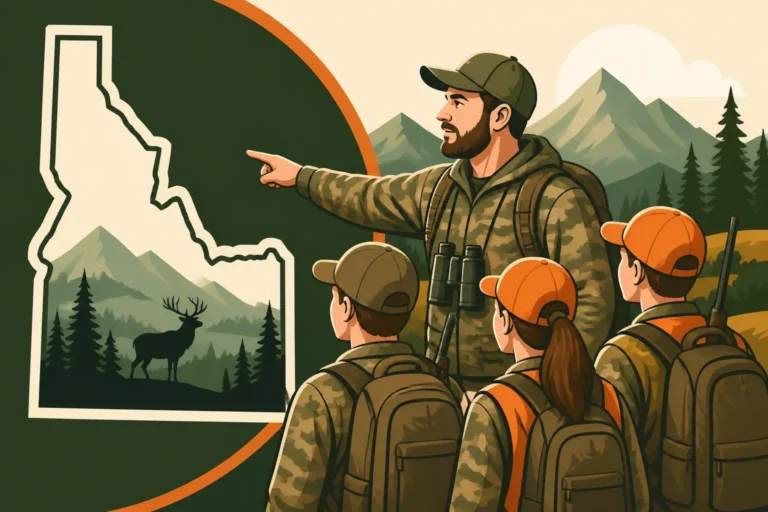
One common scenario that often sparks questions is whether one supervising adult can take multiple young hunters into the field at once. It's a logistical challenge, but Idaho regulations do permit this, with a specific limit. In Idaho, one adult mentor may directly supervise up to two qualified youth hunters at any given time. This means you, as the licensed and qualified adult, could theoretically bring both your seven-year-old and your nine-year-old on a hunt, provided both have their necessary licenses (like the Hunting Passport) and tags.
However, just because it’s legal doesn't always make it practical or safe. Supervising two excited, perhaps fidgety, young children, both with hunting devices, requires an exceptional level of vigilance and control. Imagine trying to keep track of two muzzles, two sets of safety habits, and two rapidly dwindling attention spans simultaneously. Your ability to provide immediate and effective control, as required for direct supervision, becomes significantly more challenging. Most seasoned mentors would advise starting with one child until you're very comfortable with the dynamics. If you do opt for two, ensure they are both extremely disciplined, and you have a plan for managing their movements and safety. You’ll be constantly scanning, instructing, and ready to intervene, doubling your workload. It's crucial to prioritize safety above all else, even if it means splitting up for a hunt or bringing another qualified adult along to assist. For more specific guidance on this, check out "Idaho Mentors May Take Two Hunters at Once" which elaborates on the state’s exact provisions.
Public Land Access and Regulations for Youth Hunts
Hunting public land in Idaho with a young hunter introduces another layer of considerations beyond just the direct supervision rules. Idaho offers millions of acres of national forest, BLM land, and state lands open to public hunting, and understanding the specific nuances of each can make or break your trip. For instance, motorized vehicle rules are particularly relevant. Many areas have seasonal road closures, and driving off established roads is generally prohibited. This means you often need to be prepared to walk in, sometimes a considerable distance, which can be challenging for little legs. Checking Motor Vehicle Use Maps (MVUMs) for national forests or land management agency websites is crucial. For a full breakdown, refer to "Idaho's Motorized Hunting Rule Keeps You on the Road".
Furthermore, specific wildlife management areas (WMAs) may have their own unique regulations regarding access, camping, or even specific hunting methods that could impact a youth hunt. Always consult the Idaho Fish and Game regulations for the specific unit or WMA you plan to hunt. Using online tools like the GoHunt platform, which integrates public land ownership layers and unit-specific rules, can be incredibly helpful for e-scouting and identifying accessible areas suitable for a child's first hunt. Look for areas with easier terrain, good road access to nearby trailheads, and perhaps a higher chance of seeing game to keep their interest piqued. Camping regulations also vary by land agency, so always know if dispersed camping is allowed or if you need to stick to designated campgrounds. The more you plan and research these land-specific rules, the smoother and safer your public land youth hunt will be, creating lasting positive memories in Idaho's vast outdoors. For broader context on where to hunt, the guide "Hunting Idaho's National Forests and BLM Ground" offers excellent foundational knowledge.
Here’s a quick summary table of key points for youth hunting in Idaho:
| Requirement | Hunters Under 10 (with Hunting Passport) | Hunters 10+ (with Hunter Ed) | Supervisor Requirements |
|---|---|---|---|
| Hunter Education | Not required initially; Hunting Passport serves as temporary certification. | Mandatory (unless born before 1/1/1975). | Must be 18+, possess a valid Idaho hunting license, AND have hunter education if born after 1/1/1975. |
| Supervision | Direct Supervision is legally required at all times. | Not required for general hunting, but recommended for new hunters. | Must be able to physically and audibly communicate and take immediate control of the hunting device. |
| Hunting License | Must purchase an Idaho Hunting Passport. | Must purchase a valid Idaho hunting license. | Must possess a valid Idaho hunting license. Does NOT need a tag for the species if only supervising. |
| Tags | Can purchase youth tags for specific species. | Purchases regular tags for specific species. | Not required for the species being hunted if only supervising. Required if also actively hunting that species. |
| Number of Youth | One adult may supervise up to two youth hunters under the Passport program. | No specific limit, but practical safety dictates responsible ratios. | One mentor per two youth hunters (for the Passport program). |
| Primary Focus | Safety, education, and positive outdoor experience over harvest. | Safety, ethics, and successful hunting practices. | Ensuring safety, legal compliance, and ethical instruction for the youth. |
Disclaimer
Please note: The information provided in this article is intended for general guidance and informational purposes only. Hunting regulations in Idaho are subject to change, and it is the hunter's responsibility to consult the most current Idaho Department of Fish and Game regulations, statutes, and proclamations before engaging in any hunting activities. Always verify specific rules for your chosen unit, species, and season. Failure to do so could result in fines, penalties, or loss of hunting privileges.