What Happens When Your Passport Expires
It's an all too common scenario: you’re excited about getting into hunting, perhaps you’ve used Idaho’s Hunting Passport program to get your feet wet, and then suddenly, you realize that year of opportunity is winding down. Many new hunters wonder, "What happens when your passport expires?" It can feel like you're back to square one, or worse, that all your efforts were for naught. This guide is here to walk you through exactly what happens when your Idaho Hunting Passport reaches its expiration date, what it means for your hunting future, and most importantly, what crucial steps you need to take next to keep pursuing your passion.
Understanding the Idaho Hunting Passport
The Idaho Hunting Passport is a truly fantastic initiative designed to ease new hunters, especially youth, into the sport. It acknowledges that sometimes, the traditional hunter education course can feel like a big hurdle right at the start. So, the Passport allows you to experience hunting under the direct supervision of an experienced, certified adult mentor. It’s a bridge, not a permanent solution, meant to give you a taste of the field before you commit to full certification.
What the Hunting Passport Is and Isn't
The Hunting Passport is essentially a temporary permit that lets you participate in supervised hunting. Think of it as a learner's permit for the woods. It requires you to be accompanied by a licensed, certified hunter who is at least 18 years old and who has held a hunting license for at least three years, or has completed Idaho hunter education. This mentor is responsible for your safety and adherence to all regulations, ensuring you learn good habits from the start. It’s an invaluable tool for parents introducing their children to hunting, or for adults who want to try hunting without immediately committing to the full hunter education course. For a deeper dive into who can use this program, you might want to check out The Idaho Hunting Passport and Who Qualifies. It clarifies all the age and supervision requirements, which are pretty important to understand before you even hit the field.
What the Passport isn't, though, is a replacement for hunter education. It doesn't certify you as a hunter on your own, nor does it provide the comprehensive safety and ethics training that a full course offers. It's strictly for supervised experiences. You can't just buy a Passport and go hunt solo; that's where many people get confused.
The Limited Lifespan of the Passport
One of the most critical aspects of the Idaho Hunting Passport is its limited duration. It is explicitly designed to be a one-time, one-year opportunity. This isn't a program you can renew year after year. Once you purchase it, you have that current license year to hunt under supervision. After that, it expires, and that particular avenue for hunting without full certification closes. The Idaho Department of Fish and Game structured it this way to encourage participants to eventually complete their official hunter education. It's a "try before you buy" model, but the "buy" in this case is the commitment to becoming a fully educated and certified hunter. You can find more specific details about its validity in How Long an Idaho Hunting Passport Lasts, which emphasizes its temporary nature. This limitation is key to understanding why planning your next steps before it expires is so important.
What Happens When Your Idaho Hunting Passport Expires
When that one-year clock runs out on your Hunting Passport, the change isn't necessarily dramatic or unexpected, but it does have very real implications for your ability to hunt in Idaho. It essentially means you revert to the status of someone who has not completed hunter education.
Loss of Hunting Privileges Without Supervision
The most immediate and significant consequence of an expired Hunting Passport is that you can no longer legally hunt in Idaho, even with a mentor, unless you have obtained your full hunter education certification or meet one of the other exemptions. The Passport was your temporary ticket to supervised hunting. Without it, and without having met the state's hunter education requirements, you are no longer considered eligible to purchase a general hunting license or tag that requires hunter education, nor can you hunt under the direct supervision of another hunter via the Passport system again.
This can be a real bummer if you enjoyed that mentored hunt and haven't gotten around to the formal education yet. You might feel like you've lost momentum, or that a prime hunting season is now out of reach. It's important to remember that this isn't a penalty, but simply the nature of the temporary program. The intention was always for the Passport to lead you to full certification, not to be a standalone long-term solution.
Implications for Future Hunting Opportunities
An expired Hunting Passport means that if you wish to continue hunting in Idaho, you must fulfill the state’s hunter education requirements. Without that certification, you won't be able to purchase a standard hunting license for big game, or certain other game species, in Idaho. This applies whether you're a resident or a nonresident; the rules are pretty consistent. For example, if you wanted to apply for an elk tag, even if you did all your research on GoHunt to find the best zones, you still wouldn't be able to legally purchase the tag without the necessary certification. This makes completing the hunter education course a non-negotiable step if you're serious about continuing your hunting journey in Idaho.
The good news is, once you've completed hunter education, you’re good to go for life, across almost all states. It opens up a world of possibilities that the temporary Passport simply couldn't.
Your Next Steps After Passport Expiration
So, your Hunting Passport has expired. Don't fret! This isn't the end of your hunting career; it's simply a clear signal that it's time to take the next, more permanent step. The pathway forward is straightforward and will make you a more confident and capable hunter in the long run.
Enrolling in Idaho Hunter Education
The absolute best and most important next step you can take is to enroll in and complete an Idaho Hunter Education course. This is the certification that will allow you to hunt independently and legally for the rest of your life, both in Idaho and typically in other states that recognize Idaho's certification.
Idaho offers two main avenues for hunter education:
- Online Course with Field Day: This option offers flexibility, allowing you to complete the bulk of the coursework at your own pace from home. However, it's crucial to understand that an online course almost always requires a mandatory field day where you'll get hands-on experience with firearms safety, ethics, and practical skills. This blend of online learning and in-person instruction is often very effective.
- Traditional Classroom Course: For those who prefer a structured, in-person learning environment, traditional classroom courses are available. These typically run over several days or evenings and provide direct interaction with instructors and other students. They cover all the material, including field exercises, within the course structure.
It’s worth exploring both options to see which fits your schedule and learning style best. For a detailed comparison of these methods, consider reading Online and Classroom Hunter Education Compared. Remember, anyone born after December 31, 1974, needs hunter education in Idaho to legally hunt big game and certain other species without supervision. This applies to both residents and nonresidents, as detailed in articles like Anyone Born After 1974 Needs Idaho Hunter Education and Do Nonresidents Need Idaho Hunter Education. Don't put it off; the sooner you get it done, the sooner you can get back out there.
The Benefits of Full Hunter Certification
Beyond just the legality, completing your hunter education offers a wealth of benefits that will elevate your hunting experience.
- Enhanced Safety Knowledge: You'll gain a deeper understanding of firearm safety, field safety, and accident prevention, making you a safer hunter for yourself and those around you.
- Ethical Hunting Practices: Courses instill a strong sense of hunting ethics, respect for wildlife, and conservation principles. This goes beyond knowing the rules; it's about understanding why those rules exist.
- Increased Confidence and Skill: Learning about wildlife identification, game care, survival skills, and responsible hunting techniques builds confidence. You’ll be better prepared for various situations in the field.
- Unrestricted Opportunities: With full certification, you’re no longer limited to supervised hunts. You can purchase your own licenses and tags, plan your own adventures, and take full advantage of the opportunities Idaho offers. Websites like
GoHuntbecome even more powerful tools when you have the legal ability to act on the information they provide.
What if You Missed the Certification Window?
Life happens, and sometimes the best intentions get sidetracked. If your Hunting Passport expired and you didn't manage to complete your hunter education within that year, don't worry – it's not too late. The process is simply to enroll in hunter education as described above. There's no "re-application" for the Hunting Passport, as it's a one-time program. You just proceed directly to getting your full certification.
The good news is that Idaho Fish and Game regularly offers courses, especially during the spring and summer months, to prepare hunters for the fall seasons. Keep an eye on their website for schedules and availability. Your journey isn't over; it just requires a different kind of preparation.
Navigating Future Hunts with Your New Certification
Once you've successfully completed your Idaho Hunter Education course and received your certification, a whole new world of hunting possibilities opens up. This is where your true independent hunting adventures begin.
Purchasing Licenses and Tags
With your hunter education certification in hand, you're now eligible to purchase the necessary hunting licenses and tags in Idaho. This includes your annual hunting license and any species-specific tags you desire, such as deer or elk. You can purchase these directly through the Idaho Department of Fish and Game website, or at authorized vendors across the state. The cost of an Idaho hunting license varies depending on residency status, so you'll want to be clear on whether you need an Idaho Resident Hunting License Price or The Idaho Nonresident Hunting License Price. It’s crucial to present your hunter education card or verify your certification when making these purchases, as it’s a prerequisite for many hunts. Also, be prepared to provide proof of your certification out in the field if a conservation officer asks, so knowing Proving Your Certification Out in the Field is helpful.
Planning Your Next Hunt
This is where all that research and anticipation come into play. Now that you're fully certified, you can delve into planning your hunts without the supervision requirement. Utilize resources like the Idaho Fish and Game website's hunt planner, and platforms like GoHunt, which can help you sift through units, drawing odds, and harvest statistics.
Consider these aspects for your planning:
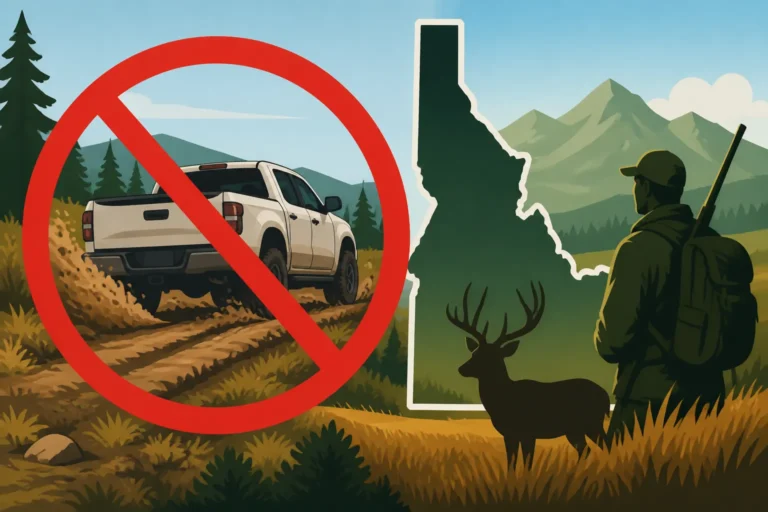
- Understand Regulations: Always consult the current year’s Idaho hunting regulations. These change annually and cover everything from season dates and legal weapons to specific unit rules. For example, understanding Idaho's Motorized Hunting Rule Keeps You on the Road is essential for navigating public lands responsibly.
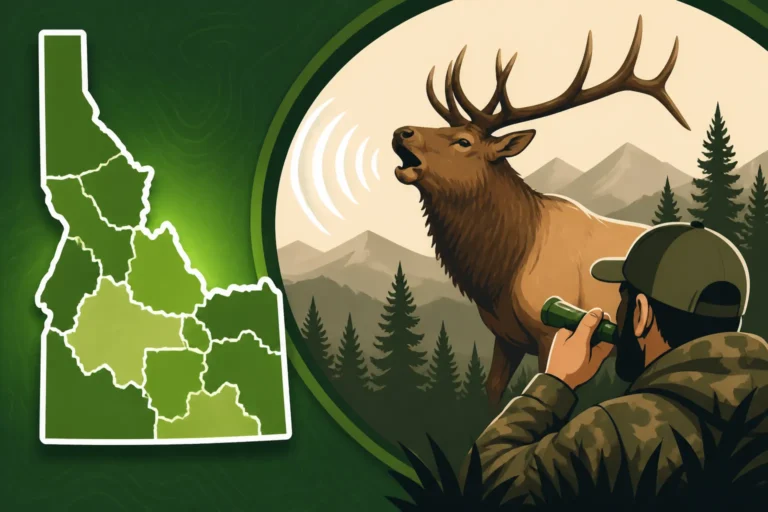
- Zone and Unit Selection: Idaho is divided into numerous Game Management Units and Elk Zones. Take time to understand how these overlay and which tags apply to which areas. A good starting point might be to look at How Idaho Elk Zones Sit on Top of the Units to see how complicated it can get.
- Scouting and Research: Even with a hunting passport expiring, you might have gained some valuable experience and knowledge about an area. Use that, combined with maps, satellite imagery, and potentially even field trips, to scout new areas. Platforms like
GoHuntoffer detailed mapping tools that can be invaluable for e-scouting and understanding land ownership. - Method Selection: Think about the type of hunt you want. Are you interested in archery, muzzleloader, or rifle hunting? Each has specific seasons and considerations. For instance, if you're targeting elk during the rut, learning about Bugling Elk in Idaho's Timbered Zones could be a game-changer for your hunting strategy.
| Feature | Idaho Hunting Passport | Full Hunter Education Certification |
|---|---|---|
| Purpose | Temporary, mentored hunting | Permanent, independent hunting |
| Duration | One license year, non-renewable | Lifelong |
| Supervision Required | Yes, by a certified mentor | No |
| Eligibility for Licenses | Limited (only with Passport) | Full eligibility for all species |
| Knowledge & Skills | Basic field experience | Comprehensive safety, ethics, skills |
| Reciprocity (other states) | None | Generally recognized nationwide |
Taking the initiative to complete your hunter education demonstrates a deep commitment to the sport and prepares you for a lifetime of safe, ethical, and successful hunting adventures in Idaho's incredible wilderness.
Disclaimer
Please remember that hunting regulations in Idaho can change. Always consult the official Idaho Department of Fish and Game website or current hunting regulations pamphlet for the most up-to-date and accurate information before planning any hunt. This guide is for informational purposes only and should not be considered a substitute for official legal guidance.