The Idaho Hunting Passport Lets You Try Before You Certify
Navigating the world of hunting regulations can feel like trying to decipher an ancient scroll, especially for newcomers who are eager to experience Idaho's incredible outdoors but are daunted by the required hunter education courses. It’s a common frustration: you want to learn, but the commitment of time and logistics for a full course might be a barrier. That's precisely where the Idaho Hunting Passport steps in, offering a fantastic pathway for aspiring hunters to get their boots on the ground under the wing of an experienced mentor, before fully committing to certification.
Understanding the Idaho Hunting Passport Program
The Idaho Hunting Passport program is truly a game-changer for individuals who are curious about hunting but haven't yet completed their official hunter education certification. It's designed as a stepping stone, a temporary permit that allows a new or inexperienced hunter to participate in certain hunting activities while being directly supervised by a licensed, experienced adult hunter. Think of it as a trial run, an apprenticeship where you get to experience the full spectrum of a hunt – from scouting and tracking to ethical shot placement and field dressing – all under the watchful eye of someone who knows the ropes.
The Philosophy Behind the Passport
Idaho Fish and Game recognized a significant hurdle for many potential hunters: the time commitment for hunter education. While essential for safety and ethics, these courses can sometimes feel overwhelming, particularly for busy adults or families trying to introduce youth to the sport. The passport was created to lower that initial barrier. It operates on the philosophy that hands-on experience, guided by a knowledgeable mentor, is an incredibly effective way to teach responsibility, safety, and respect for wildlife. This program fosters direct mentorship, ensuring that valuable hunting traditions and skills are passed down from one generation to the next, or from experienced hunters to eager novices, in a practical, real-world setting. It’s about more than just pulling a trigger; it’s about understanding the entire ecosystem, the animal, and your role as a responsible participant.
Who the Passport is Designed For
This program isn't just for kids, though youth participation is a huge benefit. The Idaho Hunting Passport is available to anyone, regardless of age, who has not yet completed a hunter education course. This means if you're an adult who's always wanted to try hunting but never had the chance, or you're a parent wanting to introduce your child to the tradition without the immediate pressure of a full course, the passport is tailor-made for you. It's particularly appealing to individuals who might have grown up without hunting in their family but are now keen to explore it. It's an inclusive way to invite more people into the hunting community, ensuring they receive proper guidance right from the start. Perhaps you have a friend who's always expressed interest; this passport gives you a legitimate way to bring them along and share the experience firsthand.
Eligibility and Requirements for the Passport
While the Hunting Passport is wonderfully inclusive, there are still some important rules to ensure safety and responsible participation. It’s not a free-for-all; rather, it’s a structured program with clear guidelines that both the mentored hunter and their mentor must adhere to. Understanding these requirements upfront will save you a lot of headaches and ensure a smooth experience out in the field.
Age and Residency Considerations
Unlike some hunting licenses that have strict age cutoffs, the Idaho Hunting Passport is quite flexible. As mentioned, it's open to anyone who hasn't completed hunter education, meaning adults are just as eligible as children. However, specific age requirements still apply for hunting certain species. For example, to hunt big game or Sandhill Cranes in Idaho, the mentored hunter must be at least 10 years old. For other species, like upland birds or small game, there might be different age floors. This distinction is crucial for planning your hunt. If you're looking to take a younger child out, starting with something like squirrels or pheasants might be more appropriate until they meet the minimum age for larger game.
Another important point to remember is residency. The Hunting Passport program is available to both residents and nonresidents of Idaho. This is fantastic news for those who live outside the state but want to experience hunting Idaho's diverse landscapes and wildlife. However, nonresidents will still need to purchase the appropriate nonresident licenses and tags, just as they would for any other hunt. The passport simply takes the place of the hunter education certificate. For nonresidents, this often means navigating a complex system of draws and fees, but the opportunity remains open. If you're a nonresident planning an Idaho hunt, resources like GoHunt can be invaluable for understanding the unit breakdowns, draw odds, and specific regulations for your target species, ensuring you combine your passport correctly with other necessary permits.
Mentor Requirements: Who Can Supervise?
The success and safety of the Hunting Passport program hinge entirely on the mentor. This isn't just any hunting buddy; the mentor must be a responsible, experienced, and legally compliant individual. Specifically, the mentor must be at least 18 years old and possess a valid Idaho hunting license for the current season. Crucially, they must also hold a valid hunter education certificate, or have been born before January 1, 1975, which exempts them from the hunter education requirement. This ensures that the person doing the teaching truly understands hunting safety, ethics, and regulations.
Furthermore, the mentor must maintain direct, uninterrupted, and unaided supervision of the mentored hunter while in the field. This isn't "I'll be over in the next canyon if you need me" supervision. It means the mentor needs to be close enough to communicate clearly, monitor the mentee's actions, and intervene if necessary. This direct oversight is paramount for safety, especially when handling firearms or bows. A mentor can generally supervise up to two mentored hunters at once, provided they can maintain adequate supervision for both. This means if you have two children or two friends new to hunting, one experienced mentor can take them both out, but the responsibility to maintain safety and direct control is doubled. For very young hunters, especially those under ten, the supervision rules are often even stricter, sometimes requiring literal arm's reach proximity.
How the Passport Works in the Field
Having the Hunting Passport is one thing; understanding its practical application in the field is another. This isn't just a paper permit; it comes with specific rules about how and where you can hunt, and what you can legally pursue. It’s about ensuring a safe, legal, and educational experience for the mentored hunter, while still adhering to all other Idaho hunting regulations.
Direct Supervision: What It Really Means
The concept of "direct supervision" is the cornerstone of the Hunting Passport program. It means the mentor must be immediately present and able to exercise physical control over the weapon or the hunter if needed. Picture a father and son walking through a field: the father is right there, perhaps a step behind or beside his child, whispering instructions, watching their every move, and ready to react instantly. This isn't the time for the mentor to be distracted by their own hunt or wandering far off. The mentored hunter is essentially an extension of the mentor's license and certificate, and all responsibility falls squarely on the mentor’s shoulders.
This level of supervision is crucial for teaching gun safety, identifying legal game, and making ethical decisions. For example, if a young hunter swings a rifle in an unsafe direction, the mentor must be close enough to immediately correct them. If a deer appears, the mentor guides the mentee on identification (is it a buck or a doe, legal or illegal?), shot placement, and confirming the backdrop is safe. It's a continuous, active process of instruction and oversight. This type of intensive, one-on-one teaching often leads to a deeper understanding and better skill development than might be gained in a classroom setting alone, especially when paired with the real-world scenarios that only the field can provide.
Weapons and Species Allowed with the Passport
The good news is that with a Hunting Passport, the mentored hunter can participate in most types of hunting that their mentor is licensed and tagged for, as long as they meet the specific age requirements for the species. This includes rifle hunting, archery, and muzzleloader seasons. For instance, if a mentor has an elk tag for a general season, and the mentored hunter is at least 10 years old, they can hunt elk together. The same applies to deer, upland birds, small game, and even certain controlled hunts, provided the mentored hunter follows all other tag and license requirements.
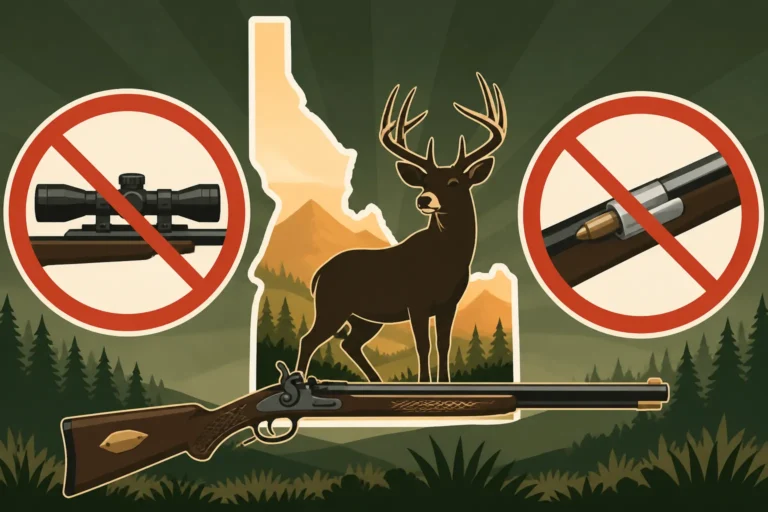
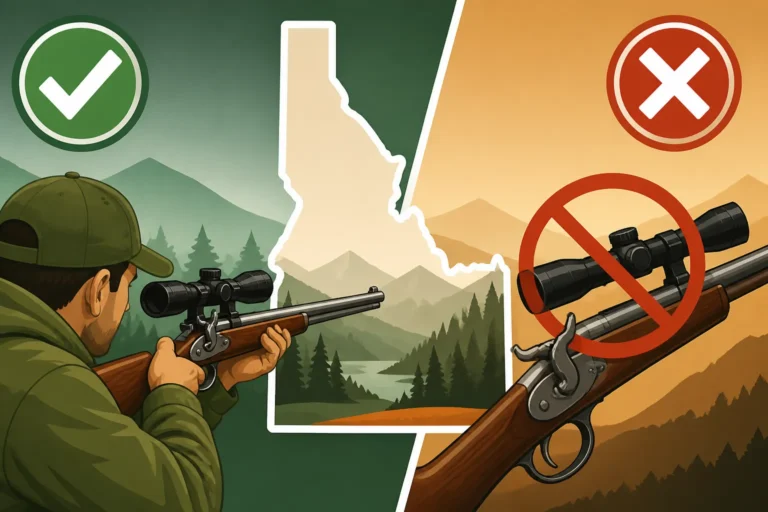
However, it’s vital to remember that all other Idaho hunting regulations still apply. This means understanding weapon-specific rules, such as Idaho’s minimum peak draw weight for any bow, or the restrictions on scopes and inline ignition for Idaho muzzleloader-only hunts. If you're using a crossbow, you'll need to know if it counts as a short-range weapon for specific seasons. The passport doesn't waive these rules; it just allows the mentored hunter to participate under supervision. It’s a fantastic opportunity for new hunters to experience the diverse hunting methods Idaho offers, whether they're calling in a bugling elk in Idaho's timbered zones or still hunting for mule deer in the high desert.
Limitations and Important Considerations of the Passport
While the Idaho Hunting Passport offers an incredible opportunity, it's not without its limitations. Understanding these boundaries is just as important as knowing what the passport allows, to ensure you stay legal, safe, and plan your hunting experiences effectively. Misinterpreting these rules can lead to serious consequences, so let's dive into the specifics.
One-Year Validity and Renewal
One of the most crucial aspects to remember about the Idaho Hunting Passport is its limited lifespan. The passport is only valid for one license year. This means it expires on December 31st of the year it was purchased. It's not a multi-year pass or a permanent substitute for hunter education. This design encourages new hunters to eventually complete the full certification course. If you participate in a mentored hunt in September, and then decide you want to go out again the following spring, you'll either need to purchase a new passport for the new license year or, ideally, complete your hunter education in the interim.
This annual expiration impacts long-term hunting plans. If you're a young hunter or an adult serious about continuing in the sport, relying solely on the passport isn't a sustainable strategy. It's a fantastic temporary solution, but the intention is for it to lead you to the next step: full certification. Think of it as a learner's permit for driving; it gets you on the road with an instructor, but you'll eventually need to pass your test for an unrestricted license. This short duration is explicitly outlined to encourage new hunters to progress beyond the mentored status.
Restricted Activities and Species
While the Hunting Passport allows participation in many hunting activities, there are certain situations where it does not apply. The most significant restriction is that it cannot be used for any controlled hunts or special draws where a hunter education number is specifically required for the application process. While a mentored hunter can participate in a general season hunt alongside their mentor, they cannot be the applicant for a limited entry tag themselves if they haven't completed hunter education.
This means species like moose, bighorn sheep, and mountain goat – which are almost exclusively pursued via controlled hunts with very low draw odds – are generally off-limits for the mentored hunter applying for their own tag. Even for deer and elk, if you're aiming for a specific controlled hunt unit, you'll need that hunter education certificate to apply. The passport is truly focused on providing mentored experiences primarily within Idaho's general hunting seasons, which still offer abundant opportunities for a wide range of game species. It's a way to get your feet wet in common scenarios, rather than diving into the most competitive and specialized hunts right away.
Limitations on Unsupervised Hunting
The most fundamental limitation of the Hunting Passport is that it absolutely, under no circumstances, permits unsupervised hunting. The moment the mentor is not providing direct, uninterrupted supervision, the mentored hunter is no longer legally covered by the passport program. This isn't just a recommendation; it's a hard and fast rule. This means the mentored hunter cannot scout alone, cannot sit in a treestand by themselves, or walk back to camp with a weapon without their mentor right there.
This constant supervision requirement can sometimes be logistically challenging, especially on longer hunts or if the terrain is difficult. Both mentor and mentee need to be prepared to stick together. This limitation reinforces the program’s core purpose: to facilitate education and safe practices through direct instruction, not to simply waive hunter education requirements for independent hunting. The idea is to teach safe habits from the outset, ensuring the new hunter develops a deep understanding of responsibility before ever venturing out on their own.
Transitioning from Passport to Full Certification
The Idaho Hunting Passport is a fantastic entry point, but it's not the final destination for most aspiring hunters. The program is specifically designed to ignite interest and provide real-world experience, ultimately guiding individuals toward obtaining their full hunter education certification. This transition is a natural and necessary step for anyone serious about hunting independently in Idaho and beyond.
Why Full Hunter Education is Essential
While the passport provides invaluable hands-on learning, full hunter education offers a comprehensive, standardized curriculum that covers critical aspects of hunting far beyond what can be taught in the field alone. This includes detailed information on firearm safety, archery safety, wildlife identification, hunting ethics, conservation principles, advanced regulations, field dressing techniques, survival skills, and game care. These are the foundations of responsible hunting, ensuring both safety and the sustainability of wildlife populations.
For anyone born after 1974, a hunter education certificate is a mandatory requirement to purchase an unsupervised hunting license in Idaho. So, if you've been using the passport, and you want to graduate from being a mentee to an independent hunter, or even a mentor yourself one day, this step is non-negotiable. Furthermore, your Idaho hunter education certificate is generally recognized across North America, meaning it allows you to hunt in other states and Canadian provinces that have similar requirements, opening up a world of hunting opportunities beyond Idaho’s borders. Proving your certification out in the field is easy once you have that card in your wallet, unlike the temporary nature of the passport.
Choosing Your Hunter Education Path
Idaho offers several flexible options for completing your hunter education, catering to different learning styles and schedules. You can choose between traditional classroom courses, which often include hands-on field days, or online courses followed by a required field day. The classroom setting provides direct interaction with instructors and other students, which can be beneficial for some, offering immediate answers to questions and practical demonstrations. These courses are often taught by local, experienced hunters who can share regional insights.
Online courses, like those offered by Idaho Fish and Game or approved third-party providers, offer the flexibility to learn at your own pace from home. This can be a great option for busy individuals. However, it's crucial to understand that an online course alone is not enough; it must be supplemented with a mandatory field day. This field day is where you demonstrate practical skills, including safe firearm handling, shooting proficiency, and ethical decision-making in a supervised environment. For many, the combination of online learning and a practical field day offers the best of both worlds. The time it takes to complete the online hunter education course can vary, but generally, it's designed to be comprehensive yet manageable.
The Lifetime Benefit of Certification
Once you successfully complete an Idaho hunter education course and receive your certification, it’s a lifetime achievement. You won’t need to retake it, and you’ll have a permanent record. If you ever lose your hunter education card, replacing a hunter education card you lost is a straightforward process through Idaho Fish and Game. This certification becomes a foundational element of your hunting journey, much like a driver's license for a motorist. It demonstrates your commitment to safety, ethics, and conservation, which are the pillars of responsible hunting.
Beyond legal compliance, the educational aspect itself provides a deeper appreciation for wildlife and the outdoors. You’ll learn about the biology of game species, their habitats, and the critical role hunters play in conservation efforts. This knowledge enriches every hunt, transforming it from merely a pursuit of game into a profound engagement with nature. The passport may be the "try before you certify" option, but certification is where you truly become an Idaho hunter.
The Role of Mentors in the Passport Program
The Idaho Hunting Passport program wouldn't exist without dedicated mentors. These experienced hunters are the unsung heroes of the program, volunteering their time and expertise to ensure the next generation, and new participants, learn the ropes safely and ethically. Their role goes far beyond simple supervision; they are educators, role models, and conservationists in action.
The Mentor's Responsibilities and Impact
A mentor in the Hunting Passport program carries a significant weight of responsibility. They are legally accountable for the actions of the mentored hunter while in the field. This means not only ensuring strict adherence to all safety protocols and hunting regulations but also actively teaching and guiding the mentee through every aspect of the hunt. This includes teaching proper gun handling, safe shooting zones, target identification, shot placement, tracking, field dressing, and even the nuances of reading animal behavior and understanding scent and wind.
The impact of a good mentor extends far beyond the technical skills. They instill a deep respect for wildlife, land, and the traditions of hunting. A mentor teaches patience, perseverance, and ethical decision-making, which are invaluable life lessons. They model responsible behavior, demonstrating what it means to be a conservationist and a steward of the environment. Imagine a new hunter learning to track a deer with their mentor, understanding the subtle signs in the dirt and vegetation – this is an experience that cannot be replicated in a classroom. The mentor ensures that the new hunter understands the full circle of the hunt, from the pursuit to the respectful harvest and utilization of the animal.
Finding a Mentor or Becoming One
For those interested in the Hunting Passport program, finding a suitable mentor is often the first step. This could be a family member, a trusted friend, or a seasoned hunter in your community. The key is to find someone patient, knowledgeable, and committed to teaching. Don't be afraid to ask around your local hunting clubs, conservation groups, or even at sporting goods stores. Many experienced hunters are eager to pass on their knowledge and welcome new people into the sport.
If you are an experienced hunter and meet the Idaho mentor requirements, consider becoming a mentor yourself! It's an incredibly rewarding way to give back to the hunting community and ensure the future of hunting. You can register as a mentor with Idaho Fish and Game and potentially be connected with aspiring hunters. Sharing your passion and expertise with a new hunter can revitalize your own hunting experience and create lasting memories. Remember, Idaho mentors may take two hunters at once, which means you can potentially introduce more individuals to the sport efficiently, provided you can maintain adequate supervision.
Preparing for a Mentored Hunt
Both mentor and mentee should take the time to prepare thoroughly for a mentored hunt. This includes reviewing Idaho's current hunting regulations, discussing the target species, understanding the specific unit or area you'll be hunting, and ensuring all necessary licenses and tags are acquired. For a new hunter, spending time practicing with their chosen weapon at a shooting range before the hunt is absolutely critical. Familiarity and comfort with a firearm or bow under controlled conditions will greatly enhance safety and confidence in the field.
The mentor should clearly communicate expectations regarding safety, ethics, and what the mentee will learn. It’s also important to discuss physical fitness expectations, especially for Idaho’s rugged terrain. GoHunt, for instance, can be a fantastic resource for scouting potential hunting units, looking at harvest statistics, and understanding public land percentages, which can help both mentor and mentee plan their trip more effectively. A well-planned mentored hunt is not just safer but also far more enjoyable and educational.
Comparing the Passport to Traditional Hunter Education
When you're trying to get into hunting, you essentially have two main pathways in Idaho: the Hunting Passport or full Hunter Education. Both have their merits, but they serve different purposes and come with distinct advantages and disadvantages. It's not about one being inherently "better" than the other, but rather which one aligns best with your immediate goals and long-term aspirations.
Passport: Pros and Cons for the New Hunter
The biggest pro of the Idaho Hunting Passport is immediate access. You can get into the field and experience hunting sooner, without the upfront time commitment of a full course. This is invaluable for gauging interest, getting hands-on experience, and learning directly from an experienced hunter in real-time scenarios. It's a low-barrier entry point that can demystify hunting and make it more approachable. For a young person unsure if hunting is for them, a mentored trip on a passport might be all it takes to spark a lifelong passion. The one-on-one instruction from a mentor can be incredibly effective for learning practical skills like tracking, field dressing, and ethical shot placement.
However, the cons are significant. The passport is temporary, only lasting one year. It requires constant, direct supervision, meaning you can never hunt independently. It also restricts participation in controlled hunts that require hunter education for application. This dependency on a mentor means your hunting opportunities are tied to their availability and commitment. If your mentor can't go, you can't go. It also doesn't provide the comprehensive, theoretical knowledge base that a full hunter education course offers, leaving potential gaps in understanding wildlife biology, advanced regulations, or survival skills unless the mentor explicitly covers them.
Hunter Education: Advantages and Long-Term Benefits
Full hunter education offers immediate advantages of independence and permanence. Once certified, you can purchase hunting licenses and tags and hunt unsupervised (assuming you meet age requirements for specific species). Your certification is valid for life and recognized in most other states and provinces, expanding your opportunities considerably. The comprehensive curriculum ensures you receive a thorough grounding in all aspects of hunting safety, ethics, and conservation, preparing you for a wide range of situations. For anyone born after 1974 needs Idaho hunter education to purchase an adult hunting license.
The primary disadvantage is the upfront time commitment. Whether it's a multi-day classroom course or an online course followed by a field day, it requires dedicated time and effort before you can step into the field independently. For some, this barrier can feel insurmountable, especially if they're just exploring the idea of hunting. However, the long-term benefits of independence, deeper knowledge, and broader hunting opportunities almost always outweigh this initial investment for those serious about the sport.
Here’s a quick overview:
| Feature | Idaho Hunting Passport | Full Hunter Education Certificate |
|---|---|---|
| Eligibility | Any age, no prior hunter ed | Any age, must complete course |
| Validity | One license year (expires Dec 31) | Lifetime |
| Supervision Required? | Yes, direct and uninterrupted by a licensed mentor | No, allows unsupervised hunting |
| Application for Draws | No, cannot apply for controlled hunts | Yes, allows application for controlled hunts and special tags |
| Out-of-State Use | Generally not recognized | Recognized across most of North America |
| Cost | License + Passport fee (usually minimal) | Course fee + license/tags |
| Primary Benefit | Hands-on trial, immediate field experience | Comprehensive knowledge, independence, broad opportunities |
| Target User | New/curious hunters, youth, those exploring the sport | Committed hunters, those seeking independence |
Making the Right Choice for Your Hunting Journey
For many, the ideal path might involve starting with the Hunting Passport to get that initial taste of the field, and then transitioning to full hunter education as soon as possible. This approach allows you to experience the excitement of hunting firsthand, confirm your interest, and build a foundation of practical skills under a mentor's guidance, all while planning to get your full certification.
If you’re already convinced that hunting is for you and you have the time, jumping straight into full hunter education might be the most efficient route. It grants you independence faster and avoids the limitations of the passport. Ultimately, the choice depends on your personal circumstances, level of commitment, and how quickly you want to immerse yourself in the world of hunting. Regardless of your entry point, the goal is always to become a safe, ethical, and knowledgeable hunter.
Obtaining and Managing Your Idaho Hunting Passport
So, you've decided the Idaho Hunting Passport is the right first step for your hunting journey. Great choice! Now, let's walk through the practicalities of acquiring one and what you need to know to keep everything in order. The process is designed to be straightforward, ensuring you spend less time on paperwork and more time planning your outdoor adventure.
Step-by-Step Acquisition
Getting your Idaho Hunting Passport is a relatively simple process. You’ll typically do this through the Idaho Fish and Game licensing system, which is available online or at any authorized license vendor across the state.
- Purchase Your Hunting License: First and foremost, you'll need to purchase a valid Idaho hunting license for the current season. This is the foundational requirement for any hunting activity in the state, whether you're using a passport or a full hunter education certificate.
- Add the Hunting Passport: Once you have your hunting license, you can then add the "Hunting Passport" to your purchase. This usually involves a small additional fee. When checking out online through the Idaho Fish and Game portal, or interacting with a license vendor, you'll simply select this option.
- Provide Necessary Information: You'll need to provide your personal information, including your name, date of birth, and contact details. If you're a nonresident, you'll follow the same process, just ensuring you select the nonresident license options.
- Receive Your Passport: Once purchased, your Hunting Passport will be issued along with your regular hunting license. It's often printed on the same document or clearly indicated on your license. Make sure to keep this document safe, as it is your proof of eligibility.
The entire process is streamlined through the same system you'd use to buy any other license or tag, like an elk or deer tag. There's no separate application form or waiting period specifically for the passport itself.
What to Carry in the Field
Just like with any hunting license or tag, it is absolutely crucial to carry your Idaho Hunting Passport (or your hunting license with the passport designation clearly printed on it) with you at all times while hunting. This document serves as proof that you are legally allowed to hunt under the mentored program. Law enforcement or Fish and Game officers may ask to see it, and you'll need to be able to produce it.
In addition to your passport, remember to carry all other required licenses and tags for the species you are pursuing. For example, if you're hunting deer with your mentor, you'll need a valid deer tag in your possession. Your mentor will also need their valid Idaho hunting license and hunter education certificate (or proof of exemption). Always have physical copies or easily accessible digital copies on your phone, though physical copies are always recommended in case of technology issues in remote areas. Proving your certification out in the field applies to both mentor and mentee, ensuring everyone is compliant.
Troubleshooting and Support
Occasionally, issues might arise, or you might have questions about the program. If you lose your Hunting Passport or your hunting license, you can usually replace a lost hunter education card or license through the Idaho Fish and Game website or by visiting an authorized vendor. There might be a small fee for replacement.
For any specific questions about eligibility, regulations, or how the passport interacts with other hunting opportunities, don't hesitate to contact Idaho Fish and Game directly. Their website is a treasure trove of information, and their customer service lines are there to help clarify any confusion. The regulations can sometimes be complex, especially with unique programs like the Hunting Passport, so it’s always better to ask than to assume. Utilizing online resources like the Idaho Hunt Planner can also help you understand specific unit regulations, season dates, and how they apply to a mentored hunt.
Important Idaho Hunting Regulations for All Hunters
Beyond the specific rules of the Hunting Passport, every hunter in Idaho, whether mentored or fully certified, needs to be intimately familiar with the state's broader hunting regulations. These laws are designed to ensure safety, promote ethical hunting, and conserve Idaho's incredible wildlife resources for generations to come.
Ethical Hunting Practices and Fair Chase
Idaho prides itself on ethical hunting practices and the principle of fair chase. This means hunters must respect the animal, the land, and other users of the outdoors. Fair chase prohibits practices that give hunters an unfair advantage, such as using artificial lights (spotlighting for big game), electronic calls for big game, or motor vehicles to harass or pursue game. While night hunting is legal for coyotes out West, it has strict limitations and is generally prohibited for big game.
Mentors have a crucial role in teaching these ethics to passport holders. They must instill an understanding that hunting is not just about harvesting an animal, but about respecting the animal’s wild nature and ensuring a clean, humane kill. This includes knowing your effective range with your weapon, practicing shot placement, and understanding the importance of tracking a wounded animal relentlessly. Leaving no trace, respecting private property boundaries, and understanding public land etiquette are also fundamental aspects of ethical hunting that mentors should emphasize.
Motorized Vehicle Rules and Game Retrieval
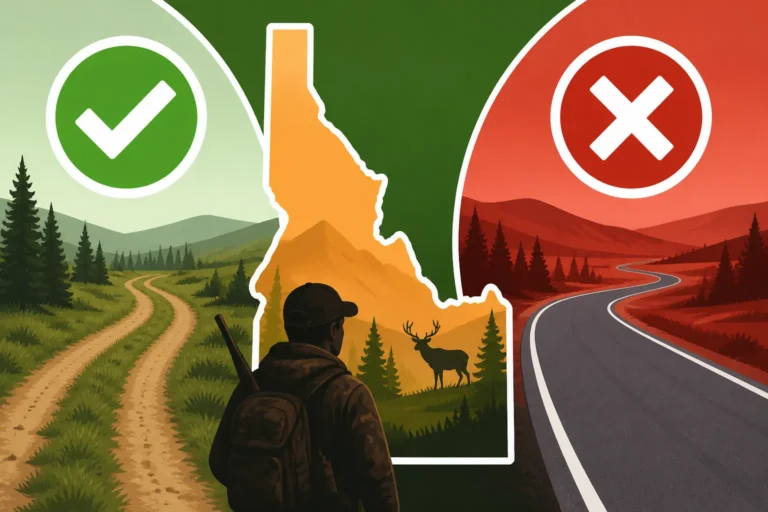
Idaho has specific and important rules regarding motorized vehicle use while hunting, often referred to as the Idaho's motorized hunting rule. Generally, hunters are prohibited from driving off established roads or trails to pursue, harass, or retrieve game during certain periods, typically from August 30 through December 31. This rule helps protect sensitive habitats and ensures a fair chase environment.
This means that while you can use a vehicle to access a hunting area on designated roads, you generally cannot drive cross-country to get closer to an animal or to retrieve downed game. If you harvest an animal far from an established road, you'll need to pack it out on foot or with pack animals. This rule highlights the importance of physical conditioning for Idaho backcountry hunts, especially for species like elk, and for planning your hunt to consider extraction logistics. Understanding which roads count under the motorized rule is essential to avoid penalties. Mentors should educate passport holders about these rules, as they represent a critical aspect of responsible public land use.
Carcass Transport and Reporting Requirements
After a successful hunt, there are mandatory rules regarding field dressing, carcass transport, and reporting. All big game animals harvested in Idaho must be tagged immediately upon harvest, with the tag filled out completely and attached to the carcass as specified by regulations. This ensures proper identification and prevents illegal activities.
Idaho also has rules about evidence of sex requirements on a carcass, which ensures compliance with specific antler point or other sex-based regulations. This means certain parts of the animal, like the head or evidence of male sex organs, must remain attached to the carcass until it reaches final processing. Mandatory reporting after an Idaho harvest is often required for certain species, where hunters must check in their animal with Idaho Fish and Game within a specified timeframe. These regulations are designed for wildlife management and to monitor population health, including addressing concerns like Chronic Wasting Disease (CWD) testing in Idaho. Mentors are responsible for guiding passport holders through these post-harvest requirements, teaching them the importance of proper game handling and compliance with all legal obligations.
Disclaimer
Please remember that hunting regulations are subject to change. While this guide aims to provide accurate and up-to-date information regarding the Idaho Hunting Passport and related regulations, it is your responsibility to consult the most current Idaho Fish and Game regulations every year before hunting. This article is for informational purposes only and should not be considered legal advice. Always prioritize safety, ethical practices, and compliance with all applicable laws.