Supervision Rules for Hunters Under Ten
Bringing a young hunter into the field is one of the most rewarding experiences, but the rules around supervision can sometimes feel like a maze, leaving parents and mentors wondering if they're doing everything correctly. It's completely understandable to want to ensure your little one's first outdoor adventures are safe, legal, and truly enjoyable. This comprehensive guide is designed to cut through the confusion, clearly outlining Idaho's supervision requirements for hunters under ten years old, so you can focus on building memories and fostering a love for the wild.
Getting Started: The Essential Rules for Young Idaho Hunters Under Ten
When you're eager to introduce a child to the magic of hunting, the initial excitement can sometimes be overshadowed by the need to understand the legalities, especially when they're still quite young. In Idaho, there are specific guidelines that dictate how hunters under the age of ten can participate, focusing heavily on safety and responsible mentorship. The biggest distinction often revolves around their exact age and what kind of game they're pursuing.
First and foremost, it’s crucial to understand that Idaho has a clear minimum age for hunting big game, turkey, and sandhill cranes: ten years old. This means if your aspiring hunter is genuinely "under ten" – perhaps seven, eight, or nine years old – their hunting opportunities in Idaho are generally limited to small game, upland birds, and waterfowl. This isn't to say they can't be out there learning and experiencing the hunt; it just sets realistic expectations about what they can legally harvest themselves. For instance, while a 9-year-old might accompany you on an elk hunt, they cannot be the one to pull the trigger on an elk. You can dive deeper into these specifics by checking out the guide on Minimum Age for Big Game and Cranes and also Minimum Age for Upland Birds and Turkey which further clarifies certain bird species.
The primary regulatory framework for hunters under ten in Idaho centers around supervision. For those hunters who are under eight years old, the law is quite explicit: they must be under what Idaho Fish and Game (IDFG) terms "direct supervision." This is a critical distinction that carries significant weight in the field, emphasizing safety above all else. As your child gets a tiny bit older, reaching eight or nine years old, the supervision requirement slightly shifts. While they still need to be supervised by a licensed adult, the "direct" aspect, as strictly defined by law, loosens a little. However, from a practical, safety-first standpoint, remaining closely supervised is always the wisest course of action.
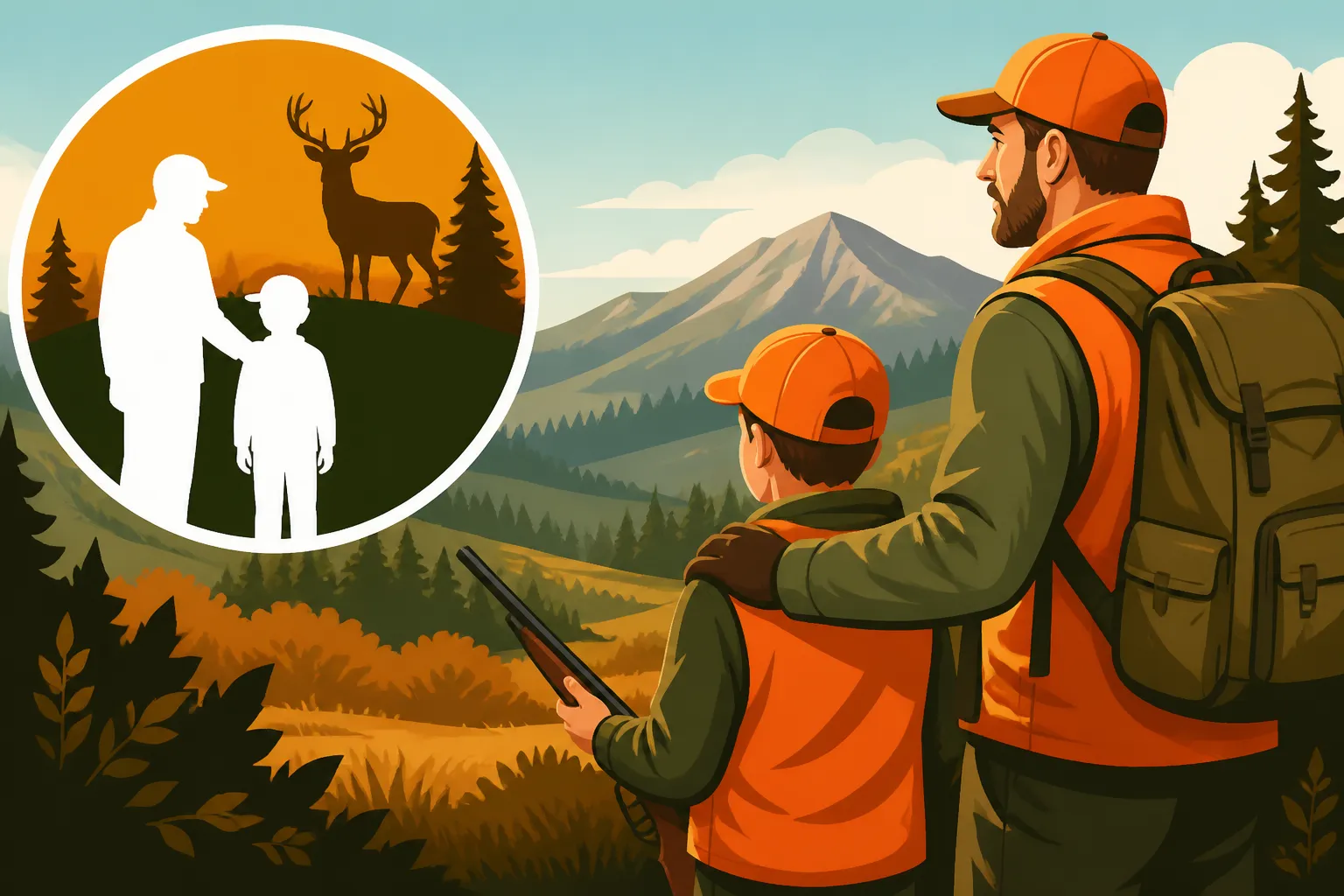
Regardless of the child’s exact age under ten, the supervising adult must be at least 18 years old and hold a valid Idaho hunting license. This mentor isn't just a chaperone; they are responsible for the young hunter's actions, safety, and adherence to all hunting regulations. Their role is pivotal in shaping the child’s early hunting experiences, instilling ethical behavior, and ensuring a deep respect for wildlife and the land.
| Age Group | Species Allowed (Typical) | Licensing/Certification | Supervision Required | Key Details |
|---|---|---|---|---|
| Under 8 | Small Game, Upland Birds, Waterfowl | General License (or Hunting Passport) | Direct Supervision by licensed 18+ adult | Mentor must be within arm's reach, able to take immediate control of the firearm/bow. |
| 8-9 | Small Game, Upland Birds, Waterfowl | General License (or Hunting Passport) | Supervision by licensed 18+ adult | Mentor must be present and capable of guiding. Close supervision is still highly recommended for safety and learning. |
| 10+ | All Legal Species (with appropriate tags) | General License + Hunter Education (or Hunting Passport for 1st year) | Supervision by licensed 18+ adult (if uncertified/mentored) | Can legally hunt big game and other species; must meet all tag and species-specific requirements. |
This table provides a quick overview, but as we delve deeper, you'll see why understanding the nuances of "direct supervision" is so important, particularly for the youngest hunters.
Deciphering "Direct Supervision" and Its Real-World Implications
When Idaho Fish and Game says "direct supervision" for hunters under eight years old, they're not just throwing around a legal term; they're setting a very clear, safety-oriented standard that all mentors must adhere to. This isn't simply about being in the same general area; it's about being actively and intimately involved in every aspect of the young hunter's actions with a firearm or bow.
So, what does "direct supervision" truly entail out in the field? It boils down to a few key elements:
- Physical Proximity: The supervising adult must be within "arm's reach" of the young hunter. This means you should be close enough to physically intervene at a moment's notice. Imagine being in a duck blind or a pheasant field; your seven-year-old should be right beside you, not twenty yards away. This close proximity allows for immediate communication, whispered instructions, and reassurance.
- Line of Sight and Immediate Control: You must always have the young hunter in your unobstructed line of sight. They should never be out of your view, even for a second. More importantly, you need to be in a position where you can immediately take control of the firearm or bow if the situation demands it. This could mean physically guiding the muzzle, adjusting their aiming point, or even taking the weapon out of their hands if a safety concern arises. This level of control is paramount, especially when handling a loaded firearm or a cocked crossbow in dynamic hunting environments.
- Active Engagement: "Direct supervision" is an active role, not a passive one. You're not just watching; you're teaching, correcting, and constantly assessing the situation. This means monitoring their muzzle control, ensuring proper trigger discipline, and helping them identify safe zones of fire. For instance, if you're still-hunting for cottontail rabbits in a thick brushy area, your focus needs to be entirely on your young hunter, guiding their movements and weapon handling, anticipating potential hazards, and providing instruction on target identification.
Consider a scenario: you and your seven-year-old are still-hunting for grouse in some timber. With "direct supervision," you'd be walking right beside them, perhaps with your hand on their shoulder, guiding their stance, and whispering directions about where to place their feet. If a grouse flushes, you're not just yelling "Shoot!"; you're helping them shoulder the shotgun, ensuring the muzzle is pointed safely, and confirming the target is clear. This is especially important when considering the terrain and potential hazards. Even in open country, like when hunting pheasants, having them within arm's reach ensures you can intervene if they become excited or momentarily forget a safety rule.
The reason Idaho has such a stringent "direct supervision" rule for the youngest hunters is unequivocally about safety. Young children might lack the physical strength, coordination, judgment, or emotional maturity to consistently handle firearms or bows safely without immediate guidance. They are also still learning the complex ethics of hunting, understanding game identification, and respecting other hunters. Without a mentor providing constant, hands-on oversight, the risks of accidental discharge, unsafe shooting angles, or mistaken identity increase significantly.
Failing to adhere to Idaho's direct supervision laws can result in serious legal consequences for the supervising adult, including fines and potentially loss of hunting privileges. More importantly, it jeopardizes the safety of the child, the mentor, and anyone else in the vicinity. This is why organizations like GoHunt, which provide mapping and planning tools, often stress the importance of understanding regulations specific to your hunt, as even the most well-intentioned oversight can have repercussions if not compliant. Taking the time to prove your certification out in the field and staying informed of all rules helps ensure a successful, safe, and legal hunt for everyone involved.
Navigating Licenses, Hunter Education, and the Idaho Hunting Passport
Beyond the immediate supervision requirements, there are other crucial aspects to consider when bringing a hunter under ten into the Idaho outdoors. These include understanding licensing, the role of hunter education, and specific programs like the Idaho Hunting Passport.
Let's clear up a common misconception right away: there is no minimum age to purchase a general hunting license in Idaho. This means your seven-year-old could theoretically get a license. However, as established earlier, this general license only allows them to hunt small game, upland birds, and waterfowl, as the Minimum Age for Big Game and Cranes in Idaho is 10. So, while they might have a license, their actual hunting opportunities are restricted by species age limits until they turn ten. For example, turkey hunting also falls under the 10-year minimum, as detailed in Minimum Age for Upland Birds and Turkey.
This brings us to Hunter Education. In Idaho, anyone born on or after January 1, 1975, must complete an approved hunter education course to purchase a hunting license. This applies to you, the supervising adult, and it will eventually apply to your young hunter. So, while your seven-year-old doesn't need hunter education right now to hunt small game under your supervision, they will need it before they can purchase a license on their own or hunt big game when they turn ten. You can learn more about the specifics of this rule, including details on Anyone Born After 1974 Needs Idaho Hunter Education and The Idaho Hunter Education Birth Year Cutoff. It's a rite of passage for all Idaho hunters, and preparing your child for it early can make the transition smoother.
Now, for a fantastic resource that simplifies the entry into hunting for young, uncertified hunters: the Idaho Hunting Passport. This program allows individuals (of any age, provided they meet species-specific age requirements) who have not yet completed hunter education to hunt under the direct supervision of a licensed adult mentor. For hunters under ten, this is an incredibly valuable pathway. It means your eight-year-old can carry a general hunting license, use their Hunting Passport, and participate in small game or upland bird hunts without having completed hunter education, as long as you're providing the necessary supervision. The mentor must be at least 18 years old and possess a valid Idaho hunting license and have completed hunter education if born after January 1, 1975. You can find more details on this excellent program in The Idaho Hunting Passport Lets You Try Before You Certify, and also understand How Long an Idaho Hunting Passport Lasts. It’s designed to provide a supervised, hands-on introduction to hunting, easing new participants into the sport.
The mentor’s role is crucial here. They are directly responsible for the young hunter's actions. Idaho law allows for a generous mentor-to-hunter ratio: Idaho Mentors May Take Two Hunters at Once if they are uncertified. This means you could potentially supervise two young hunters under the Hunting Passport program at the same time, provided you can maintain adequate oversight, especially for those requiring "direct supervision." However, with the youngest hunters, one-on-one attention is almost always preferable to maximize safety and learning. Mentors should always be prepared to provide proof of their own certification out in the field.
As a supervising adult, it's also worth thinking about what happens when your young hunter gets older. The goal is for them to eventually become independent, safe, and ethical hunters. This means guiding them towards completing hunter education, perhaps through comparing Online and Classroom Hunter Education Compared options, and understanding Youth Requirements to Hunt Unsupervised in Idaho as they mature. Every step along the way, your guidance and adherence to these rules will lay the groundwork for a lifetime of responsible hunting.
Best Practices for a Safe and Enjoyable Youth Hunt
Beyond the legal requirements, creating a truly memorable and positive hunting experience for a child under ten involves a host of practical considerations. It’s not just about compliance; it’s about fostering a deep appreciation for nature, teaching responsibility, and, most importantly, ensuring everyone has a safe and enjoyable time.
Prioritize Safety Above All Else: This might seem obvious, but it bears repeating: every action in the field, every lesson, must revolve around safety. Before you even leave the house, review the fundamental rules of firearm safety:
- Always point the muzzle in a safe direction.
- Treat every firearm as if it were loaded.
- Keep your finger off the trigger until ready to shoot.
- Be sure of your target and what is beyond it.
Practice these rules at home with an unloaded firearm or bow. In the field, constantly reinforce safe zones of fire, especially in dynamic situations like walking through dense cover for upland birds. For example, when hunting quail, ensure your young hunter understands how to carry their small shotgun safely and where to point it if they stumble or a bird flushes unexpectedly.
Gear for the Little Hunter: Make sure your child has appropriately sized equipment. A shotgun that's too long or heavy will be difficult to handle safely and accurately, leading to frustration and potential danger. Many manufacturers, like Savage Arms, offer youth models that are lighter and have shorter stocks. Ensure they have proper hearing protection (earmuffs or plugs) and eye protection, which are essential for every shot. Dress them in layers appropriate for Idaho's often unpredictable weather, and choose comfortable, broken-in footwear. This isn't the time for fancy, stiff new boots!
Patience and Fun are Key: Remember, the goal for a hunter under ten isn't necessarily to fill a bag limit. It’s about the experience. Keep trips short and focus on observation, tracking, and the joy of being outdoors. Celebrate small victories – spotting a deer (even if they can't hunt it), identifying a bird, or simply walking quietly through the woods. Don't push them too hard. If they're cold, tired, or bored, it's time to head back. Bring plenty of snacks and water, and be ready to tell stories or answer endless questions. A positive first experience can ignite a lifelong passion, while a negative one can extinguish it quickly.
Teaching Ethics and Respect: Use every moment as a teaching opportunity. Talk about fair chase, respect for the animals you hunt, and the importance of only taking clean, ethical shots. Discuss why certain hunting regulations exist, like Idaho's motorized hunting rule that Idaho's Motorized Hunting Rule Keeps You on the Road, which emphasizes ethical access. Teach them about conservation and the role hunters play in managing wildlife populations. Show them how to identify different species and their tracks. Whether you’re glassing breaks and benches for mule deer (even if they can’t hunt them) or identifying different types of grouse, every detail contributes to their understanding.
Involve Them in Every Step: From planning the hunt to processing the game, involve your young hunter. Let them help you pack the gear, review maps (even basic ones to show where you're going), and scout for good locations. While you might not be hunting elk in the timber, you can still show them how to read sign and understand animal behavior. After a successful small game hunt, teach them how to field dress and clean their harvest, reinforcing the connection between the hunt and the food on the table. Cooking and sharing the wild game they helped procure is a powerful way to complete the experience. Even simply learning about the habitat and the wildlife that lives there, perhaps in a place like Hunting the Units Around Salmon, can be a valuable experience.
Ultimately, introducing a child under ten to hunting in Idaho is a profound responsibility and privilege. By understanding and adhering to the supervision rules, prioritizing safety, and fostering a spirit of learning and respect, you’re not just taking a child hunting; you’re raising a future conservationist, instilling values that will serve them well throughout their lives, both in and out of the woods.
Disclaimer
Always check the most current Idaho Fish and Game regulations prior to any hunting activity, as laws and rules can change. This guide is for informational purposes only and does not constitute legal advice.