Minimum Age for Upland Birds and Turkey
It can be incredibly confusing trying to figure out all the regulations surrounding youth hunting, especially when you're a parent or mentor just trying to introduce a young person to the outdoors responsibly. You want to make sure you're doing everything by the book, but the rules about age limits, hunter education, and supervision can feel like a tangled web. This guide is here to untangle that web, specifically focusing on the minimum age requirements for hunting upland birds and turkey in Idaho, so you can confidently plan your next adventure with your young hunter.
Idaho's Approach to Youth Upland Bird and Turkey Hunting Ages
Idaho's approach to youth hunting is designed to encourage participation while prioritizing safety and education. Unlike some states or certain big game species, the rules for upland birds and turkey are often more flexible, focusing heavily on proper mentorship and licensing rather than a strict age floor. It's a system that works, but it definitely requires a bit of understanding to navigate correctly.
The "No Minimum Age" Nuance for Upland and Turkey
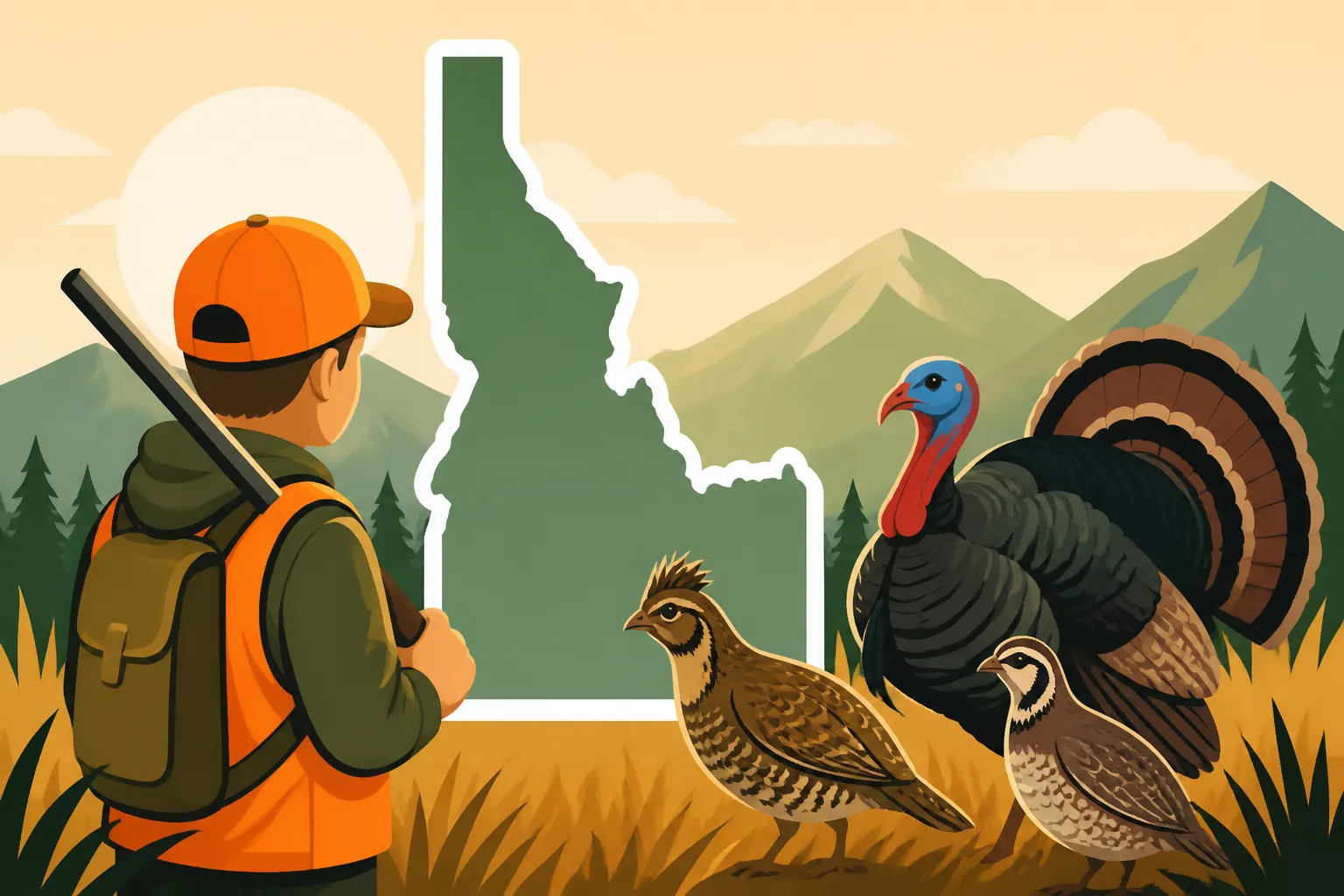
One of the biggest surprises for many parents is that, for many upland bird species and turkey, Idaho technically has no minimum age requirement to hunt the animal, provided certain conditions are met. This means a young hunter, even if they're quite young, can participate in the act of hunting these species. The key distinction often lies not in their chronological age, but in whether they've completed hunter education or are hunting under direct supervision as part of the mentored hunting program. This flexibility is a wonderful way to get kids involved early, fostering a connection to nature and ethical hunting practices from a young age.
For example, imagine you have a very enthusiastic 7-year-old who has shown incredible interest in accompanying you on your pheasant hunts. In Idaho, they could technically participate, walking alongside you with their own licensed firearm, provided they are under direct supervision by a licensed adult. The focus here is on the quality of the experience and the mentorship provided, rather than waiting for an arbitrary age. This is where Idaho truly shines in making the outdoors accessible to families, recognizing that a child's readiness isn't always tied to a specific number.
Comparing Upland/Turkey to Big Game Age Requirements
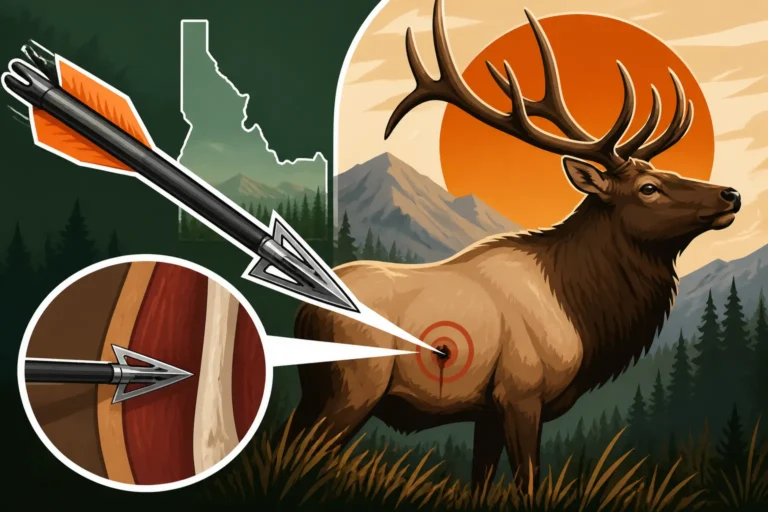
It's crucial to understand that the "no minimum age" nuance for upland birds and turkey is not a blanket rule for all species. For big game animals in Idaho, there is a firm minimum age requirement. A person must be at least 10 years old to hunt big game like deer, elk, or bear. This distinction is vital for planning your hunts and ensures that young hunters are physically and mentally ready for the challenges and responsibilities that come with pursuing larger, potentially more dangerous game. We've actually covered this in more detail in our guide on the topic of "Minimum Age for Big Game and Cranes", which is worth a read if you're thinking about expanding beyond upland.
This difference reflects the varying demands and risks associated with hunting different species. Upland bird and turkey hunting, while still requiring serious safety protocols, often involves less strenuous physical exertion and generally presents fewer immediate dangers compared to pursuing a wounded elk in dense timber. The Idaho Department of Fish and Game (IDFG) carefully considers these factors when setting age limits, always with hunter safety and animal welfare at the forefront. Knowing these differences helps you tailor your hunting plans to the age and maturity level of your young companion, ensuring a safe and enjoyable experience for everyone.
Understanding Junior Licenses for Younger Hunters
While there might not be a strict minimum age to participate in hunting upland birds or turkey, every hunter, regardless of age, must have the appropriate licenses and tags. For youth, Idaho offers a fantastic "Junior Hunting License." This license is available for hunters aged 12 through 17 years old. However, it's important to remember that even younger children, if they haven't completed hunter education and are hunting under supervision, will still need to acquire a basic hunting license to legally carry a firearm and hunt.
The cost for an Idaho Junior Hunting License is typically quite affordable, making it accessible for families. You can find more specific details on the "Idaho Junior Hunting License Price" to help with your planning. This license is their official entry into the world of hunting, granting them the legal right to pursue game within the regulations. For species like turkey, there might also be specific tags or permits required in addition to the base license, similar to how big game works. Always check the current regulations handbook for the specific species and unit you plan to hunt to ensure your young hunter has everything they need before heading out.
Mandatory Hunter Education and the Power of Mentorship
Hunter education is the bedrock of safe and ethical hunting in Idaho, and it plays a significant role in determining how and when young hunters can get into the field. However, Idaho offers some flexible pathways, especially for youth, through its mentored hunting programs. This dual approach ensures that new hunters are well-prepared, while also allowing earlier participation under strict supervision.
Who Needs Hunter Education and Who Doesn't
Generally speaking, anyone born on or after January 1, 1975, is required to complete an approved hunter education course to purchase an Idaho hunting license. This requirement ensures that hunters understand firearm safety, wildlife identification, ethics, and regulations before they head afield. If you're wondering if you or your child falls into this category, you can consult our detailed article on "Anyone Born After 1974 Needs Idaho Hunter Education". For adult hunters, this is a non-negotiable step to getting licensed.
However, for very young hunters who might not yet be ready for a full hunter education course, Idaho provides pathways to participate. They can hunt under the direct supervision of a licensed adult. This means they don't necessarily need to complete hunter education before their first upland or turkey hunt, as long as a certified adult is right there with them, guiding every step. This provision is absolutely critical for introducing kids to hunting early, allowing them to gain hands-on experience and build confidence before tackling the formal course.
The Idaho Hunting Passport: A Path for Uncertified Youth
For those youth who haven't completed hunter education yet (and remember, there's no specific age minimum to take hunter education, but many parents prefer to wait until their child is mature enough), Idaho offers the "Hunting Passport" program. This fantastic initiative allows individuals, including youth, to hunt under the direct supervision of a licensed adult mentor without first completing hunter education. This is a game-changer for families eager to get out into the field together.
The Hunting Passport is essentially a temporary allowance, and it’s important to understand "The Idaho Hunting Passport and Who Qualifies" for this program. It's designed to give new hunters a taste of the experience, under the watchful eye of an experienced mentor, hopefully leading them to complete hunter education down the line. A mentor can supervise up to two individuals at a time under the passport program, which is helpful if you have multiple children or are taking a friend along. Our guide on "Idaho Mentors May Take Two Hunters at Once" delves deeper into this particular regulation, giving you all the specifics you need to know.
Defining "Direct Supervision" in the Field
The term "direct supervision" is thrown around a lot, but what does it actually mean when you're out in the Idaho wilds with a young hunter? For hunters under 10 years old, or for those hunting under a Hunting Passport, direct supervision means the mentor must be within arm's reach and in immediate control of the firearm. This isn't just about being in the same general area; it's about being close enough to physically intervene if necessary, to guide the shot, or to ensure absolute safety.
When hunting with a young hunter who has completed hunter education but is still under 12 years old, the supervision rules are slightly less stringent but still require close proximity and communication. The mentor must be within sight and normal voice contact, ensuring that they can communicate effectively and observe the young hunter's actions. This phase is crucial for transitioning from literal "arm's reach" to more independent, yet still guided, hunting. The responsibility lies squarely with the mentor to ensure the young hunter adheres to all safety rules, makes ethical decisions, and understands the regulations. You can find more explicit details on "Direct Supervision for Hunters Under Ten" if your young companion falls into that age bracket. This constant guidance is how we instill good habits and responsible behavior in the next generation of hunters.
Planning Your Young Hunter's First Successful Outing
Getting a young hunter ready for their first upland bird or turkey hunt is about more than just checking boxes on regulations. It's about preparation, safety, and creating a positive, memorable experience. From ensuring they have the right licenses to selecting appropriate gear and managing expectations, every detail contributes to success.
Navigating Licenses, Tags, and Specific Youth Opportunities
Once you've sorted out the age and hunter education requirements, the next step is securing the necessary licenses and tags. As mentioned, a junior hunting license is typically needed for youth aged 12-17. For younger participants, a basic hunting license might be required if they are not covered by the Hunting Passport program or if you intend for them to carry their own firearm. Turkey hunting, specifically, often requires an additional tag. Idaho offers both spring and fall turkey seasons, and understanding the "Idaho Fall Turkey Controlled Hunt Timing" can help you plan.
It's always a good idea to visit the Idaho Fish and Game website or use resources like the "A Walkthrough of the Idaho Hunt Planner" to identify specific seasons, bag limits, and any youth-specific opportunities available in your chosen hunting unit. Sometimes, IDFG will host youth-only hunts for pheasants or turkey, providing a less pressured environment for new hunters. These dedicated events are fantastic for building confidence and creating special memories. Remember, all these details are subject to change, so always refer to "Where the Current Idaho Regulations Are Posted" for the most up-to-date information. Utilizing tools like GoHunt's Insider platform can also provide valuable unit-specific data and drawing odds, though for general upland and turkey, the IDFG website is usually sufficient.
Here's a quick comparison of general youth hunting requirements in Idaho:
| Game Type | Minimum Age (to purchase tag) | Hunter Education Required? | Supervision Requirement (if uncertified) | Typical License/Tag Needed |
|---|---|---|---|---|
| Upland Birds | None (if supervised) | Yes (if born after 1974) | Direct (within arm's reach) or within sight/voice | General Hunting License |
| Turkey | None (if supervised) | Yes (if born after 1974) | Direct (within arm's reach) or within sight/voice | General Hunting License + Turkey Tag |
| Big Game | 10 years old | Yes (if born after 1974) | N/A (must be certified to buy big game tag at 10) | General Hunting License + Species Tag |
Note: The "no minimum age" for upland/turkey refers to participation with a valid license and appropriate supervision, not necessarily purchasing a license or tag independently if hunter education is not met.
Essential Gear for Comfort and Safety
Outfitting a young hunter properly is paramount for both comfort and safety. Ill-fitting gear can lead to discomfort, distraction, and even dangerous situations. For upland birds and turkey, this means ensuring they have an appropriate firearm that fits their stature and can be handled safely. A lightweight shotgun, often a 20 gauge or even a .410, is typically a good choice, and many manufacturers like Savage or Mossberg offer youth models designed for smaller frames. Always prioritize eye and ear protection, which are non-negotiables on every hunt.
Beyond the firearm, comfortable, layered clothing suitable for Idaho's variable weather is key. Blaze orange is often required for upland bird hunting, both for the hunter and any accompanying dogs, ensuring maximum visibility. A good pair of broken-in boots, a small backpack for snacks and water, and perhaps a small game vest for carrying harvested birds will complete their ensemble. Remember, a cold, uncomfortable, or tired child is unlikely to have a good time, so investing in good gear is investing in future hunting partners. GoHunt's gear reviews can sometimes offer insights, even if tailored more for big game, into general principles of comfort and durability.
Setting Realistic Expectations and Fostering a Love for the Outdoors
Perhaps the most important aspect of a young hunter's first outing is managing expectations. For upland birds and turkey, the goal should rarely be solely about harvesting an animal. Instead, focus on the experience: teaching them about the habitat, identifying different bird calls, safe firearm handling, tracking skills, and the simple joy of spending time together in nature. A successful hunt, especially for a youth, is one where they learned something new, felt safe, and had fun, regardless of whether a bird was bagged.
Celebrate small victories, like a good shot at a clay target during practice, accurately identifying a pheasant track, or patiently sitting through a cold morning listening for turkey gobbles. Emphasize ethical hunting, respect for wildlife, and leaving no trace. A positive introduction to hunting can instill a lifelong passion for the outdoors and conservation. This often means being patient, letting them take the lead when appropriate, and being their biggest cheerleader. The memories made on these early hunts are truly priceless and often far more impactful than any harvest.
Disclaimer
Please note: Regulations can change, and it is the hunter's responsibility to review the current Idaho Fish and Game regulations each year before hunting. This guide provides general information and should not be considered a substitute for the official Idaho hunting regulations.