The Idaho Hunter Education Birth Year Cutoff
One of the trickiest things about planning an Idaho hunting adventure, especially if you're like me and have been chasing game for decades, is keeping up with all the specific regulations. It can feel like the goalposts are always shifting, or you suddenly realize a rule that's been around forever now applies to you in a new way. A common point of confusion, and one that often catches hunters off guard, revolves around Idaho's hunter education requirement and, more specifically, the birth year cutoff. This guide is here to clear up that exact frustration, detailing who needs hunter education, who doesn't, and how to navigate the requirements so you can focus on the hunt.
Understanding Idaho's Hunter Education Mandate
Idaho, like many states committed to promoting safe and ethical hunting, has a mandatory hunter education program. This isn't just about passing a test; it's about instilling a deep understanding of firearm safety, wildlife conservation, ethical conduct, and the laws that govern hunting. For many experienced hunters, the idea of taking a course might seem redundant, especially if they've been hunting since childhood. However, the system is designed with a specific cutoff date to ensure that all hunters entering the field after a certain point have received formal training.
The Core Birth Year Cutoff: January 1, 1975
At the heart of Idaho's hunter education requirement is a very clear date: January 1, 1975. If you were born on or after this date, you are legally required to complete a hunter education course approved by the Idaho Department of Fish and Game (IDFG) before you can purchase a hunting license in Idaho. This rule applies across the board, whether you're a lifelong Idaho resident or a nonresident coming to chase an Idaho elk. It doesn't matter if your grandpa taught you everything you know, or if you've hunted in other states for 30 years; if your birth certificate shows a date after December 31, 1974, you need that card.
For instance, imagine two brothers, Mark born in December 1974 and John born in February 1975. Mark, having just squeaked in before the cutoff, is exempt from the hunter education requirement. He can simply purchase his license and tags based on his age. John, on the other hand, despite being only a couple of months younger and having grown up hunting alongside Mark, must complete an approved hunter education course before he can legally buy an Idaho hunting license. This can be a source of bewilderment and even a little frustration for those like John, who feel they have ample practical experience. However, the rule aims for a consistent standard of safety and knowledge among a specific generation of hunters. This specific requirement is often detailed when clarifying questions like "Anyone Born After 1974 Needs Idaho Hunter Education".
Why This Specific Date Matters
The choice of January 1, 1975, isn't arbitrary. It often reflects a period when many states began formalizing and standardizing hunter education programs. Before widespread hunter education, much of the knowledge transfer happened informally, from parent to child or mentor to mentee. While this traditional passing down of knowledge is incredibly valuable, it can lead to inconsistencies in safety practices and ethical understanding. By setting a hard cutoff date, Idaho Fish and Game ensures that hunters who came of age in an era with established education programs meet a baseline standard. This simplifies enforcement significantly. Instead of having to evaluate individual experience, wardens simply need to check a birth date and a hunter education card. It's a pragmatic approach to a complex issue, ensuring a safer hunting environment for everyone involved.
For those born before this date, it's presumed that they either gained sufficient experience before the emphasis on formal education, or they were never subject to the requirement at the time they started hunting. It’s a grandfathering clause, in essence, acknowledging that long-time hunters who started before these programs became prevalent are not suddenly invalidated. The critical thing to remember is that this cutoff is primarily about when you were born, not about when you started hunting. If you're trying to figure out "Who Idaho's 1975 Hunter Education Cutoff Covers", this birthdate is the single most important factor.
Who Needs Hunter Education and Who is Exempt
Understanding the January 1, 1975, cutoff is step one. But the nuances of hunter education extend a bit further, especially when considering different scenarios like new hunters, those from out-of-state, or individuals participating in mentored programs. It's crucial not to assume you're exempt just because you're familiar with firearms or have hunted small game.
Requirements for Hunters Born After 1974
As established, if your birthday falls on or after January 1, 1975, you absolutely need to complete a hunter education course. This is a non-negotiable prerequisite for obtaining a valid hunting license for any species in Idaho, whether it's for deer, elk, or even upland birds. The good news is that Idaho accepts certification from any state or province whose hunter education program is accredited by the International Hunter Education Association (IHEA-USA). This means if you took a course in Montana, Oregon, or British Columbia, it's likely recognized by Idaho.
However, many hunters, particularly those who haven't hunted big game or only hunted on private land previously, sometimes overlook this. For example, Sarah, born in 1980, spent her teenage years exclusively duck hunting with her father on their family property, never requiring a big game tag. Now, at 40, she wants to apply for an Idaho elk tag. Even with her extensive waterfowl experience, because she was born after the cutoff, she still needs to complete a certified hunter education course before she can even buy her general hunting license, let alone her elk tag. There's no "experience waiver" for the birth year rule; the course completion is a hard requirement. It’s also important to remember that this applies to all forms of hunting, not just specific weapon types.
Exemptions Beyond the Birth Year
While the birth year cutoff is primary, there are a couple of other key exemptions or alternative pathways that can allow individuals to hunt without a full hunter education certificate under specific conditions.
Firstly, the Idaho Hunting Passport program offers a fantastic opportunity, especially for new hunters or those testing the waters. This program allows individuals who have not completed hunter education, and who were born after December 31, 1974, to hunt under the direct supervision of a licensed adult mentor. The mentor must be at least 18 years old and possess a valid Idaho hunting license and have completed hunter education if they were born after the cutoff. This passport acts as a temporary, one-year deferral, letting you gain experience in the field. It’s a brilliant way to introduce someone to hunting or to try out a new species with a knowledgeable companion. Details on this program are often found in resources like "The Idaho Hunting Passport Lets You Try Before You Certify" or "The Idaho Hunting Passport and Who Qualifies". Keep in mind that "Why a Passport Only Lasts One Year" is often tied to the idea that it's a temporary educational bridge, not a permanent exemption.
Secondly, as mentioned, reciprocity is a significant exemption for nonresidents. If you've completed a hunter education course in another state or Canadian province that is IHEA-USA certified, Idaho will generally accept that certification. You don't need to take an Idaho-specific course. This is a huge relief for out-of-state hunters who already meet the requirements in their home state and are looking to explore Idaho's vast hunting opportunities. Just be prepared to present proof of your certification, as a warden will certainly ask for it in the field. This means checking if "Do Nonresidents Need Idaho Hunter Education?" often leads to a discussion of reciprocity.
| Hunter Category | Born Before Jan 1, 1975 | Born On/After Jan 1, 1975 | Notes |
|---|---|---|---|
| Idaho Resident | No Hunter Ed Required | Hunter Ed Required | Unless using a Hunting Passport. |
| Nonresident (Certified elsewhere) | No Hunter Ed Required | Hunter Ed Accepted | Must show proof of out-of-state certification. |
| Nonresident (Not Certified) | No Hunter Ed Required | Hunter Ed Required | Unless using a Hunting Passport. |
| Hunting with Idaho Passport | N/A (Not Applicable) | Not Required (Temporary) | Must be directly supervised by a licensed mentor. |
How to Prove Your Hunter Education Status
It's one thing to have completed hunter education, and another to be able to prove it when you're 15 miles deep in the backcountry and a Fish and Game officer rolls up on their ATV. Trust me, nobody wants a conversation about compliance when they're already dreaming of backstraps. Knowing exactly what documentation is acceptable and how to carry it is just as important as the certificate itself.
Acceptable Forms of Documentation
The primary piece of evidence you'll need is your official hunter education card or certificate. This can be a physical card issued by Idaho Fish and Game or an equivalent agency from another state or province. Many states, including Idaho, also offer digital versions or allow you to access your certification record online. While a digital copy on your phone is often accepted, it's always wise to have a physical copy or a printed version in your pack. Batteries die, and cell service vanishes in the remote corners of Idaho. Make sure whatever you carry is easily legible and clearly states your name and that you've completed hunter education.
Consider a scenario where you're on a multi-day backcountry hunt in the Selway-Bitterroot Wilderness. You've prepared diligently, using tools like GoHunt to scout access points and terrain, but you forget your physical hunter education card. You only have a screenshot on your phone. If that phone dies or gets damaged, you're in a tough spot. An Idaho Fish and Game officer can, and likely will, issue a citation if you cannot produce valid proof of certification. The general rule is this: if you're required to have hunter education, you're also required to be able to show proof of it when asked by a law enforcement officer. This practical advice often comes up in discussions about "Proving Your Certification Out in the Field".
Reciprocity with Other States and Provinces
For nonresidents, Idaho's reciprocity policy is a huge benefit, but it comes with the responsibility of knowing your documentation. If you completed your hunter education in, say, Texas, make sure you carry that Texas hunter education card. Idaho generally accepts any hunter education card or certificate issued by another state or Canadian province, provided that program is certified by the International Hunter Education Association (IHEA-USA). This covers virtually all state-run programs in North America.
There's no need to exchange your out-of-state card for an Idaho one. Just present your original. However, it’s always a good practice to double-check the latest regulations on the IDFG website before your hunt, as rules can occasionally change. If you're planning an ambitious hunt that requires significant planning, like a controlled hunt for trophy species, cross-referencing all requirements is paramount. For example, if you were considering an archery elk hunt and exploring different zones and tags, you'd use resources like the official IDFG website and potentially scouting apps like GoHunt to verify not just season dates and access, but also any personal eligibility requirements like hunter education reciprocity. This ensures your trip isn't derailed by a simple administrative oversight.
Navigating Hunter Education Options
If you're one of the hunters born after January 1, 1975, and you haven't yet completed hunter education, don't fret! Idaho provides accessible pathways to meet this requirement. It's designed to be comprehensive yet achievable, catering to different learning styles and schedules.
Idaho's Official Hunter Education Course
The Idaho Fish and Game offers a robust hunter education program. You typically have a couple of options: a traditional classroom-based course or an online course followed by a field day. The online courses offer incredible flexibility, allowing you to learn at your own pace from home. They usually cover all the necessary theory, including firearm safety, ethical hunting, wildlife identification, and conservation principles. After completing the online portion, you'll need to attend a mandatory field day. This hands-on component is crucial and allows instructors to verify practical skills, ensure safe firearm handling, and cover topics like tree stand safety or blood trailing that are best learned in person.
Many find the blended approach of online learning and a field day to be the most convenient. The online portion can take anywhere from 6 to 10 hours, depending on the individual's pace, and the field day typically runs for several hours on a weekend. These courses are often detailed when hunters search for "Online and Classroom Hunter Education Compared" or "How Long the Online Hunter Education Course Takes". It’s important to sign up well in advance, especially for field days, as they can fill up quickly, particularly closer to hunting season openers. Waiting until the last minute is a recipe for missed opportunities.
The Idaho Hunting Passport Program
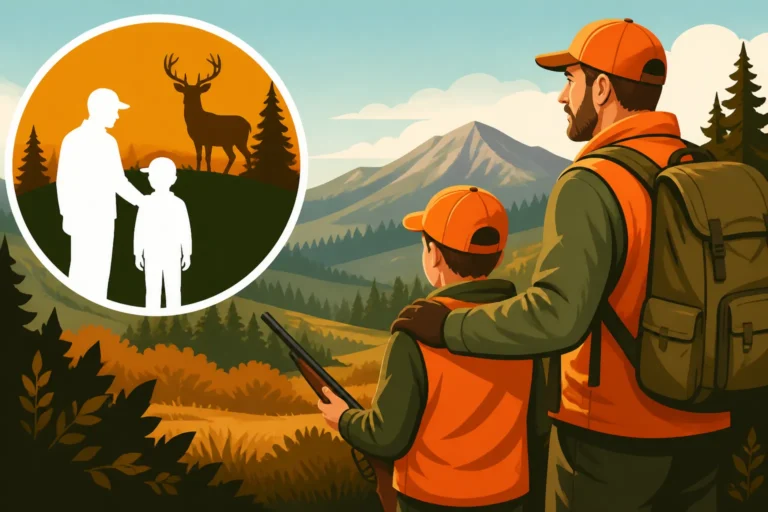
For those who are new to hunting or are unsure if they want to commit to a full hunter education course right away, the Idaho Hunting Passport program is an invaluable stepping stone. It allows a hunter born after January 1, 1975, to go afield without having completed hunter education, provided they are accompanied by a licensed adult mentor. This mentor must be at least 18 years old, possess a valid Idaho hunting license, and, importantly, must have completed hunter education themselves if they were born after the cutoff date. The mentor must remain within arm's reach of the passport holder when actually hunting. This direct supervision rule ensures safety and provides an immediate, experienced resource for the new hunter.
The passport itself is only valid for one calendar year, and you can only participate in the program once in your lifetime. It's truly designed as a "try before you buy" opportunity, giving aspiring hunters a taste of the experience before they commit to full certification. It's a fantastic way to determine if hunting is for you, or to gain initial field experience under the watchful eye of an experienced hunter. Many parents or guardians utilize this for younger family members. The specifics around "The Minimum Age a Mentor Must Be" or "Supervision Rules for Hunters Under Ten" are all part of this program's guidelines, ensuring safe and educational experiences. It’s not meant to be a permanent workaround for the hunter education requirement, but rather a supervised introduction to the sport.
The Broader Impact of Hunter Education
Beyond the legal requirement, hunter education serves a much larger purpose. It’s not just about compliance; it’s about fostering a culture of responsibility, safety, and respect for wildlife and the land we hunt. These courses are foundational to the future of hunting.
Enhancing Safety and Ethical Hunting
One of the most profound impacts of hunter education is the dramatic improvement in hunting safety. Decades ago, hunting accidents were far more common. Thanks to formalized hunter education programs, incidents involving firearms have significantly decreased. These courses rigorously cover the fundamental rules of firearm safety: treat every firearm as if it's loaded, always point the muzzle in a safe direction, keep your finger off the trigger until ready to shoot, and be sure of your target and what's beyond it. These aren't just suggestions; they're life-saving principles.
But hunter education goes beyond just gun safety. It delves deep into ethical considerations. It teaches the importance of fair chase, minimizing suffering, respecting private property, and understanding your role as a conservationist. For instance, knowing how to properly field dress an animal, ensuring no meat is wasted, and understanding carcass transport rules are all part of being an ethical hunter. These lessons reinforce that hunting isn't just about the harvest; it's about the entire process and your impact on the ecosystem. This broader understanding helps to maintain hunting as a respected outdoor pursuit and ensures a positive public perception, which is vital for its continued existence.
Planning Your Hunt Around Certification
When you're mapping out your Idaho hunting adventure, particularly if you're a nonresident or a new hunter, thinking about your hunter education status should be one of the very first items on your checklist. Waiting until a few weeks before the season opener to realize you need to take a course can throw a massive wrench into your plans. Courses, especially the field days, might not be available or might be fully booked.
This is where thorough pre-hunt planning comes into play. Utilize online resources, including the IDFG website, for current regulations and hunter education schedules. If you're using a planning tool like GoHunt to scout potential units, overlay public land boundaries, and research harvest statistics, add a reminder to verify your hunter education status well in advance. Ideally, complete any necessary courses in the spring or early summer, long before application deadlines or season openers. This proactive approach ensures you're legally compliant and mentally prepared, allowing you to fully immerse yourself in the rich experience of an Idaho hunt, rather than stressing over a forgotten certificate. Being certified early means you can focus on more exciting preparations, like "Choosing a Rifle for Idaho's Timber and Breaks" or figuring out "Bugling Elk in Idaho's Timbered Zones."
Disclaimer
Please remember that hunting regulations, seasons, and requirements can change. While this guide aims to provide accurate and up-to-date information, it is always your responsibility to consult the official Idaho Department of Fish and Game regulations for the current year before planning or engaging in any hunting activity. This content is for informational purposes only and does not constitute legal advice.