How Wolf Predation Affects Elk Calf Survival
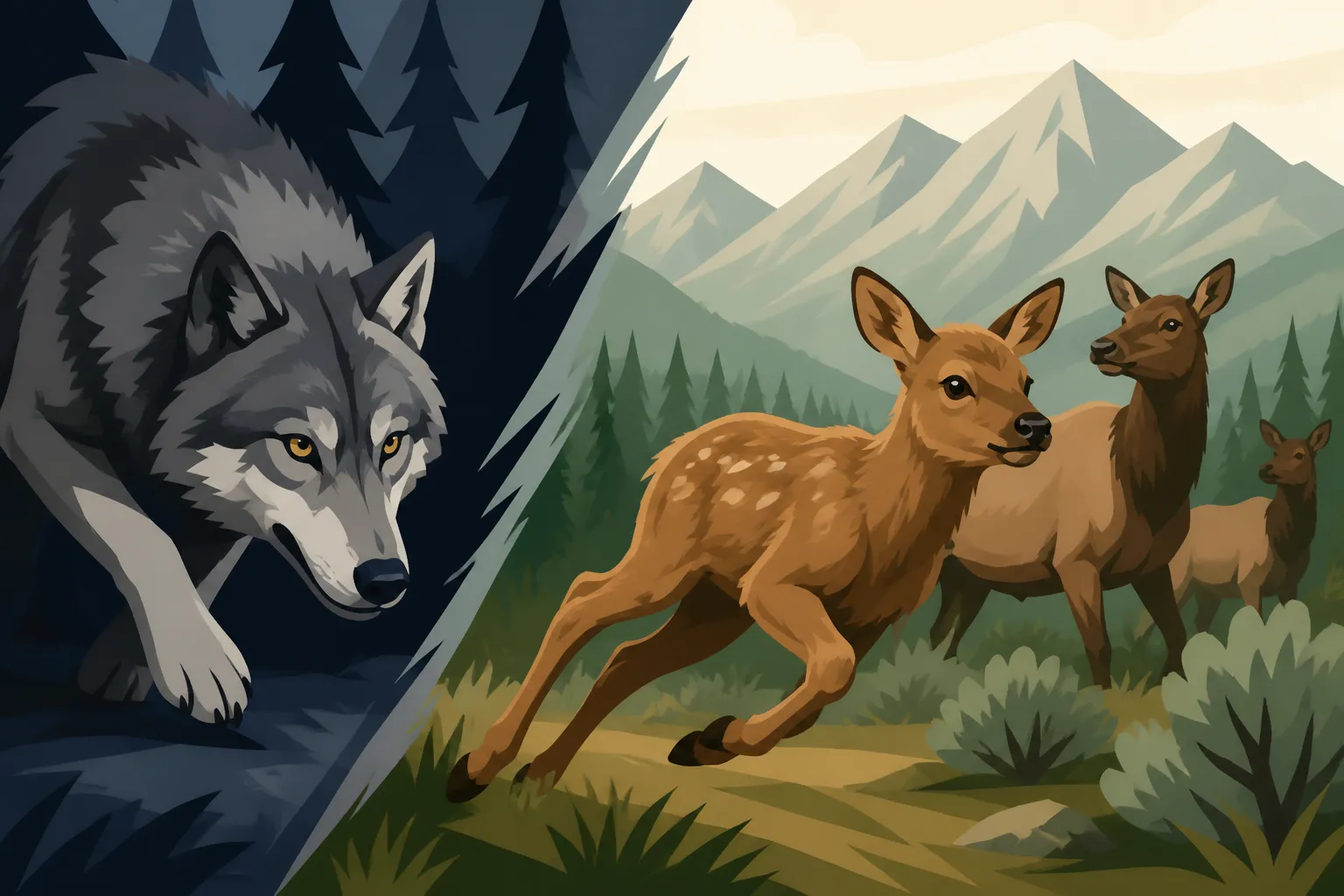
One of the most persistent and often heartbreaking realities for elk hunters and wildlife enthusiasts in Idaho is witnessing the impact of wolf predation, especially on vulnerable elk calves. It’s a complex, emotionally charged topic, and it can be incredibly frustrating to see declining calf recruitment or struggle to find younger animals in your favorite hunting spots. This guide is here to unravel the intricate relationship between wolves and elk calf survival, exploring the direct and indirect ways these apex predators shape the future of Idaho's iconic elk herds and what it means for the landscape and those who cherish it.
The Complex Dynamics of Wolf and Elk Populations in Idaho
Understanding the current situation with elk calf survival isn't just about wolves; it's about the broader history and ecological shifts that have played out in Idaho over decades. We're talking about a landscape that has seen massive changes, from human development to evolving wildlife management philosophies.
Historical Context of Wolves in Idaho
For many long-time Idaho residents and hunters, the reintroduction of wolves in the mid-1990s was a monumental event, sparking passionate debate that continues to this day. Before this, wolves had been largely absent from the Idaho landscape for many decades, removed through extensive eradication efforts in the early to mid-20th century. During that period, elk populations, without a major natural predator like the wolf, often flourished, sometimes reaching densities that led to significant habitat concerns in certain areas.
The reintroduction aimed to restore a missing piece of the ecosystem, bringing back an apex predator believed to be essential for ecological balance. The initial releases involved Canadian gray wolves into central Idaho wilderness areas, a move that stirred both excitement among conservationists and considerable apprehension among ranchers, landowners, and hunters who had grown accustomed to wolf-free hunting grounds. It fundamentally altered the predator-prey dynamics that had existed for generations, setting the stage for the discussions and challenges we face today regarding elk management.
Elk Population Trends Pre- and Post-Wolf Reintroduction
Before the wolves truly established widespread populations, Idaho’s elk herds were generally robust, with many zones experiencing high numbers and healthy calf-to-cow ratios. Hunters often reported seeing good numbers of young elk, indicating strong recruitment into the population. This period represented a kind of golden age for some elk hunters, where opportunities for filling tags were often plentiful, especially in general season hunts.
However, as wolf numbers grew and expanded across the state, particularly in core elk habitats like the Lolo and Selway-Bitterroot zones, hunters and biologists alike began to observe noticeable shifts. While it's crucial to remember that many factors influence elk populations—including habitat quality, drought, human hunting pressure, and the presence of other predators like bears and mountain lions—the arrival of wolves undoubtedly added a significant new layer of pressure. Some areas saw declines in overall elk numbers, and more importantly, a noticeable drop in the number of calves surviving their first year. This decline in young animals directly affects the future health and size of the herd, making it a critical point of concern for anyone invested in the long-term sustainability of Idaho's elk. These trends contribute to why many hunters are keenly interested in understanding things like How Many Elk the State Actually Holds or Elk Harvest Success Rates by Zone.
Direct Mechanisms of Wolf Predation on Elk Calves
It's one thing to talk about population trends in broad strokes, but it’s another to understand the nitty-gritty of how wolves actually impact elk calves on the ground. When we look at direct predation, we're talking about the immediate, tangible effects of a wolf encounter on a young elk.
Predation Rates and Calf Vulnerability
Elk calves are incredibly vulnerable during their first few weeks and months of life. They are small, relatively slow, and lack the experience and stamina to consistently evade a determined predator. Wolves, being highly intelligent and efficient hunters, are acutely aware of this vulnerability. Studies have shown that a significant portion of elk calf mortality in areas with established wolf populations can be attributed to wolf predation. This impact often occurs shortly after birth, when calves are essentially immobile and rely entirely on camouflage and their mother's protection.
As calves grow, their chances of survival increase, but they remain a preferred target for wolves throughout their first year. A wolf pack's hunting strategy often involves testing herds, looking for the weakest or least experienced animals, and calves fit this description perfectly. The reality is, wolf packs need to eat, and a calf represents a much easier meal than a fully grown, healthy adult elk. This isn't a judgment; it's simply a biological fact of the predator-prey relationship. This reality makes it even more critical for hunters to understand the specific Elk Herd Distribution by Zone they plan to hunt, as calf vulnerability can vary by region and habitat.
Behavioral Changes in Elk Due to Wolf Presence
Elk are not passive creatures; they adapt their behavior in response to threats. The presence of wolves has forced elk to become more vigilant and has altered their movement patterns and habitat use. In areas with high wolf activity, elk herds might become more nomadic, moving more frequently to avoid prolonged encounters with predators. They might also choose different calving grounds, opting for areas that offer more cover or steeper, more rugged terrain where wolves might be at a disadvantage.
This constant state of alert can lead to increased energy expenditure for elk, as they spend more time looking for danger and less time foraging efficiently. For calves, this means a mother who is constantly on the move or stressed might be less effective at protecting her offspring or may even abandon a calf under extreme pressure. Imagine the constant stress of being hunted—it changes everything about how an animal lives. This dynamic can impact When the Elk Rut Actually Peaks Out West, as stressed cows might have different breeding cycles or lower conception rates. When scouting units, using a tool like the GoHunt mapping system can help identify areas with sufficient cover and escape routes that elk might prefer under predator pressure.
Indirect Impacts and Ecological Ripple Effects
The presence of wolves doesn't just result in direct kills; it creates a cascade of indirect effects that can also significantly influence elk calf survival and the broader health of the herd. These subtle, long-term shifts are often harder to quantify but are equally important.
Habitat Use Shifts and Nutritional Stress
As mentioned, elk change their behavior in response to wolves. This often means moving out of traditional, high-quality foraging areas into less optimal habitats that offer more security cover. For instance, instead of spending time in open meadows rich with nutritious grasses, elk might retreat into dense timber or steep, north-facing slopes where wolves find it harder to hunt. While this offers protection, it often comes at a cost: less access to prime forage.
Over time, consistently utilizing poorer quality habitat can lead to nutritional stress, especially for pregnant cows and growing calves. A cow that isn't receiving adequate nutrition will likely produce a smaller, weaker calf, making it even more susceptible to predation or disease. Furthermore, her milk production might be lower, further hindering the calf's early development. This cycle of stress and poor nutrition can have a compounding effect, weakening the herd's overall health and making calf survival even more challenging, regardless of direct wolf encounters. Hunters should always consult resources like the GoHunt platform for detailed habitat analysis when planning a hunt, noting potential security cover and forage availability.
The Role of Other Predators and Environmental Factors
It’s easy to point the finger solely at wolves, but the reality is that elk calf survival is influenced by a complex web of factors. Idaho's wilderness is home to other significant predators, including black bears and mountain lions, both of which are known to prey on elk calves. In some areas, bears can be significant calf predators, especially in the spring when they emerge from hibernation hungry and calves are just being born. Mountain lions are also highly effective ambush predators, capable of taking down young elk.
Environmental factors also play a huge, often underestimated, role. Harsh winters with deep snow can lead to significant calf mortality due to starvation or exposure, even without predator involvement. Drought conditions can reduce the availability of nutritious forage, leading to weaker cows and calves. Disease outbreaks can decimate local populations. It’s a multi-faceted challenge, and wolves are just one piece of the puzzle, albeit a very significant one. Understanding these interlocking variables is crucial for grasping the full picture of why calf numbers might be low in certain areas. It also highlights why robust data from sources like Reading an Idaho Harvest Statistics Report is so important for wildlife managers.
Management Strategies and the Hunter's Role
Idaho Fish and Game, like wildlife agencies across the West, faces the unenviable task of balancing diverse interests—conservation, hunting opportunities, and livestock protection—while managing complex ecosystems. Their strategies are constantly evolving in response to population data and public feedback.
Idaho's Wolf Management Plan
Idaho's wolf management plan is designed to balance wolf populations with elk and other big game species, as well as minimizing conflicts with livestock and domestic animals. This plan often involves setting harvest quotas and implementing hunting and trapping seasons for wolves. The intent behind these measures is to reduce wolf numbers in specific areas where elk populations are struggling due to excessive predation, thereby aiming to improve elk calf survival and overall herd health. However, implementing these strategies is not without its challenges, as wolf populations can be resilient and quickly rebound in suitable habitats.
The state regularly adjusts seasons and limits for wolves, striving to maintain a sustainable balance. For hunters, understanding these regulations is key, as participating in wolf harvest can be a direct way to contribute to local elk management goals. For those interested in Idaho Wolf Management and Harvest Limits or How Many Wolves Live in Idaho, the Idaho Fish and Game website is an invaluable resource. The discussion around wolf management is often heated, reflecting the deeply held values of different stakeholders regarding wildlife.
Understanding Data for Better Hunting Decisions
For the savvy elk hunter, recognizing the impact of wolf predation on calf survival isn't just an academic exercise; it's a critical piece of information for making better hunting decisions. If you're seeing consistently low calf-to-cow ratios in a particular hunting unit, it might indicate that calf recruitment is low, potentially due to wolves, and mature bull opportunities might be fewer in future years. Conversely, units with healthy calf numbers suggest a more robust and growing population, which could offer better long-term hunting prospects.
Resources like the Idaho Fish and Game website, and detailed mapping tools such as GoHunt, provide harvest statistics and population data that can help you assess these factors. Learning to E-Scouting an Idaho Unit Before the Season by looking at calf ratios, wolf harvest numbers, and elk distribution can give you a significant edge. It allows you to move beyond simply chasing rumors and instead make informed choices about where to invest your time and effort. Understanding data points, such as where Wolf Season Differences on Private Land might lead to different wolf densities, can also inform your hunting strategy.
| Factor Affecting Calf Survival | Description | Primary Impact on Calf |
|---|---|---|
| Wolf Predation | Direct killing of calves, especially newborns and young animals, by individual wolves or packs. | Immediate mortality; reduces overall calf recruitment. |
| Other Predators | Predation by black bears and mountain lions, particularly during spring and early summer when calves are most vulnerable. | Adds to overall predator pressure; contributes to mortality rates alongside wolves. |
| Habitat Quality | Availability of nutritious forage and suitable cover. Poor habitat leads to weaker cows and calves. | Malnutrition, smaller birth weight, reduced stamina, increased susceptibility to disease and predation. |
| Environmental Conditions | Harsh winters (deep snow, extreme cold), drought conditions, or significant wildfires affecting forage and cover. | Starvation, exposure, increased stress on cows affecting calf health, altered movement patterns. |
| Cow Health/Nutrition | The physical condition of the mother elk before and during gestation, influenced by diet, stress, and age. | Direct impact on calf size, vigor, and survival chances; affects milk production post-birth. |
| Calving Ground Security | The safety and seclusion of the areas where cows give birth, influencing calf concealment from predators and human disturbance. | Increased or decreased vulnerability to predators depending on cover and remoteness. |
| Disease | Outbreaks of various diseases that can affect young elk, particularly when populations are stressed or at higher densities. | Can cause widespread mortality independent of predation, further stressing populations. |
This understanding empowers you, the hunter, to be part of the solution, whether through active participation in wolf harvest where permitted, or by supporting conservation efforts that address habitat challenges. It's about respecting the intricate balance of nature and making sure that Idaho’s elk herds continue to thrive for generations to come.
Disclaimer
This article is for general informational purposes only and does not constitute professional advice. Laws, prices and regulations vary by location and change over time. Consult a qualified professional for guidance on your specific situation.