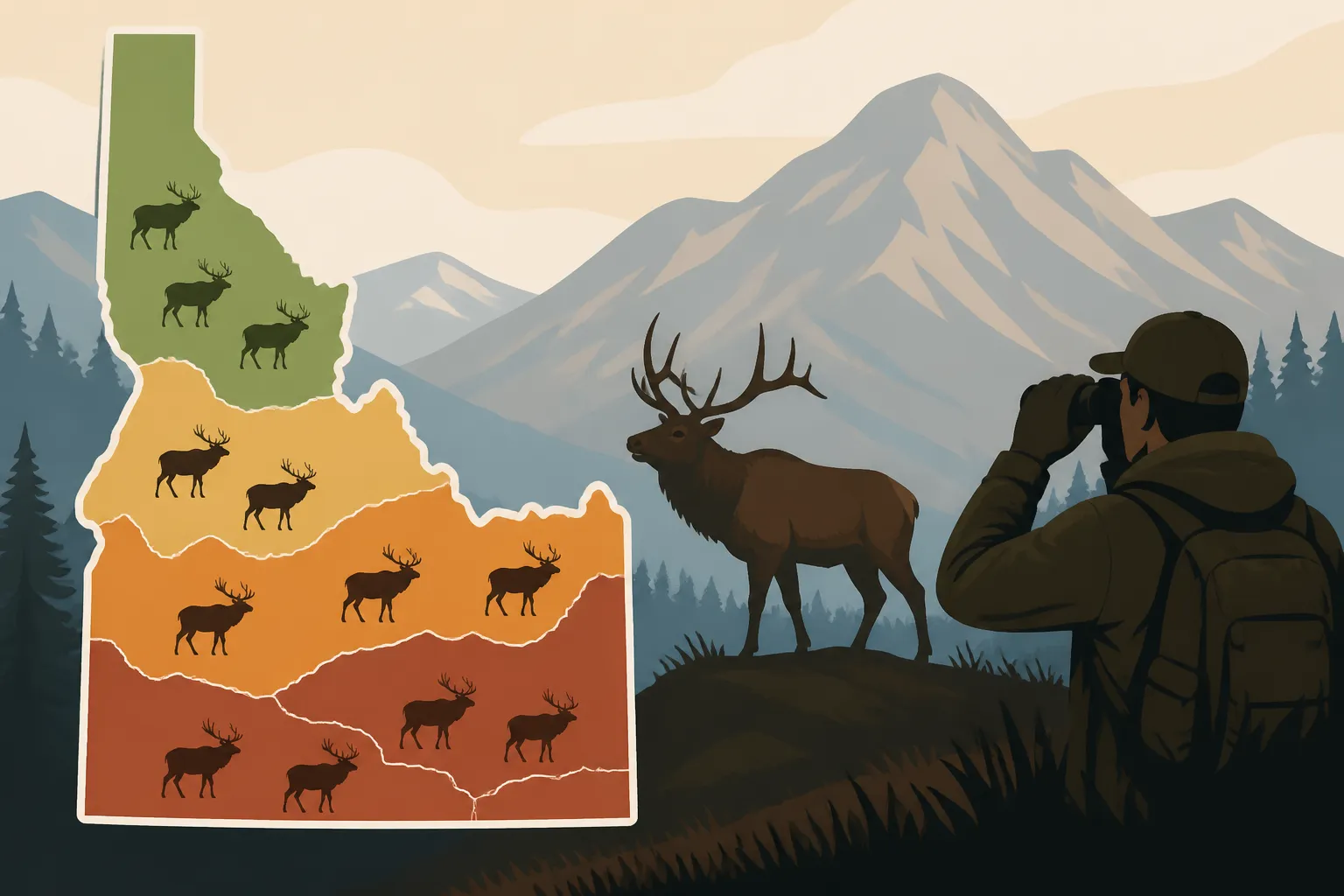
Elk Herd Distribution by Zone
For many hunters, the dream of an Idaho elk hunt is a powerful draw, conjuring images of bugling bulls echoing through timbered canyons. But the reality can hit hard when you realize that "Idaho" isn't one giant, homogenous elk haven. Herds are distributed unevenly, influenced by habitat, pressure, and geography, leaving many hunters frustrated about where to even begin their planning. This guide aims to demystify Idaho's elk herd distribution by breaking down the zones, explaining why elk live where they do, and helping you identify promising areas for your next adventure.
Understanding Idaho's Elk Zones and Units
Before we dive into the nitty-gritty of where the elk are, it’s crucial to understand how Idaho Fish and Game (IDFG) structures its hunting areas. This system, while designed to manage wildlife effectively, can initially feel like navigating a maze, especially for new or nonresident hunters. Ignoring this foundational understanding is a sure-fire way to end up in the wrong place or with the wrong tag.
The Distinction Between Zones and Units
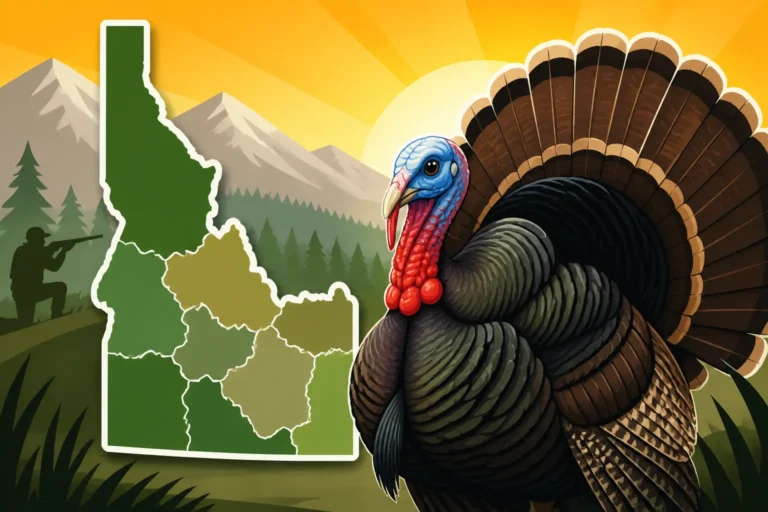
Idaho's hunting landscape is primarily divided into Game Management Units (GMUs), often just called "units." There are 99 of these, and they are the granular geographic boundaries that dictate specific regulations, such as season dates, weapon restrictions, and tag allocations for various species. Think of units as the building blocks of the hunting map. However, for elk, Idaho layers another system on top: the Elk Zones. These zones are larger geographical areas, each encompassing multiple GMUs, and they dictate the general season structure for elk, including the infamous A-tag and B-tag choices. It's a common misconception that elk zones entirely replace units; they don't. Rather, they provide an overarching framework, while the unit-specific rules still apply within those zones. Understanding how Idaho Elk Zones and the Units intersect is paramount to deciphering the regulations for your chosen hunt.
Why Zone Boundaries Matter for Hunters
The elk zone you choose to apply for or hunt in dictates everything from the type of tag you need (A or B) to the general season dates and weapon restrictions. For instance, some zones are known for offering more archery opportunities, while others lean heavily towards rifle seasons. A hunter focusing on an early archery hunt needs to ensure their chosen zone and unit allow for it. The zone boundaries are not arbitrary lines on a map; they often reflect significant habitat differences, elk population dynamics, and management goals specific to that region. For example, a zone with a high percentage of wilderness might have different herd management strategies than a zone dominated by private agricultural lands. Misinterpreting these boundaries could mean traveling hundreds of miles only to find your tag isn't valid for the weapon or season you intended, or that the specific unit within the zone has already met its quota.
The Role of the Idaho Hunt Planner
Navigating these complexities is where tools like the Idaho Hunt Planner become invaluable. This online resource, maintained by IDFG, is specifically designed to help hunters cut through the confusion. You can explore different elk zones, overlay unit boundaries, check drawing odds, and review harvest statistics for specific areas. Instead of guessing, you can use the planner to see what regulations apply to an area you're interested in, including detailed legal descriptions of the hunt boundaries. While other mapping services like GoHunt offer fantastic overlays for public land and private property, the official Idaho Hunt Planner is your absolute first stop for understanding the regulatory landscape. It provides crucial data on elk populations and recent success rates, which are key indicators of herd distribution and density. It’s the closest thing to having an IDFG biologist sitting next to you, explaining the nuances of each area.
Northern Idaho Elk Zones: Timbered Country and Whitetail Mix
Northern Idaho presents a unique elk hunting experience, characterized by vast tracts of timber, steep mountainsides, and a significant overlap with whitetail deer habitat. The elk here are often found in dense cover, making glassing challenging and still-hunting or calling more prevalent tactics. This region is also where you'll find some of Idaho's most rugged and remote wilderness areas, attracting hunters seeking a true backcountry adventure.
Panhandle Zone: Dense Forests and Accessibility
The Panhandle Zone, situated in the very northernmost part of Idaho, is defined by its extensive, thick conifer forests and relatively lower elevations compared to other zones. While it holds a healthy elk population, the density of timber can make finding them a real challenge. Elk in this zone tend to be more spread out and are masters of utilizing the cover. This can be frustrating for hunters accustomed to glassing large open basins, as much of the hunting here is done by still-hunting or carefully working through draws and clearcuts. Road access is generally good in many parts of the Panhandle, which can lead to higher hunting pressure in easily accessible areas. However, for those willing to walk a few miles from the road, quality opportunities can be found. The Panhandle often sees good numbers of archery hunters in the early season, utilizing bugling and cow calling strategies. If you're looking for Bugling Elk in Idaho's Timbered Zones, this area can certainly deliver, though the heavy cover means those close encounters are hard-earned.
Selkirk/Selway Zone: Wilderness Elk and Challenging Hunts
Moving south and east from the immediate Panhandle, you encounter the Selkirk and Selway Zones, which offer a dramatically different elk hunting experience. The Selway Zone, in particular, encompasses a large portion of the renowned Selway-Bitterroot Wilderness Area. This means truly remote, physically demanding hunts where motorized vehicles are prohibited, and much of the hunting occurs on foot or horseback. The Selkirk Zone, while not entirely wilderness, also features rugged, timbered mountains. Elk populations in these areas can be strong, but they are often widely dispersed, and the sheer vastness of the landscape combined with the challenging terrain means hunters must be prepared for extended stays and significant effort. This is not a casual day-hunt area. For nonresidents, hunting these designated wilderness areas for elk comes with specific regulations, as Designated Wilderness Changes the Rules for Idaho Nonresidents, often requiring the use of a licensed outfitter. These zones are classic strongholds for big bulls, precisely because of the low human pressure and abundant, albeit dense, habitat.
Lolo Zone: A Famous but Demanding Elk Haven
The Lolo Zone, situated in north-central Idaho, has a legendary reputation among elk hunters. It's known for producing some truly massive bulls, and historically, it has been a strong producer. However, it's also famous for being one of the most demanding elk hunts in the state, both physically and mentally. Similar to the Selway, much of the Lolo is steep, timbered, and remote. Elk here are tough, savvy, and thrive in the thick cover and rugged topography. While it’s one of the Idaho Elk Zones with the potential for exceptional trophy quality, success rates can be lower due to the difficulty of the terrain and the elusiveness of the animals. The Lolo is a prime example of a zone where understanding specific unit boundaries and their unique characteristics is vital, as hunting pressure and elk distribution can vary even within this single, expansive zone. Hunters considering the Lolo should be in peak physical condition and prepared for a wilderness-style hunt, even if they aren't technically in a designated wilderness area.
Central Idaho Elk Zones: Backcountry Strongholds and Diverse Terrain
Central Idaho is often considered the heart of the state's elk country, boasting vast wilderness areas, towering mountain ranges, and deep river canyons. This region holds some of Idaho's largest elk populations and offers incredibly diverse hunting opportunities, from accessible front-country units to multi-day pack trips into remote strongholds.
Middle Fork Zone: Remote Wilderness and High Elk Numbers
The Middle Fork Zone is synonymous with remote, backcountry elk hunting. Encompassing significant portions of the Frank Church River of No Return Wilderness, it's a vast landscape where elk thrive with minimal human interference. Historically, this zone has maintained some of the highest elk densities in the state. The terrain is incredibly rugged, characterized by steep canyon walls, dense timber, and high-elevation basins. Access is primarily on foot, horseback, or by permitted aircraft into backcountry airstrips. For hunters seeking a true wilderness experience and willing to put in the effort, the Middle Fork offers excellent opportunities for both quantity and quality of elk. The sheer size of the zone means that even with good elk numbers, finding them requires extensive scouting and a deep understanding of elk behavior in such wild country. This is definitely one of the Idaho Elk Zones with high potential, but it demands serious commitment.
Frank Church Zone: True Backcountry Experience
Directly adjacent and often culturally intertwined with the Middle Fork, the Frank Church Zone shares many of the same characteristics: vast wilderness, steep terrain, and healthy elk populations. It represents the quintessential Idaho backcountry hunting experience. Elk in this zone are largely unpressured, following natural migration patterns between high summer ranges and wintering grounds along the Salmon River breaks. Hunters here rely heavily on horses or strong legs to penetrate deep into the mountains, setting up spike camps and covering vast amounts of ground. The rewards can be significant, with consistent opportunities for encounters with mature bulls. Planning a hunt in the Frank Church Zone requires meticulous attention to detail, from logistics to physical conditioning. Because of its wilderness status, nonresidents aiming for elk here should be aware of guide requirements. This area often offers incredible scenery, but the focus remains on challenging, rewarding hunting for robust elk herds.
Salmon and Lemhi Zones: River Breaks and Mountain Ranges
The Salmon and Lemhi Zones, located in east-central Idaho, present a fascinating mix of habitat, from the famous Salmon River breaks to high sagebrush basins and timbered mountain ranges like the Lemhi and Beaverhead. Elk distribution in these zones is influenced heavily by elevation and access. During early seasons, elk can be found high in the timbered mountains, often in Terrain That Hides a Stalk Above Timberline, while later in the season, they descend to lower elevations, including the river breaks and adjacent private lands. These zones offer a blend of accessible units and more remote areas. The Salmon River corridor itself can be a major draw, providing winter range and migration routes. Hunters here might employ different tactics depending on the specific unit and time of year, from glassing open hillsides to still-hunting timber. The variety of terrain also means a variety of hunting styles are effective, making these zones appealing to a broad spectrum of hunters.
Eastern Idaho Elk Zones: High Plateaus and Borderland Herds
Eastern Idaho is characterized by its high plateaus, volcanic features, and proximity to the Wyoming and Montana borders. The elk herds here often inhabit a mix of timber, sagebrush-steppe, and agricultural lands, with significant seasonal movements. Many of these zones are known for large, healthy elk populations, but they can also experience considerable hunting pressure.
Island Park Zone: Snowmobile Access and Winter Range
The Island Park Zone, nestled against the Yellowstone National Park border, is famous for its incredible winter range and the presence of large elk herds, especially during the colder months. During hunting season, particularly early archery and muzzleloader seasons, elk can be found in the timbered areas and around the fringes of the park. As winter approaches, many elk migrate into this zone, making it a critical wintering ground. While general access can be good, specific areas within the zone are prone to heavy snow, which can restrict late-season hunting to those with snowmobiles or skis. This zone's proximity to Yellowstone also means that some elk have learned to avoid pressure by utilizing refuge areas. For hunters, success in the Island Park Zone often hinges on understanding these migration patterns and being prepared for varied conditions, from mild early fall weather to deep snow later in the season.
Palisades Zone: Steep Canyons and Wyoming Borderlands
The Palisades Zone, stretching along the Wyoming border, is a rugged landscape dominated by steep canyons, dense timber, and high mountain meadows. This zone consistently holds a strong elk population, benefiting from migration patterns that often see elk moving back and forth across the state line. The terrain here can be extremely physically demanding, requiring hunters to navigate steep ascents and descents. Much like the central Idaho zones, glassing is effective in the open sagebrush-steppe and clearcuts, while careful still-hunting is crucial in the timbered areas. Elk in the Palisades are known for their resilience and ability to disappear into the vastness of the landscape. Hunters looking for a challenging but rewarding rifle hunt often focus on this zone, where the potential for mature bulls is high, especially for those willing to get away from road access. The mix of habitat types means flexible hunting strategies are usually the most successful.
Tex Creek Zone: Mixed Habitat and Public Land Access
The Tex Creek Zone, located west of the Palisades, is a popular destination due to its strong elk population and relatively good public land access, interspersed with private agricultural ground. This zone features a mosaic of habitats, including timbered ridges, sagebrush flats, and agricultural fields where elk frequently feed. Elk in Tex Creek are well-known for their adaptability, often utilizing the security of timbered public lands during the day and moving onto private agricultural fields to feed at night. This behavior can create unique hunting challenges and opportunities, requiring hunters to secure permission on private land or focus intensely on public land travel corridors. The zone's popularity means it can experience significant hunting pressure, particularly during rifle seasons. Success often comes to those who scout thoroughly, understand elk movement between cover and feed, and are willing to hike into less-pressured public land pockets. It's an excellent example of a zone where understanding public vs. private land access is critical, as detailed in Hunting Idaho's National Forests and BLM Ground.
Southwestern Idaho Elk Zones: Foothills to High Mountains
Southwestern Idaho offers a diverse array of elk habitats, ranging from high desert foothills to rugged mountain ranges. While not always boasting the massive herds of the central wilderness, these zones can provide excellent opportunities, especially for hunters who live nearby and can conduct extensive pre-season scouting.
Boise River Zone: Close to Population Centers, Still Wild
The Boise River Zone is remarkable for its proximity to Idaho's largest population center, yet it still offers legitimate elk hunting opportunities. This zone comprises the rugged mountains and foothills surrounding the Boise River drainage. Elk here are often found in the timbered canyons and high country during the early seasons, moving down into lower elevations as snow accumulates. Hunting pressure can be high due to its accessibility, especially on weekends. However, for those willing to hike beyond the immediate road systems, quality hunting can be found. Elk in the Boise River Zone are often highly educated and will quickly adapt to hunting pressure, moving into dense cover or finding secluded pockets. This zone is a great option for hunters who want to avoid long travel times and are committed to scouting and understanding local elk movements, often finding success by identifying these low-pressure havens.
Pioneer Zone: Rugged Mountains and Remote Pockets
East of the Boise River Zone, the Pioneer Zone lives up to its name, offering a more rugged and remote experience in the Pioneer Mountains. This zone is characterized by its high-elevation timber, alpine basins, and steep, broken terrain. Elk populations here are generally healthy, though perhaps not as dense as some central wilderness areas. Success in the Pioneer Zone often requires physical fitness and a willingness to get deep into the mountains, away from easily accessible trailheads. This is excellent country for hunters who enjoy backpacking and spike camping. Elk typically inhabit the higher elevations during summer and early fall, moving to lower, more protected areas as winter approaches. The remoteness helps to keep hunting pressure localized, and for those who put in the effort, the Pioneer Zone can yield rewarding hunts for mature bulls in a truly spectacular setting.
Owyhee Zone: Sparse Herds in Arid Country
The Owyhee Zone, in the extreme southwestern corner of Idaho, presents the most arid and unique elk habitat in the state. This high desert country is characterized by vast sagebrush plains, basalt canyons, and scattered juniper. Elk populations here are generally sparse compared to other zones, but they are incredibly resilient and have adapted to this harsh environment. Hunting in the Owyhee is often about covering vast amounts of ground, glassing from prominent points, and being extremely patient. Water sources are critical focal points for elk in this arid landscape. Success often involves a significant amount of scouting, a good understanding of the limited available cover, and a willingness to pursue a challenging hunt for a unique desert elk. While not known for high densities, drawing a tag in the Owyhee can offer a truly distinctive and solitary elk hunting experience.
Factors Influencing Elk Distribution: Beyond the Zone Map
Understanding the boundaries of Idaho's elk zones is a fantastic start, but it's just one piece of the puzzle. Elk, being wild animals, don't rigidly adhere to lines on a map. Their actual distribution is a dynamic interplay of various environmental and anthropogenic factors. To truly predict where to find elk within a given zone, you need to consider the forces that shape their daily lives.
Habitat, Elevation, and Seasonal Movement
Elk are creatures of habit and necessity, constantly seeking the optimal balance of food, water, and cover. Their distribution is profoundly influenced by the availability of quality habitat. During the spring and summer, you'll often find them high in the mountains, feasting on lush alpine forage in areas where food is abundant and temperatures are cooler. As fall progresses and hunting seasons open, their focus shifts to breeding (the rut) and preparing for winter. This often means moving to lower elevations, following food sources like acorns or specific grasses, and seeking out denser thermal cover for protection.
Elevation plays a crucial role. Early season hunts might find elk above timberline, requiring strenuous climbs and specialized tactics for stalking. Later in the season, as snow pushes them down, they'll congregate in traditional winter range areas, often at lower elevations. Understanding these predictable seasonal movements is paramount. For example, knowing that elk typically move from high summer pastures to more protected, lower-elevation wintering grounds in the Salmon and Lemhi River breaks can inform where you focus your efforts as the season progresses. A detailed map and knowledge of historical migration corridors can be as important as your weapon of choice.
Hunting Pressure and Refuge Areas
Elk are smart animals, and they quickly learn to associate human presence with danger. Consequently, hunting pressure is a major factor influencing their distribution within any given zone. Areas with easy road access or popular trailheads will often see elk quickly vacating the immediate vicinity once hunting season opens. These animals will seek out thicker timber, steeper terrain, or designated "refuge" areas where hunting is prohibited or significantly restricted.
Many successful hunters in heavily pressured units or zones don't necessarily hunt where the most elk are, but rather where the most elk will be once the pressure starts. This means identifying those hard-to-reach pockets, deep canyons, or remote ridges that hunters typically avoid. Even within zones known for good populations like Tex Creek, the elk can become incredibly elusive due to pressure, pushing them into less accessible corners. Spotting scope power for Idaho's long canyon sightlines can be invaluable for locating these wary animals from a distance before they detect your presence. Some elk, especially those bordering private property or national parks, will even learn to move back and forth, using these areas as safe havens during hunting season.
Winter Severity and Calf Survival
While not directly impacting immediate hunting season distribution, the severity of past winters has a significant, long-term effect on elk herd health and subsequent distribution. A harsh winter with deep, prolonged snow and extreme cold can lead to higher mortality rates, especially among calves and older animals. This directly reduces the overall population size in affected zones. When calf survival is low, the overall herd growth slows, which can impact tag allocations and hunter success rates in future years.
Conversely, mild winters allow more elk to survive, leading to healthier and potentially larger herds. This resilience can then allow herds to expand their range or maintain higher densities in certain areas. Idaho Fish and Game carefully monitors these metrics. The impact of predators, particularly wolves, can also play a role in calf survival and How Wolves Changed Idaho Elk Numbers, which in turn influences herd distribution patterns over time. Understanding these ecological factors provides a more holistic view of why elk numbers fluctuate and why they are distributed in the patterns we observe across the state.
Here's a quick overview of some of Idaho's major elk zones and their general characteristics:
| Elk Zone | Primary Habitat Type | General Elk Population Trend | Typical Hunting Pressure | Key Challenge/Note |
|---|---|---|---|---|
| Panhandle | Dense Conifer Forests, Rolling Hills | Stable to Increasing | Moderate to High | Thick cover, localized pressure near roads |
| Selway | Rugged Wilderness, Dense Timber, High Elevations | Stable, Good Density | Low (due to remoteness) | Extreme physicality, wilderness regulations |
| Lolo | Steep, Timbered Mountains, Deep Canyons | Stable, Quality Potential | Moderate | Extremely challenging terrain, elusive elk |
| Middle Fork | Vast Wilderness, Steep Canyons, Mixed Timber/Alpine | High Density, Strong Herds | Low (due to remoteness) | Backcountry logistics, guide rule for nonresidents |
| Salmon/Lemhi | River Breaks, Sagebrush, Timbered Mountains | Stable to Increasing | Moderate | Varied terrain, seasonal migrations |
| Island Park | Timber, High Plateaus, Winter Range | Stable to High | Moderate to High | Border effect, snow access later in season |
| Palisades | Steep Canyons, Timber, Sagebrush-Steppe | Stable, Good Potential | Moderate | Physically demanding, border crossings |
| Tex Creek | Mixed Timber, Sagebrush Flats, Agricultural Fringes | Stable, High Density | High | Private land access, educated elk |
| Boise River | Foothills, Timbered Canyons, Front-Country Mountains | Stable | High | Proximity to city, pressured elk |
| Pioneer | Rugged Mountains, Alpine Basins, Timber | Stable | Low to Moderate | Physical demand, good remote opportunities |
| Owyhee | Arid High Desert, Juniper, Basalt Canyons | Sparse, Stable | Low | Sparse population, vast country, water dependent |
Disclaimer
Please remember that hunting regulations and elk distributions can change. Always consult the most current Idaho Fish and Game regulations and official hunt planner before making any decisions or planning your hunt. This information is intended as a general guide and does not replace official state resources.