When the Elk Rut Actually Peaks Out West
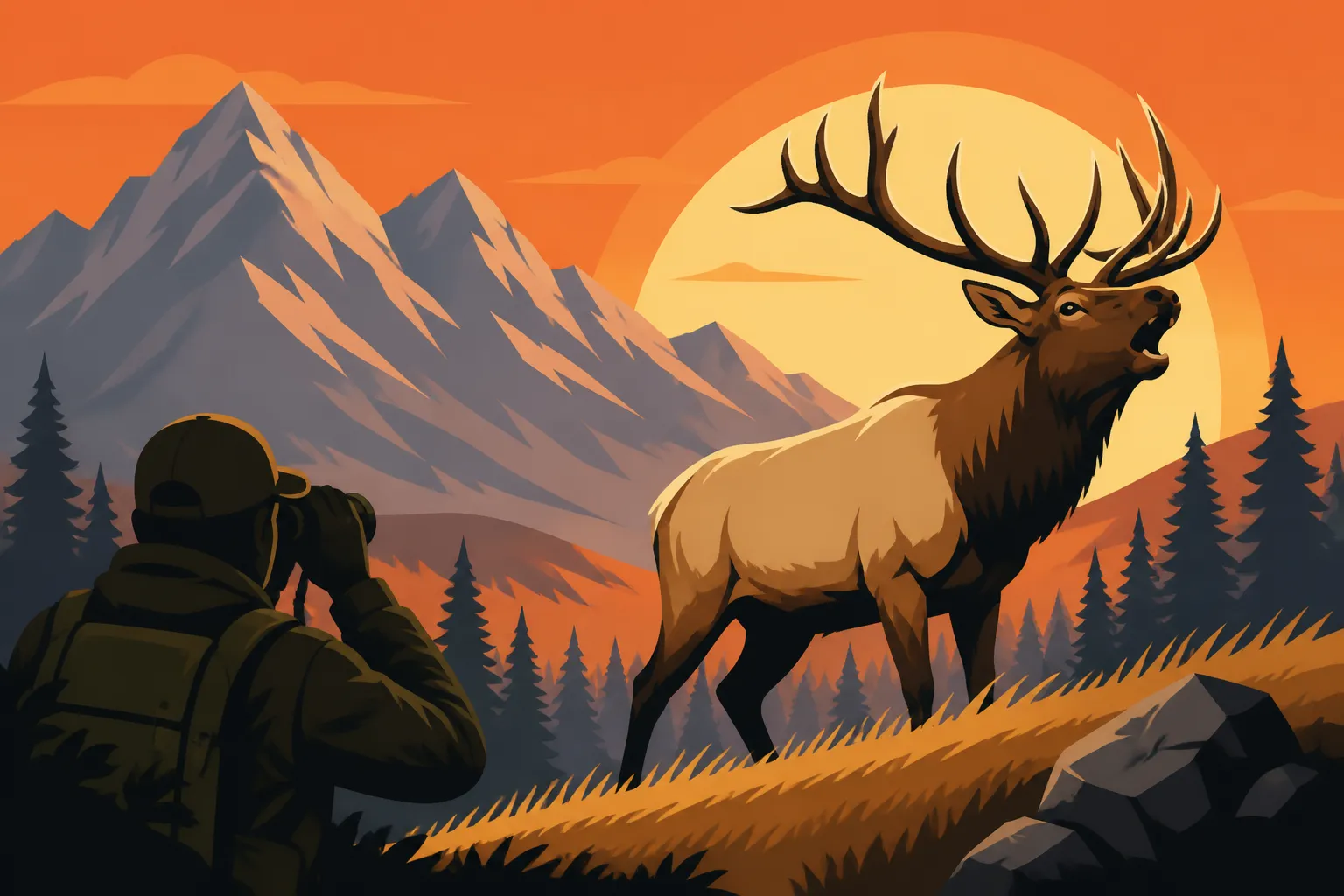
Oh, the elk rut. It’s a phrase that conjures up images of screaming bulls and intense action, and for many of us, it’s the reason we brave the backcountry each fall. But if you’ve spent any time chasing elk, you know that trying to pin down the exact "peak" of the rut can feel like trying to catch smoke. It's frustrating when you plan your precious hunting vacation around what you think is the prime window, only to find the woods eerily quiet. This guide is all about cutting through the myths and giving you a realistic understanding of when the elk rut truly peaks out west, specifically within the diverse landscapes of Idaho, and how you can best position yourself for success.
The Myth of a Single Rut Peak
Let's just clear the air right now: there isn't one magical, universal day when every bull elk in Idaho decides to start bugling their hearts out and breed. If only it were that simple, right? The idea of a single, defined "peak rut" is a nice notion for magazine articles and Instagram captions, but the reality on the ground is far more nuanced. Elk are creatures of their environment, and their breeding cycle is influenced by a complex interplay of internal biology and external factors that can shift from one drainage to the next, and certainly from one year to the next.
Why the Rut Isn't a Calendar Date
The biggest misconception is treating the rut like a static date on the calendar. Many hunters fixate on a specific week, often the last week of September into the first week of October, as the time. While this window often sees significant activity, it’s not guaranteed. The actual breeding period, when cows are receptive and bulls are actively seeking them, is more of a spectrum than a pinpoint. It's a progression that starts with early bugling and sparring, moves into intense breeding activity, and then tapers off. This whole dance can easily span several weeks, and the intensity of that dance can vary wildly.
Think of it like this: your neighbor might cut his lawn on a Tuesday, but the guy down the street waits until Saturday. Both are mowing, but their schedules differ. Elk are similar; some bulls might get fired up early, while others are late bloomers. Plus, the sheer vastness of Idaho means different herds in different parts of the state can be on slightly different timelines. A bull in the dense timber of the Panhandle might be acting differently than one in the open sage of southern Idaho. It’s why you hear stories of hunters encountering roaring bulls in early September, and others still finding action in late October.
The Role of Estrous Cycles
At the heart of the rut is the cow elk’s estrous cycle. Bulls are essentially reacting to the cows’ readiness to breed. A cow typically enters estrus for a short window, usually around 24 hours, and if she's not bred, she'll cycle again in about 20-21 days. This staggered cycling among the cows in a herd means that even within a single group, there isn't a simultaneous moment of peak receptivity.
This biological reality drives the prolonged nature of the rut. A big herd will have cows coming into estrus at different times, which keeps the bulls active and vocal over an extended period. This is fantastic news for hunters, because it means that even if you miss the absolute "hottest" few days, there’s still plenty of opportunity to find a receptive cow and, consequently, a bugling bull. It's a critical point often overlooked when hunters get discouraged by a few quiet days in the woods. Understanding that the rut is driven by these individual cycles helps manage expectations and strategize for a longer season of potential success.
Understanding the Factors That Influence the Rut in Idaho
So, if it’s not just a date, what does make the rut tick? It's a combination of predictable biological cues and unpredictable environmental variables. Being able to read these signs and understand their impact is far more valuable than blindly adhering to a calendar.
Photoperiod: The Unchanging Trigger
The primary, overarching trigger for the elk rut is photoperiod – the amount of daylight in a 24-hour cycle. As the days shorten after the summer solstice, a hormonal cascade is initiated in both cows and bulls. This is the biological clock that tells them it's time to reproduce. Unlike temperature or precipitation, photoperiod is consistent year after year. This is why the rut generally falls within the same broad window each autumn across the western states.
Think of photoperiod as the master switch that sets the stage. It dictates when the rut begins to wind up and when it starts to wind down. However, it doesn't control the intensity or the specific micro-timing of peak activity within that window. That's where the other, more variable, factors come into play. It's the stable foundation upon which the more dynamic elements build.
Weather Conditions: Temperature and Precipitation
This is where things get interesting, and often frustrating, for hunters. Weather can significantly influence how vocal and active elk are during the rut.
- Temperature: Cooler temperatures tend to increase elk activity. Bulls are less prone to overheating when chasing cows and fighting rivals if the mercury isn't soaring. A string of warm, sunny days in early September can keep elk quiet and bedded down, only becoming active at night or during the cooler hours of dawn and dusk. Conversely, a cold snap, especially one that brings frost or light snow, can ignite activity, making bulls more vocal and willing to move. I've been in the Idaho backcountry where a sudden cold front completely changed the elk's demeanor overnight, transforming a quiet drainage into a symphony of bugles.
- Precipitation: Light rain or a fresh dusting of snow can often make elk feel more secure, masking human scent and sound, and allowing them to move more freely. This can lead to increased activity and bugling. However, heavy, driving rain or deep, wet snow can suppress activity, causing elk to hunker down. If it’s truly nasty out, even the most rut-crazed bull might decide to seek shelter rather than chase cows. When using tools like GoHunt to scout and plan, paying attention to long-range weather forecasts for your chosen Idaho hunting unit can be incredibly beneficial.
Moon Phase: Fact or Fiction?
The influence of the moon on elk activity is a hotly debated topic among hunters. Some swear by a full moon, others say the new moon is best, and some dismiss it entirely. The truth, like most things in nature, is probably somewhere in the middle.
A bright full moon might encourage more nocturnal activity, causing elk to feed and rut more under the cover of darkness. This could lead to a perceived decrease in daylight activity, making it seem like the rut is "slow." Conversely, a new moon phase, with darker nights, could push more of that activity into daylight hours. However, many seasoned hunters argue that moon phase is secondary to weather. If it's cool and crisp during a full moon, elk will still be active. If it's warm and muggy during a new moon, they might still be lethargic.
It’s one of those factors that’s worth being aware of, but probably shouldn't be your primary decision-maker for when to hunt. Prioritizing good weather conditions and being in areas with high elk density will almost always trump chasing a specific moon phase.
Herd Dynamics and Hunting Pressure
The specific characteristics of the elk herd you’re hunting can also play a huge role.
- Bull-to-Cow Ratio: In areas with a healthy bull-to-cow ratio, competition among bulls is higher. This increased competition generally leads to more aggressive bugling, sparring, and satellite bull activity, making the rut feel more intense and prolonged. Conversely, in areas with fewer bulls, the rut might be quieter.
- Cow Density: More cows in an area mean more opportunities for bulls to find receptive mates, potentially extending the period of intense rutting activity.
- Hunting Pressure: This is a critical one in many easily accessible areas of Idaho. High hunting pressure can absolutely shut down bugling and visible rutting activity, especially in early season. If bulls are constantly being chased, bumped, or called to, they become wary and quieter. This doesn’t mean the rut isn’t happening; it just means the elk are doing it more stealthily. You might need to adjust your tactics, perhaps trying more subtle calling or focusing on still hunting in thicker cover. This is where researching different hunting units and their historical pressure using resources like the Idaho Fish and Game hunt planner or a tool like GoHunt can give you an edge. Sometimes, going deeper into the backcountry where pressure is less intense is the key to finding those vocal, unpressured bulls.
Pinpointing Peak Rut Activity: Strategies for Hunters
So, how do you, as a boots-on-the-ground hunter, figure out when the rut is really peaking in your chosen Idaho elk zone? It comes down to observation, adaptability, and a little bit of historical knowledge.
Reading the Signs on the Ground
Forget the calendar; let the elk tell you what's happening. The best indicator of peak rut activity isn't a date, but observable signs:
- Increased Bugling: This is the obvious one, and what everyone hopes for. When you hear multiple bulls actively bugling, not just locator bugles at dawn and dusk, but challenging, fighting bugles throughout the day, you're in a good spot.
- Fresh Rubs and Walllows: While bulls make rubs before the rut, fresh, shiny rubs with bark still clinging to them, or active, muddy wallows, are clear indicators that bulls are highly agitated and in the thick of it. These are their calling cards and spa treatments, all rolled into one.
- Herding Activity: Bulls will be actively herding cows, keeping them grouped together and trying to prevent other bulls from cutting them out. You'll see bulls pushing cows, chasing off satellites, and generally exhibiting dominant behavior.
- Visual Sightings: Seeing bulls actively chasing cows, or even witnessing sparring matches between bulls, is the ultimate confirmation that the rut is on. These are often brief but unforgettable moments.
Hunting the "Seeking" Phase vs. the "Breeding" Phase
Understanding the different phases of the rut can help you adjust your strategy.
- Early Rut (Seeking Phase): Typically late August into early September. Bulls are starting to separate from bachelor groups, making locator bugles, and cautiously searching for the first receptive cows. This can be a great time for calling, as bulls are often more responsive and less "cow-locked." This is also when you might hear a few lone bugles that sound really promising. It's a phase where you might be able to capitalize on a bull's eagerness before he gets fully tied up with cows.
- Peak Rut (Breeding Phase): Generally mid-September through early October. This is when the majority of cows are cycling, leading to the most intense bugling, fighting, and herding. Bulls are often "cow-locked," meaning they are so focused on their harems that they can be harder to call away. However, aggressive calling, especially cow calls or challenge bugles, can still draw in dominant bulls defending their territory or satellite bulls looking for an opportunity. This is a period of high drama and often high frustration if you're not in the right spot or if pressure is intense.
- Late Rut (Post-Peak/Cleanup Phase): Mid-October and sometimes into November. Most cows have been bred, but there are still some cycling, and younger cows might be coming into estrus for the first time. Bulls are often tired and worn out but will still respond to cow calls or subtle bugles, especially if they haven't secured a harem yet. Pressure has often died down by this point, and sometimes the most patient hunters find success with tired, less wary bulls. This phase aligns well with rifle seasons in many Idaho units, providing different opportunities. If you're looking at specific areas, check out what the hunting opportunities are for General Elk Season Openers Across Idaho Zones as the season progresses.
Utilizing E-Scouting and Historical Data
Preparation is key, and in the modern age, that means leveraging technology.
- Online Mapping Tools: Platforms like GoHunt, onX Hunt, or the Idaho Fish and Game Hunt Planner are indispensable. You can use them to scout potential habitat, identify travel corridors, bedding areas, and water sources. Look for historical burn areas, clearcuts, or areas with diverse terrain that elk might favor during the rut. GoHunt, for instance, offers detailed draw odds and unit data that can help you pick a unit with a strong bull-to-cow ratio, which often translates to a more vocal rut.
- Harvest Statistics: Idaho Fish and Game provides detailed harvest statistics by unit. While these don't pinpoint rut activity directly, high success rates during specific weeks can indicate when elk were most active and vulnerable. Looking at data for Elk Harvest Success Rates by Zone can give you an idea of peak activity in previous years within your chosen area.
- Game Cameras: If you can run trail cameras legally (check Idaho's current regulations) in your hunting area, they can provide real-time intelligence on when bulls are starting to become active, shedding velvet, and grouping with cows. This is invaluable, hyper-local intel.
| Rut Phase | Typical Timeframe in Idaho (Approx.) | Key Elk Behavior | Calling Strategy | Hunter Focus |
|---|---|---|---|---|
| Pre-Rut | Late August – Early September | Bulls in bachelor groups, light sparring, infrequent locator bugles, starting to rub. | Locator bugles, light cow calls. Test response. | Scouting, learning elk travel patterns, accessing remote areas. |
| Early Rut | Early – Mid September | Bulls breaking up bachelor groups, increasing bugling, actively seeking cows, some cows coming into first estrus. | Aggressive cow calls, challenge bugles, raking. Bulls more responsive. | Intercepting seeking bulls, exploiting their eagerness before they're "cow-locked." |
| Peak Rut | Mid September – Early October | Most cows in estrus, intense bugling, fighting, herding, "cow-locked" bulls. | Aggressive challenge bugles, herd sounds, cow/calf talk. Draw out dominant bulls. | Locating harems, targeting dominant herd bulls or ambitious satellite bulls. |
| Late Rut | Mid October – Early November | Cows mostly bred, some secondary estrus, bulls tired, less vocal, focus on re-feeding. | Subtle cow calls, occasional light bugles. Appeal to tired, lonely bulls. | Still hunting, tracking, focusing on food sources, targeting less pressured areas. |
Planning Your Hunt Around Rutting Activity
Knowing when the rut might peak is one thing, but planning a successful hunt around it requires flexibility and a solid understanding of how to adapt your tactics.
Choosing Your Dates Wisely
While there's no perfect date, aiming for the two weeks surrounding the last week of September and the first week of October often provides the highest probability of encountering intense rut activity in Idaho. This period frequently aligns with archery seasons, offering prime opportunities for bowhunters. However, as we've discussed, relying solely on this window can be risky.
Consider breaking your hunt into two segments if possible: an early September trip to catch the "seeking" phase, and a late September/early October trip for the peak. This allows you to witness the progression and adapt. If you’re a rifle hunter, knowing that some rut activity persists into October can still provide great opportunities, especially if you focus on areas where elk might be less pressured. Understanding How to Pick Between an Idaho A Tag and a B Tag can also influence your timing, as these tags offer different season structures and weapon choices that interact with the rut.
Adjusting Tactics for Different Rut Phases
Being able to shift your approach is paramount.
- Early Rut: Focus on covering ground, listening for those first bugles, and being patient. Bulls might be alone or in small groups. Aggressive calling can sometimes work wonders, pulling in a curious bull who hasn't yet found his cows.
- Peak Rut: This is when you might need to be most aggressive, or conversely, most subtle, depending on the bull and the pressure. If you find a hot bull with cows, you might need to challenge him directly or try to pull him away with tantalizing cow calls. If he’s "cow-locked," positioning yourself between him and his escape route, or trying to intercept him as he moves the herd, might be more effective than trying to call him off his ladies. Don't be afraid to try Bugle and Cow Call Timing Through September to elicit a response.
- Late Rut: Quiet hunting is often the most effective. Bulls are exhausted and less likely to charge in. Focus on still hunting through bedding areas and along natural travel corridors between feeding and bedding. Use subtle cow calls to pique curiosity, rather than aggressive bugles. This phase often aligns with colder weather, so being prepared for different conditions is crucial.
Hunting Pressure and Backcountry Considerations
Idaho is a popular hunting state, and good elk country can see significant pressure. This pressure will often push rutting bulls into thicker cover, higher elevations, or more remote drainages.
- Finding Low-Pressure Areas: Use your mapping tools to identify areas away from roads and trails. Sometimes, even a mile or two off the beaten path can make a huge difference in encountering less wary, more vocal elk. This might mean physically challenging hunts, so ensure you're in good shape and understand how to Packing an Elk Out of Steep Country Alone.
- Adapt to Pressure: If you're in a heavily hunted unit during the peak rut, don't expect screaming matches all day. Be prepared for quieter, more cautious elk. Focus on finding fresh sign, tracking, and still hunting. Use calling more sparingly and subtly, as too much noise can alert other hunters as much as it does the elk.
- Consider Wilderness Areas: While Idaho has specific rules for nonresidents hunting in designated wilderness, these areas can offer incredible low-pressure opportunities for the rut. For example, Idaho Forces Nonresidents to Hire a Guide for Wilderness Elk for certain species, but the rewards can be immense in terms of encountering truly wild, unpressured animals. If you're a resident, you have more flexibility to explore these remote havens.
Ultimately, the peak of the elk rut in Idaho is a dynamic, fluid period, not a fixed date. It's a dance between biology and environment, and the most successful hunters are those who understand these nuances, remain flexible, and are keen observers of the signs around them. Good luck out there!
Disclaimer
Please note that hunting regulations, seasons, and tag allocations in Idaho can change frequently. Always consult the most current Idaho Fish and Game regulations official sources before planning and executing any hunting activity. This information is intended as a general guide and not a substitute for official regulations.