Why Elk Numbers Dropped in the Nineties
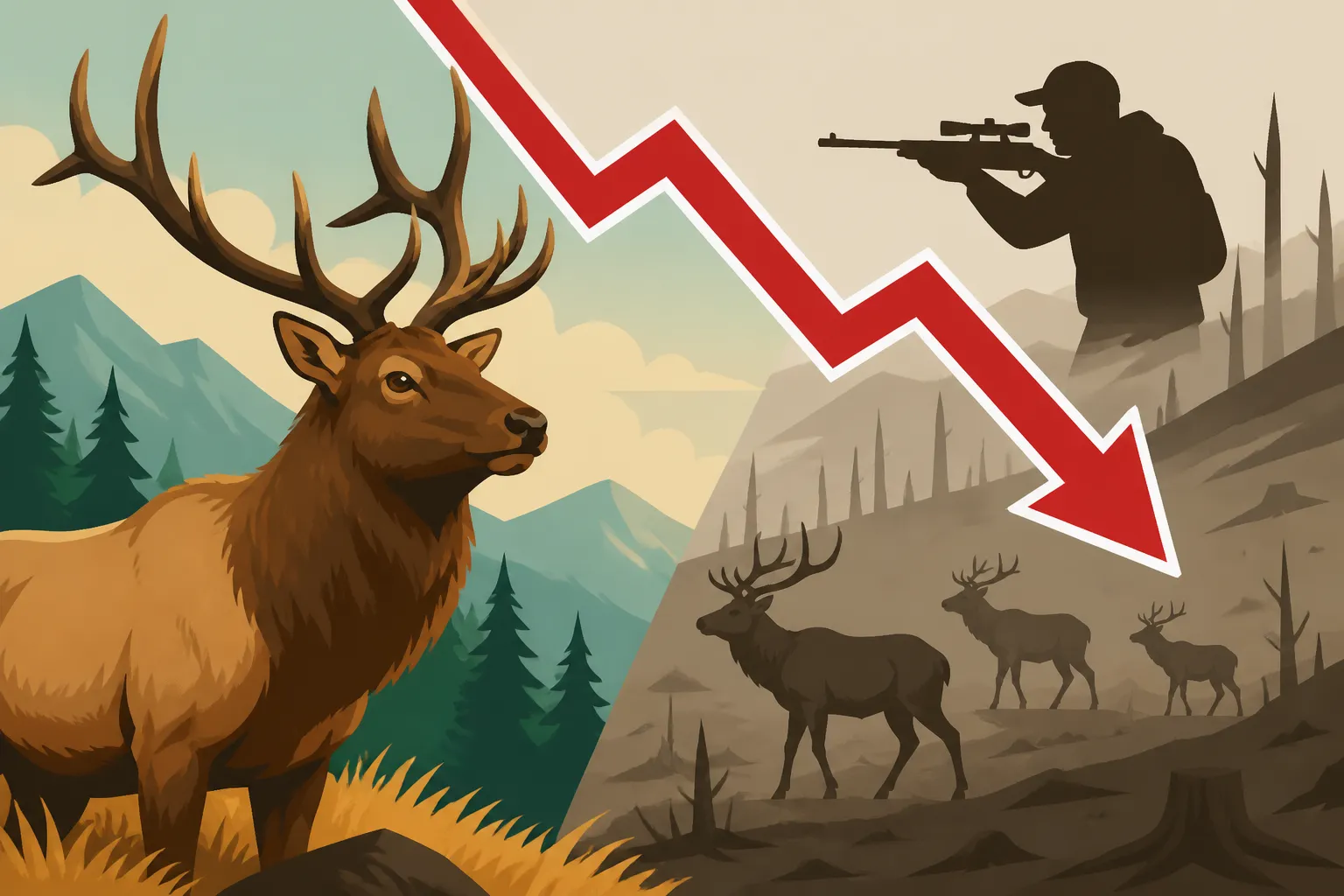
For many of us who've spent decades chasing elk across Idaho's breathtaking landscapes, the memory of the 1990s often comes with a tinge of concern. There was a period, stretching across that decade, where it felt like elk numbers were undeniably on a downturn, and it led to a lot of head-scratching and worry in hunting camps. This isn't just a feeling; it's a chapter in Idaho's wildlife history that left many wondering what was truly going on. In this comprehensive guide, we're going to dive deep into the complex factors that contributed to the decline in Idaho's elk populations during the nineties, helping you understand the historical context that shapes our hunting today.
A Shifting Landscape: Hunter Perceptions and Early Warning Signs
I remember it vividly. Growing up in Idaho, the stories from my grandpa and the older hunters always painted a picture of seemingly endless elk. While that might have been a bit of romanticizing, there was definitely a sense of abundance that started to feel different as the 1990s rolled in. Hunters began to notice fewer animals, fewer tracks, and harder hunting. This wasn't just in one specific area; it felt like a broader trend that slowly but surely settled over many of the state's prime elk ranges. It led to a lot of discussions around campfires about what might be changing.
The Anecdotal Evidence from the Field
Before scientific studies fully documented the shifts, the first indicators often came from the boots-on-the-ground observations of hunters and guides. We'd hear tales of once-reliable elk wallows sitting empty, or favorite timber pockets yielding no fresh sign. It wasn't an overnight collapse, which might have been easier to understand, but a gradual thinning that became increasingly apparent year after year. For many, it felt like the landscape itself was holding fewer elk, even if the terrain looked just as wild and remote as ever. This frustration was real, causing many to question their own hunting skills or the health of their traditional hunting grounds. You'd find yourself wondering if you were doing something wrong, or if the elk had simply vanished into thin air.
How Expectations Began to Change
This perceived decline started to shift hunter expectations dramatically. Instead of planning for a good chance at a bull, conversations moved to "if we even see an elk" or "it's going to be a tough year." This wasn't just about hunter success rates; it was about the overall feeling of being in elk country. The sheer volume of elk sightings, the bugling exchanges during the rut, and the amount of fresh sign all seemed to diminish. If you're curious about how current numbers compare, you might find it helpful to explore resources that detail the Elk Herd Distribution by Zone. Understanding historical shifts helps us appreciate current efforts in wildlife management.
The Elephant in the Room: Predation and its Growing Influence
It's impossible to talk about the 1990s elk decline without addressing the significant changes in predator populations, particularly the reintroduction of wolves and the rebound of other carnivores. This factor remains a highly debated and often emotional topic among hunters, but its biological impact during that decade is undeniable.
Wolf Reintroduction and Early Impacts
The reintroduction of gray wolves into central Idaho in the mid-1990s marked a monumental shift in the ecosystem. While the long-term goal was to restore a natural predator to the landscape, the immediate effect on an already stressed elk population was noticeable in many areas. Wolves are incredibly efficient predators, and while elk had faced bears and mountain lions for generations, the addition of a new, highly organized pack hunter added a fresh layer of pressure. Initially, wolves targeted vulnerable animals, but their increasing numbers meant a greater impact on calf survival and overall herd dynamics in certain zones. The concern among hunters wasn't just about wolves taking elk, but how this new pressure interacted with other existing environmental stressors. If you're interested in the longer-term view, you can delve into How Wolves Changed Idaho Elk Numbers.
Bear and Mountain Lion Population Dynamics
It wasn't solely about wolves, either. Black bear and mountain lion populations also saw increases in many parts of Idaho leading up to and during the 1990s. These native predators, especially cougars, are extremely effective at preying on elk, particularly calves and cows. When combined with the emerging wolf populations, elk found themselves facing a multi-pronged predatory threat that was significantly more intense than in previous decades. It's a complex ecological puzzle, where each predator plays a role, and the sum of their impact can be substantial, especially on young elk. The combination of increased predation pressure on elk calves meant fewer animals recruiting into the adult population, which ultimately drives a decline in overall numbers.
Habitat Loss and Changing Land Use Patterns
Beyond predation, significant changes in habitat and land use during the 1990s also played a crucial role in the challenges faced by Idaho's elk. Human activity, whether through timber harvest, road building, or increasing recreational pressure, directly impacted the quality and availability of the cover and forage that elk depend on.
Timber Harvest Practices and Road Density
Throughout the 1980s and into the 1990s, timber harvest practices often involved extensive clear-cutting and the proliferation of logging roads. While clear-cuts initially provide forage, they can drastically reduce thermal and hiding cover for elk, especially during harsh winters or hot summers. The sheer increase in road density was another major concern. Roads, even those that were eventually decommissioned, opened up previously remote areas to human access. This increased hunter access, but also non-hunting recreational disturbance, pushing elk into smaller, more secure pockets of habitat or making them more skittish and harder to hunt. A well-managed forest balances timber production with wildlife needs, but the intensity of some logging in the past certainly had an effect on elk security.
Human Encroachment and Development Pressures
As Idaho's population grew, so did the footprint of human development. Ranches were subdivided, cabins dotted previously wild areas, and more people sought recreation in the backcountry. This encroachment directly reduced crucial winter range for elk and fragmented migration corridors. Elk, particularly during the harsh winter months, need undisturbed areas with accessible forage to survive. When these areas are continually disturbed by human activity, whether it's snowmobiling, cross-country skiing, or simply residences, elk expend more energy, making them more vulnerable to starvation and disease. It's a classic conflict between human expansion and wildlife needs, and the elk often bore the brunt of it during that era. Understanding how these pressures affect game is crucial, and tools like GoHunt often provide mapping features that highlight public and private land boundaries, helping hunters visualize these changes.
Environmental Factors: Drought, Disease, and Harsh Winters
While predation and habitat changes were major players, it's vital not to overlook the natural environmental cycles that further exacerbated the challenges for elk in the 1990s. Drought, disease, and periods of severe winter weather acted as additional stressors, impacting survival and reproduction.
Periods of Prolonged Drought
The 1990s saw several periods of significant drought across Idaho and the broader Intermountain West. Drought directly impacts forage quality and quantity. Less moisture means less lush vegetation, drier browse, and reduced water sources. For elk, especially pregnant cows and growing calves, poor forage means less nutrition, leading to lower body condition, reduced reproductive success, and increased susceptibility to disease. Think about it: an elk already struggling with predation pressure or disturbed habitat then has to contend with a weakened food supply. It's a recipe for population stress, and the droughts of the 90s certainly amplified these issues. This is particularly relevant when considering factors like When the Elk Rut Actually Peaks Out West, as drought conditions can sometimes affect breeding cycles and success.
Harsh Winter Conditions
Idaho is known for its rugged winters, but some winters in the 1990s were exceptionally severe, characterized by deep snowpacks and prolonged cold temperatures. While elk are adapted to winter, extreme conditions mean increased energy expenditure to move and find food, and limited access to critical forage under heavy snow. Calves, already the most vulnerable age class, often suffer the highest mortality rates during harsh winters. When combined with the added pressures of predation and reduced summer forage from drought, these winters delivered a one-two punch that could decimate annual calf crops and weaken adult animals. These cycles highlight why understanding something like Reading an Idaho Harvest Statistics Report over several years can give you a better picture of population trends beyond just one season.
Management Responses and Recovery Efforts
Recognizing the concerning trends, the Idaho Department of Fish and Game (IDFG) and other wildlife agencies began to implement various management strategies aimed at stabilizing and eventually recovering elk populations. These efforts often involved adjusting hunting regulations, implementing habitat improvement projects, and re-evaluating predator management.
Adjustments to Hunting Regulations
One of the most direct responses to declining elk numbers was the adjustment of hunting regulations. This often meant reducing tag allocations, shortening seasons, or implementing more restrictive harvest rules, such as antler point restrictions, to protect younger bulls and allow them to mature. In some areas, cow tags might have been significantly reduced or eliminated to help boost breeding populations. These decisions are never popular with hunters who remember more liberal seasons, but they are often necessary steps to allow a struggling population to recover. For example, understanding How to Pick Between an Idaho A Tag and a B Tag today often involves knowing how these historical management decisions shaped current tag structures.
Habitat Improvement and Conservation
Efforts also focused on habitat improvement. This could include projects aimed at restoring winter range, improving forage through controlled burns or reseeding, and securing migration corridors. Collaborations with timber companies to promote more wildlife-friendly logging practices, such as retaining more cover or reducing road densities, also gained traction. Organizations like the Rocky Mountain Elk Foundation, for instance, have been instrumental in acquiring and enhancing critical elk habitat throughout Idaho, helping to counter some of the negative impacts of past land use.
Table: Factors Influencing Idaho Elk Populations in the 1990s
| Factor | Pre-1990s Trend (General) | 1990s Impact on Elk Populations | Management Response/Outlook |
|---|---|---|---|
| Predation (Wolves) | Absent (historically extirpated) | New, significant pressure; reduced calf survival | Reintroduction, then regulated hunting seasons |
| Predation (Other) | Stable/Increasing | Increased pressure on calves and adults | Regulated hunting, monitoring |
| Habitat Loss | Gradual but ongoing | Fragmentation, reduced cover & forage | Habitat restoration, land acquisition |
| Road Density | Increasing | Increased disturbance, reduced security | Road closures, decommissioning |
| Drought | Cyclical | Reduced forage quality/quantity, increased stress | Monitor; habitat resilience efforts |
| Harsh Winters | Cyclical | High mortality, especially calves; increased stress | Monitor; habitat resilience efforts |
| Human Encroachment | Increasing | Loss of winter range, increased disturbance | Conservation easements, public education |
Looking Back to Move Forward
The 1990s were a challenging time for Idaho's elk, and for the hunters who cherish them. The decline wasn't due to a single culprit but a complex interplay of increased predation, changes in habitat due to human activity, and harsh environmental conditions. It was a period that forced wildlife managers and hunters alike to re-evaluate how we conserve and manage these incredible animals.
The lessons learned from that era continue to inform modern wildlife management in Idaho. While elk populations have largely rebounded in many areas since those tough years, thanks to adaptive management and conservation efforts, understanding what led to the decline of the nineties remains vital. It reminds us of the delicate balance within our ecosystems and the constant need for vigilance and thoughtful stewardship to ensure healthy elk herds for generations to come. This shared history helps us appreciate the health of today's herds and the hard work that goes into managing Elk Are Why Most Hunters Come to Idaho. When you're planning your next adventure, the Idaho Hunt Planner Is the Tool to Start With to understand current conditions and opportunities.
Disclaimer
This article is for general informational purposes only and does not constitute professional advice. Laws, prices and regulations vary by location and change over time. Consult a qualified professional for guidance on your specific situation.