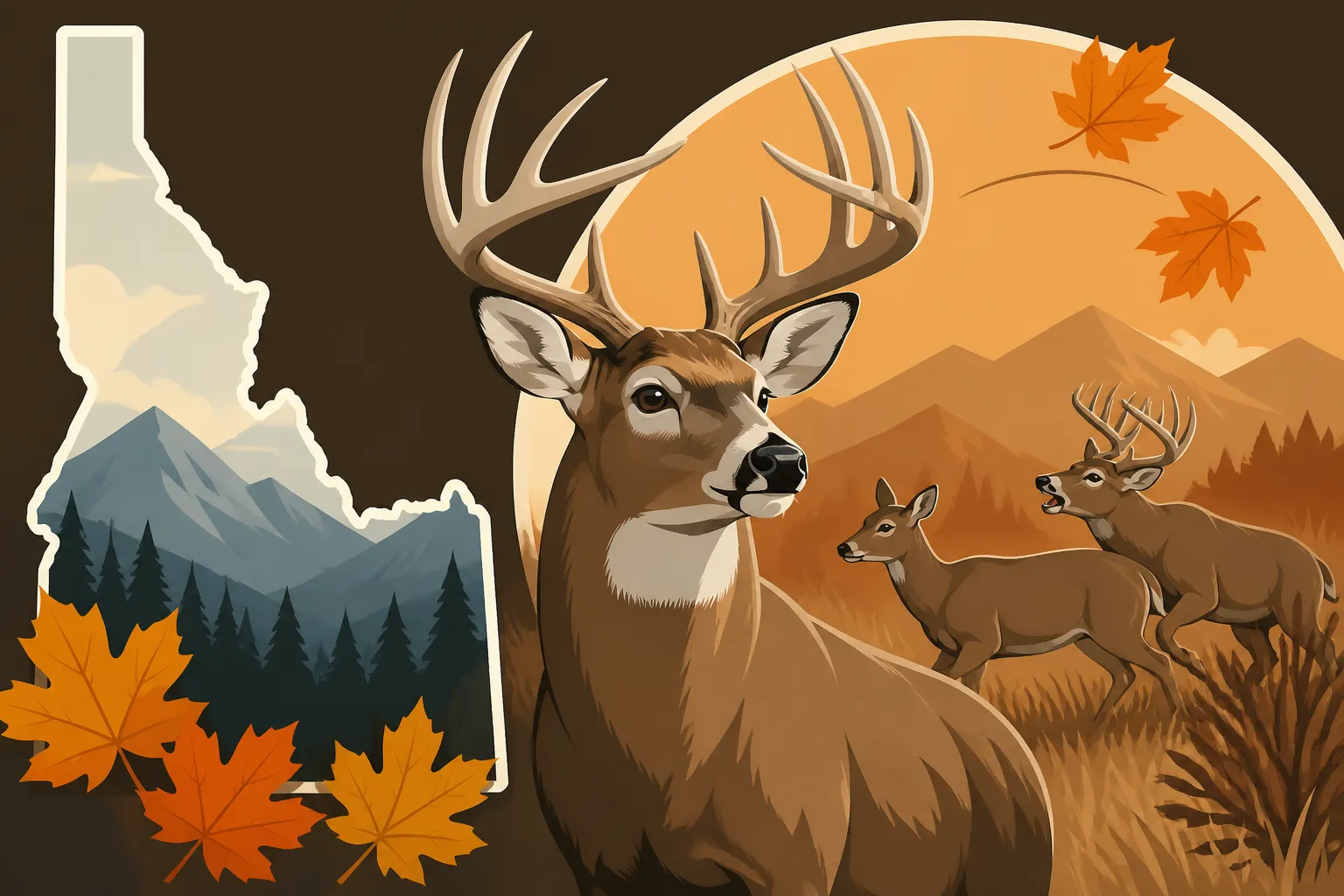
When Whitetail Rut Dates Fall Up North
If you've ever spent countless hours in a frosty treestand in northern Idaho, wondering if you're hitting the whitetail rut at just the right moment, you know the frustration. It feels like every year the deer are doing something different, and trying to pinpoint that magical window of peak breeding activity can feel like chasing a ghost. But don't worry, you're not alone in that feeling. The truth is, while the exact observable timing can fluctuate with local conditions, the biological engine driving the whitetail rut operates on a remarkably consistent schedule. This guide is here to demystify when those whitetail rut dates typically fall across Idaho's northern reaches, helping you plan your hunt with more confidence and less guesswork.
The Biological Clock: What Actually Drives the Rut
It's easy to get caught up in the idea that a cold snap or a sudden warm spell kicks off the rut, but that's not quite how it works for whitetails. While weather certainly influences when deer move and how visible their activity is, the underlying biological mechanism that triggers the rut is far more predictable. Understanding this fundamental driver is key to knowing when to be in the woods, even if the deer aren't showing themselves during daylight hours.
Photoperiod and Hormonal Triggers
The primary driver of the whitetail rut is something called photoperiod, which is simply the amount of daylight in a 24-hour cycle. As the days grow shorter in the fall, a specific hormone called melatonin begins to increase in the deer's system. This increase in melatonin acts like a precise biological timer, signaling to the does that it's time to become receptive and to the bucks that it's time to ramp up their breeding efforts. It's an ancient, evolutionary response designed to ensure fawns are born at the most advantageous time in the spring, typically when food is abundant and weather is mild. Because the sun rises and sets at the same relative times each year, this photoperiodic cue is incredibly consistent, regardless of what the thermometer says on any given day.
Think of it this way: the decreasing daylight is the master switch that turns on the rut's biological processes. The actual observed intensity of the rut on any given day, however, can be heavily influenced by external factors like temperature, wind, and hunter pressure. So, while you might not see a lot of activity during an unseasonably warm spell in early November, rest assured that the internal clocks of those bucks and does are still ticking, and the breeding is indeed happening, perhaps just under the cover of darkness. That's why persistence is so crucial during this window.
Regional Consistency in Northern Idaho
Even though Idaho is a big state with diverse terrain, the photoperiodic trigger for whitetails remains largely consistent across the northern regions. Whether you're hunting the dense timber around Bonner's Ferry, the agricultural fringes near Moscow, or the heavily forested areas north of Coeur d'Alene, the biological rut window for whitetail deer will generally fall within the same period. There might be slight genetic variations in deer populations that cause a few days' difference, but these are minor compared to the overarching influence of daylight hours.
What you might perceive as regional differences are more likely due to habitat variations or localized hunting pressure. For instance, deer in more remote, unpressured areas might exhibit more daylight rutting activity than those in areas with constant human disturbance. Likewise, the availability of specific food sources can concentrate deer, making it seem like the rut is more "active" in one spot over another. However, the fundamental timing of when does are receptive and bucks are most actively seeking them out stays tied to that photoperiod. This consistency is a huge advantage for hunters, as it narrows down your prime hunting window significantly, allowing you to focus your efforts. Knowing this helps you predict when the action should be happening, even if local conditions temporarily suppress visible daytime movement.
The Northern Idaho Rut Calendar: Phases and Timing
Understanding the general window for the rut is one thing, but knowing the specific phases and what to expect during each can make a world of difference in your hunting strategy. The whitetail rut isn't a single event; it's a progression, each stage offering unique opportunities and challenges. For northern Idaho whitetails, this progression typically begins in late October and can stretch well into December, with distinct peaks of activity.
The Pre-Rut: Building Anticipation in Late October
This is an exciting time in the whitetail woods of northern Idaho, usually kicking off in the last week of October and running into the first week of November. During the pre-rut, the bucks are feeling the hormonal surge, but most does aren't quite ready to breed. This leads to a lot of what we call the "seeking" or "cruising" phase. Bucks are actively on the prowl, establishing dominance, and beginning to check scrape lines and rub their antlers on trees. They are essentially testing the waters, looking for the first receptive does.
You'll see a noticeable increase in buck sign during this period. Fresh rubs will appear on saplings and small trees, often signaling a buck's travel route. Scrapes, where bucks paw the ground, urinate, and sometimes rub a scent gland on an overhead branch, will become more numerous and active. This is a fantastic time for hunters because bucks are covering a lot of ground in daylight, often moving between bedding areas and food sources with purpose. They're still somewhat cautious but highly motivated by the drive to find does. Learning to identify and hunt these areas of active sign, especially in the thick cover often found when Hunting Whitetails in Northern Timber Country, can be incredibly productive. Tools like GoHunt can help you scout for historical hot spots for buck movement during this phase by looking at past harvest data and analyzing terrain features.
Peak Rut: The Main Event in Early to Mid-November
This is the phase everyone talks about, and for good reason! In northern Idaho, the peak rut typically falls in the sweet spot of early to mid-November, often from the first week right through the third week of the month. This is when the majority of does come into estrus, and the bucks go absolutely wild. They are no longer just "seeking"; they are actively chasing, breeding, and often completely oblivious to their surroundings. This single-minded focus on breeding makes them incredibly vulnerable.
During the peak rut, you might see bucks chasing does across open fields or crashing through the timber. They'll drop their guard more readily, responding aggressively to calls or even decoys. This is the time when you might catch a mature buck moving at midday, something that rarely happens outside of this intense period. Hunting all day, from dawn until dusk, greatly increases your odds during these couple of weeks. Many hunters find that focusing on pinch points, funnels, and areas where does congregate is a highly effective strategy, as bucks will be checking these locations frequently. It's often during this period that hunters encounter their biggest bucks, as the desire to breed overrides much of their natural caution.
The Post-Rut: Lingering Chances in Late November and Early December
As the peak rut winds down, typically in the latter half of November and into early December, you enter the post-rut phase. This doesn't mean the rut is entirely over, but the frenetic activity of the peak has subsided. Most does have been bred, and the bucks are exhausted from weeks of chasing, fighting, and breeding. Their energy reserves are depleted, and they've often lost a significant amount of body weight.
However, there's still opportunity. Some does, particularly younger ones, may come into estrus for the first time, or those that weren't successfully bred during the peak will have a second cycle. This leads to a "secondary rut," where some bucks, though tired, will still be actively looking for these remaining receptive does. You might not see the widespread chasing of the peak, but focused activity around specific does can still occur. This is also a time when bucks will start to hit food sources hard, trying to replenish their reserves before the harsh Idaho winter sets in. Hunting near secure bedding areas and major food sources becomes a highly effective strategy. Many savvy hunters capitalize on this period, especially as other hunters have often packed it in for the season, reducing pressure. For those who can brave the colder weather, Late Season Whitetail Hunting in the Timber can be surprisingly rewarding during this post-rut window.
Here's a quick overview of the whitetail rut phases in northern Idaho:
| Rut Phase | Typical Timing (Northern Idaho) | Buck Behavior | Doe Behavior | Hunting Strategy Focus |
|---|---|---|---|---|
| Pre-Rut | Late October – Early November | Rubs, scrapes, cruising, scent checking, establishing dominance | Approaching estrus, some agitation | Travel corridors, pinch points, active sign |
| Peak Rut | Early – Mid November | Intense chasing, breeding, highly distracted, vulnerable | Primary estrus, receptive to breeding | All-day sits, doe bedding areas, food sources |
| Post-Rut | Late November – Early December | Exhausted, seeking secondary receptive does, heavy feeding | Secondary estrus (some does), recovery, feeding | Major food sources, thick cover, unpressured areas |
Influences on Observable Rut Behavior
While the biological timing of the rut is consistent due to photoperiod, what you see happening in the woods can vary wildly. It’s crucial to understand that these external factors don't change when the rut occurs, but rather how and when deer move during the rut, especially in relation to daylight hours. Misinterpreting these influences can lead hunters to believe the rut is "early" or "late" when, in reality, deer are just behaving differently.
Weather and Temperature Swings
Weather is probably the single biggest influence on the visibility of rut activity. A sudden cold snap during the peak rut can feel like a gift from the hunting gods. When temperatures drop, especially after a warm spell, deer metabolism gets a boost, and they often become much more active during the day. This is particularly true in northern Idaho, where crisp, cold air can invigorate deer and encourage them to move more freely, conserving energy by staying warmer through activity. You'll see more chasing, more bucks cruising, and more overall movement.
Conversely, unseasonably warm temperatures can make the rut seem "slow." The deer are still breeding, but they're likely doing much of it during the cooler nighttime hours to avoid overheating during their strenuous activities. During these warmer periods, focus your efforts on the very first and last hours of daylight, and near water sources or dense shade where deer might seek refuge. Don't be discouraged by a warm afternoon; understand that the rut is still happening, you just might need to adjust your timing and location. Rain can also play a role, often pushing deer to move just before or after a front passes. Monitoring the forecast and understanding how deer respond to various weather patterns can greatly enhance your chances during the rut.
Hunter Pressure and Terrain Impact
Northern Idaho offers vast tracts of public land, but it also sees its share of hunter pressure, especially during prime general seasons. High hunter pressure can significantly impact deer behavior during the rut. Even when their hormones are screaming at them to find a doe, bucks will still prioritize survival. If hunters are constantly moving through the woods, blasting calls, or setting up in obvious spots, deer will quickly adapt. This often means bucks become more nocturnal or stick to the densest cover, even during the peak of the rut. You might still see the sign of rutting activity – fresh scrapes and rubs – but the deer themselves become ghost-like during daylight.
The rugged, timbered terrain of much of northern Idaho exacerbates this. Deer have endless places to hide and escape pressure. In these areas, learning to navigate the dense woods and locate those hidden pockets of unpressured deer becomes paramount. This is where scouting, even just before the season, can be invaluable. Look for those overlooked benches, secluded draws, or thickets that offer sanctuary. Understanding Reading Fresh Elk Sign in Dark Timber can also apply to deer, helping you decipher subtle clues about recent activity. Consider using topo maps or tools like GoHunt's satellite imagery to identify areas that are difficult for most hunters to access, as these often hold deer that are less affected by pressure, allowing for more natural rutting behavior.
Food Availability and Doe Concentration
While not a direct trigger for the rut, food availability and the concentration of does in a given area are huge magnets for rutting bucks. Bucks are looking for does, and does are looking for food. Put those two together, and you have a prime hunting location. In northern Idaho, this might mean agricultural fields bordering timber, clear-cuts regenerating with browse, or pockets of acorns if available.
If there's a good mast crop (like acorns or huckleberries, depending on the year), deer will be concentrated there, and bucks will know it. Similarly, areas with abundant preferred browse will draw does, which in turn draws bucks. Identifying these key food sources and then finding the travel corridors connecting them to bedding areas is a classic and highly effective rut hunting strategy. The more does an area holds, the higher the likelihood that multiple bucks will be cruising through, checking for receptive females. This becomes even more critical in the late post-rut when bucks are trying to regain weight, making food sources irresistible.
Strategic Hunting During the Northern Idaho Rut
You've got the timing down, and you understand the influences. Now, how do you put it all together to actually punch your tag? Hunting the whitetail rut in northern Idaho requires a blend of preparation, patience, and adaptability. It's about being in the right place at the right time and having the confidence to stick with your plan.
Scouting for Active Sign
Successful rut hunting starts long before you ever step foot in your stand. Pre-season scouting is always important, but during the rut, finding active sign is paramount. As the pre-rut kicks in, start looking for fresh rubs and scrapes. A rub that's still showing fresh wood is a clear indicator that a buck is active in the area. Scrapes that are pawed up and smell like fresh deer urine (especially with a strong tarsal scent) tell you a buck is actively checking that spot. Don't just look for one or two; look for patterns and "scrape lines" – a series of scrapes along a travel corridor.
Using trail cameras can be incredibly helpful here. Place them over active scrapes or along suspected travel routes between bedding and feeding areas. They can tell you not only if bucks are in the area but when they are moving. This helps you identify daylight activity patterns. Remember to check Trail Camera Rules on Idaho Public Land before deploying your cameras. Tools like GoHunt can also help you with E-Scouting an Idaho Unit Before the Season by analyzing historical data and identifying potential hotspots based on terrain features that funnel deer movement. Look for saddles, ridge lines, and thick draws that bucks are likely to use as travel routes between doe bedding and feeding areas.
Effective Calling and Decoy Tactics
The rut is one of the few times when calling can be truly effective for whitetail deer. Bucks are driven by hormones and are often willing to investigate sounds that might lead them to a receptive doe or a challenging rival.
- Grunt Tubes: A grunt tube can imitate the sounds of a buck or doe. During the pre-rut and peak rut, short, aggressive grunts can pique a buck's curiosity. A "doe bleat" can also draw in bucks looking for a mate.
- Rattling Antlers: Rattling, which imitates two bucks fighting, can be incredibly effective during the pre-rut and early peak rut, especially in timbered areas where sounds don't carry too far. Bucks are establishing dominance and may come to investigate a potential rival. Be ready, as they often approach quickly and from unexpected directions.
- Decoys: While not always practical in dense northern Idaho timber, in more open areas or along field edges, a buck or doe decoy can be a game-changer during the peak rut. A buck decoy can challenge a dominant buck, while a doe decoy can draw in a cruising buck. Always set up your decoy to allow for a shot at the approaching deer, usually positioning it slightly quartering away from your stand.
Remember, timing is everything with calling. Be mindful of the phase of the rut and the deer you're trying to attract. Over-calling or using the wrong call at the wrong time can sometimes spook deer.
The Power of Persistence and Adaptability
Hunting the whitetail rut, especially in challenging terrain like northern Idaho's, demands persistence. You might sit for hours, even days, without seeing much movement. But that one magical moment, when a big buck, completely distracted by a hot doe, trots into range, makes all those quiet hours worth it. During the peak rut, commit to long hours in your stand. As mentioned earlier, bucks can move at any time of day when their hormones are raging.
Beyond persistence, be adaptable. If a particular spot isn't producing, don't be afraid to move. If the weather changes dramatically, adjust your strategy – perhaps move closer to dense bedding cover on a warm day, or focus on open feeding areas if a cold front pushes deer to eat. Pay attention to what the deer are telling you with their behavior. Are they acting nocturnal? Are they ignoring calls? These observations should guide your next move. For hunters who spend time in specific zones, knowing Which Idaho Elk Zone Produces the Most Bulls (even if it's for deer this time!) or looking up mule deer harvest statistics can provide valuable insights into deer density and overall opportunities, helping you pick areas where your persistence is more likely to pay off. The whitetail rut is a dynamic time, and the hunter who can roll with the punches and learn from every outing will ultimately be the most successful.
Disclaimer
This article is for general informational purposes only and does not constitute professional advice. Laws, prices and regulations vary by location and change over time. Consult a qualified professional for guidance on your specific situation.