Where Idaho Pronghorn Live
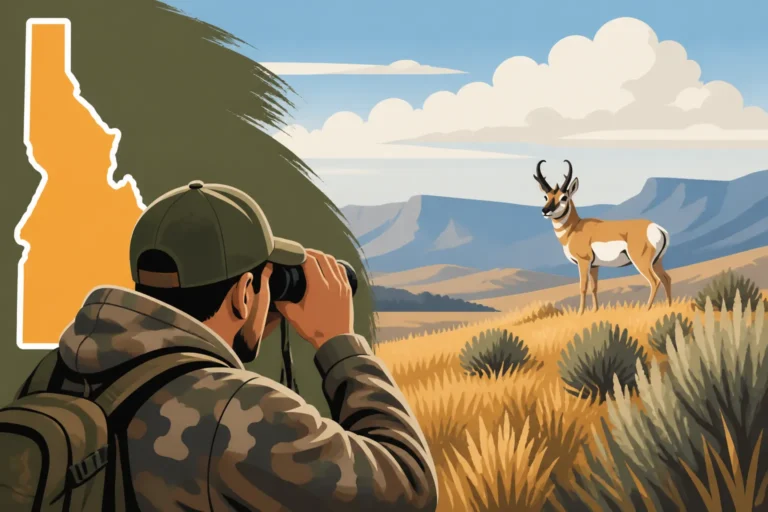
If you've ever gazed across Idaho's vast, open landscapes and dreamed of chasing one of North America's fastest land animals, you're not alone. Many hunters are captivated by the sleek, tan-and-white ghost of the plains, the pronghorn, but often feel overwhelmed by the sheer scale of the state and wonder where these unique creatures actually call home. This guide will meticulously break down the specific habitats, geographic regions, and behavioral patterns that define where Idaho pronghorn live, helping you pinpoint their stomping grounds and better understand the pursuit of these incredible animals.
The Iconic High Desert Habitat of Idaho Pronghorn
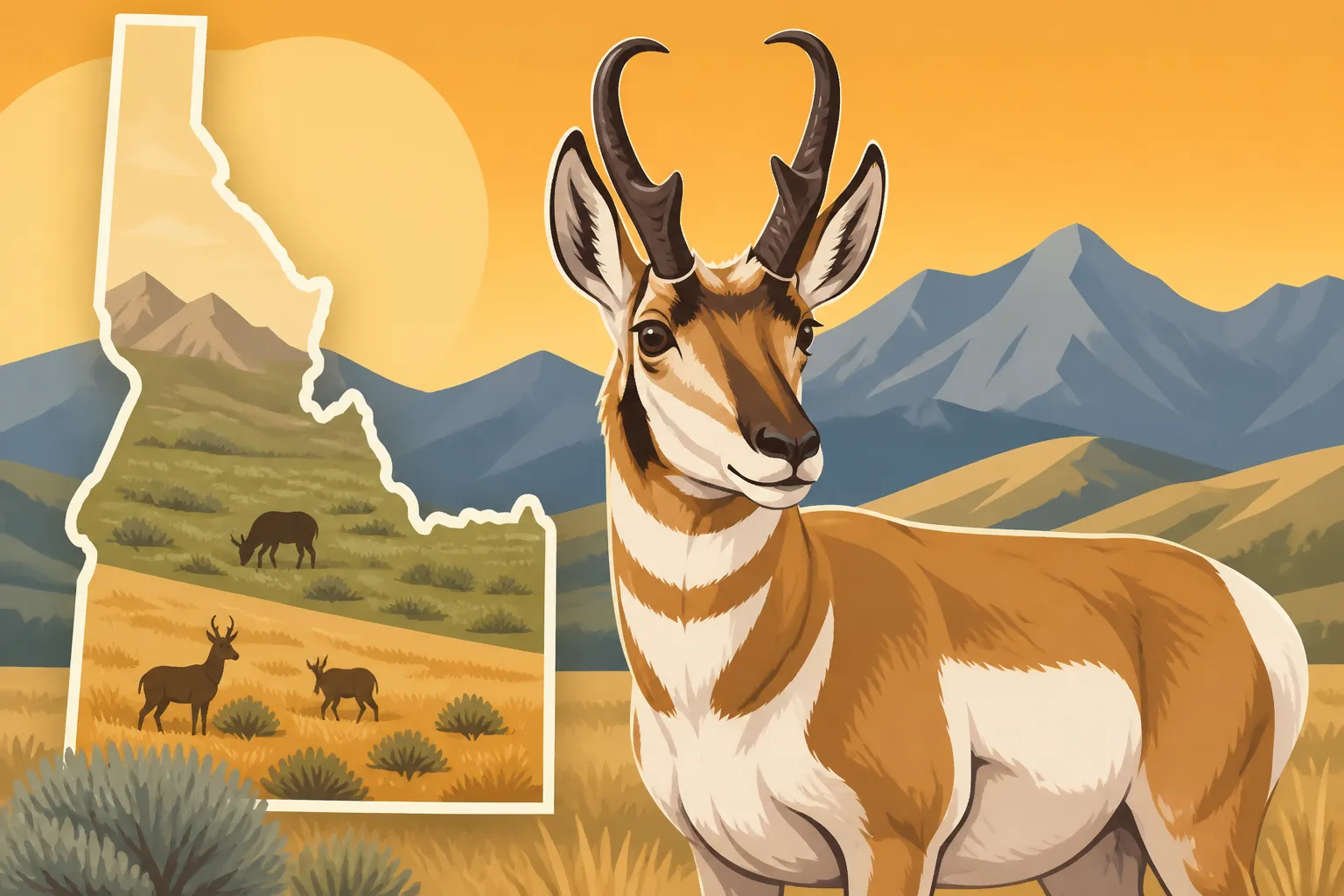
Pronghorn are truly creatures of the open range, perfectly adapted to the wide-open, often harsh, conditions of the American West. When we talk about where Idaho pronghorn live, we're fundamentally talking about the state's sprawling high desert ecosystems. These aren't your timbered mountains or thick river bottoms; these are landscapes that stretch to the horizon, defined by specific vegetation, hydrology, and an absolute need for unobstructed views.
Sagebrush Steppe and Open Rangelands
The quintessential home for Idaho pronghorn is the sagebrush steppe. This isn't just a patch of sagebrush; it's an entire ecological community. Imagine rolling hills and vast flats dominated by various species of sagebrush, interspersed with grasses like Idaho fescue, bluebunch wheatgrass, and various annuals. This diverse plant life is more than just scenery; it's the pronghorn's pantry. They are primarily browsers, not grazers, meaning they prefer to nibble on forbs and shrubs. Sagebrush, in particular, makes up a significant portion of their diet, especially during the lean winter months when other forage is scarce or covered by snow.
These open rangelands provide the two most crucial elements for pronghorn survival: food and visibility. Their incredible eyesight – often compared to that of an 8x binocular – is their primary defense mechanism against predators. They need to see danger coming from a long way off, and the low-growing sagebrush and grasses facilitate this perfectly. Without these expansive views, their natural advantage would be severely hampered, making them more vulnerable to coyotes, wolves, and even golden eagles, especially the fawns.
It's a delicate balance, this ecosystem. Too much development, too many fences, or changes to the vegetative composition can quickly displace pronghorn. Their preference for these wide-open, relatively flat to gently rolling areas means that any significant topographical changes, like dense timber or steep canyons, will generally limit their presence. They are truly animals of the plains and prairies, even if Idaho's version of a prairie is often a high-altitude desert.
Essential Water Sources and Forage
While pronghorn are remarkably efficient at extracting moisture from the plants they eat, especially succulent forbs and cacti, they still need access to water, particularly during the hot, dry summer months and when nursing fawns. This often means they will concentrate their activity around springs, seeps, playas, and stock tanks scattered across the high desert. These water sources are often few and far between, acting as critical hubs in an otherwise parched landscape. Understanding these water points is paramount when trying to locate pronghorn herds.
Their diet is quite specific, and it's not simply "whatever is green." While they do eat some grasses, their preference leans heavily towards forbs, which are broad-leafed herbaceous plants, and the leaves of various shrubs. This is why the health and diversity of the sagebrush steppe are so vital. A landscape dominated solely by non-native annual grasses, for example, might look green, but it wouldn't offer the nutrient-rich, diverse forage that pronghorn require to thrive. This dietary niche also helps them avoid direct competition with grazing livestock or deer in many areas, though some overlap certainly occurs.
The availability of high-quality forage directly impacts herd health and reproduction. Does need rich nutrients to support healthy fawns, and bucks need adequate nutrition to grow impressive horns. A good year of rainfall can lead to an explosion of forbs and lush growth, often correlating with better fawn survival and larger populations in subsequent years. Conversely, prolonged drought can severely stress herds, reducing overall numbers and making them even more reliant on those scattered, precious water sources.
The Need for Wide Open Spaces
Pronghorn are built for speed and long-distance travel, and that inherent ability necessitates wide-open spaces. They can reach speeds up to 60 miles per hour and sustain high speeds over remarkable distances, making them the fastest land animal in North America. This incredible athleticism, however, requires an unobstructed runway. Fences, dense timber, and major highways can present significant barriers to their movement, often impacting their ability to reach seasonal ranges or escape predators.
Their preference for open country means you won't typically find them in heavily timbered regions like the Clearwater or Panhandle. Instead, think vast, unbroken vistas where you can literally see for miles in every direction. This expanse allows them to utilize their phenomenal eyesight, which is thought to be the sharpest of any land animal on the continent. A buck can spot a coyote or a hunter from an incredible distance, often two or three miles away, giving the herd ample time to assess the threat and decide whether to flee or simply move to a safer vantage point.
These vast, unbroken landscapes also facilitate their migratory movements, which, while not as dramatic as some caribou migrations, can still involve covering significant distances between summer and winter ranges. Any constriction of these corridors, whether by development or fencing, directly threatens their ability to move freely, access critical resources, and maintain genetic diversity within populations. This deep connection to open spaces is a fundamental aspect of understanding How Fast a Pronghorn Can Actually Run and why they are so tied to the specific habitats they inhabit.
Key Pronghorn Regions in Southern and Central Idaho
While Idaho's high desert stretches across a significant portion of the state, certain regions stand out as prime pronghorn country. These areas share the common characteristics of sagebrush steppe and open rangelands but also possess unique features that contribute to their importance for pronghorn populations. If you're looking for Where Pronghorn Populations Are Strongest, these are the places you'll want to focus your attention.
The Vast Owyhee Desert
When you picture Idaho pronghorn, the Owyhee Desert in the southwestern corner of the state is often the first place that comes to mind for many experienced hunters. This is truly pronghorn heaven. The Owyhees are a massive, remote, and rugged high desert landscape characterized by vast sagebrush flats, ancient volcanic basalt flows, deeply incised canyons, and isolated mountain ranges. It's a land of extremes, with scorching summers and bitter winters, yet it supports a robust population of pronghorn.
The sheer scale of the Owyhee Desert provides the uninterrupted habitat that pronghorn crave. Miles upon miles of public land, primarily managed by the Bureau of Land Management (BLM), offer expansive foraging grounds and escape routes. While the canyons can be steep and dramatic, much of the higher ground and plateaus consist of that ideal rolling sagebrush country. This area is also home to diverse plant communities, including many forbs and annuals that contribute significantly to the pronghorn diet, especially after good spring rains.
Hunting the Owyhees can be an incredibly rewarding but equally challenging experience. The remoteness means long drives on rough roads, and the weather can turn quickly. However, the opportunity to chase pronghorn in their natural, vast environment is unparalleled. Utilizing tools like GoHunt or onX maps to explore the BLM Ground Across the Owyhee Country and understand land ownership is critical for planning any hunt in this massive, wild region. The sheer size of this area means that even during busy seasons, you can often find solitude, though the pronghorn will certainly know you're there long before you spot them!
The Arco and Big Desert Expanses
Moving eastward into Central Idaho, the Arco and Big Desert areas, often referred to collectively as the "Big Desert," represent another stronghold for Idaho's pronghorn. This region includes the vast, relatively flat plains surrounding towns like Arco and extends towards the Craters of the Moon National Monument and Preserve. Much like the Owyhees, this landscape is dominated by sagebrush, lava flows, and extremely open terrain.
The Big Desert is characterized by large, relatively unbroken tracts of sagebrush steppe, intermingled with volcanic rock formations and isolated buttes. These vast expanses provide excellent forage and the necessary visibility for pronghorn to thrive. The proximity to areas like the Craters of the Moon Hunting Boundaries, while offering unique landscapes, also highlights areas where habitat might be interrupted by more rugged, impassable terrain for these speed demons of the plains. However, the surrounding flats remain critical for their numbers.
Water in this region can be particularly scarce, making any spring, windmill, or stock tank a magnet for wildlife during dry periods. Hunters often key in on these limited water sources when scouting, especially later in the season. The Big Desert also experiences significant snowfalls in winter, which can sometimes impact pronghorn access to forage, pushing them into areas with shallower snow accumulation or lower elevations. This makes understanding their seasonal movements crucial for success.
Northeastern Idaho's Prairie Pockets
While the Owyhees and Big Desert hold the largest and most consistent pronghorn populations, there are also smaller, more isolated pockets of pronghorn habitat in northeastern Idaho, particularly in areas bordering Montana and Wyoming. These regions, while still characterized by sagebrush, often blend into more traditional short-grass prairie environments. Think of areas around places like Dubois, St. Anthony, or even some of the plains east of Idaho Falls.
These northeastern populations tend to be smaller and sometimes more localized, often occupying transitional zones where agricultural lands meet natural rangeland. The habitat might be a bit more fragmented than in the Owyhees, with more fences and roads, which can pose challenges for pronghorn movement. However, they still rely on that core sagebrush and open grassland structure, avoiding dense timber and mountainous terrain.
Hunting opportunities in these areas can be just as sought after, perhaps even more so due to potentially lower tag allocations given the smaller populations. Hunters here often focus on finding permission on private lands that adjoin public ground, or by meticulously scouting specific public land parcels that offer the best mix of forage and escape cover. The dynamics of these smaller herds can be more sensitive to local conditions, like specific land use practices or harsh winters, making local knowledge and up-to-date information invaluable.
Understanding Pronghorn Behavior and Distribution Patterns
Knowing where Idaho pronghorn should live based on habitat is one thing, but understanding their actual distribution means diving into their behavior. These are incredibly dynamic animals, and their presence in a given area isn't just about the sagebrush; it's about their daily needs, seasonal rhythms, and how they interact with their environment.
Seasonal Movements and Migration Corridors
Pronghorn are not static creatures; they move. While some populations might be relatively resident, many exhibit distinct seasonal movements between summer and winter ranges. Their migrations aren't always grand, epic journeys like those of arctic caribou, but they are crucial for survival. In Idaho, these movements are largely dictated by forage availability and snow depth. During the spring and summer, pronghorn disperse across their ranges, utilizing the abundant forbs and grasses that emerge. This is when fawns are born, and does need diverse, protein-rich forage.
As winter approaches, particularly in areas that receive significant snowfall, pronghorn will often move to lower elevations or areas with thinner snow cover to access their primary food source: sagebrush. Deep, crusted snow can be an absolute death sentence for pronghorn, as it impedes their ability to run and access forage. Identifying these critical winter ranges is not only important for hunting but also for conservation, as these areas often face the most pressure from development or human disturbance.
Understanding these corridors and ranges is essential for any serious hunter or wildlife enthusiast. Maps from Idaho Fish and Game often highlight these areas, and resources like GoHunt can layer on historical data that provides insight into these movements. A key aspect of managing pronghorn is ensuring these corridors remain open and passable, as habitat fragmentation can be devastating to herds that rely on seasonal shifts in forage.
Herd Dynamics and Preferred Groupings
Pronghorn are social animals, though their herd dynamics can shift throughout the year. During the spring and early summer, does typically separate to give birth to their fawns, often twin fawns, seeking secluded areas with good cover. As the fawns grow, does and their offspring will gather into small maternal groups. Bachelor herds of bucks can be found throughout the summer, often grouping by age.
As the late summer progresses into fall, the rut begins, and the social structure shifts dramatically. Dominant bucks establish territories, rounding up harems of does and actively defending them from rival bucks. This is a fascinating time to observe pronghorn, as the landscape fills with challenging stares, quick chases, and occasional horn clashes. Knowing When Pronghorn Bucks Go Into Rut can be a game-changer for hunting strategies, as bucks become much more visible and less cautious due to their preoccupation with breeding.
After the rut, as winter sets in, pronghorn often consolidate into much larger herds. These mixed-sex groups can number in the dozens or even hundreds, moving together to find food and offer collective defense against predators. These large winter herds are a breathtaking sight and illustrate the species' resilience in harsh conditions. Observing these herd dynamics provides crucial clues about where to find them at different times of the year.
How Terrain Features Influence Local Distribution
While pronghorn are masters of the flat and rolling sagebrush, even subtle terrain features can significantly influence their local distribution. A gentle rise, a shallow draw, or a low ridge can provide a surprising amount of cover or a strategic vantage point. These seemingly minor undulations in the landscape can offer a thermal advantage, a place to escape the wind, or a slight break in line-of-sight from a perceived threat.
For hunters, learning to "read" these subtle features is key. A herd might be bedded just over a small rise, invisible until you crest it. A draw could funnel animals or provide a hidden approach. Even the presence of a few juniper trees or a small rock outcrop can serve as a temporary refuge or a point of reference for a pronghorn. It's not about hiding in the terrain, but rather using its contours to their advantage.
Moreover, the availability of specific plant communities can also dictate micro-distribution. A particular basin might hold a richer diversity of forbs after a rain, drawing animals in, even if the surrounding landscape is similar. Identifying these localized hotspots, often with the aid of detailed topographic maps and satellite imagery available on platforms like GoHunt, is a skill that comes with experience and meticulous scouting. It's all about understanding how the pronghorn uses its environment, even the parts that look monotonous to the untrained eye.
Scouting for Pronghorn: Tools and Techniques
Successfully hunting Idaho pronghorn isn't just about knowing what habitat they prefer; it's about putting in the work to find them. Given the vastness of their preferred terrain, effective scouting relies heavily on modern tools and time-tested techniques to narrow down possibilities and locate animals.
Utilizing Modern Mapping Software
Gone are the days when a paper map and a compass were your only allies (though they're still essential backups!). Today, modern mapping software is an indispensable tool for scouting Idaho pronghorn country. Platforms like GoHunt, onX Hunt, and BaseMap allow you to digitally explore vast landscapes from your couch, saving countless hours of boots-on-the-ground searching. These apps are absolute game-changers for any hunter.
With these tools, you can identify public land boundaries, which is crucial in mixed-ownership areas. You can overlay topographic maps to find subtle draws, ridges, and water sources. Satellite imagery, often high-resolution, allows you to pick out different vegetation types, locate potential feeding areas, and even spot faint trails or old two-tracks that might indicate animal movement or access points. You can mark waypoints for water tanks, potential glassing knobs, or areas of observed pronghorn activity. These apps also frequently offer layers for historical harvest data, allowing you to identify units or areas that have shown consistent success or high pronghorn density in the past.
Before you even leave your driveway, you can create a comprehensive scouting plan, identifying potential access routes, glassing locations, and likely holding areas for pronghorn. This digital reconnaissance is particularly useful when considering Using onX Layers for Idaho Public Land or other mapping resources to understand the intricate patchwork of ownership and terrain. It's about working smarter, not harder, to cover those immense distances virtually before you commit your time and fuel.
Effective Glassing Strategies for Open Country
Once you're in the field, your most important tool for finding pronghorn will be your optics. Unlike deer or elk, which might be hidden in timber, pronghorn are usually out in the open, but their camouflage, small size, and distance can make them surprisingly hard to spot. A good pair of binoculars (10x or 12x are popular choices) and a high-quality spotting scope (20-60x or 25-75x) are essential.
The key to successful glassing in pronghorn country is patience and thoroughness. Don't just scan; grid the landscape. Pick a distant reference point, then slowly sweep your binoculars or scope across a section, moving from left to right, then dropping down a bit and moving right to left. Pay close attention to any movement, any flicker of white, or any unnatural shape. Pronghorn often blend in incredibly well with the sagebrush, only giving themselves away by a distinctive white patch, a dark horn, or a subtle movement of an ear.
Good glassing strategy also involves finding a high vantage point. Getting up on a prominent knob or ridge allows you to see further and more effectively. Take your time, set up a comfortable position, and let your eyes do the walking. Often, pronghorn will appear out of nowhere after you've been sitting and scanning for twenty minutes. It’s also wise to glass during prime feeding times – early morning and late evening – when animals are most active.
Reading Sign and Identifying Key Areas
While tracks in dusty roads or droppings near water sources can certainly confirm pronghorn presence, "reading sign" for pronghorn is a bit different than for deer in the timber. Their sign is often more subtle and relates to their movements and feeding patterns across the vast landscape. Look for areas where sagebrush or forbs show signs of browsing, particularly fresh bites on the tips of plants. These feeding areas, combined with open bedding areas, can reveal patterns.
Dusty wallows, particularly during the rut, can indicate where bucks have been fighting or displaying. Shed horn casings (though less common to find than deer or elk sheds) can also confirm presence. More importantly, understanding which areas contain the ideal mix of forage, water, and escape terrain is paramount. These are the "key areas" that you'll want to focus your attention on. Perhaps a particular sage flat holds a higher concentration of a certain forb they love, or a secluded basin has a reliable spring.
For example, when looking for Field Judging a Pronghorn Buck From Distance, you'll often be glassing over vast distances, so knowing the features that indicate an older, mature buck becomes critical. This requires practice and familiarity with typical horn shapes and sizes in the units you're hunting. Reading the land for these subtle clues, coupled with effective glassing, dramatically increases your chances of locating these elusive animals.
Challenges and Conservation of Idaho's Pronghorn
While pronghorn are charismatic and resilient, their populations, like those of many other wildlife species, face significant challenges. Understanding these issues is key to appreciating the conservation efforts in place and the broader context of Why Idaho Has No General Pronghorn Season.
Habitat Fragmentation and Development Pressures
One of the most pervasive threats to pronghorn populations across their range, including in Idaho, is habitat fragmentation. The expansion of human infrastructure – roads, fences, housing developments, energy corridors – breaks up the large, open landscapes that pronghorn depend on. While a deer might easily jump a fence or navigate a small woodlot, pronghorn are less adaptable to these barriers. Their instinct is to crawl under fences, which can lead to entanglement and injury, or they simply avoid areas with high fence densities.
Urban and suburban sprawl encroaches on historical pronghorn ranges, pushing animals into smaller, less optimal habitats. Agricultural expansion, while sometimes providing temporary forage, often replaces native sagebrush ecosystems with monocultures that lack the dietary diversity pronghorn require. The loss of these unbroken tracts of land directly impacts their ability to move freely, access seasonal ranges, and maintain healthy populations.
Conservation efforts often focus on identifying and preserving critical migration corridors and connecting fragmented habitats. This can involve working with private landowners to install wildlife-friendly fencing, establishing underpasses or overpasses on major highways, or acquiring conservation easements to protect large tracts of important rangeland. It's a constant battle to maintain the vastness these animals inherently need to survive and thrive.
Drought and Water Availability Issues
Idaho's high desert, by its very nature, is an arid environment. Pronghorn are adapted to this, but prolonged and severe droughts pose a significant threat to their populations. Reduced rainfall means less forb and grass production, leading to a scarcity of crucial forage. More critically, it can dry up the scattered springs, seeps, and seasonal water sources that pronghorn rely on, particularly does with fawns.
When water becomes scarce, animals are forced to travel further to find it, expending valuable energy and increasing their exposure to predators. Concentrating around limited water sources can also increase disease transmission. Droughts can lead to poorer body condition, lower fawn survival rates, and overall declines in herd health and numbers. The long-term effects of climate change, with predictions of more frequent and intense droughts, are a serious concern for the future of Idaho's pronghorn.
Management agencies, like Idaho Fish and Game, often work to improve water availability by maintaining or installing guzzlers (artificial water developments) or improving existing spring developments. However, these efforts are often localized and cannot fully mitigate the widespread impacts of a severe, landscape-level drought. The health of the pronghorn population is often a direct reflection of the health of their arid, sagebrush home.
Controlled Hunts and Management Strategies
Given the challenges, the management of Idaho's pronghorn populations is a meticulous and data-driven process. Unlike species with general over-the-counter tags, pronghorn in Idaho are exclusively hunted through controlled hunts. This means a limited number of tags are allocated annually for specific units or hunt areas, which hunters must apply for through a lottery system. This system allows the Idaho Fish and Game to carefully manage harvest levels, ensuring that hunting pressure remains sustainable and does not negatively impact the long-term health of the herds.
Biologists monitor pronghorn populations through aerial surveys, ground counts, and herd health assessments. This data helps them determine population trends, fawn recruitment rates, and the sex ratio of the herd. Based on these findings, they recommend tag quotas for each unit, balancing hunting opportunity with conservation goals. This careful, science-based approach ensures that Idaho's pronghorn remain a viable and healthy component of the state's wildlife.
When you apply for a pronghorn tag, you're entering a draw, and understanding the Idaho Pronghorn Controlled Hunt Draw Odds is a critical step in the process. This meticulous management system is a testament to the value placed on these unique animals and the commitment to ensuring future generations have the opportunity to experience them.
Pronghorn Hunting Opportunity and Regulations in Idaho
For many hunters, the thought of pursuing a pronghorn in Idaho conjures images of vast open plains and the thrill of spotting a distant buck. However, accessing this opportunity requires a clear understanding of the regulations and application process.
Why Controlled Hunts Are the Only Option
As we've discussed, pronghorn in Idaho are a controlled hunt species. This isn't just a bureaucratic quirk; it's a fundamental management decision based on the biology and population dynamics of these unique animals. Pronghorn populations, while resilient, can be sensitive to overharvest, particularly in fragmented habitats or during periods of environmental stress like drought. By issuing a limited number of tags through a draw, Idaho Fish and Game can precisely control the number of animals harvested each year, ensuring sustainability.
This controlled approach also allows for specific management objectives for different units. Some units might be managed for higher buck-to-doe ratios, potentially offering more opportunity for mature bucks, while others might focus on overall herd health and population growth. The detailed data collected through controlled hunts, including hunter success rates and observed animal numbers, feeds directly back into future management decisions, creating a continuous feedback loop that benefits the resource. This is why pronghorn are included in the list of Which Idaho Species Require a Controlled Hunt Tag.
For the hunter, this means that drawing a tag is often the biggest hurdle. It emphasizes the quality of the hunt over quantity of tags, ensuring that those who do draw have a good chance at a successful and memorable experience. It requires planning, patience, and a bit of luck, but the reward of hunting one of Idaho's magnificent "speed goats" is well worth the effort.
Navigating Draw Odds and Application Periods
Applying for an Idaho pronghorn tag means navigating the state's controlled hunt drawing system. This process usually kicks off in the spring, typically in April or May, with results often posted in June. There are no preference points in Idaho, which means every applicant has the same odds each year, regardless of how many times they've applied in the past. This can be both a blessing and a curse; you could draw your first year, or it might take several years of applying.
Before you apply, it's crucial to research the draw odds for specific units. Idaho Fish and Game publishes these statistics, often broken down by resident and nonresident, showing the percentage chance of drawing a tag in previous years. This information, often found on resources like the Idaho Hunt Planner or even integrated into platforms like GoHunt, can help you make informed decisions about which units to apply for. Do you go for a unit with phenomenal trophy potential but abysmal odds, or a unit with decent odds and reasonable success rates? That's a personal decision!
It's also important to understand the specific regulations for the unit you draw, including season dates, legal weapons, and any specific buck or doe requirements. Pay close attention to deadlines for applications and for purchasing your tag if you are successful in the draw. Missing a deadline can mean forfeiting a hard-won tag. This meticulous planning is just part of the journey to a successful Idaho pronghorn hunt.
Disclaimer
Please remember that hunting regulations, seasons, and application dates can change annually. While this guide provides comprehensive information, always consult the most current official Idaho Fish and Game regulations and proclamations before planning any hunting activity.