Sandhill Crane Permits in Idaho
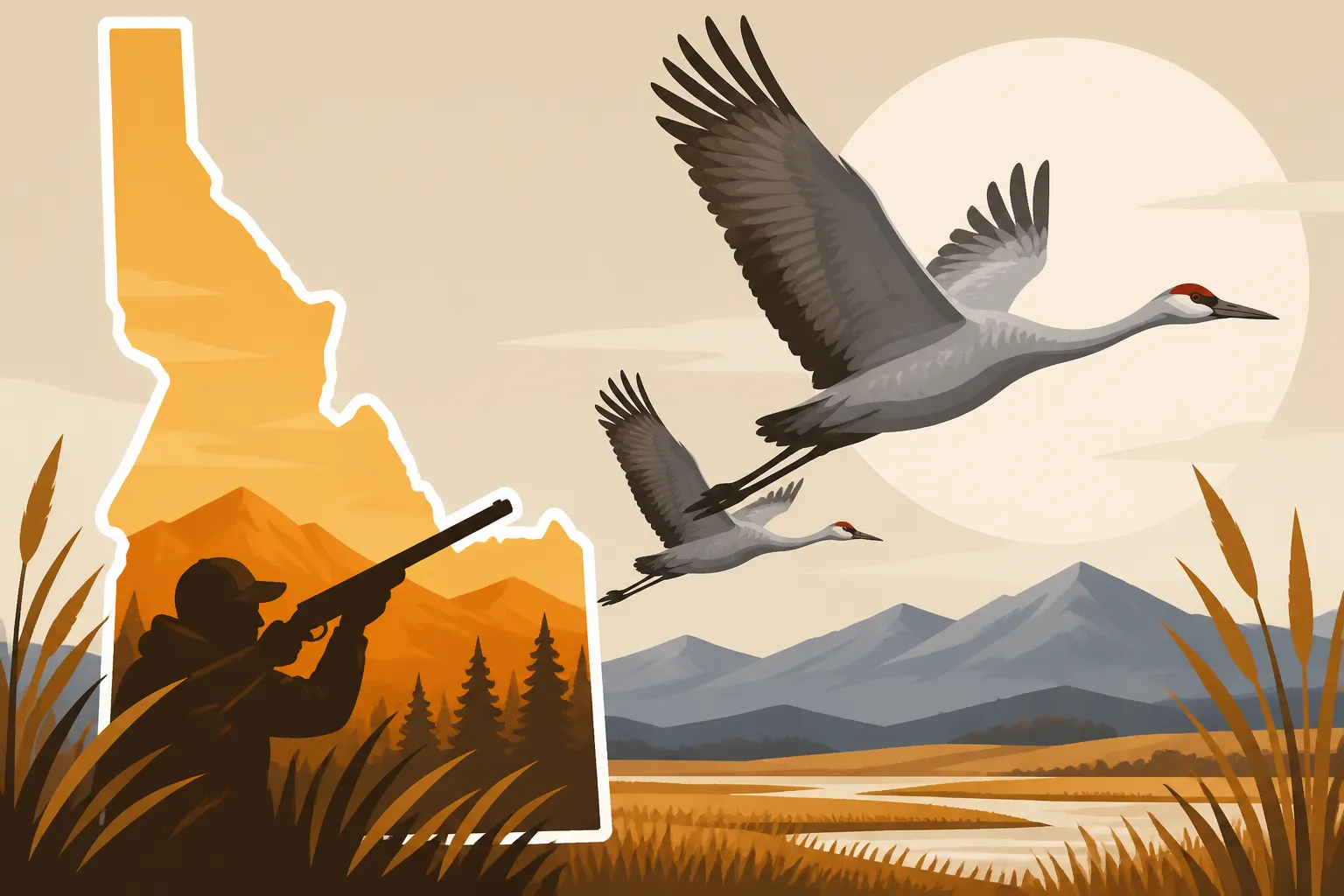
Hunting sandhill cranes in Idaho is a unique and deeply satisfying experience, but it comes with its own set of challenges, primarily getting your hands on one of those coveted permits. Many hunters feel the frustration of a limited draw and the uncertainty of a controlled hunt, especially when their heart is set on pursuing these magnificent birds. This guide aims to demystify the process, from understanding why these permits are so restrictive to boosting your chances in the draw and executing a successful hunt.
Understanding Idaho's Sandhill Crane Management
Sandhill cranes are truly impressive birds, often referred to as the "ribeye of the sky" for their delicious meat, and their distinctive calls echo across the landscape. However, they aren't your typical abundant waterfowl or upland bird. Idaho, like many states, manages its sandhill crane populations very carefully, which directly translates into a specific, often challenging, permit system. It's not just about showing up with a shotgun; it's about understanding the nuances of their biology and the conservation efforts in place.
Why Sandhill Cranes are a Controlled Hunt
Unlike mallards or pheasants, sandhill cranes have specific migratory patterns and habitat requirements that make their populations more sensitive to hunting pressure. They often migrate through specific corridors and stage in particular areas, making them vulnerable if over-harvested. Idaho Fish and Game diligently tracks these populations through various surveys, monitoring breeding success and overall numbers. This data directly informs how many permits, or tags, can be issued each year without negatively impacting the long-term health of the species. It's a delicate balance of providing hunting opportunity while ensuring the cranes thrive.
The unique allure of hunting sandhill cranes often comes from their sheer size and intelligence. They can be incredibly wary, making for a challenging and rewarding pursuit. Because of this high demand and relatively stable but sensitive population numbers, managing them through a controlled hunt system ensures that the harvest remains sustainable. If everyone could just buy an over-the-counter tag, the local populations, particularly in their staging areas, could be quickly impacted, leading to tighter restrictions or even closures in the future. The current system aims to prevent such scenarios by distributing the pressure and limiting the overall take.
When you're hoping for one of these permits, it's easy to feel like the odds are stacked against you. But remember, the stringent limits are a testament to Idaho's commitment to conserving these birds while still allowing a managed hunting season. The number of permits issued for each unit is a direct result of biological studies and population modeling, not arbitrary decisions. This scientific approach helps ensure that your opportunity to hunt is part of a larger, sustainable management plan that benefits both hunters and wildlife for years to come.
Key Regulations and Restrictions for Crane Hunters
Once you do draw a sandhill crane permit, you'll quickly realize that the rules are far more specific than for a general duck or goose hunt. Idaho Fish and Game outlines very precise season dates, which are often quite short, and specific unit boundaries where you can actually hunt your bird. You can't just hunt cranes anywhere in the state; you are restricted to the unit specified on your permit. Additionally, bag limits are typically very conservative, often one or two birds per season, emphasizing the quality of the experience over quantity.
Beyond the dates and locations, weapon restrictions are also important. For sandhill cranes, you'll almost exclusively be using a shotgun, and there are typically specific shot size limitations to consider. Steel shot or other non-toxic shot is usually required, much like waterfowl hunting, to prevent lead contamination in their feeding areas. Understanding your shotgun's capabilities and choosing the right choke and shot size for these large birds is crucial for an ethical harvest. Missing these details could lead to fines or worse, an unethical shot.
Positive identification of sandhill cranes is also paramount, especially when other migratory birds might be in the air. While their size and distinctive call usually make them stand out, it's essential to be absolutely certain of your target before you shoot. There are other crane species, though rare, that are protected. Familiarize yourself with their flight patterns, calls, and physical characteristics. Additionally, understanding the general Idaho Legal Shooting Hours for Big Game will give you a framework, as specific shooting hours for migratory birds generally align with or are defined separately in the migratory bird regulations, ensuring you're only hunting during legal light.
The Idaho Sandhill Crane Permit Application Process
Successfully drawing a sandhill crane permit in Idaho often feels like winning the lottery, and for good reason—the demand far outstrips the supply. Understanding the application timeline and process is absolutely critical, because missing a deadline means missing your chance for the entire year. It requires careful planning and a keen eye on the Idaho Fish and Game calendar.
Navigating the Controlled Hunt Draw
The controlled hunt draw process for sandhill cranes in Idaho is a specific window of opportunity, and it usually aligns with other significant draw periods. Generally, you'll find the application period opening in spring, with deadlines often extending into June for many species. For sandhill cranes, specifically, it often falls within the broader The Idaho Controlled Hunt Calendar, April Through August window. It's crucial to mark these dates on your personal calendar, set reminders, and apply well in advance, rather than waiting until the last minute when internet glitches or forgotten passwords can derail your efforts.
The application itself is typically handled through the Idaho Fish and Game's online licensing system. You'll log in to your account, select the controlled hunt application section, and specifically apply for the sandhill crane permit. It's a straightforward digital process, but pay close attention to the unit choices. Some hunters might blindly pick a unit without researching, but a strategic approach can make a difference. Idaho does not operate on a preference point system for these draws, which means every applicant, whether it's your first time applying or your tenth, has an equal statistical chance of drawing a tag in any given year. This is a crucial distinction that differs from some other Western states and can be both encouraging and frustrating. Idaho Has No Preference Points, and What That Changes means that luck plays a significant role, and consistency in applying is often the best strategy.
Once you've submitted your application, the waiting game begins. Results for these controlled hunts are typically released later in the summer, often in July or August. You'll receive notification, usually via email, if you were successful in the draw. It's a moment of pure excitement for those lucky enough to pull a tag! If you're not successful, don't despair—it's part of the game for these highly sought-after permits, and it just means you get to try again next year. The key is simply participating in the draw each year you wish to hunt them.
Costs and Fees Associated with Crane Permits
Before you even think about applying for a sandhill crane permit in Idaho, you must have a valid Idaho hunting license. This isn't just a recommendation; it's a prerequisite for applying for any controlled hunt in the state. So, the first expense you'll encounter is the purchase of your annual hunting license. Whether you're a resident or nonresident, this is a foundational cost that needs to be factored in. For nonresidents, this license fee can be substantial, and it’s important to understand that Why the $185 Idaho License Is Non-Refundable is standard practice, even if you don't draw your desired controlled hunt tag. This upfront cost is part of the commitment to hunting in the state.
Beyond the general hunting license, there are specific fees associated with the controlled hunt application itself. There's usually a non-refundable application fee for each species you apply for, including sandhill cranes. This fee covers the administrative costs of running the draw. If you are successful in drawing a sandhill crane permit, you will then be charged the actual cost of the tag. These tag fees are separate from the application fee and the general hunting license. While I cannot provide specific amounts, expect these costs to be clearly outlined on the Idaho Fish and Game website when you apply.
It's wise to budget for these expenses upfront. For instance, a nonresident might be looking at the cost of a hunting license, then a smaller application fee for the crane permit, and then if drawn, the actual tag fee. These costs, combined with travel, gear, and lodging, can add up. Some hunters use financial tracking tools or even specific hunting apps to keep tabs on these various fees and deadlines. Ensuring you have sufficient funds available on the credit card linked to your application is also crucial, as a failed payment can result in your drawn tag being forfeited. Double-check all details before submitting to avoid any last-minute headaches.
Increasing Your Odds and Field Strategies
Drawing a sandhill crane permit is often just the first hurdle; the next is turning that permit into a successful hunt. While luck certainly plays a role in the draw, strategic application and diligent scouting can significantly increase your chances of having a bird in hand. It’s about leveraging every available resource and understanding the birds themselves.
Researching Units and Drawing Odds
One of the smartest moves you can make before applying for a sandhill crane permit is to dive deep into the data. Idaho Fish and Game publishes past drawing odds and harvest statistics, often available through their website or integrated into tools like The Idaho Hunt Planner Is the Tool to Start With. This information is gold. By examining the previous year's data, you can see which units had lower applicant numbers or higher draw success rates. Sometimes, a less popular unit might offer significantly better odds of drawing, even if it's a bit further from home or requires a bit more effort to scout. This is where strategic decision-making comes into play, balancing your desire for a particular area with your statistical chance of success.
Tools and platforms like GoHunt also provide excellent resources for breaking down this data, offering visual insights and trends that might not be immediately obvious from raw tables. They can help you compare units side-by-side, considering factors beyond just draw odds, such as public land access, historical harvest success, and even terrain features. Understanding these nuances can help you identify units that might be overlooked by the masses but still offer quality hunting. Remember, high draw odds don't necessarily mean high harvest success, and vice-versa. You want to find that sweet spot where you have a good chance of drawing and a reasonable chance of filling your tag.
When you're sifting through Reading an Idaho Harvest Statistics Report, look for trends over several years. Has a particular unit consistently had better success for drawn hunters? Are there units where the number of applicants has surged, indicating it might become harder to draw? Don't be afraid to think outside the box. While everyone might be eyeing the units known for large concentrations of cranes, a smaller, less-pressured unit could provide a more intimate and successful hunting experience if you put in the legwork to scout it. This research phase is just as vital as the actual hunt, laying the groundwork for your season.
Essential Gear and Hunting Tactics for Cranes
Once that coveted permit is in hand, it’s time to shift focus to the actual hunt. Sandhill cranes are large, wary birds, and successfully hunting them often requires specialized gear and tactics similar to what you’d use for snow geese or other large waterfowl. First and foremost, a good spread of decoys is almost essential. Full-body sandhill crane decoys are ideal, as they mimic the birds’ impressive size and profile, making them more visible from a distance. Mixing in some feeder and sentry poses can create a realistic spread that helps draw passing birds into your zone. Placement is key: observe how real cranes use fields and try to replicate it.
Beyond decoys, concealment is paramount. These birds have incredible eyesight. A good layout blind or a well-brushed-in pit blind will make all the difference. You need to blend seamlessly with the environment, whether that's a stubble field, a dry lakebed, or a river bank. Combine your blind with natural vegetation, making sure there are no tell-tale straight lines or unnatural shapes that can give you away. Moreover, investing in a quality sandhill crane call and practicing with it beforehand can be highly effective. The loud, rattling call of a crane is distinctive, and knowing how to mimic it can help finish birds that are circling overhead, trying to commit to your spread.
Scouting for feeding and roosting areas is critical for success. Cranes often feed in agricultural fields, picking up waste grain, and will roost on open sandbars in rivers or shallow lakebeds. Identifying these patterns before the season opens will allow you to position yourself strategically. On the day of the hunt, remember that these are big, tough birds. A 12-gauge shotgun with a modified or improved cylinder choke, paired with heavier steel shot (like BB or 1s), is often recommended for maximum effectiveness and ethical harvesting at typical decoy distances. And don't forget to pay close attention to the Idaho Legal Shooting Hours for Big Game as a guideline, ensuring you're only hunting during legal light for migratory birds; cranes are often most active at dawn and dusk.
After the Hunt: Tagging, Reporting, and Preservation
The thrill of a successful sandhill crane hunt is undeniable. Bringing down one of these majestic birds is a true accomplishment. But the job isn't done once the bird hits the ground. There are critical steps that need to be followed for legal compliance and to ensure the valuable meat is properly cared for. These post-harvest responsibilities are just as important as the hunt itself, contributing to the overall management of the species.
Mandatory Tagging and Reporting Requirements
The moment you retrieve your downed sandhill crane, the first thing you absolutely must do is tag it properly. Your permit will come with a physical tag, and the regulations will specify exactly how and where this tag must be affixed to the bird. Usually, it needs to be securely attached to the leg or wing immediately after harvest, before you move the bird from the kill site. This is a critical step to prove that your bird was legally taken and is associated with your specific permit number. Failing to tag your bird can result in severe penalties, including fines and potential loss of hunting privileges, so don't overlook this crucial detail in the excitement of the moment.
Beyond tagging, mandatory reporting is a cornerstone of Idaho's wildlife management. For controlled hunts like sandhill cranes, you are typically required to report your harvest within a specific timeframe, often within a few days or even 24 hours of taking the animal. This reporting is usually done online through the Idaho Fish and Game website or by phone. This data is incredibly important for wildlife biologists to accurately track harvest numbers, assess population health, and make informed decisions about future hunting seasons and permit allocations. Your participation in this reporting system directly contributes to the sustainability of sandhill crane hunting for everyone. Mandatory Reporting After an Idaho Harvest helps paint a complete picture of harvest pressure.
When transporting your sandhill crane, remember that regulations often require you to leave a wing or other identifiable part attached until the bird reaches your permanent residence or a meat processor. This "evidence of sex/species" rule allows wildlife enforcement officers to confirm that the bird you harvested matches the species and type allowed on your tag. Always refer to the current Idaho Fish and Game regulations for the most up-to-date and specific requirements regarding tagging, reporting, and transport, as these details can sometimes vary. Ensuring compliance helps everyone involved in the conservation and management effort.
Handling and Preparing Your Sandhill Crane
Once the legalities of tagging and reporting are handled, it's time to focus on the meat. Sandhill cranes are renowned for their exceptional table fare, often hailed as the "ribeye of the sky" due to their rich, dark red meat and tender texture. Proper field dressing is essential to preserve this quality. As soon as possible after harvest, remove the guts and entrails. If you're in a warm climate, getting the meat cooled down quickly is paramount to prevent spoilage. This might involve packing the cavity with ice or placing the bird in a cooler. Many hunters breast out cranes, saving the large breast meat and often the meaty legs.
The size of a sandhill crane means you'll have a good amount of meat, much more substantial than your average duck. The dark meat is lean and flavorful, often compared to beef tenderloin or venison. Because of its richness, it stands up well to robust cooking methods. Many enthusiasts enjoy crane breasts seared to a medium-rare, perhaps with a red wine reduction, or marinated and grilled. The legs, while tougher, can be excellent when slow-cooked or braised, creating tender, pull-apart meat perfect for stews, tacos, or shredded sandwiches.
Beyond the culinary experience, some hunters choose to preserve parts of their sandhill crane as mementos. The large, distinctive wing feathers can be beautiful, and the skull or a foot can be cleaned and preserved as a unique trophy. If you plan to do this, research proper cleaning and preservation techniques to ensure they last. Whether you're enjoying the meat at a celebratory dinner or admiring a preserved feather, the memories of a successful sandhill crane hunt are truly special, making all the effort of the draw and the hunt incredibly worthwhile.
| Aspect of Hunting | Sandhill Crane Hunting (Idaho) | Typical Waterfowl/Upland Bird Hunting |
|---|---|---|
| Permit/License | Specific Controlled Hunt Permit required in addition to general license. | General hunting license; often general waterfowl/upland stamp. |
| Draw System | Highly competitive draw; no preference points. | Often over-the-counter tags/licenses; no draw. |
| Season Length | Very short, often specific dates for particular units. | Longer seasons, sometimes extending for months. |
| Bag Limit | Very restrictive (e.g., 1-2 birds per season). | Higher daily and possession limits. |
| Identification | Crucial for positive ID to avoid protected species. | Generally easier ID of common species. |
| Weapon Requirements | Shotgun, non-toxic shot required, specific shot sizes often recommended. | Shotgun; lead shot often allowed for upland (check regs). |
| Scouting Intensity | High; vital for locating feeding/roosting areas due to limited season. | Moderate to high, depending on species and location. |
| Post-Harvest Reporting | Mandatory, usually online or by phone within a short timeframe. | Often voluntary, or required only for specific species. |
Disclaimer
This article is for general informational purposes only and does not constitute professional advice. Laws, prices and regulations vary by location and change over time. Consult a qualified professional for guidance on your specific situation.