Which Idaho Species Require a Controlled Hunt Tag
Navigating Idaho's hunting regulations can feel like trying to solve a puzzle, especially when it comes to figuring out which tags you can just walk in and buy, and which ones require jumping through the hoops of a controlled hunt draw. It’s a common point of frustration for both new and seasoned hunters, trying to decipher if their dream species falls into a limited-entry category. This guide is here to untangle that complexity, clearly laying out which species in Idaho absolutely demand a controlled hunt tag and why, helping you plan your next adventure with confidence.
Understanding Idaho's Controlled Hunt System
When you first dive into Idaho's hunting regulations, you'll quickly come across two main types of hunts: "general" and "controlled." It’s important to understand the fundamental differences because it dictates how and when you can even get a tag for a particular animal.
What Exactly is a Controlled Hunt?
At its heart, a controlled hunt in Idaho is a limited-entry opportunity. This means that the number of tags available for a specific species, in a particular hunt area or unit, for a defined season, is capped. Instead of being able to purchase a tag over-the-counter, hunters must apply into a lottery-style draw. The Idaho Department of Fish and Game (IDFG) uses controlled hunts as a critical tool for managing wildlife populations, ensuring healthy herds, balancing harvest with recruitment, and often, providing higher quality hunting experiences by reducing pressure. It's how they protect vulnerable populations, promote specific age structures in trophy animals, or manage localized impacts. Think of it as a way to spread out the hunting pressure and ensure long-term sustainability, especially for species that are either rare, highly sought-after, or have delicate population dynamics.
The Difference Between Controlled and General Hunts
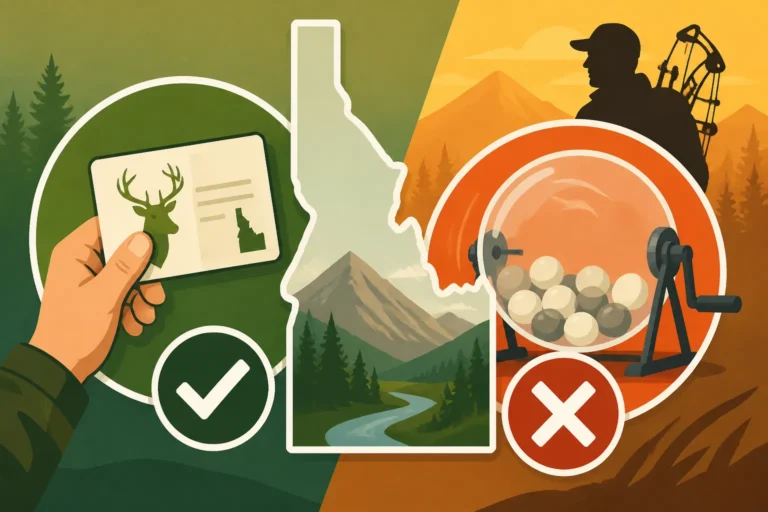
The distinction between controlled and general hunts is quite straightforward once you grasp the core concept. For general hunts, tags are typically sold over-the-counter (OTC) on a first-come, first-served basis until a statewide quota is met or the season closes. This is often how most deer, elk, and bear tags are acquired in many of Idaho's zones and units. You buy your license, then your tag, and you're good to go for the open seasons.
Controlled hunts, on the other hand, require an application and participation in a drawing. If you're successful in the draw, you get the opportunity to purchase that specific, limited tag. If you don't draw, you don't get a tag for that controlled hunt period, though you might still be able to buy an OTC tag for a general season for a different species or in a different unit if they are available. This system means you can’t just decide to hunt a controlled species or unit last minute; it requires planning, application deadlines, and a bit of luck. The key takeaway is that controlled hunts are for specific, often more exclusive, opportunities.
Why Some Species Are Controlled
Idaho makes decisions about which species and hunt opportunities require controlled tags based on a combination of factors. Rarity is a big one; species with smaller populations, like moose, bighorn sheep, or mountain goat, are almost exclusively managed through controlled hunts to ensure their long-term viability and to allow for sustainable harvest of a very limited number of animals. High demand also plays a role; even for species that are relatively abundant, if a particular unit consistently produces large trophy animals or offers exceptional hunting conditions, IDFG might implement a controlled hunt to manage hunter numbers and maintain that quality.
Conservation efforts are also a driving force. By limiting tags, the state can carefully monitor harvest rates and population trends, making adjustments as needed. For migratory birds like sandhill cranes or swans, specific federal and state quotas dictate how many birds can be harvested, making controlled permits a necessity. It all boils down to careful, science-based management to ensure that Idaho remains a premier hunting destination for generations to come.
Big Game Species Requiring Controlled Hunt Tags in Idaho
While Idaho offers a wealth of general season hunting opportunities, particularly for deer and elk, there are several big game species that always fall under the controlled hunt umbrella. These are typically the highly coveted animals, often with limited populations or specific management goals.
Trophy Species: Moose, Bighorn Sheep, and Mountain Goat
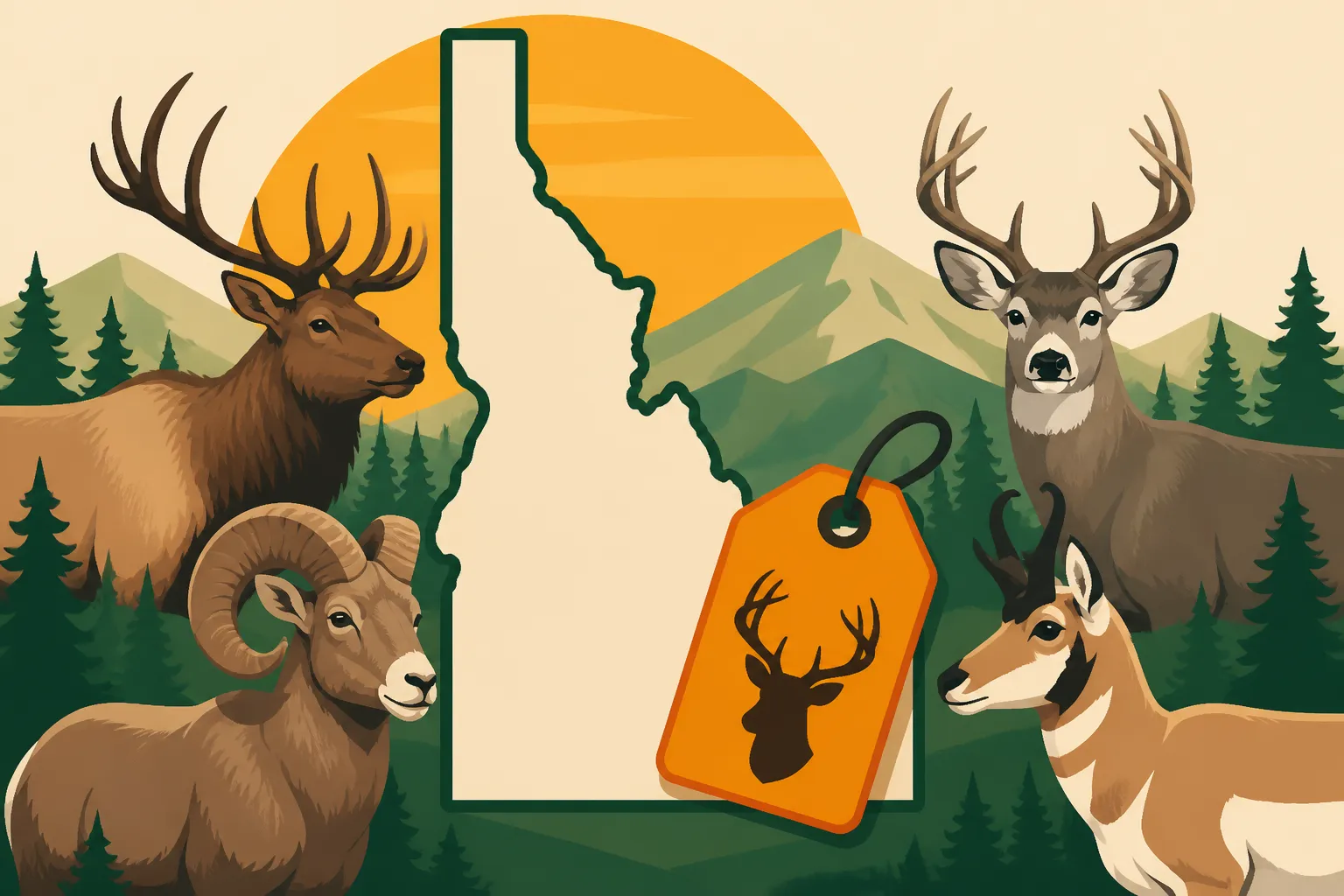
Let's start with the big three "trophy" species in Idaho: moose, bighorn sheep (both Rocky Mountain and California subspecies), and mountain goat. If hunting one of these magnificent animals is on your bucket list, know this upfront: you absolutely, positively need a controlled hunt tag. There are no over-the-counter options for any of these species in Idaho.
The reasoning is simple: these animals have relatively small populations, inhabit specialized habitats, and grow very slowly. The opportunity to hunt them is exceedingly rare, often considered a once-in-a-lifetime tag for hunters lucky enough to draw. For instance, getting an Idaho Moose Is a Controlled Hunt You Wait Years For, with drawing odds that can be incredibly long. The application process for these species is rigorous, and the number of tags issued annually is minuscule, sometimes only a handful per species across the entire state. This exclusivity ensures that populations remain stable, and that the few animals harvested each year are done so sustainably, contributing to the health and genetic diversity of the herd. To learn more about your chances, researching Idaho Bighorn Sheep Draw Odds Explained can be a good starting point. Mountain Goat Hunting Above Idaho Timberline also falls into this category, requiring patience and a good bit of luck in the draw.
Pronghorn
Another iconic Western big game animal that requires a controlled hunt tag in Idaho is the pronghorn. While pronghorn populations can be robust in certain areas, particularly across Idaho's high desert plains, the state manages them entirely through controlled hunts. You won't find any general, over-the-counter pronghorn tags. This might seem surprising given their speed and wide distribution in some states, but Idaho's approach ensures that local populations are not over-harvested and that hunting pressure is carefully distributed.
The tags for pronghorn are unit-specific, meaning you apply for a particular Game Management Unit (GMU) or hunt area, and the number of tags for each area is strictly limited. This allows IDFG to tailor harvest quotas to individual herd health and habitat conditions in different regions. If you're dreaming of chasing these "speed goats" across the sagebrush flats, plan on applying for a controlled hunt. You can explore more on Pronghorn Hunting Is Controlled-Hunt Only in Idaho.
Specific Elk and Deer Opportunities
Now, this is where it can get a little nuanced, as most Idaho deer and elk tags are general, meaning over-the-counter. However, there are very important exceptions where a controlled hunt tag is required for these common big game species.
These controlled opportunities often target specific management objectives:
- Antlerless Hunts: Many controlled hunts are specifically for antlerless deer or elk (cows and does). These hunts are crucial for managing herd numbers, particularly in areas where populations might be exceeding habitat carrying capacity or causing agricultural depredation. They help balance the herd's sex ratio and overall health.
- Specific Units or Seasons: Certain prime units, often those known for producing larger bulls or bucks, might have a portion of their tags allocated to controlled hunts to manage hunter density and maintain trophy quality. Similarly, very early or very late season dates, or specific weapon types (like early archery or late muzzleloader), might be designated as controlled hunts within certain units to offer unique opportunities while still limiting overall pressure.
- Capped Zones: While not strictly "controlled hunts" in the same draw sense, some elk zones in Idaho are "capped" once a certain number of tags are sold. These capped zones limit the total number of hunters, but tags are often still purchased over-the-counter until the cap is reached. It’s a hybrid system that limits access without a draw, but it requires vigilance to purchase before they sell out. Always check the current regulations carefully to understand the specific type of tag for your desired hunt area and season. The Idaho Hunt Planner Is the Tool to Start With for checking these details.
Other Species and Special Controlled Hunt Scenarios
Beyond the premier big game, Idaho also utilizes controlled hunts for a variety of other species, often for similar management reasons related to population size, specific harvest quotas, or localized opportunities.
Spring and Fall Black Bear
Black bears in Idaho are often hunted during general seasons, with over-the-counter tags available for many units. However, there are specific controlled hunt opportunities for black bears, particularly during the spring or fall seasons in certain units. These controlled hunts might be implemented to manage bear populations in specific areas, especially where there might be higher densities or particular habitat concerns.
For example, Spring Bear Runs From April Into Summer, and some of those early-season hunts in areas with high bear activity could be controlled to ensure a sustainable harvest. Similarly, some fall bear hunts, perhaps in units offering unique access or management objectives, might also be limited by a controlled draw. Always check the specific unit and hunt code you're interested in, as bear regulations can vary widely across the state.
Turkey, Swan, and Sandhill Crane
While often seen as small game or migratory birds, certain species like wild turkey, swans, and sandhill cranes also frequently fall under Idaho's controlled hunt system.
- Wild Turkey: For wild turkey, many opportunities exist through general tags, especially during spring seasons. However, particular fall turkey hunts, especially in units known for higher populations or specific management goals, can be controlled. The state manages these to ensure healthy flocks and distribute hunting pressure across various units. You can check the Idaho Fall Turkey Controlled Hunt Timing for specific controlled hunt periods.
- Swans: Swan hunting in Idaho is a highly limited, highly sought-after opportunity. Due to federal migratory bird treaties and very specific population quotas, obtaining a swan permit is always through a controlled draw. These are extremely rare tags, and hunters must apply well in advance. Details about when Idaho Swan Permits Are Drawn will be in the annual regulations.
- Sandhill Cranes: Similar to swans, sandhill crane hunting is also a controlled permit hunt. These majestic birds are managed under strict federal guidelines, and Idaho allocates a limited number of permits each year through a draw. The seasons are typically short and specific to certain zones. Information on Sandhill Crane Permits in Idaho will outline the application process and hunt areas.
Understanding Controlled Hunt Areas
It's crucial to remember that controlled hunts in Idaho are almost always tied to specific geographic areas, known as Game Management Units (GMUs), or even smaller designated hunt areas within those units. Idaho Runs 99 Game Management Units, and within each of these, specific rules can apply. This means that even for a species like deer or elk, which are primarily general season animals, a specific hunt within a particular unit might be designated as a controlled hunt for an antlerless tag, an early season muzzleloader hunt, or a late season rifle hunt.
Therefore, when you're planning a hunt, it's not enough to know "I want to hunt elk." You need to pinpoint where you want to hunt and when, and then meticulously check the regulations for that specific combination. The IDFG website and resources like GoHunt provide detailed breakdowns of these hunt areas and their associated regulations.
Navigating the Controlled Hunt Application Process
Okay, so you've identified a species or a specific hunt you want to pursue that requires a controlled tag. Now comes the nitty-gritty of the application process. It can feel daunting, but breaking it down makes it manageable.
The Application Timeline
Idaho's controlled hunt draw operates on a specific calendar, and missing a deadline means missing out on an opportunity. Generally, there are two main application periods for controlled hunts:
- Spring Drawing (April): This application period, typically in April, is for moose, bighorn sheep, and mountain goat, along with certain spring bear and turkey controlled hunts. Results for these coveted tags are usually announced in May.
- Main Controlled Hunt Drawing (May-June): The primary controlled hunt application period, usually running from May into early June, covers most deer, elk, and pronghorn controlled hunts, as well as specific fall bear and turkey hunts. Results for this draw are typically posted in July.
There's also often a second drawing in early August for tags that weren't claimed or purchased after the first draw, and then leftover tags might be sold first-come, first-served after that. Keeping track of The Idaho Controlled Hunt Calendar, April Through August is absolutely essential. Set reminders, mark your calendar, and apply early to avoid last-minute issues.
Tools and Resources for Research
Success in controlled hunt draws isn't just about luck; it's also about smart research. The Idaho Fish and Game website is your primary source for official regulations, hunt boundaries, and harvest statistics. They offer maps and detailed descriptions of all hunt units and hunt codes.
However, many hunters find supplementary tools incredibly valuable for digging deeper into drawing odds and unit potential. Services like GoHunt provide detailed data and analytics that can help you understand historical draw odds for specific hunt codes, breakdown unit characteristics, and analyze public land access. While Idaho Has No Preference Points, and What That Changes means every applicant has the same chance each year, understanding how many applicants typically apply for a certain tag compared to the number of tags available is still critical. GoHunt's Insider platform, for example, offers tools that crunch these numbers, helping you make informed decisions about where to apply, especially valuable for non-residents or those new to the state. This can give you an edge in selecting units with slightly better odds or less competition for a particular type of tag.
The "No Preference Points" System
Unlike many Western states, Idaho operates without a preference point or bonus point system. This is a game-changer for many hunters and a common source of confusion. What it means is simple: every applicant, whether it's their first time applying or their twentieth, has an equal chance in the draw for each controlled hunt tag. There's no accumulating points over years to increase your odds.
While this system can be frustrating for those who've been applying for a long time, it's a huge benefit for new hunters or those coming from out of state, giving them the same shot at a coveted tag as anyone else. This system truly makes every year a fresh start and emphasizes the importance of applying strategically based on current draw odds and your personal hunting goals. Resources like GoHunt become even more valuable in this system, as they help analyze the current year's application trends and previous years' draw outcomes to give you the clearest picture possible without the influence of points.
| Species Category | Always Controlled Hunt? | Sometimes Controlled Hunt? | General (OTC) Opportunities? | Primary Management Reason(s) |
|---|---|---|---|---|
| Moose | Yes | No | No | Rarity, Trophy Quality, Conservation |
| Bighorn Sheep | Yes | No | No | Rarity, Trophy Quality, Conservation |
| Mountain Goat | Yes | No | No | Rarity, Trophy Quality, Conservation |
| Pronghorn | Yes | No | No | Limited Opportunity, Unit-Specific Quotas |
| Elk | No | Yes (Specific hunts/zones) | Yes (Most tags) | Herd Management, Quality Hunts, Antlerless |
| Mule Deer | No | Yes (Specific hunts/zones) | Yes (Most tags) | Herd Management, Quality Hunts, Antlerless |
| Whitetail Deer | No | Yes (Specific hunts/zones) | Yes (Most tags) | Herd Management, Quality Hunts, Antlerless |
| Black Bear | No | Yes (Specific hunts/zones) | Yes (Many units) | Population Management, Specific Seasons |
| Turkey | No | Yes (Fall hunts) | Yes (Spring hunts, some fall) | Flock Management, Pressure Distribution |
| Swan | Yes | No | No | Federal Quotas, Rarity |
| Sandhill Crane | Yes | No | No | Federal Quotas, Limited Harvest |
Disclaimer
The information provided in this guide is intended for educational and informational purposes only and is not a substitute for official regulations. Hunting regulations, seasons, and tag requirements in Idaho are subject to change annually and can vary by species, weapon type, and specific Game Management Unit. Always consult the most current Idaho Fish and Game hunting regulations, proclamations, and official websites before planning or participating in any hunting activity. Failure to do so could result in fines or penalties.