When Pronghorn Bucks Go Into Rut
For many hunters, the image of a pronghorn buck chasing does across the vast sagebrush flats of Idaho is the ultimate pursuit. But trying to predict exactly when these lightning-fast speedsters shift into their breeding season can feel like a game of whack-a-mole, leaving many a hunter frustrated and empty-handed. This guide is here to demystify the pronghorn rut in Idaho, helping you understand the crucial timing and behaviors so you can plan your hunt for maximum success.
Understanding the Pronghorn Rut in Idaho
The pronghorn rut is a fascinating spectacle, a period when the normally wary bucks become driven by the urge to breed, often letting their guard down in ways that can be exploited by a patient hunter. This isn't just about finding bucks; it's about finding bucks that are preoccupied, aggressive, and sometimes, even a little careless. If you've ever tried to sneak up on a pronghorn outside the rut, you know how impossible that can feel. The rut changes everything, offering a window of opportunity that's often short and intense.
The Dynamics of Pronghorn Breeding
Unlike elk or deer, whose rut periods can stretch for weeks with varying intensity, the pronghorn rut tends to be a more concentrated affair. Bucks will establish territories, often defending them aggressively against rivals. These territories usually encompass areas rich in forage or water that attract does. A dominant buck will gather a harem of does, actively preventing them from leaving his territory and constantly chasing off any younger, satellite bucks trying to sneak in. This constant activity — the chasing, the fighting, the posturing — is what makes the rut so exciting for hunters and so exhausting for the bucks themselves.
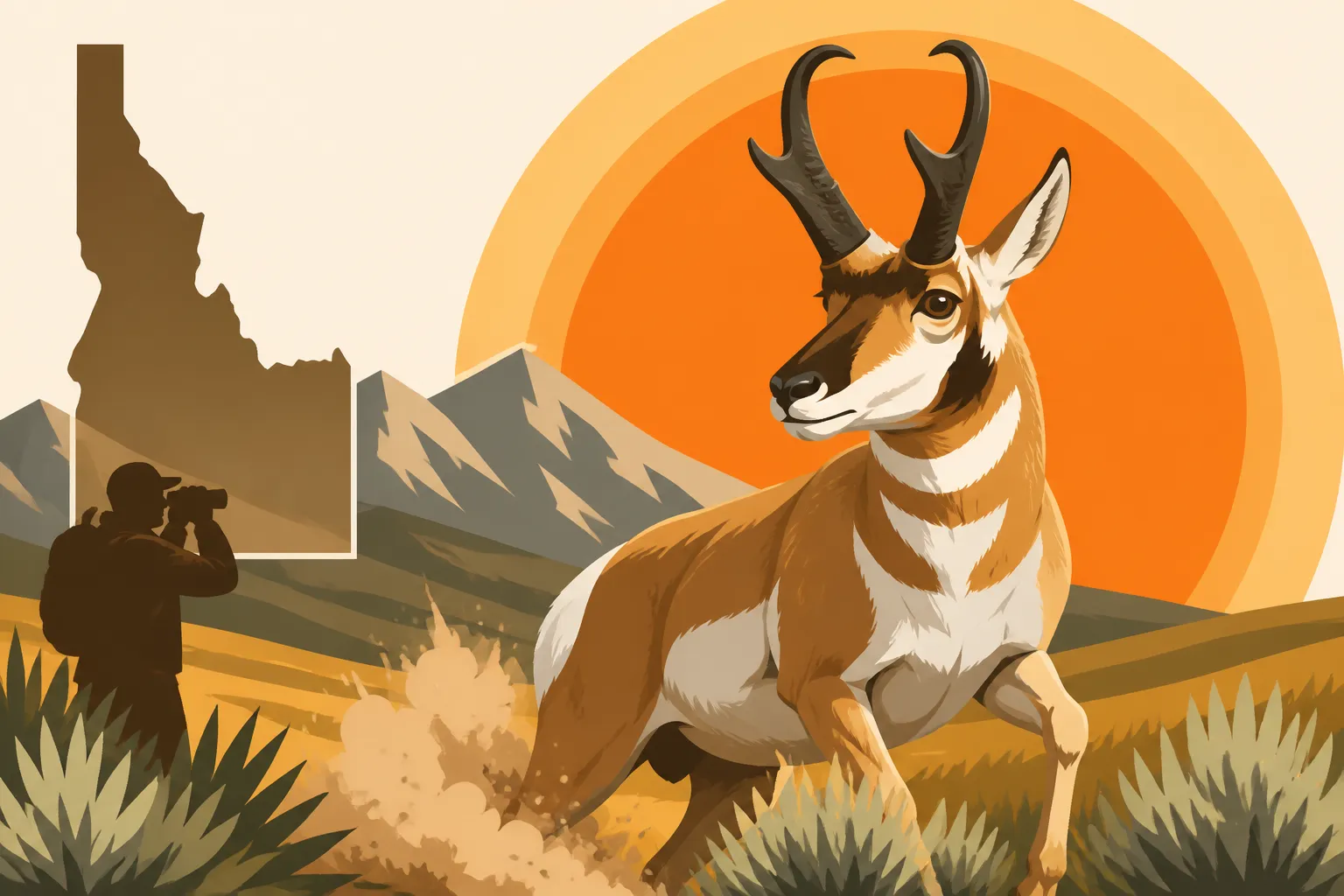
It’s a high-energy time, both visually and audibly. You’ll see bucks running at incredible speeds, kicking up dust, and sometimes engaging in full-on sparring matches. The sounds are less vocal than an elk rut, but the visual drama is undeniable. This intensity also means that bucks burn a tremendous amount of energy, and by the end of the rut, many are noticeably thinner and worn out. Understanding these dynamics is crucial for anyone hoping to capitalize on this unique hunting period.
Key Behaviors Exhibited by Rutting Bucks
During the rut, pronghorn bucks transform. Their primary focus shifts from simple survival to breeding, and this manifests in several distinct behaviors. One of the most common sights is a buck intensely herding his does. He’ll trot around them, nudging them back if they stray, always keeping a watchful eye for interlopers. This herding behavior is relentless.
You'll also observe a lot of scent-marking. Bucks will paw at the ground, urinate, and sometimes rub their facial glands on brush to deposit their scent and mark their territory. This is a clear signal to other bucks that this ground is claimed. Perhaps the most exciting behavior for hunters is the fighting. Bucks will size each other up, posture, and then often engage in head-to-head clashes, their unique horns locking together in a brutal test of strength. These fights can be quick or prolonged, and they often draw the attention of other pronghorn, creating a spectacle that can sometimes distract even the most vigilant buck. Keep an eye out for these tell-tale signs, as they indicate you're in the thick of the action.
Timing the Rut: When to Expect Peak Action
Pinpointing the exact timing of the pronghorn rut is less about a single date on the calendar and more about understanding a window of activity that can shift slightly each year. While there's a general period when the rut typically occurs, local conditions and specific herd dynamics can influence its start, peak, and end.
The Early Stages of the Rut
The earliest signs of the pronghorn rut in Idaho usually begin around mid-August, sometimes even a bit earlier in the warmest southern regions. This initial phase is characterized by bucks starting to become more territorial. You'll see bachelor groups breaking up, and individual bucks will begin to claim small areas. There might be some tentative chasing of does, but it's not yet the full-blown, aggressive herding behavior. Think of it as the warm-up act before the main event.
During this time, bucks might still be somewhat wary, and while they're starting to show interest in does, they haven't completely abandoned their survival instincts. Spot and stalk can be particularly challenging as they are still very attentive to their surroundings. However, this is also a good time to start locating dominant bucks and their preferred areas before the chaos of the full rut begins. Using tools like GoHunt or other e-scouting platforms to identify prime habitats and water sources can be incredibly helpful for early season reconnaissance. For more on planning, check out The Idaho Hunt Planner Is the Tool to Start With.
The Peak Rut Period
The heart of the pronghorn rut in Idaho generally falls in the last week of August and extends through the first two to three weeks of September. This is when the action is most intense. Bucks are actively herding harems, fighting frequently, and are often completely focused on breeding, which can make them slightly less observant of their surroundings. This is often the best window for hunters looking to capitalize on their preoccupation.
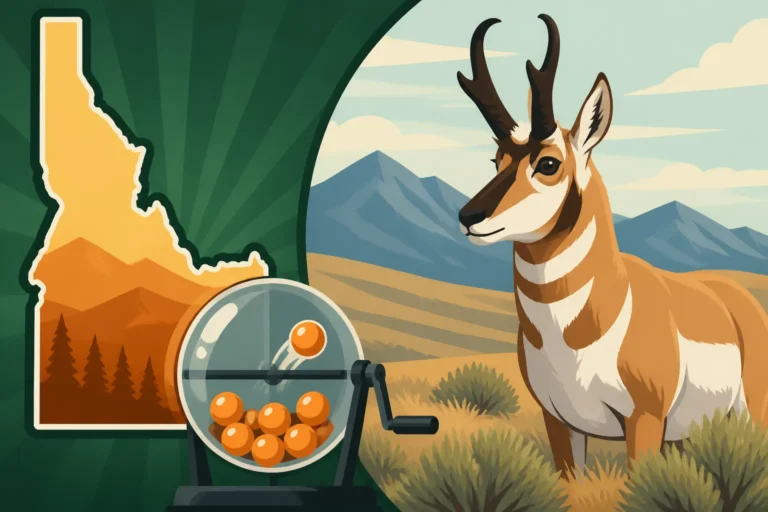
During the peak, you’ll see the most visible activity: constant chasing, sparring matches, and bucks actively defending their does. This is when calling strategies can be most effective, as aggressive bucks are often eager to challenge rivals. Knowing when Pronghorn Bucks Go Into Rut is key to planning your hunting trip, especially since pronghorn hunting is typically a controlled hunt only in Idaho. Be sure to check Idaho Pronghorn Controlled Hunt Draw Odds as part of your research.
Post-Rut Activity
As the calendar turns toward late September and into early October, the intensity of the rut begins to wane. The most dominant bucks are often exhausted, and the does have largely been bred. You might still see some chasing, particularly from younger bucks who are just getting their chance, but the widespread, aggressive territorial behavior is less common.
At this point, bucks will start to reform smaller bachelor groups, and their focus will return to feeding and recovering from the strenuous breeding season. They will become much warier again, making them significantly harder to approach. Hunting during this phase often requires a return to more traditional spot and stalk tactics, similar to early season, with extreme patience and careful use of terrain for concealment. However, their exhaustion can sometimes work in your favor if you can find a buck that's just too tired to care.
Regional Variations and Weather Influences
It's important to remember that Idaho is a diverse state, and what happens in the high desert plains of the south-central region might be slightly different from the eastern plains. Generally, warmer regions might see the rut kick off a touch earlier. However, the biggest influencer often comes down to weather. A sudden cold snap can sometimes kick the rut into gear, or a prolonged heatwave might delay its peak slightly.
Herd density also plays a role. In areas with a high buck-to-doe ratio or a lot of competition, the rut can be more intense and drawn out. Conversely, in areas with lower numbers, the peak might be more subtle. Always pay attention to local conditions and reports from the field if possible. Scouting ahead of time, perhaps in August, can give you a crucial edge in predicting the exact peak for your chosen unit.
Strategies for Hunting Pronghorn During the Rut
Hunting pronghorn during the rut presents a unique set of opportunities and challenges. Their heightened activity and preoccupation can make them vulnerable, but their incredible eyesight and speed still demand respect and intelligent tactics.
Decoying and Calling Tactics
One of the most exciting and effective methods during the pronghorn rut is decoying. Bucks are often eager to confront rival males in their territory, and a well-placed decoy can bring them charging in. The key is visibility and presentation. Position your decoy where it can be seen from a distance, preferably upwind, and conceal yourself downwind, ready for a quick shot. Many hunters use a buck decoy, but a doe decoy can also work, especially if a buck thinks he can steal her away.
Calling can be paired with decoying or used independently. Pronghorn calls mimic the sounds of an agitated buck or a receptive doe. During the peak rut, an aggressive grunt or a challenging bleat can draw a dominant buck in, convinced he's about to defend his turf. Always be prepared for a fast approach; these animals don't waste time. Learning how to properly Call Elk on Pressured National Forest Ground can give you some transferable skills for reading animal behavior, although the calls themselves will be different.
Table: Pronghorn Rut Behavior and Hunting Strategy
| Rut Phase | Buck Behavior | Hunter Strategy | Challenges |
|---|---|---|---|
| Early Rut | Breaking up bachelor groups, initial territoriality, light chasing. | Locate dominant bucks, observe patterns, light calling/decoying. | Bucks are still wary; can be hard to commit to decoys/calls. |
| Peak Rut | Intense herding, frequent sparring, active territorial defense. | Aggressive decoying (buck/doe), challenging calls, spot & stalk. | Bucks are preoccupied but move quickly; precise shot placement. |
| Post-Rut | Less chasing, focus on feeding, re-forming groups, recovering. | Patient spot & stalk, long-range glassing, less effective calling. | Bucks are very wary, difficult to approach; less visible activity. |
Spot and Stalk Challenges and Techniques
Even during the rut, pronghorn are still pronghorn – which means they have eyesight legendary for a reason. Spot and stalk remains a primary method, but during the rut, the focus changes slightly. Instead of simply trying to get close to a bedded animal, you're often trying to get ahead of a moving target, or waiting for a distracted buck to present an opportunity.
You'll spend a lot of time Glassing Breaks and Benches for Mule Deer, or in this case, pronghorn. Utilize your optics (a powerful spotting scope is essential; consider Spotting Scope Power for Canyon Glassing for general glassing advice) to locate bucks and observe their patterns. Identify terrain features that offer concealment – coulees, dry washes, small rises. Plan your stalk meticulously, using every bit of cover to your advantage. Remember, pronghorn often feed and move across open, flat ground, making stalks incredibly difficult. A buck preoccupied with does or a rival might offer that split second you need to close the last bit of distance. Pay close attention to The Grid Glassing Method, Step by Step to ensure you don't miss any hidden animals.
Playing the Wind and Terrain
Wind direction is paramount when hunting pronghorn, perhaps even more so during the rut. While their eyesight is their superpower, their nose is still highly acute. Always, always try to keep the wind in your favor, especially if you're attempting a stalk or setting up a decoy. A subtle shift in wind can instantly give away your position. Understanding how to Hold for Wind Across a Deep Canyon can apply to open plains as well, as you need to predict how air currents will carry your scent.
Terrain, even seemingly flat terrain, offers more opportunities than you might think. A shallow dip, a stand of taller sagebrush, or even a slight change in elevation can be enough to break up your silhouette and hide your approach. Study your maps carefully, using tools like GoHunt's mapping layers to identify subtle topographical features that can aid your stalk. Remember that even a slight rise can completely conceal your approach until you are within range.
Factors Influencing Rut Intensity and Success
While we can generally predict the timing of the pronghorn rut, several elements can dial up or down its intensity, directly impacting your hunting success. Being aware of these variables can help you make more informed decisions when you're in the field.
Weather Patterns and Their Impact
Weather is a huge wildcard for any hunt, and the pronghorn rut is no exception. Extreme heat can sometimes suppress daytime rut activity, pushing the most intense chasing and fighting into the cooler hours of dawn and dusk. Conversely, a period of mild, stable weather can lead to consistent, high-energy activity throughout the day. A sudden cold front, especially one that brings rain or snow, can sometimes trigger a burst of activity as animals sense a change in season.
Always check the forecast for your specific hunting area. If it's going to be unseasonably warm, adjust your hunting hours. Focus on those early morning and late evening periods, and be prepared to sit out the midday heat. If a storm is rolling in, be ready for potentially frantic activity just before it hits, and then a period of relative calm during the worst of it.
Herd Dynamics and Density
The makeup of the pronghorn herd in your chosen unit plays a significant role in rut intensity. Units with a healthy buck-to-doe ratio, and a good number of mature bucks, tend to have more competitive and visible rut activity. More bucks mean more competition, which in turn means more chasing, fighting, and territorial displays. This heightened activity can be a boon for hunters.
Conversely, in areas where the buck numbers might be lower, or where there aren't many mature, dominant bucks, the rut can feel a bit more subdued. The behaviors might still be present, but perhaps less frequent or less intense. This is where researching historical harvest data and understanding Idaho Pronghorn Populations Are Strongest can give you clues about what to expect. While Idaho manages its pronghorn through controlled hunts, understanding the specific characteristics of your chosen unit is crucial.
Hunter Pressure and Pronghorn Behavior
It’s no secret that hunter pressure can quickly change animal behavior. While a rutting buck might be distracted, he’s not stupid, and constant pressure from hunters can make even the most rut-crazed buck more cautious. If a unit sees a lot of hunters, especially on opening weekend, bucks can quickly become nocturnal or move to thicker, harder-to-access cover.
If you're hunting in a popular unit, consider hunting mid-week when pressure might be lower, or be willing to hike further away from roads and easily accessible areas. You might find that even just a mile or two from a trailhead makes a huge difference in animal demeanor. E-scouting tools like GoHunt can help you identify areas with good public land access but potentially lower pressure by analyzing road networks and topographic barriers. Also, keep in mind Idaho's Motorized Hunting Rule Runs August Into December, which limits vehicle use off established roads and can funnel hunters into specific areas.
Disclaimer
This article is for general informational purposes only and does not constitute professional advice. Laws, prices and regulations vary by location and change over time. Consult a qualified professional for guidance on your specific situation.