Hunting Opportunity in Unit 43
It can be incredibly frustrating trying to get a real feel for a specific hunting unit in Idaho before you even step foot there, especially when you're pouring over maps and regulations. You want to know if the effort and money are worth it, what animals you'll actually find, and what challenges you might face. This guide is here to break down the hunting opportunity in Idaho's Unit 43, helping you understand its terrain, game populations, and what to expect when planning your hunt.
Unpacking Idaho's Game Management Unit 43: The Lay of the Land
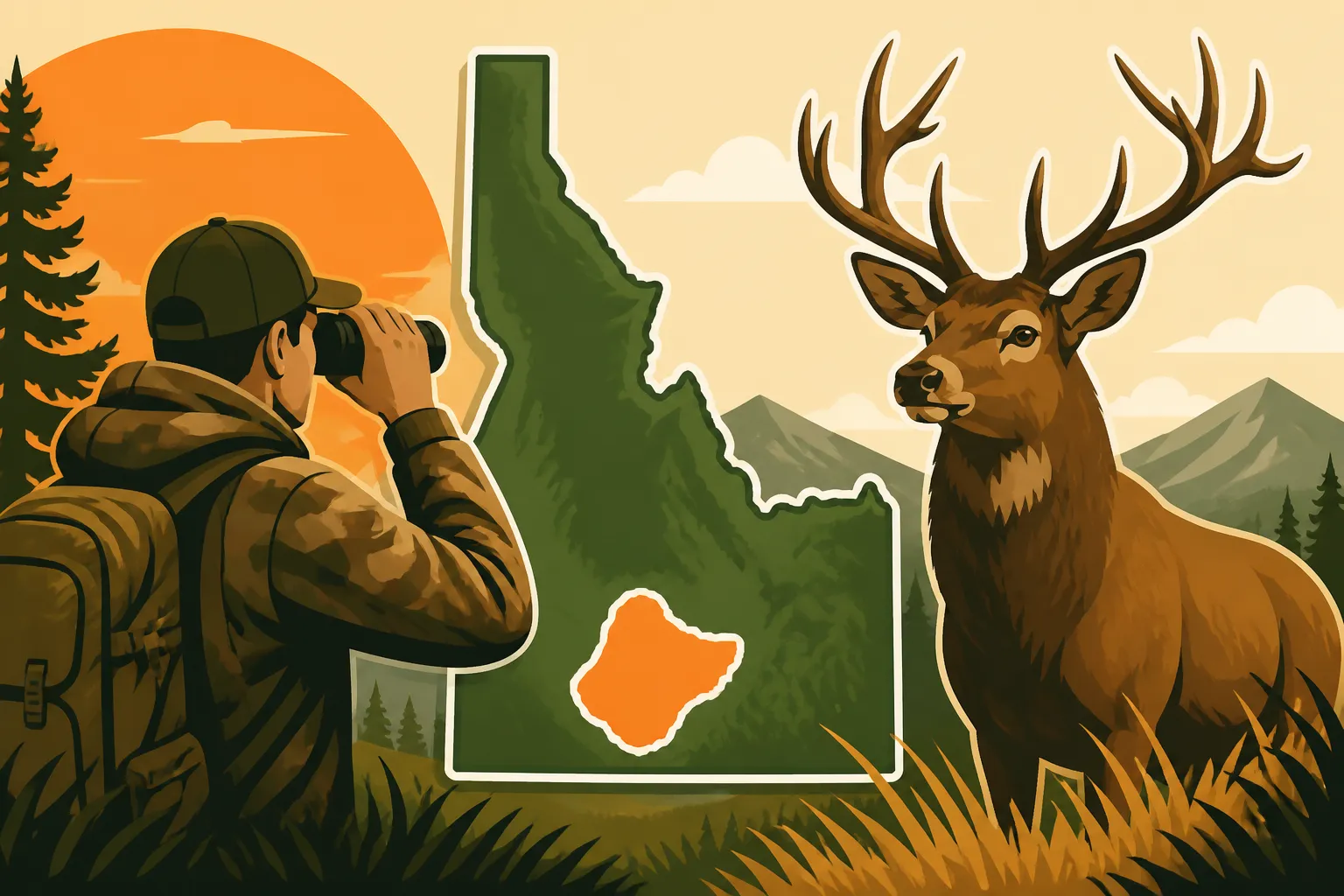
Unit 43 is nestled in the south-central part of Idaho, often referred to as the South Hills region. This area is a fascinating mix of landscapes, from rolling sagebrush-covered hills and high desert plateaus to pockets of conifer forests in the higher elevations. It’s a dynamic environment that offers unique challenges and rewards for hunters, quite different from the dense timber of the Panhandle or the rugged peaks further north. The terrain varies from relatively gentle slopes to surprisingly steep canyons and drainages, often covered in dense stands of juniper and mountain mahogany. Access can be a real mixed bag, with plenty of designated roads but also vast areas requiring foot travel to truly get away from the crowds.
Geographic Features and Ecosystems
Unit 43's geography is defined by the South Hills mountain range, which provides a critical island of habitat in an otherwise arid region. The lower elevations are classic high desert, dominated by sagebrush and grasses, providing crucial winter range for deer and elk. As you climb, you'll encounter aspen groves, scattered pines, and dense patches of mountain mahogany and bitterbrush, which are excellent for cover and browse. The higher ridges often feature more open conifer forests, offering different types of cover and forage for game. Water sources, while present, can be scattered, and knowing where they are can be a game-changer, especially during drier years. Understanding these transitions in habitat is key to finding game throughout the various seasons.
Public and Private Land Access in Unit 43
One of the biggest puzzles in Unit 43, like many southern Idaho units, is navigating the patchwork of public and private land. You'll find a decent amount of BLM (Bureau of Land Management) ground and some scattered Forest Service land, particularly in the higher, more forested areas. However, there's also a significant amount of private agricultural land, often intermingled with public access. This means you absolutely need to do your homework before heading out. Tools like onX Hunt are invaluable here, allowing you to see property boundaries and landowner information right on your phone, helping you avoid accidental trespass and identify potential access points. Many private landowners are willing to grant access, but you must ask permission well in advance. Ignoring these boundaries can lead to unpleasant encounters and legal trouble, so be diligent. Knowing Retrieving Game From Private Land in Idaho is also crucial, as boundaries can become very relevant post-harvest.
Game Species and Hunting Opportunities
Unit 43 offers hunting opportunities for a variety of species, though it's most renowned for its mule deer. Elk are present, particularly in the forested higher elevations, and you'll find black bear, especially during the spring and fall seasons. For upland bird enthusiasts, chukar and some grouse can be found in appropriate habitats. Each species presents its own set of challenges and demands specific strategies, making Unit 43 a diverse hunting ground.
Mule Deer Hunting
Unit 43 is a strong contender for mule deer hunting, especially for those who enjoy glassing and covering ground in open country. The unit is known for producing quality bucks, though it’s not necessarily a unit where trophy-class animals are common every year. Success often hinges on finding pockets of deer that haven't been pressured too heavily or catching them during the rut. Both general season tags and controlled hunt opportunities are available, and checking the draw odds and harvest statistics through resources like GoHunt can give you a better idea of your chances. Early season archery hunts often target bucks in their summer patterns in higher, cooler areas, while rifle seasons might see deer pushed into lower, denser cover as hunting pressure increases. Patience and good optics are your best friends when hunting mule deer here. For more insights on the general population, consider reading Mule Deer Population Trends Across the West.
| Season Type | Weapon Type | Typical Terrain Focus | Key Challenge |
|---|---|---|---|
| Archery (Early) | Bow/Crossbow | Higher elevations, aspen groves, dense brush | Deer are often in summer patterns, scattered |
| General Season Rifle | Centerfire Rifle | Mid-elevations, sagebrush pockets, juniper breaks | Pressure, finding unpressured bucks |
| Muzzleloader | Muzzleloader | Similar to rifle, often later in the season | Limited range, often colder weather |
| Controlled Hunts | Varies | Specific areas/times, often targeting mature bucks | Drawing the tag itself is the main challenge |
Elk Hunting
While not traditionally an "elk unit" in the same vein as some of Idaho’s northern zones, Unit 43 does hold elk, particularly in the higher, timbered sections of the South Hills. These elk are often found in smaller herds and can be incredibly elusive, making for a challenging but rewarding hunt. General season elk tags in Unit 43 are typically "capped" or limited, meaning they sell out very quickly, often requiring you to be ready the moment sales open. There might also be controlled hunt opportunities for elk in specific areas or seasons. Success rates for elk in Unit 43 are generally lower than for mule deer, but persistent hunters who understand elk behavior in mixed sage and timber can find opportunity. Scouting for Reading Fresh Elk Sign in Dark Timber and understanding their travel corridors between feed and bedding areas will be paramount.
Black Bear and Other Species
Unit 43 has a healthy black bear population, offering both spring and fall hunting opportunities. Spring bear hunts are often conducted over bait, which requires careful planning, registration of bait sites, and adherence to specific regulations. Spot and stalk methods are also popular, particularly in areas with good visibility and active foraging zones like berry patches in late summer or early fall. For more information, you might look into Spring Against Fall Bear Hunting Compared. Upland birds like chukar thrive on the steep, rocky slopes and broken terrain, providing excellent wingshooting opportunities for those willing to put in the miles. Keep an eye on Idaho Fish and Game regulations for season dates and specific areas.
Planning Your Hunt in Unit 43
Successfully hunting Unit 43 requires careful planning, thorough scouting, and a good understanding of both the regulations and the terrain. It’s not a unit where you can just show up and expect success; preparation is key.
Researching Regulations and Seasons
Before anything else, dive deep into the current Idaho Fish and Game regulations for Unit 43. Seasons, weapon restrictions, and tag availability can change from year to year. Pay close attention to the specific rules for general hunts versus controlled hunts, and understand whether your chosen weapon is legal for the season you’re targeting. For example, What Counts as a Short-Range Weapon in Idaho will be critical if you plan to hunt a short-range only season. The Idaho Hunt Planner is an indispensable tool for this, allowing you to filter by unit, species, and weapon type to see exact season dates and rules. Don’t just skim the summary; read the fine print.
E-Scouting and Physical Scouting
E-scouting is where modern tools truly shine for a unit like 43. Use satellite imagery, topographic maps, and public/private land layers on platforms like onX Hunt or GoHunt to identify potential bedding areas, feeding grounds, water sources, and access points. Look for terrain features that might funnel animals or provide natural cover. Pay close attention to historical burn areas or timber cuts, as these can create excellent browse for deer and elk.
Once you have some potential spots identified, if possible, conduct physical scouting trips. This is especially important for Unit 43 given its varied terrain and mixed land ownership. Walking the ground will reveal details that satellite imagery can miss, like game trails, fresh sign, and true visibility from potential glassing knobs. If a physical trip isn't feasible, spend extra time e-scouting, even tracing hypothetical routes you’d walk and marking waypoints. Understanding Reading Terrain Before You Pick a Camp will improve your physical and e-scouting effectiveness.
Navigating Motorized Access and Wilderness Rules
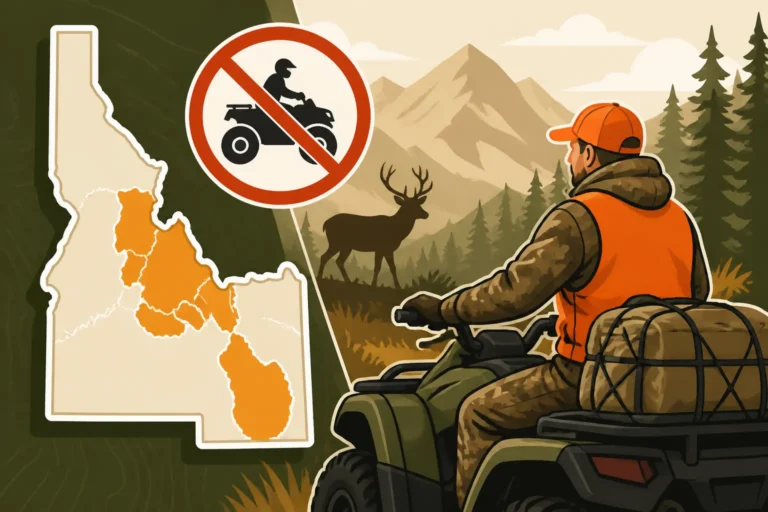
Idaho has specific motorized hunting rules, and Unit 43 is no exception. Generally, off-road vehicle use for hunting is prohibited, meaning you’ll need to stick to established roads and then proceed on foot. Idaho's Motorized Hunting Rule Keeps You on the Road is a rule you absolutely cannot ignore. This makes identifying good trailheads and understanding how far you’re willing to hike crucial. While Unit 43 isn't a designated wilderness area, the principles of remote hunting still apply. You'll likely be covering significant ground on foot, so physical conditioning is vital. Always be aware of your vehicle's location relative to game laws and private property lines.
Strategies and Considerations for a Successful Hunt
Unit 43 offers a rewarding hunt for those who are prepared and adaptable. Success often comes down to understanding the nuances of the terrain and the behavior of the game animals within it.
Glassing Strategies in Open and Broken Country
Given the mix of open sagebrush flats and broken, juniper-studded hills, glassing is arguably the most effective hunting strategy in Unit 43. Find high vantage points early in the morning and late in the evening and systematically pick apart the landscape with quality binoculars and a spotting scope. Focus on shaded slopes, drainage bottoms, and the edges where different habitat types meet. Mule deer, in particular, are masters of blending into the sagebrush, so look for subtle shapes, horizontal lines, or flickers of movement rather than obvious whole animals. Knowing Optics Power for Idaho's Long Canyon Sightlines is very beneficial here. When the sun gets high, shift your focus to thicker cover where animals might bed down.
Adapting to Pressure and Seasonal Changes
Unit 43, like many accessible units, can experience significant hunting pressure, especially during general rifle seasons. This pressure can quickly push animals into thicker cover, onto private land, or into less accessible canyons. Be prepared to adapt. If your initial spots are crowded, have backup plans that involve hiking further or targeting areas with more challenging access. As the season progresses, feed sources and animal behavior will change. Later in the fall, deer and elk might move to lower elevations as snow begins to fall higher up, or they may concentrate around specific water sources if the weather is warm and dry. Staying flexible and observant will be key to finding success.
Ethical Hunting and Conservation
Beyond the pursuit of game, remember your role as a conservationist. Ethical hunting practices are paramount. This includes proper shot placement, quick recovery of downed animals, and taking only legal game. Familiarize yourself with Idaho’s mandatory reporting requirements after a harvest and understand The Meat Salvage Requirements for Big Game. Always leave the land better than you found it, packing out all trash and respecting wildlife and other users of public land. Participating in conservation efforts, even just through your license and tag purchases, helps ensure that future generations will also have the opportunity to hunt Unit 43.
Disclaimer
This article is for general informational purposes only and does not constitute professional advice. Laws, prices and regulations vary by location and change over time. Consult a qualified professional for guidance on your specific situation.