Mule Deer Population Trends Across the West
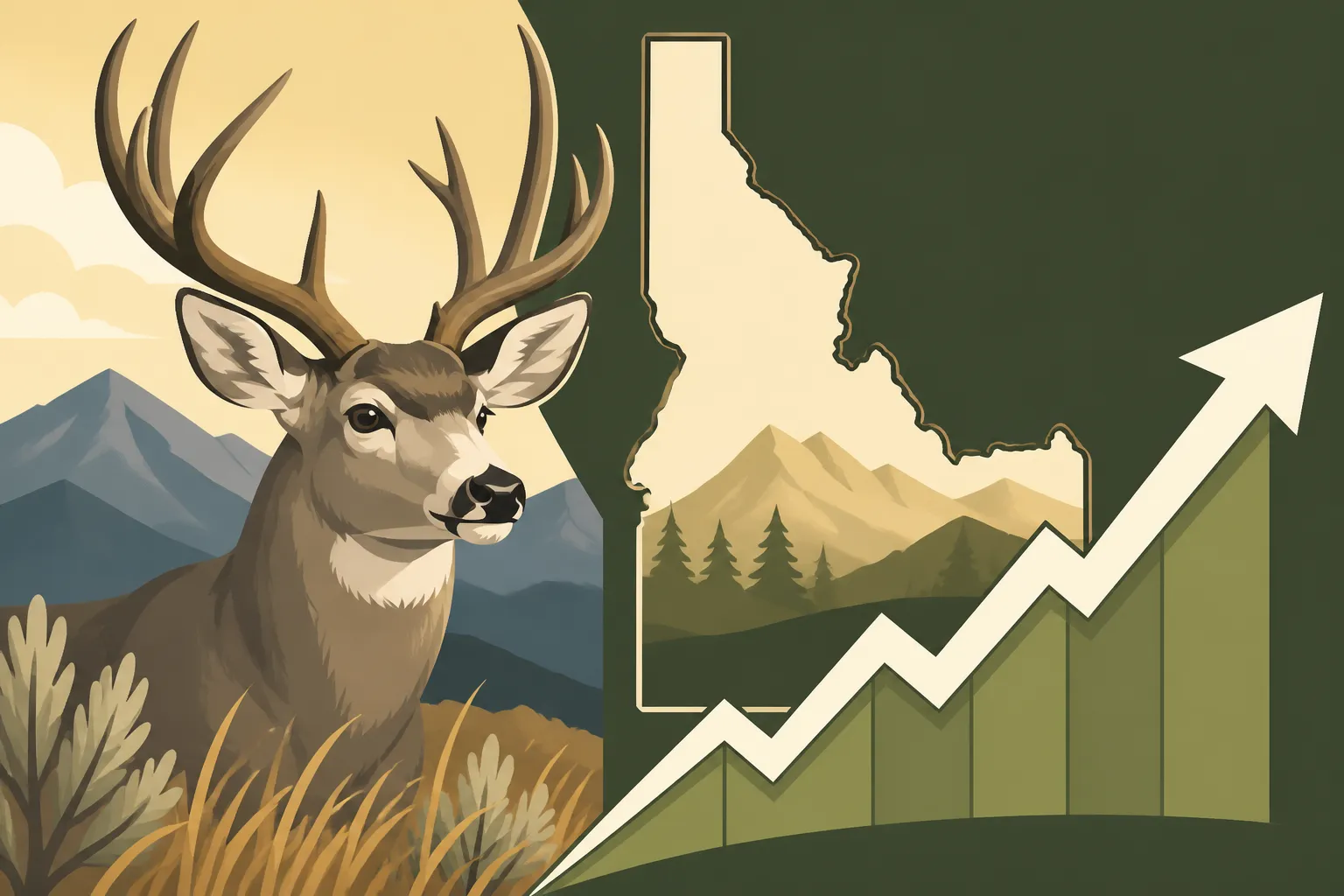
It's no secret that many hunters across the West feel a deep concern about mule deer populations. We've all heard the stories, seen the photos of past decades, and perhaps even experienced units where the deer numbers just aren't what they used to be. This guide will take a deep dive into the complex topic of mule deer population trends across the Western states, exploring the historical context, the myriad factors influencing their numbers, and what these changes mean for the future of hunting and conservation.
Understanding the Historical Arc of Western Mule Deer Populations
Mule deer, with their distinctive large ears and bounding gait, are an iconic species of the American West. For generations, they've been a cornerstone of hunting culture and a vital component of Western ecosystems. However, their populations have seen significant shifts over time, moving through periods of abundance and decline, driven by a blend of natural forces and human activities.
In the early to mid-20th century, many Western states experienced what some refer to as a "mule deer boom." This era saw populations soar, often attributed to aggressive predator control programs, widespread timber harvest that created beneficial early successional forage, and perhaps even a rebound from market hunting pressures of earlier times. Hunters of that generation often recall seeing vast herds of deer, sometimes in numbers that seem almost unbelievable today. It was a time when general season tags were plentiful, and finding a buck felt like less of an odyssey than it does now. This period established a baseline for what many consider "normal" or "healthy" mule deer numbers, a benchmark against which current trends are often unfavorably compared.
However, the latter half of the 20th century, particularly from the 1960s and 70s onward, marked the beginning of a more noticeable and widespread decline in many areas. This wasn't a sudden crash everywhere, but rather a more gradual erosion of numbers that began to alarm wildlife managers and dedicated hunters. Habitat began to mature, development encroached on critical winter ranges, and the ecological dynamics shifted. This decline has continued in many regions, leading to the frustrations and concerns we frequently hear expressed today. Understanding this historical arc is crucial because it helps us realize that mule deer populations are dynamic, not static, and their current status is the result of a long interplay of factors. It's not just a recent phenomenon but a trend with deep roots in how our landscapes and management strategies have evolved.
The Complex Web of Factors Influencing Mule Deer Numbers Today
Pinpointing a single cause for the current state of mule deer populations is like trying to catch smoke with your bare hands – it's just not possible. The reality is that multiple, interconnected factors exert pressure on these animals, often compounding each other's effects. It's a challenging puzzle for wildlife biologists and a constant source of discussion among hunters.
Habitat Loss and Degradation
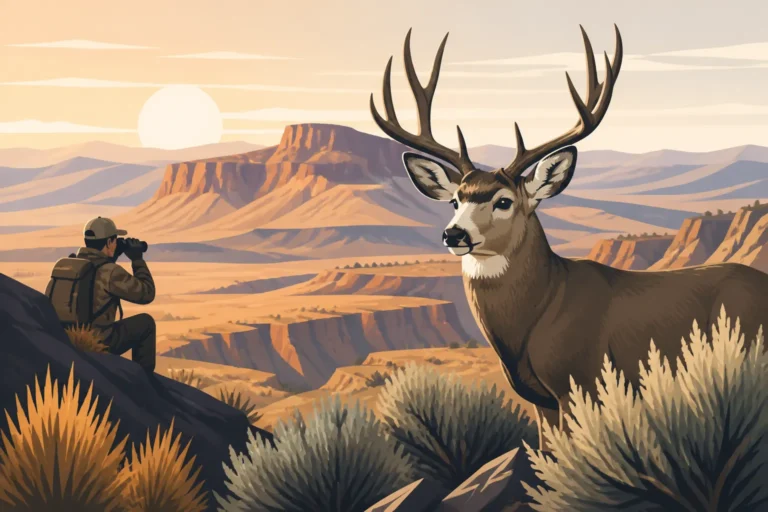
One of the most profound and widely recognized drivers of mule deer decline is the loss and degradation of their habitat. Think about it: where do people build homes, businesses, and infrastructure? Often, it's in the lower elevations, the very areas that serve as critical Mule Deer Winter Range Across the High Desert or crucial fawning grounds. As towns expand and agricultural frontiers push further, these vital areas are fragmented, reduced, or completely eliminated. A freeway, a housing development, or even a large-scale solar farm might seem like a small footprint individually, but cumulatively, they carve up traditional migratory routes and shrink the amount of quality forage available.
Beyond outright loss, habitat degradation is also a huge issue. Invasive annual grasses like cheatgrass outcompete native perennial plants that provide superior nutrition for mule deer. Wildfires, while a natural part of many ecosystems, can be devastating when they burn too hot or too frequently, consuming entire landscapes that take years, if not decades, to recover. Poor range management practices, whether from overgrazing by livestock or even simply a lack of management to promote diverse forage, can diminish the nutritional value and cover deer rely on. These habitat issues mean fewer fawns survive, adults struggle to maintain condition, and populations can't bounce back as quickly, even in good years. GoHunt often highlights articles on habitat projects in various states, underscoring their critical importance.
Predation Pressure
The role of predators is another hotly debated topic among hunters and biologists. In many areas, predator populations – including mountain lions, coyotes, and wolves – have rebounded significantly since the mid-20th century. While predators are a natural and necessary part of a healthy ecosystem, their increased numbers, especially when combined with other stressors, can certainly impact mule deer populations. Fawns are particularly vulnerable to coyotes and bears, while mountain lions are highly effective at taking adult deer. In areas where mule deer are already struggling due to poor habitat or harsh winters, high predation rates can prevent a population from growing or even push it further into decline.
For instance, in some parts of Idaho, particularly where wolf populations are established, there's concern about the cumulative effect of all predators on big game species. While How Wolf Predation Affects Elk Calf Survival often gets the most attention, deer can also be impacted. It's a delicate balance, and wildlife agencies across the West are constantly analyzing harvest data and population surveys to understand the specific dynamics in each unit. It's rarely a simple "too many predators" answer; instead, it's about the predator-prey relationship within a given ecosystem's carrying capacity.
Disease and Parasites
Disease outbreaks and the prevalence of parasites can also take a significant toll on mule deer. Chronic Wasting Disease (CWD), for example, is a fatal neurological disease that has been steadily spreading across North America. While its direct impact on overall population numbers is still being studied, it's a grave concern. Chronic Wasting Disease Testing in Idaho and other states is mandatory in some areas to monitor its spread and understand its effects. Other diseases like Epizootic Hemorrhagic Disease (EHD) or adenovirus can cause sudden die-offs, especially in localized areas, particularly during hot, dry summers when deer congregate around limited water sources.
Parasites, though less dramatic than a visible disease outbreak, can also weaken deer, making them more susceptible to predation, harsh weather, or starvation. Lungworms, liver flukes, and various intestinal parasites can slowly diminish a deer's health and reproductive capacity. These biological factors are often harder for humans to manage directly, but they are a silent force constantly at play in the background, subtly shaping the health and resilience of a mule deer herd.
Climatic Influences and Weather Extremes
Weather is arguably one of the most immediate and impactful forces on mule deer populations. The West is known for its dramatic and often unpredictable climate, and deer are incredibly sensitive to these fluctuations. Mild winters, with less snow and warmer temperatures, generally lead to higher fawn survival and better overwintering success for adults, allowing populations to grow. Conversely, severe winters with deep, persistent snow and prolonged cold can be catastrophic. Deep snow limits access to forage, increases energy expenditure, and makes deer more vulnerable to predators. A single harsh winter can wipe out several years of population growth.
Droughts are another major climatic concern. Extended periods of drought reduce the quantity and quality of forage, impacting doe health and fawn survival. When does enter winter in poor condition due to a dry summer, their fawns are less likely to survive, and their own reproductive success the following year can be compromised. Water scarcity can also concentrate deer, increasing the risk of disease transmission. The cycles of drought and extreme winters are becoming more erratic in many Western regions, adding another layer of uncertainty to mule deer management. GoHunt members often discuss how these conditions influence hunt planning for specific units, providing valuable, up-to-date insights.
Human Impacts Beyond Direct Hunting
While regulated hunting is generally not a driver of population decline for mule deer—in fact, it's a vital management tool that funds conservation efforts—other human impacts are significant. Traffic collisions account for a substantial number of deer deaths annually. The expansion of roads and highways dissects habitat and creates dangerous barriers. Energy development, such as oil and gas wells or wind farms, can disrupt migration patterns and fragment critical habitat, even if direct land use is limited.
Recreational disturbance, especially in winter range, is also a growing concern. Backcountry skiing, snowmobiling, and even just casual hiking in sensitive areas can stress deer during the most vulnerable time of year, causing them to expend precious energy needed for survival. Even seemingly innocuous activities, when aggregated, can have a cumulative negative effect. This points to the need for responsible recreation, especially during periods when deer are most fragile. It reminds us that our presence in these landscapes extends beyond the hunting season and carries year-round responsibility.
Navigating the Nuances: Regional Disparities and Management Challenges
It's tempting to think of "Western mule deer" as one monolithic group, but the truth is, their populations and the challenges they face vary dramatically from one state, and even one game management unit, to another. What might be a serious problem in the high desert of Nevada could be less of an issue in the timbered mountains of northern Idaho. Understanding these regional differences is key to effective conservation and successful hunting.
Varied Population Health Across States and Units
While overall trends might paint a picture of general decline in some parts of the West, it's crucial to acknowledge that there are success stories and areas of stable or even increasing mule deer populations. States like Colorado and Utah have made significant investments in habitat improvement projects, and some units have shown promising rebounds. Conversely, other states, or specific regions within them, might be struggling to maintain numbers despite intensive management efforts.
In Idaho, for example, Why Buck Quality Differs North to South isn't just about genetics; it's also a reflection of habitat quality and population dynamics. Southern Idaho's sagebrush steppe and canyon country present different challenges and opportunities than the dense forests of the Panhandle. A unit that experiences severe winter kill might see a sharp drop, while a neighboring unit with more resilient winter range might hold steady. This mosaic of population health means that hunters need to do their homework, looking at specific unit data, such as harvest statistics and population surveys, which platforms like GoHunt provide access to. This data-driven approach helps hunters understand the localized reality rather than relying on broad, often generalized, Western trends.
The Role of State Wildlife Agencies and Management Strategies
State wildlife agencies are on the front lines of mule deer conservation. Their biologists spend countless hours in the field, conducting aerial surveys, ground counts, and collar studies to monitor populations. They use this data to inform complex management decisions, including setting hunting seasons, establishing tag quotas, and implementing habitat improvement projects. These agencies often face the unenviable task of balancing hunter expectations, agricultural interests, and ecological realities.
Management strategies often involve a combination of approaches. Habitat projects might include prescribed burns to rejuvenate forage, controlling invasive species, or fencing off riparian areas to allow vegetation to recover. Predator management might involve targeted removal in specific areas, especially after a harsh winter, to give deer populations a chance to recover. In some cases, agencies might even undertake translocation efforts, moving deer from healthy populations to areas where numbers are low. These are long-term, expensive endeavors, and their success often depends on sustained funding, much of which comes from hunting license and tag sales. When you look into Idaho Doe Deer Controlled Hunt Availability, you're seeing a direct result of these management efforts to balance herd health and hunter opportunity.
The Importance of Collaborative Conservation Efforts
No single entity can solve the complex challenges facing mule deer. Effective conservation relies heavily on collaboration between state agencies, federal land managers (like the US Forest Service and Bureau of Land Management), private landowners, and non-profit organizations. Groups like the Mule Deer Foundation are instrumental in funding and organizing habitat projects, advocating for mule deer-friendly policies, and educating the public.
For hunters, actively participating in these efforts is crucial. Volunteering for habitat workdays, joining conservation groups, and even simply supporting businesses and organizations that prioritize wildlife can make a tangible difference. Understanding how to interpret things like Reading an Idaho Harvest Statistics Report allows hunters to engage more effectively in discussions about management. When everyone works together – from the rancher managing their land to the hunter advocating for healthy ecosystems – the collective impact is far greater than individual efforts.
Factors Influencing Mule Deer Populations
| Factor Category | Specific Examples | Impact on Mule Deer |
|---|---|---|
| Habitat | Urban sprawl, agriculture, invasive species, wildfire | Loss of winter range, reduced forage quality, fragmented migratory corridors |
| Predation | Mountain lions, coyotes, wolves, bears | Increased fawn mortality, pressure on adult populations, especially in stressed herds |
| Disease/Parasites | CWD, EHD, adenovirus, lungworm, liver fluke | Reduced health, reproduction, and survival; potential for localized die-offs |
| Climate/Weather | Severe winters, prolonged droughts, erratic weather | Increased winter mortality, poor fawn survival, reduced forage quantity and quality |
| Human Disturbance | Roads, energy development, recreational activities | Traffic collisions, displacement from critical habitats, increased stress during winter |
Looking Ahead: Conservation Efforts and the Future of Mule Deer Hunting
The future of mule deer hunting in the West, while certainly facing headwinds, is far from hopeless. There's a tremendous amount of passion and dedication directed toward ensuring these magnificent animals continue to thrive. It requires a multi-faceted approach, informed by science, driven by collaboration, and sustained by the commitment of hunters and conservationists alike.
Current Conservation Initiatives and Success Stories
Across the Western states, numerous conservation initiatives are underway, often with encouraging results. Many states are heavily invested in large-scale habitat restoration projects. This might involve removing encroaching juniper and pinyon pine to restore sagebrush steppe, planting native bitterbrush and other forbs on burned areas, or creating water sources in arid landscapes. Organizations like the Mule Deer Foundation, National Wild Turkey Federation, and even local sportsmen's groups are channeling funds and volunteer labor into these tangible improvements. These efforts directly address the root causes of habitat degradation, which is one of the most effective ways to bolster mule deer numbers.
Another critical area is the protection and enhancement of migration corridors. Wildlife overpasses and underpasses are being built in key locations to allow deer and other wildlife to safely cross major highways, reducing collisions and maintaining connectivity between seasonal ranges. Initiatives focused on minimizing disturbance on Mule Deer Winter Range Across the High Desert during the colder months are also vital. While these are often long-term investments, the early successes in some areas demonstrate that focused, data-driven conservation can make a real difference. GoHunt often features updates on these significant conservation projects.
The Hunter's Role in Future Mule Deer Management
Hunters are, and always have been, the backbone of wildlife conservation in North America. Our license and tag dollars directly fund the vast majority of state wildlife agency budgets, paying for the research, management, and enforcement efforts that benefit mule deer and countless other species. Beyond financial contributions, active participation is paramount. Attending public meetings where hunting seasons and regulations are discussed, offering input to wildlife agencies, and supporting candidates who prioritize sound wildlife management are all ways to stay engaged.
Furthermore, being a responsible hunter includes adhering to regulations, practicing ethical harvesting, and understanding the "why" behind specific rules. For example, knowing The Idaho Hunting Passport Lets You Try Before You Certify means you can mentor new hunters, sharing the passion and principles of ethical hunting. Responsible land use, whether hunting on Hunting Idaho's National Forests and BLM Ground or respecting private property boundaries, is also critical. Every action, from careful E-Scouting an Idaho Unit Before the Season to ensuring you understand Idaho's Motorized Hunting Rule Runs August Into December, contributes to a positive image of hunting and strengthens the conservation movement.
Adapting to Changing Landscapes and Climate
The reality is that the Western landscape is constantly changing, influenced by both natural processes and human activity. Climate change is bringing warmer temperatures, altered precipitation patterns, and increased frequency of extreme weather events, which will continue to impact mule deer habitat and behavior. Successful mule deer management in the future will require adaptability and innovative thinking. This might mean exploring new ways to manage forests for fire resilience, developing drought-resistant forage, or even considering assisted migration of certain plant species.
Hunters, too, may need to adapt. This could mean adjusting expectations, recognizing that some units may never return to historical highs, or embracing new hunting strategies based on current deer behavior and habitat conditions. Learning more about tactics like Glassing Breaks and Benches for Mule Deer or understanding the nuances of Best Time of Day to Glass Mule Deer becomes even more important. While the challenges are real and complex, the enduring spirit of conservation and the dedication of the hunting community offer a powerful force for the future of mule deer across the West.
Disclaimer
This article is for general informational purposes only and does not constitute professional advice. Laws, prices and regulations vary by location and change over time. Consult a qualified professional for guidance on your specific situation.