When Winter Range Reopens for Spring Scouting
Ah, spring! That time of year when the snow starts to recede, the days get longer, and every hunter's mind turns to one thing: scouting for next fall. You've been cooped up all winter, dreaming of those big Idaho mule deer or elk, and now you're itching to get boots on the ground, find some fresh sign, and maybe even pick up a few sheds. But then you hit a snag – those pesky winter range closures. It's frustrating to see perfectly good country from afar, knowing it holds potential, but also knowing you could be breaking the rules if you venture in too early. This guide is all about helping you understand when and where Idaho's crucial winter ranges reopen for spring scouting, so you can plan your trips responsibly and effectively.
Understanding Idaho's Winter Range Closures
Idaho is a wild state, and much of its beauty lies in the vast, undeveloped landscapes that sustain incredible wildlife populations. But these landscapes are also incredibly dynamic, especially through the harsh winter months. Those "closures" aren't just arbitrary lines on a map; they're vital protections for the animals we love to pursue.
Why Winter Range Matters for Wildlife
Think about a harsh Idaho winter: deep snow, freezing temperatures, and often very limited food sources. Big game animals like elk, mule deer, and bighorn sheep are in survival mode. Their bodies are working overtime just to stay warm and find enough to eat. They concentrate on specific, lower-elevation areas – often south-facing slopes, sagebrush plateaus, or sheltered timber patches – where snow isn't quite as deep and forage is more accessible. These critical winter ranges are their last refuge, their lifeline through the leanest months.
When humans, even well-meaning scouts, venture into these areas too early, it can cause significant stress. A deer or elk that has to exert extra energy to escape a person or vehicle is burning calories it can't afford to lose. This disturbance can lead to animals abandoning prime feeding grounds, increase their susceptibility to disease, and in extreme cases, contribute to mortality, especially for young or weakened animals. It's a delicate balance, and our presence, even for a quick scout, can tip it in the wrong direction during this critical time.
The Purpose Behind Seasonal Restrictions
The restrictions on winter range access aren't there to keep you from finding that monster buck's shed antlers. They're a science-backed effort by the Idaho Department of Fish and Game (IDFG) and land management agencies like the Forest Service and Bureau of Land Management (BLM) to give wildlife a fighting chance. These closures are strategically placed in areas known to be crucial winter habitat, and the dates are determined based on historical patterns of snowmelt and animal migration, as well as current conditions.
Violating these seasonal restrictions isn't just a minor infraction; it can come with hefty fines and potentially impact your hunting privileges. It's not worth risking a citation or, more importantly, harming the very resource you cherish. These rules exist because the well-being of the game animals comes first, ensuring healthy populations for future hunting seasons. It's part of being a responsible steward of the land and its creatures. You can often find detailed explanations of these rules by exploring Idaho's Motorized Hunting Rule and Where It Applies or similar policy overviews.
Typical Reopening Dates Across Idaho's Landscape
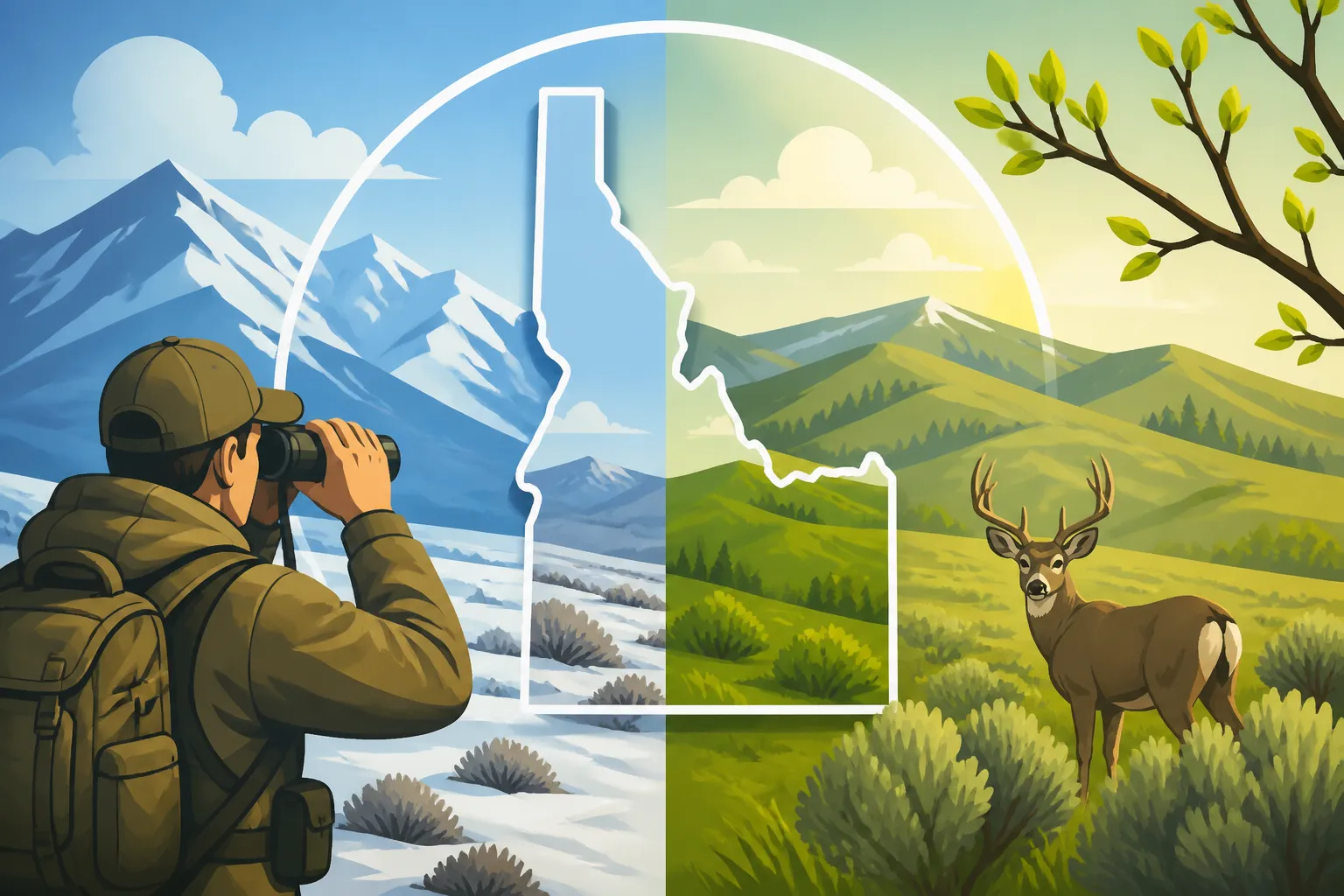
There isn't a single "Idaho reopening date" because the state is so diverse. From the high desert sagebrush to the dense northern timber and the towering central mountains, snowpack and spring green-up happen at vastly different times. Understanding these general patterns can help you anticipate when your favorite scouting spots might become accessible.
General Timelines for Low-Elevation Ranges
Many of Idaho's lower-elevation winter ranges, especially those in the southern and western parts of the state characterized by sagebrush, juniper, and grass, tend to reopen earlier. These areas typically shed their snowpack faster due to lower elevation and often more direct sun exposure on south-facing slopes.
You can often expect these types of ranges to begin reopening in late March or early April. Think about the fringes of the Snake River Plain, portions of the Owyhee Breaks, or lower foothills near communities like Boise, Twin Falls, or Pocatello. These are the spots where mule deer and pronghorn spend their winters, and they're usually the first places where you can legally start walking the ridges for sheds or spotting new rubs. However, even in these areas, an unusually heavy snow year can delay things, pushing openings back into late April.
Higher Elevation and Timbered Closures
As you move into the higher elevations and the dense, shaded timbered country of central and northern Idaho, the picture changes quite a bit. Areas like the Clearwater, Salmon, or Panhandle regions, and the high country of the Sawtooth or Frank Church Wilderness, hold snow much longer. The deep drifts in conifer forests can persist well into spring, and the animals that winter there are dependent on that snow melting before they can disperse and find new forage.
For these higher-elevation and timbered winter ranges, you're looking at much later reopening dates. Many won't open until late April, May, or even June in the highest mountain passes and basins. It's not uncommon for some remote Forest Service roads or trails to remain officially closed until July due to lingering snowdrifts or incredibly muddy conditions that would be severely damaged by early traffic. This is particularly true for areas that attract species like moose or high-country elk. Considering these factors is key to successful E-Scouting an Idaho Unit Before the Season.
Factors Influencing Specific Unit Reopening Dates
It's crucial to remember that these are just general guidelines. Every year is different. The amount of snow Idaho receives in a given winter, how quickly spring temperatures rise, and the timing of the spring green-up all play a significant role in when specific areas will open.
Idaho Fish and Game, in coordination with other land management agencies, constantly monitors these conditions. They're watching snow depth, animal health, and forage availability. If a late-season snowstorm hits, or if the spring remains unusually cold, they can (and will) extend closures to protect the wildlife. This is why a specific date on a map from two years ago might not hold true for the current season. Always check current conditions. This variability is why it's so important to utilize reliable mapping resources and constantly verify information, a task made easier by services like GoHunt or onX Hunt, which often update their layers to reflect these changes.
How to Find Specific Reopening Information for Your Scouting Plans
Given the variability across the state and from year to year, simply guessing when a particular area will open is a recipe for frustration, or worse, a citation. Thankfully, there are several reliable resources to get the most accurate, up-to-date information.
Utilizing the Idaho Fish and Game Website and Hunt Planner
Your absolute first stop for any Idaho hunting information should always be the official Idaho Department of Fish and Game (IDFG) website. They are the authoritative source for regulations, unit boundaries, and seasonal closures. Navigate to their "Hunting" section, and you'll often find specific links related to seasonal access.
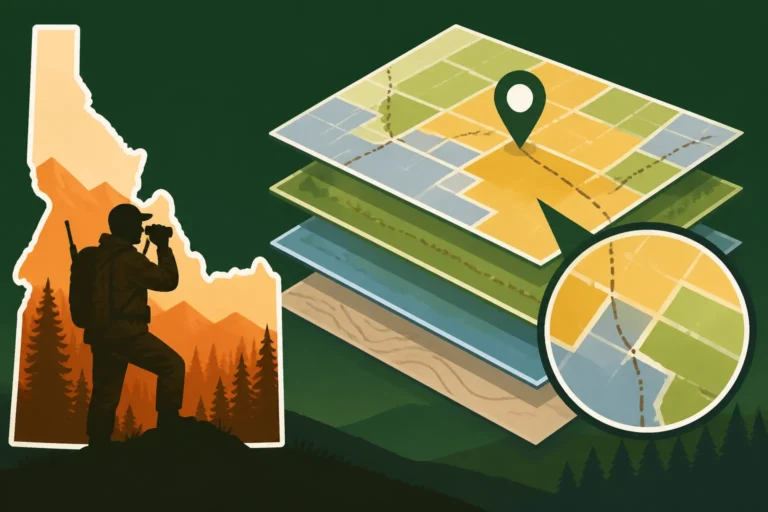
Even better, The Idaho Hunt Planner Is the Tool to Start With. This interactive map tool allows you to select specific Game Management Units (GMUs) or areas and view various layers, including winter range closures and seasonal road restrictions. Look for sections detailing "Motorized Vehicle Use Maps" (MVUMs) or "Seasonal Closures." These maps will show you exactly which roads, trails, or entire areas are closed to public access and for what dates. It takes a little digging sometimes, but the information is all there, unit by unit. Being familiar with how to use Using the Idaho Hunt Planner Map Center will save you a lot of time and potential headaches.
Mapping Tools and Mobile Apps
In today's digital age, mobile mapping applications have become indispensable for hunters. Tools like onX Hunt have revolutionized how we interact with land ownership and regulations. Many of these apps integrate public land boundaries, private land ownership, and often, critical IDFG and Forest Service closure data directly onto their maps.
When planning your spring scouting trip, open your onX Hunt app or similar program. Look for layers that show "Motor Vehicle Use Restrictions," "Seasonal Closures," or "Winter Range." These layers will graphically display the restricted areas, often with the specific dates of the closures. This visual representation is incredibly helpful for understanding exactly where you can and cannot go. Similarly, platforms like GoHunt offer detailed insights into specific units, which often include links or references to current closure information. These resources combine multiple data points, allowing you to effectively judge Checking Public Land Percentage by Idaho Unit against active closures.
Contacting Local Biologists and Ranger Districts
Sometimes, despite all the digital resources, you might have a very specific question about a particular road, trail, or a localized area that doesn't seem to have clear markings. In these instances, don't hesitate to reach out to the experts.
Contact your nearest Idaho Fish and Game regional office. They have biologists and staff who are intimately familiar with the local units, animal movements, and specific closure nuances. They can often provide insights into conditions on the ground that might not yet be reflected on official maps. Similarly, for areas on National Forest or BLM land, call the local ranger district or field office. They manage the roads and trails, and can give you real-time updates on snow depths, muddy conditions, and when they anticipate certain gates or roads will be opened. A quick phone call can prevent a long, wasted drive.
Best Practices for Spring Scouting Once Areas Reopen
Once those gates swing open and the "Closed" signs come down, it's natural to want to hit the ground running. However, even after official reopening, a mindful approach to spring scouting is essential for both your safety and the continued well-being of Idaho's wildlife.
Respecting Remaining Wintering Animals and Fragile Habitats
Just because an area officially reopens doesn't mean every last animal has left the winter range. You might still encounter lingering deer or elk, particularly if spring has been slow to arrive. Continue to be aware of your surroundings, move quietly, and avoid putting unnecessary pressure on any animals you do encounter. Give them space.
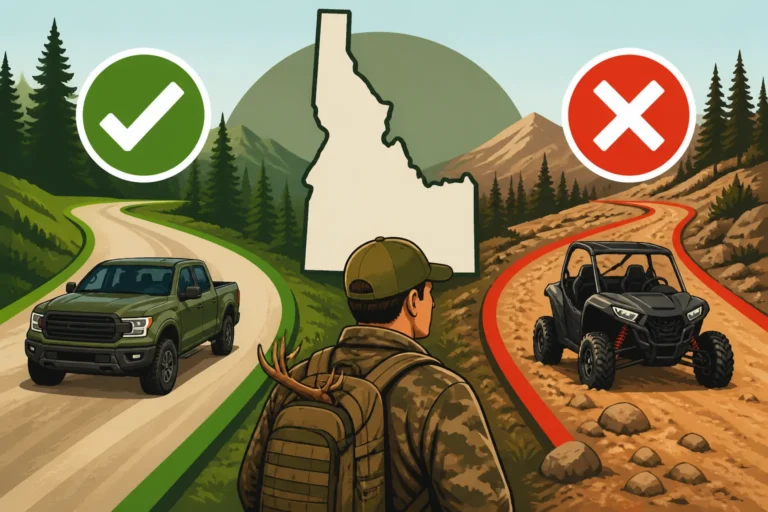
Furthermore, spring conditions often mean wet, muddy ground. Driving or even walking on saturated trails can cause significant damage, leading to erosion and long-term degradation of habitat. Stick to established trails and roads, and if you encounter exceptionally muddy conditions, consider turning back to prevent creating deep ruts or widening trails. Always practice Leave No Trace principles: pack out everything you pack in, and leave the area better than you found it. This includes being mindful about where you park and camp, particularly near sensitive riparian areas.
Focusing Your Scouting Efforts
When you finally get into your chosen scouting area, focus your efforts wisely. Spring is an excellent time to find shed antlers, if you're into shed hunting and the season is open in that specific area. More importantly for fall hunting, it's a prime opportunity to identify critical resources: fresh game trails, new rub lines, persistent bedding areas, and crucial water sources that will still be viable in the drier fall months.
Look for areas of early green-up where animals might be concentrating. Identify potential ambush points along trails, glass open areas for transitioning animals, and pay attention to topography that might funnel game. Combine your on-the-ground observations with your digital scouting. Use onX Hunt or GoHunt to mark waypoints for promising sign, potential camp spots, or areas to revisit during the hunting season. This dual approach of digital and physical scouting allows for a comprehensive understanding of your chosen unit. For a deeper dive, read Reading an Idaho Controlled Hunt Area Boundary to ensure you're in the right zone.
Gear Up for Early Season Conditions
Idaho's spring weather can be notoriously unpredictable. A warm, sunny morning can quickly turn into a cold, wet, or even snowy afternoon, especially in higher elevations. Don't underestimate the potential for adverse conditions, even in April or May.
Always pack layers: a good base layer, an insulating mid-layer, and a waterproof outer shell are essential. Bring waterproof boots, as you'll likely encounter mud, melting snow, and possibly stream crossings. Carry extra water, snacks, and emergency supplies. A headlamp, first-aid kit, and fire starter are non-negotiables. Even if the forecast looks clear, mountain weather can change on a dime. Remember that many Seasonal Road Closures Across Idaho are lifted in spring, but many roads may still be impassable due to snow or mud, requiring you to hike further than anticipated. Being prepared for anything will make your spring scouting trips safer and more enjoyable.
Idaho Winter Range Reopening Overview
To give you a general idea of what to expect, here's a rough overview of typical reopening windows based on habitat and elevation in Idaho. Always remember to verify specific unit and road statuses before you go!
| Habitat/Elevation Type | Typical Reopening Window | Key Factors Influencing Dates | Primary Big Game Species |
|---|---|---|---|
| Low-Elevation Sagebrush/Foothills | Late March – Mid-April | Snowmelt, early green-up, historical patterns | Mule Deer, Pronghorn, Elk |
| Mid-Elevation Slopes & Mixed Forests | Mid-April – Mid-May | Snowpack depth, duration of cold temperatures | Elk, Mule Deer, Whitetail Deer |
| High-Elevation Timber & Mountain Basins | Late May – June (sometimes July) | Heavy snowpack, prolonged cold, access via high mountain roads | Elk, Moose, Bighorn Sheep, Mountain Goat |
This article is for general informational purposes only and does not constitute professional advice. Laws, prices and regulations vary by location and change over time. Consult a qualified professional for guidance on your specific situation.